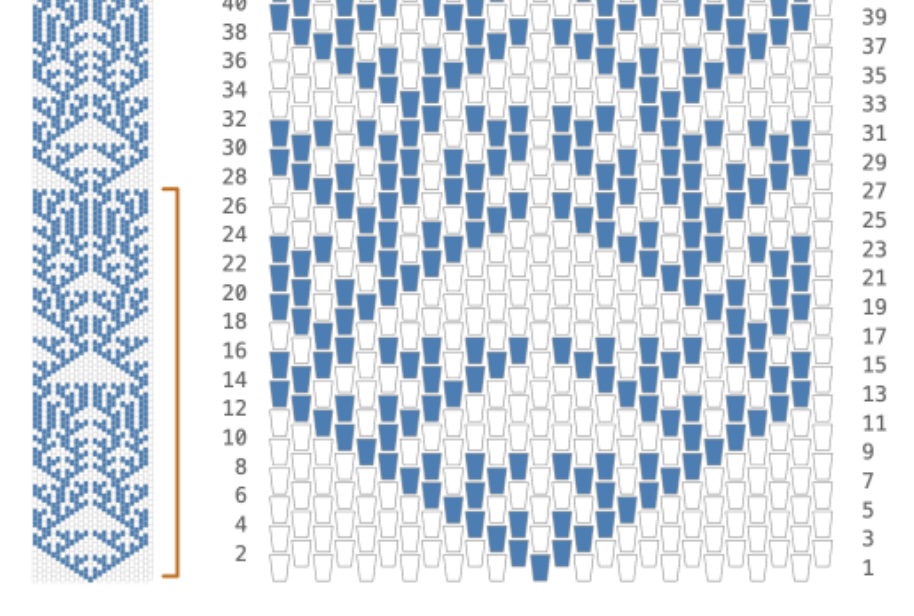
paper
Proceedings of Bridges Galway
A generalization of cellular automata to grid, brick, and lock structures that enable crafters to construct automated scarf motifs.
Proceedings of Bridges Galway
A generalization of cellular automata to grid, brick, and lock structures that enable crafters to construct automated scarf motifs.
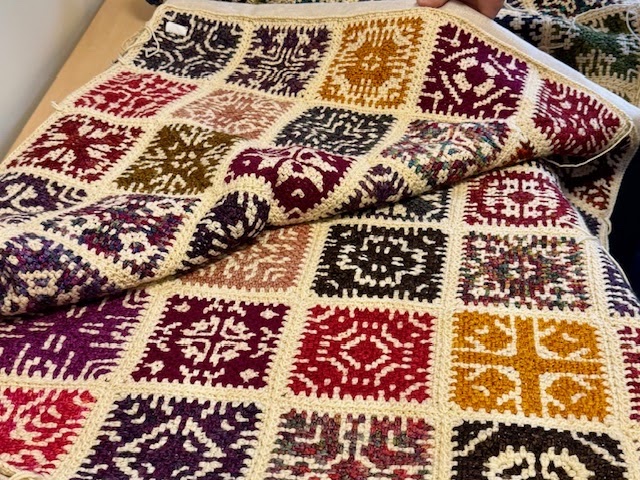
Maison Poincaré, Paris
An artwork of 242 crocheted granny squares with motifs generated by a cellular automaton, created by mathematicians, crafters, and hobbyists around the world; exhibited in Paris in 2026.
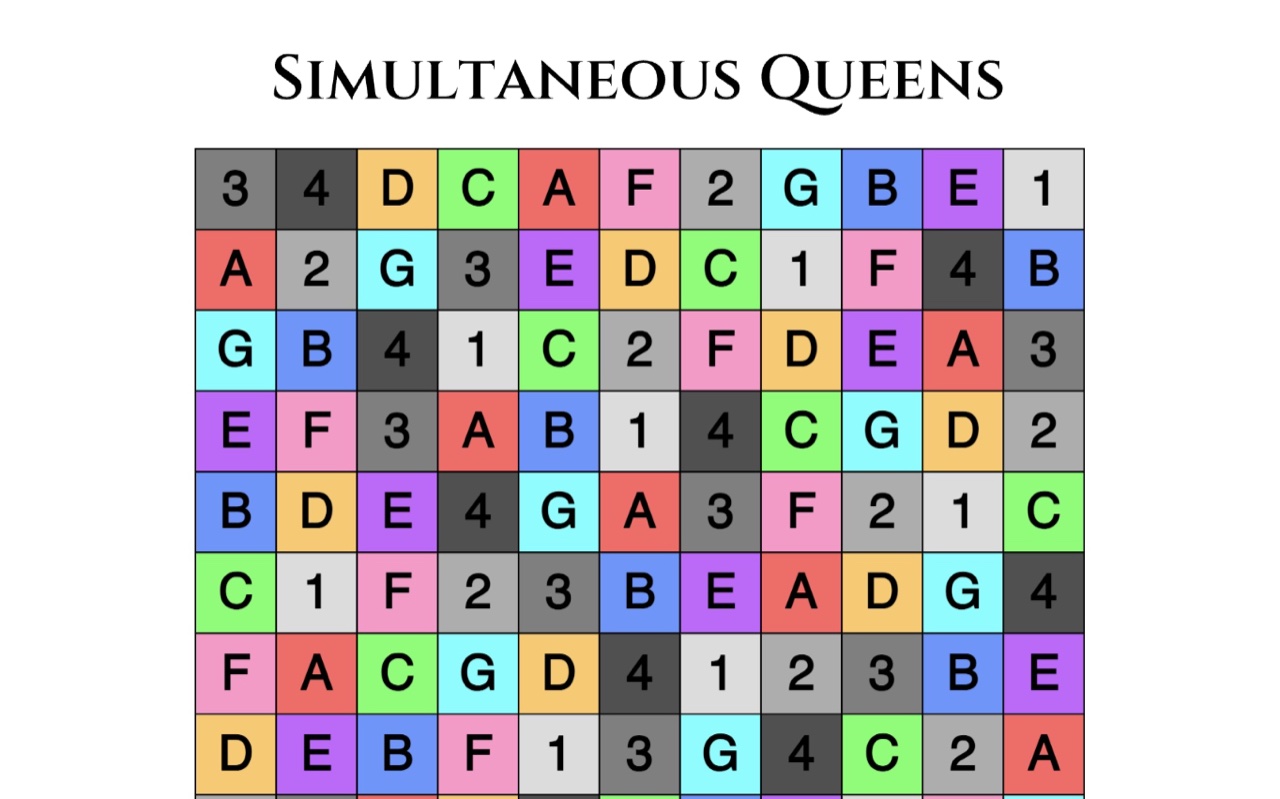
mathgrrl.com/simultaneous-queens
Find at least 7 simultaneous non-attacking 11-Queens solutions, then complete them to a Latin square. Useful for planning structured arrangements in fiber arts.
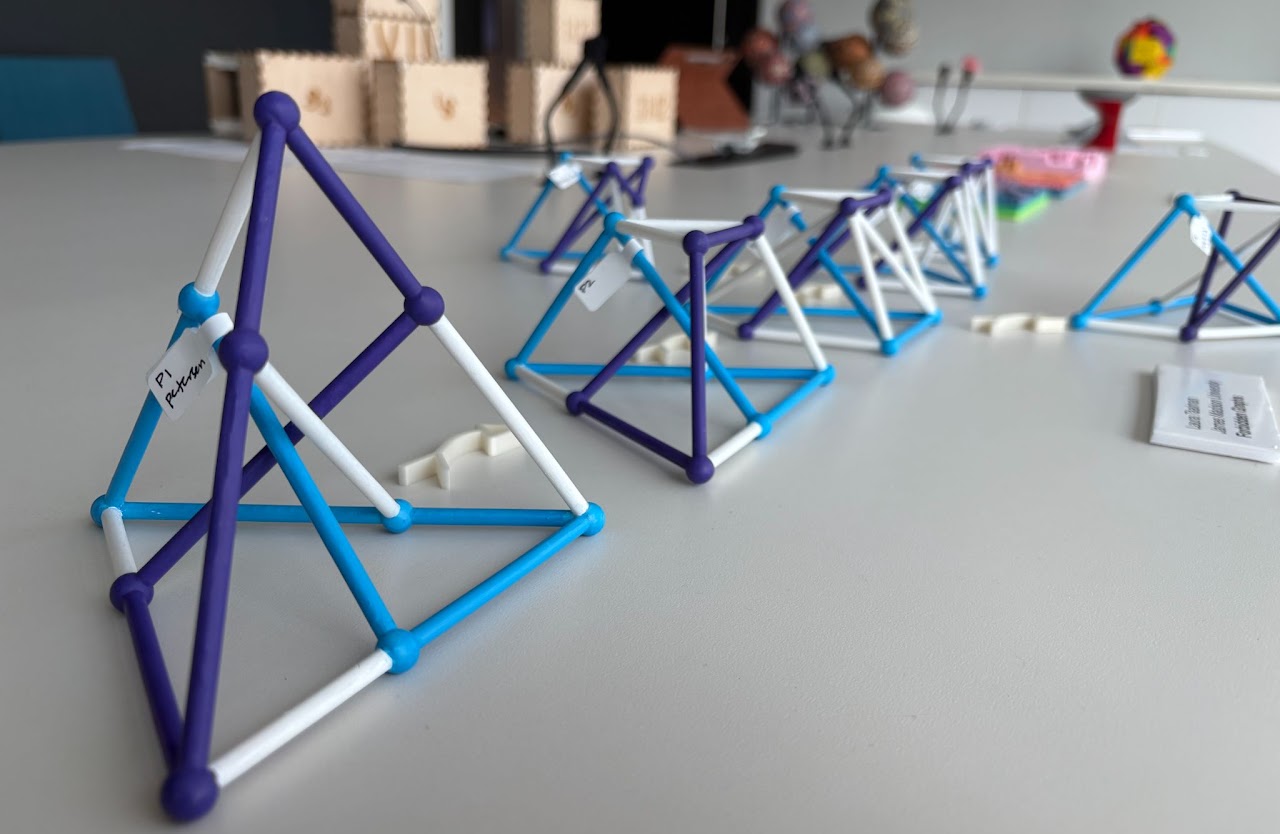
ICERM Illustrating Math
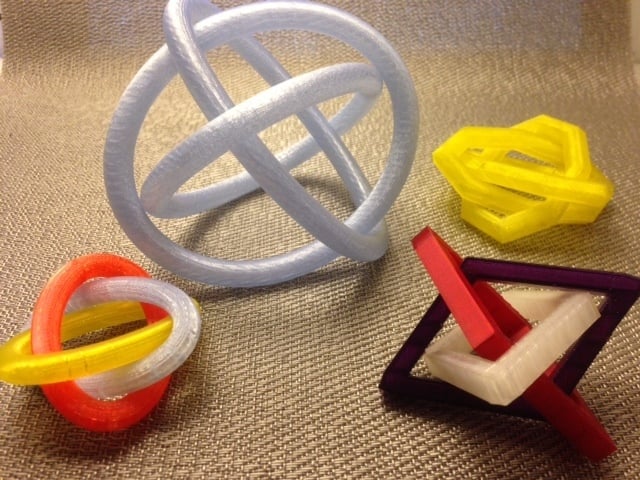
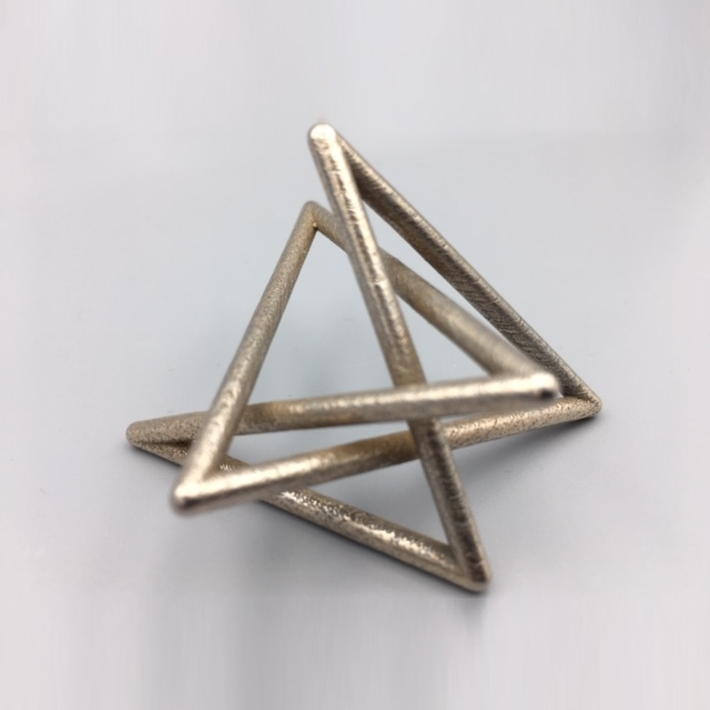
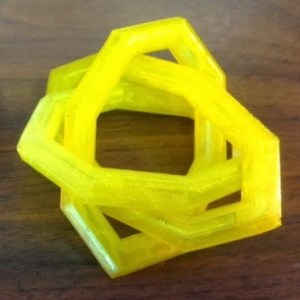
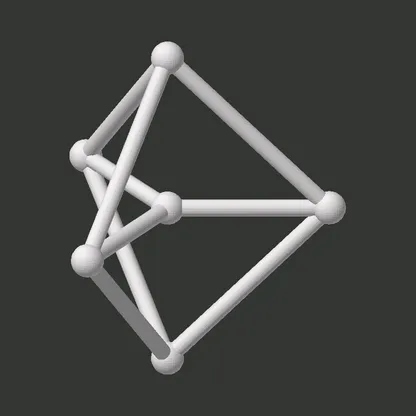
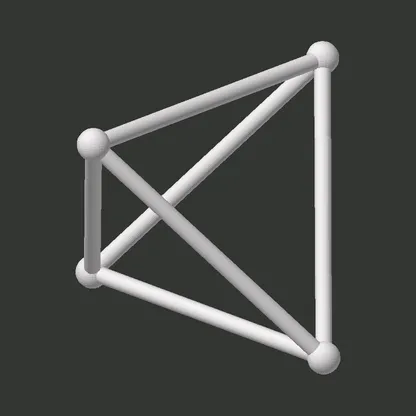
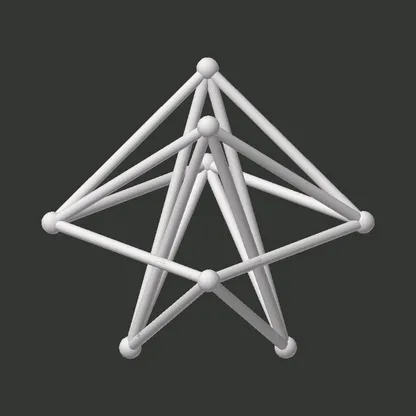
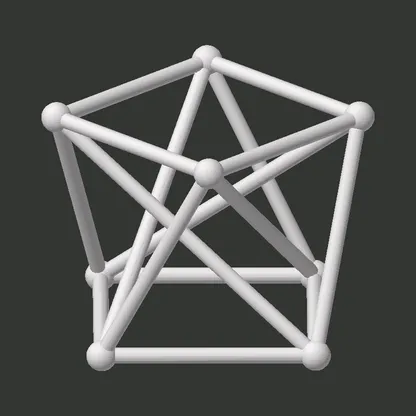
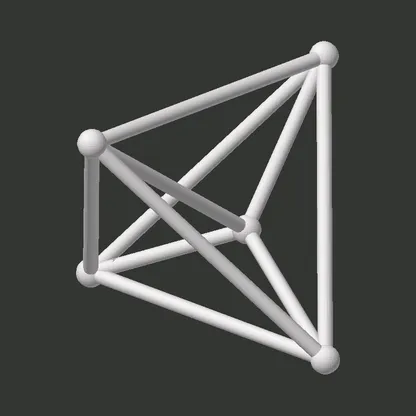
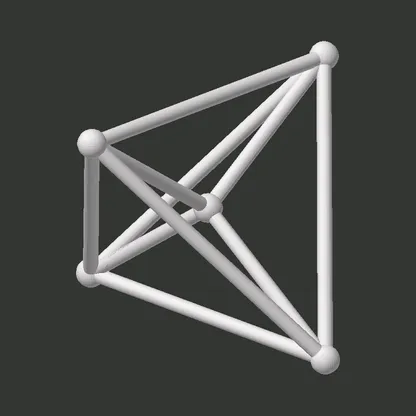
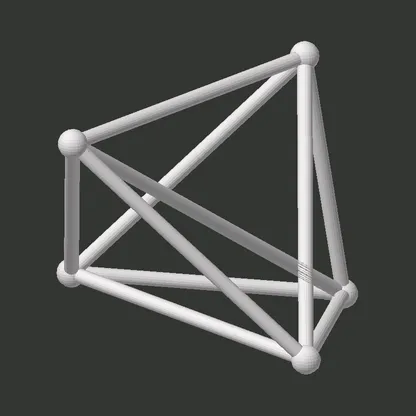
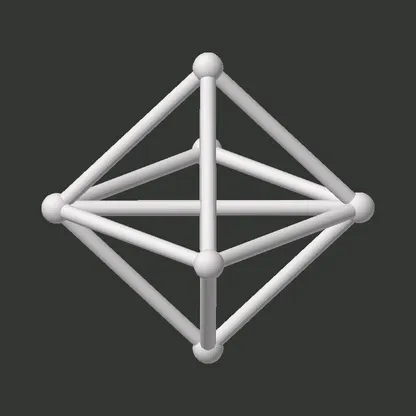
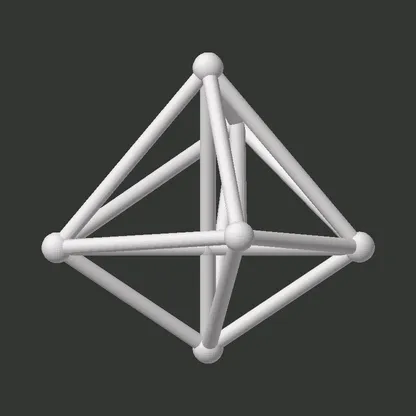
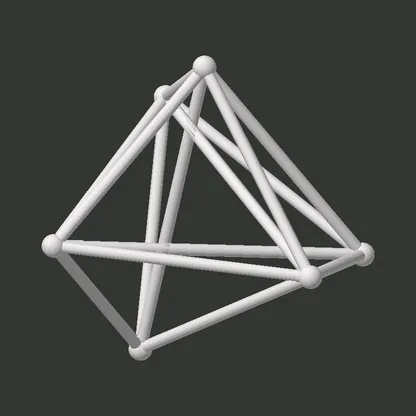
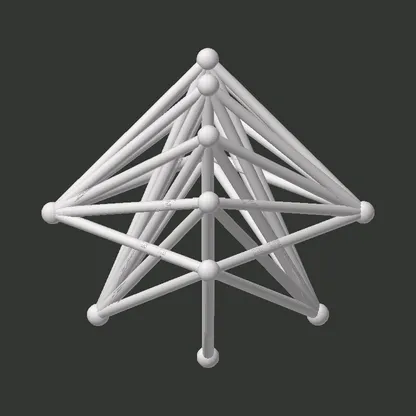
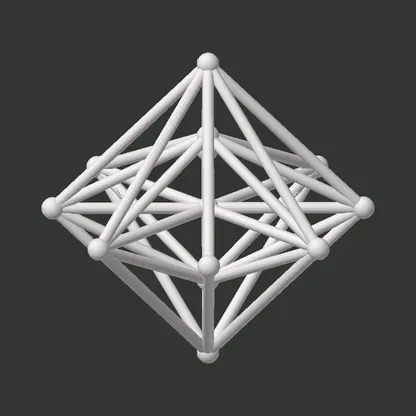
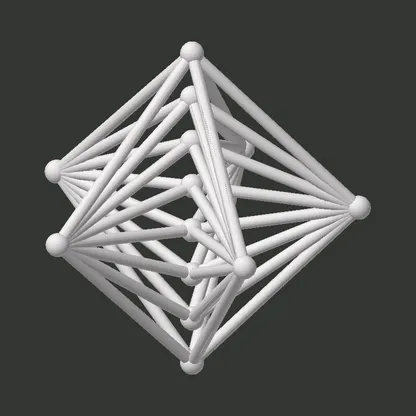
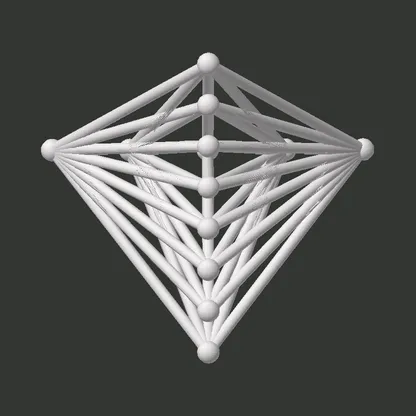
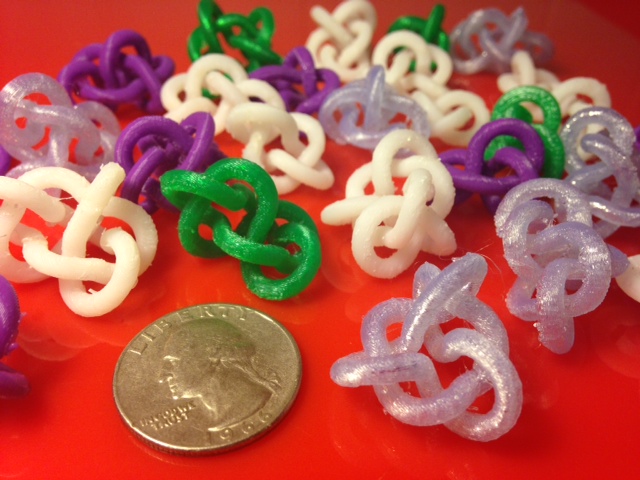
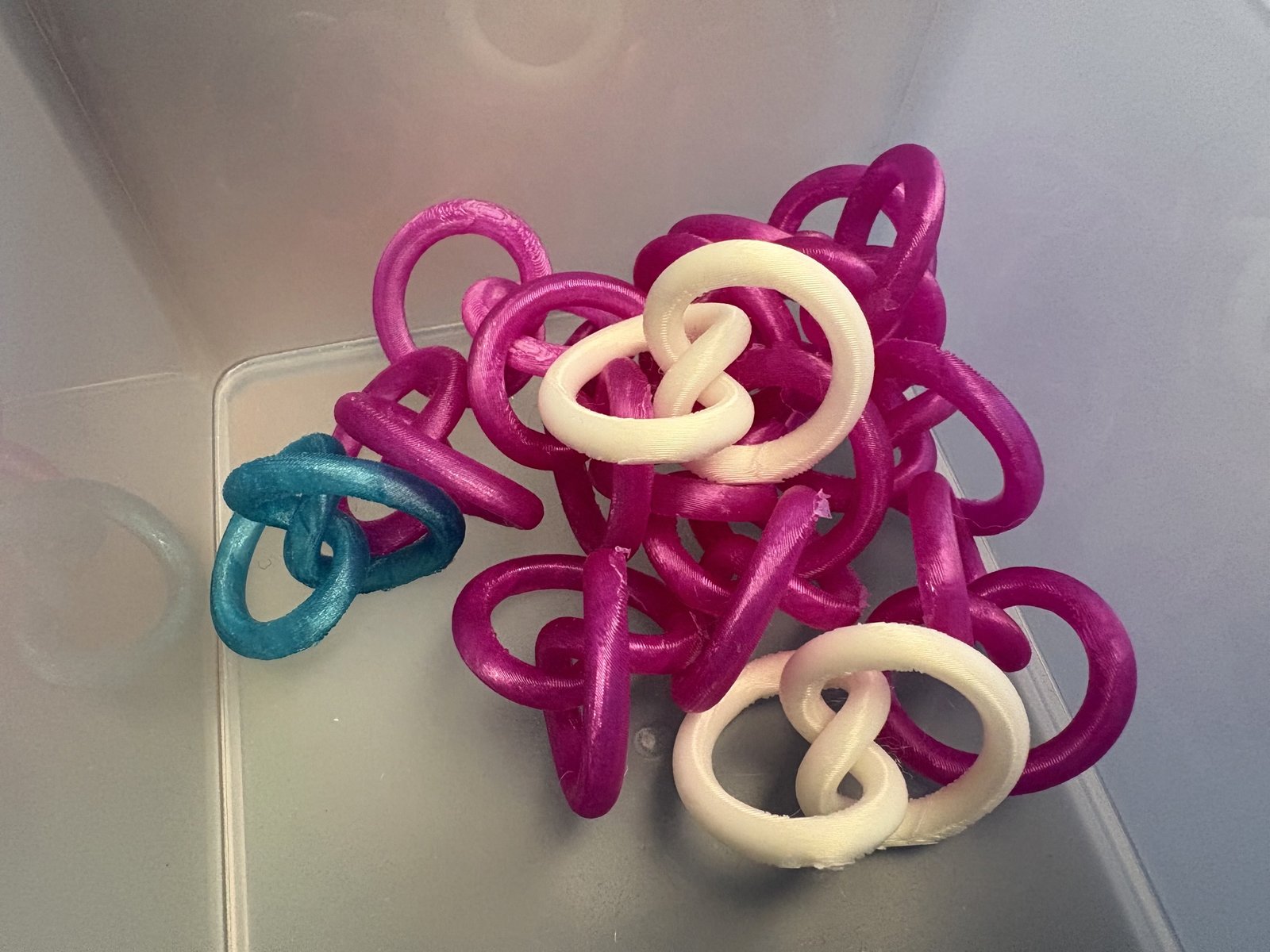
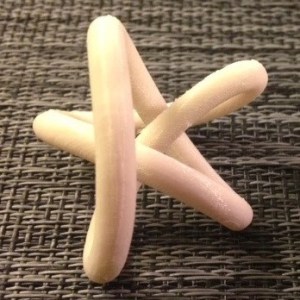
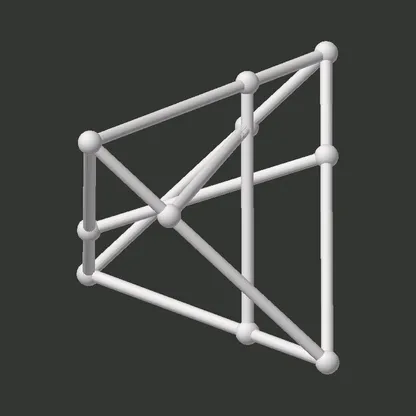
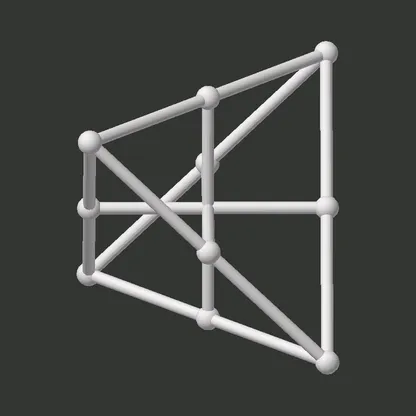
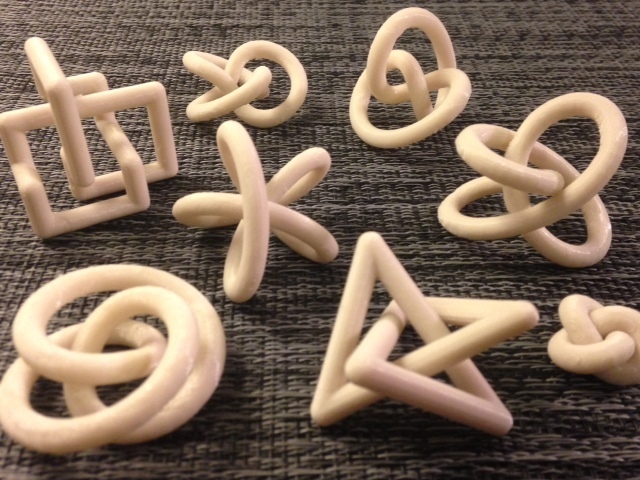
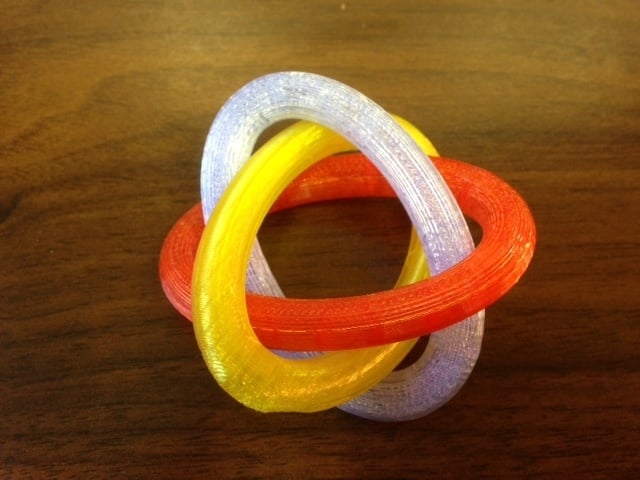
A sculptural set of the intrinsically linked Petersen family of graphs, highlighting link transformations through the family via Delta-Y and Y-Delta moves.

Early exploratory undergraduate research in computational and experimental mathematics. A Geometry Lab at James Madison University since 2013.

An academic residential learning community for first-year STEM majors at JMU, run by the Department of Mathematics and Statistics.
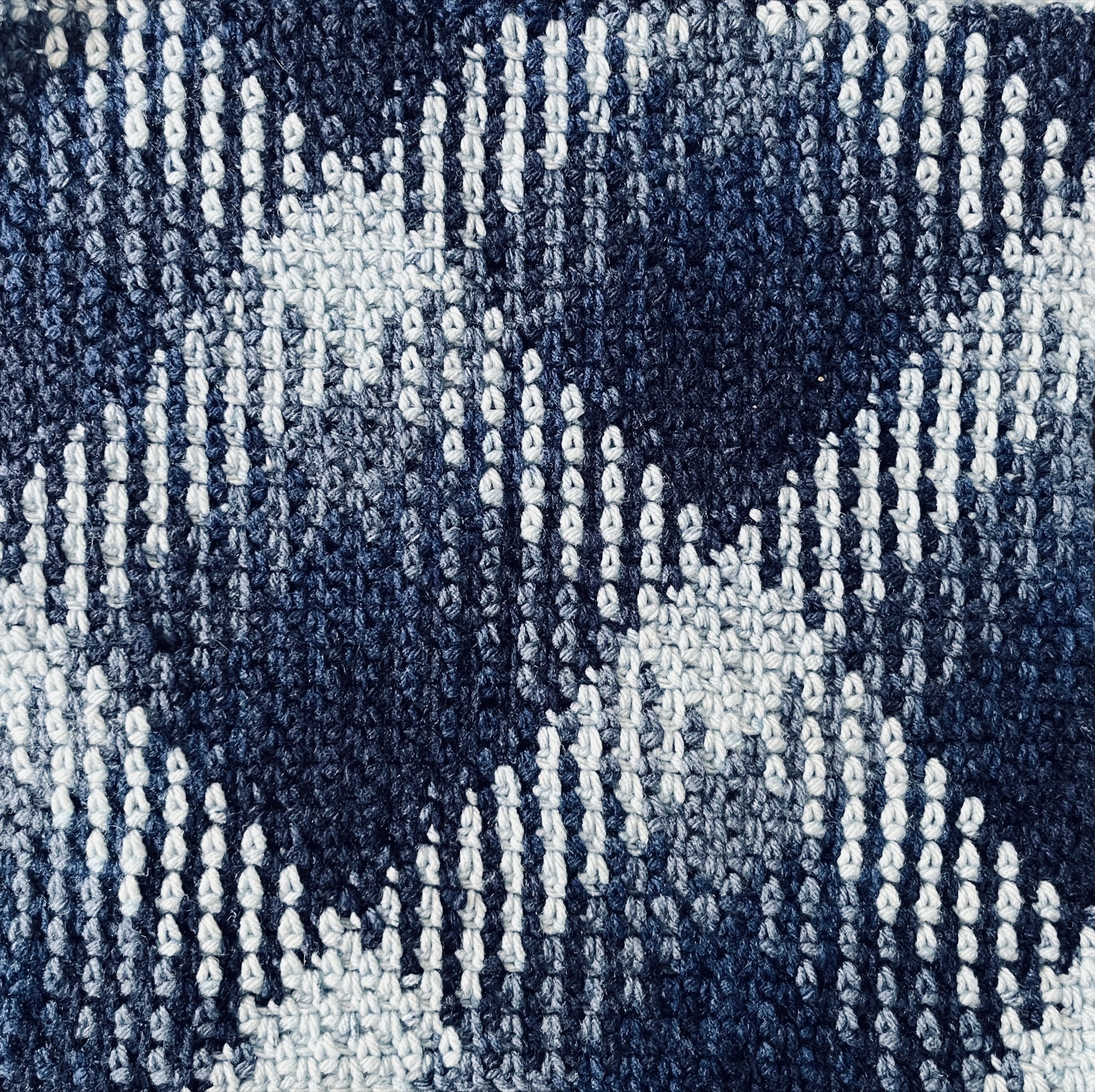
Bridges Richmond
A mathematical analysis and classification of three desirable families of planned-pooling knit and crochet patterns.
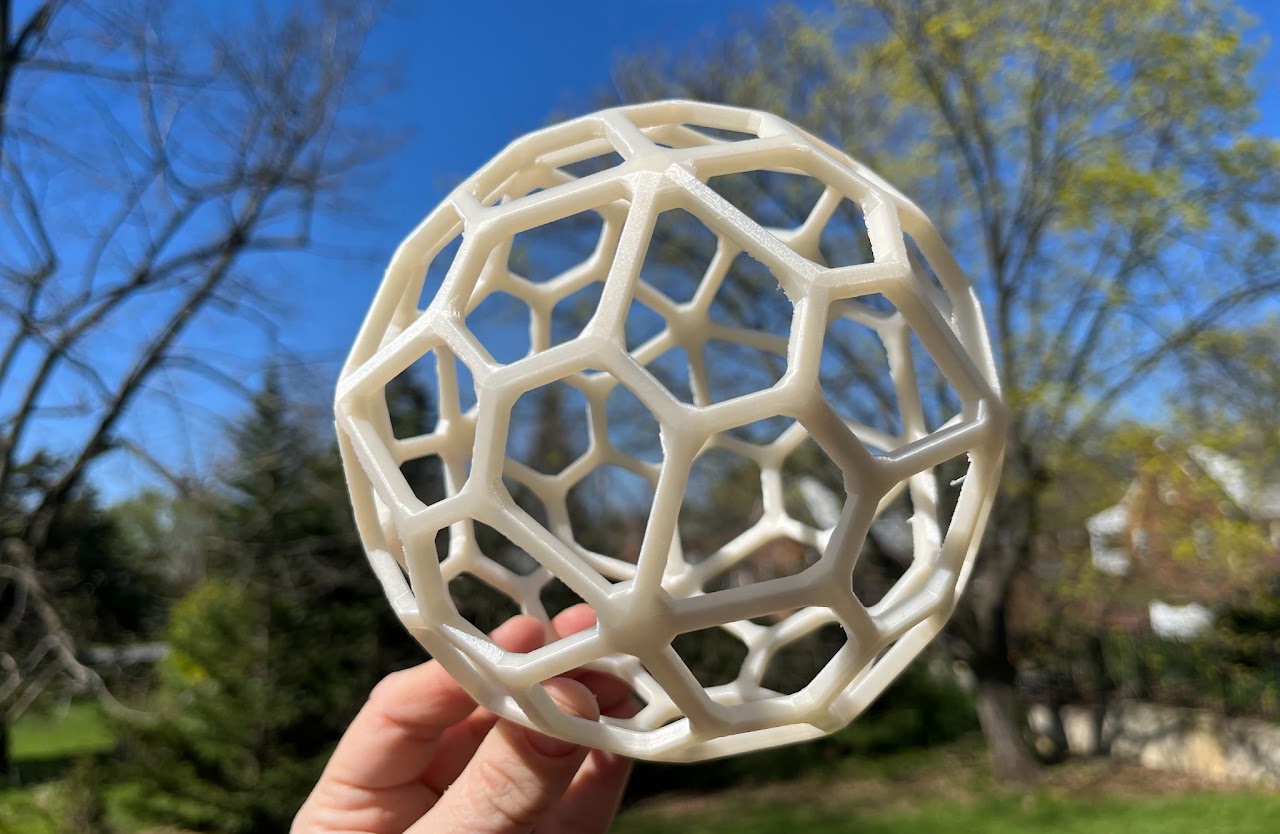
Polyplane exhibition
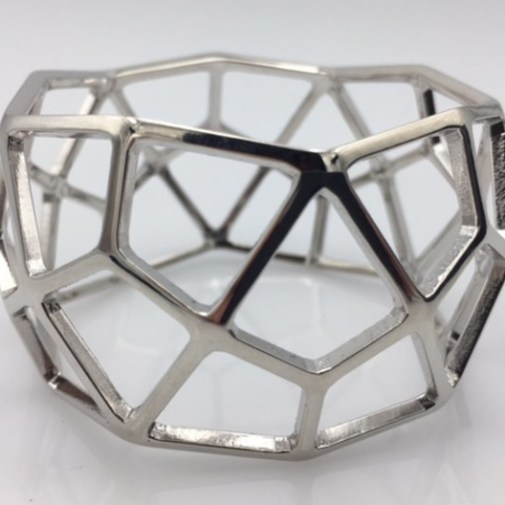
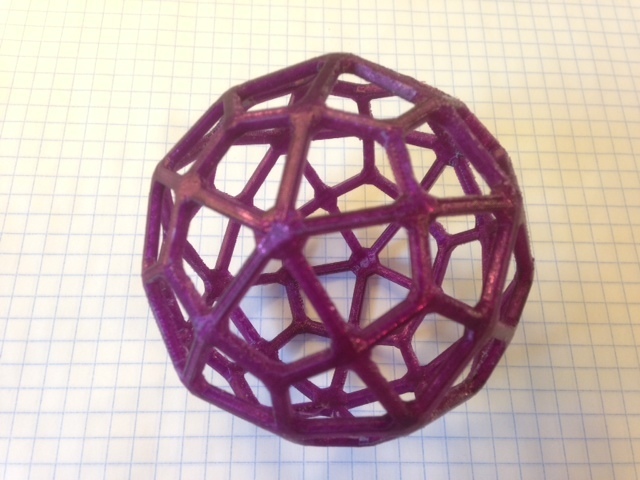
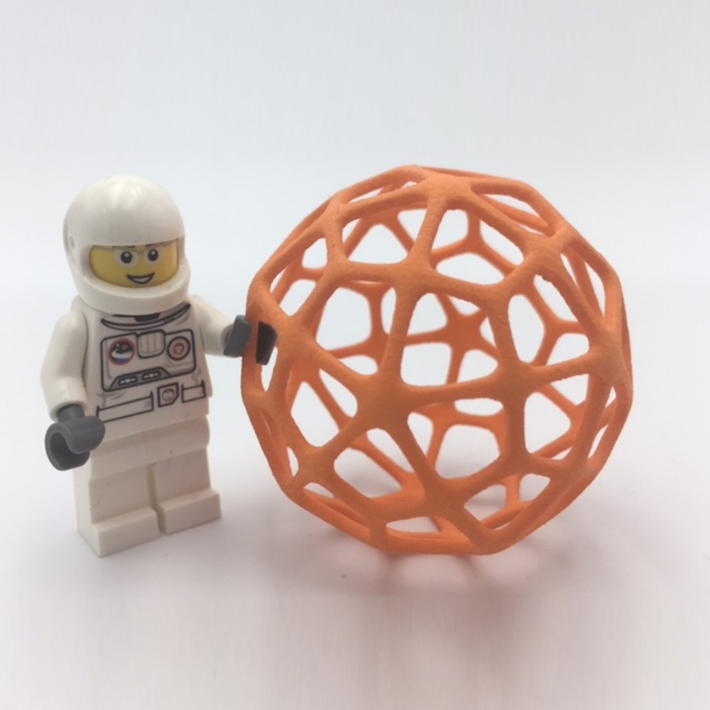
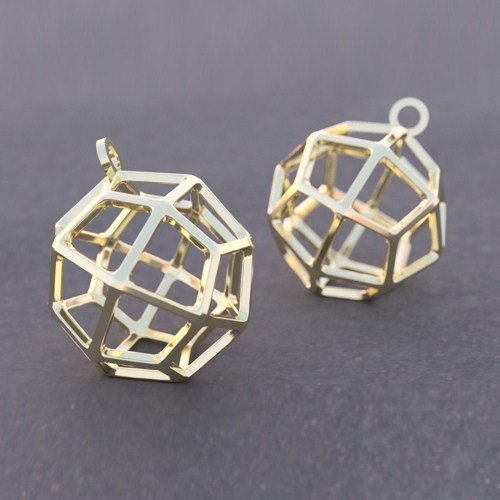
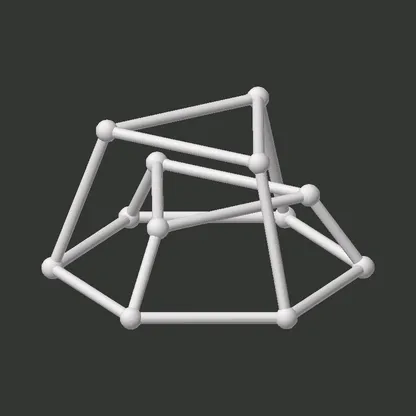
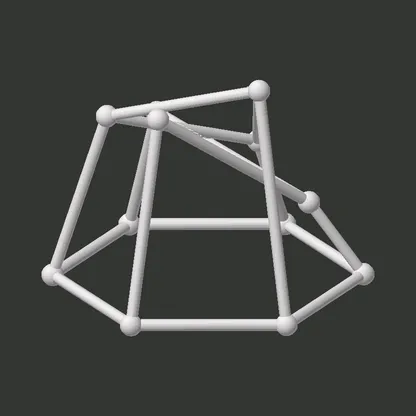
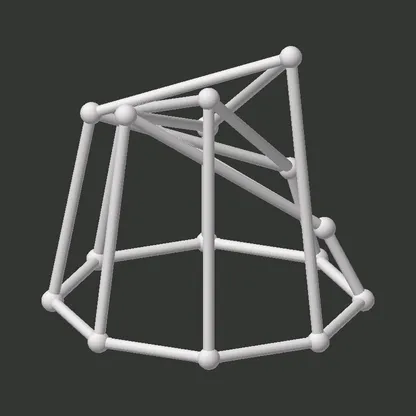
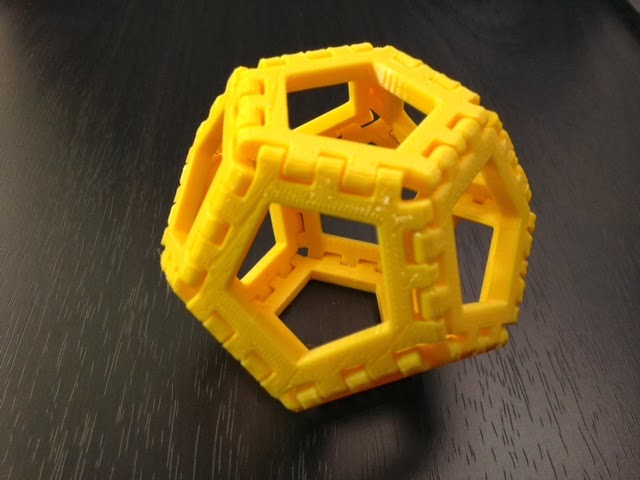
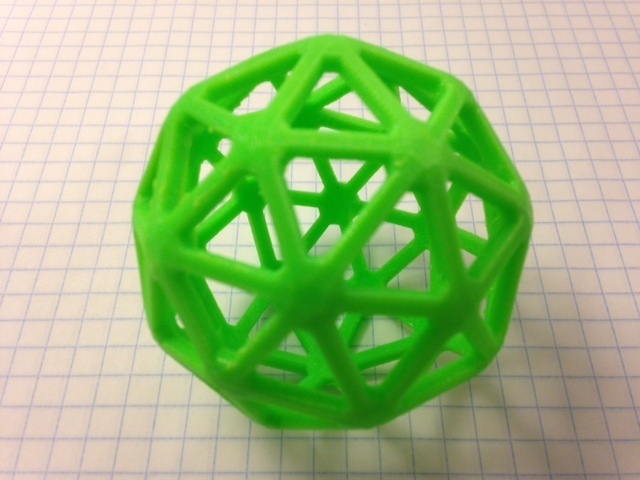
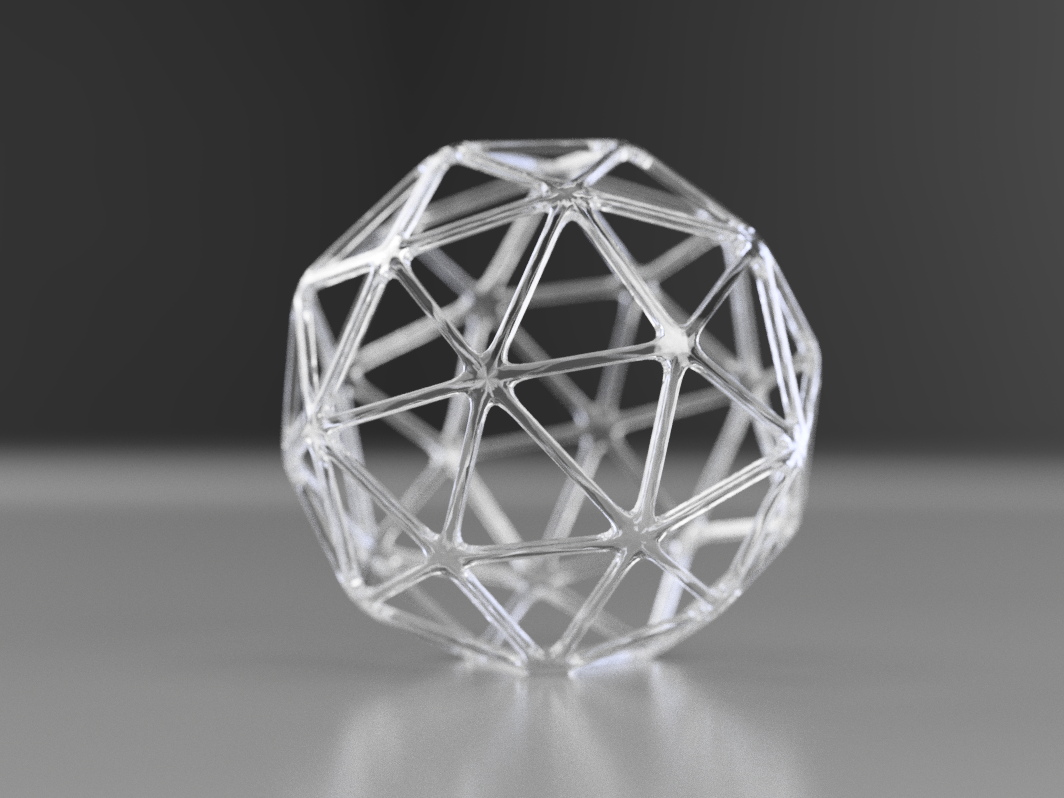
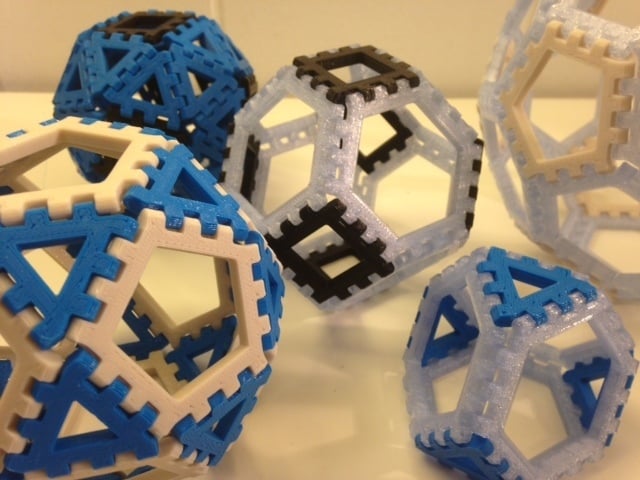
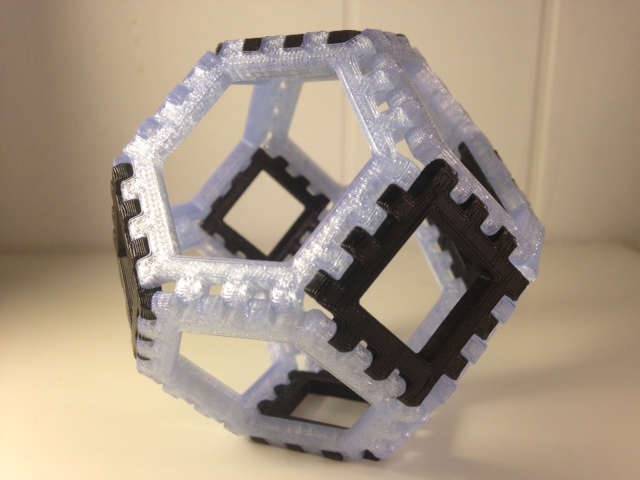
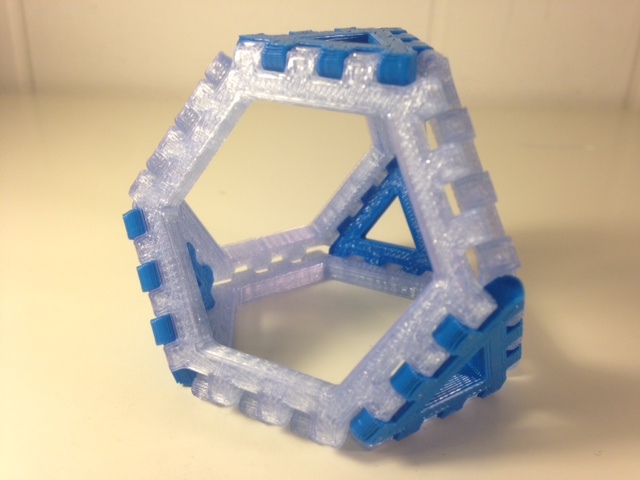
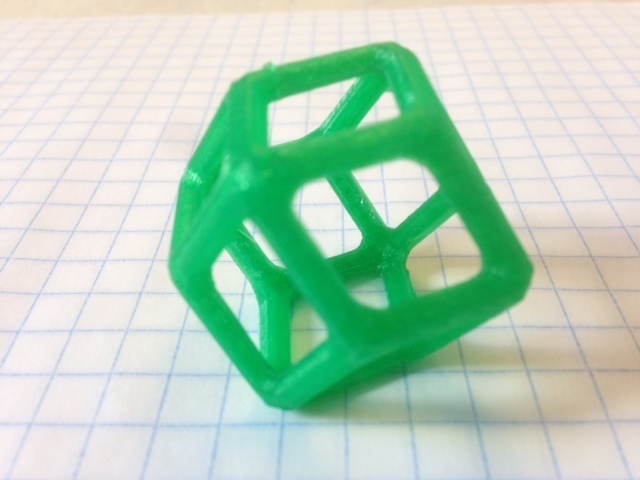
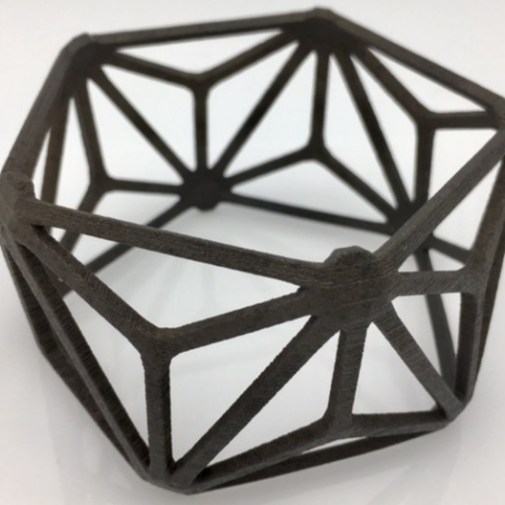
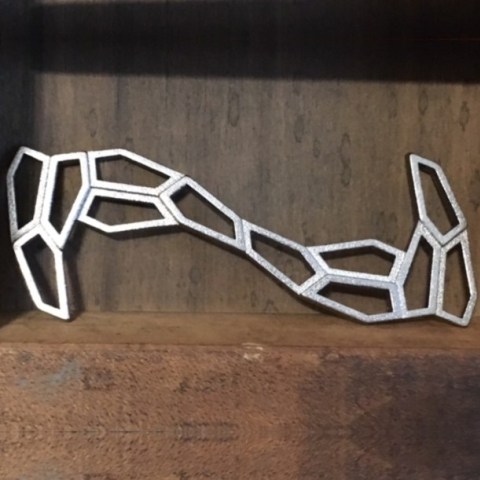
A stylized 3D-printed wireframe of a Catalan solid, part of the traveling Polyplane installation.
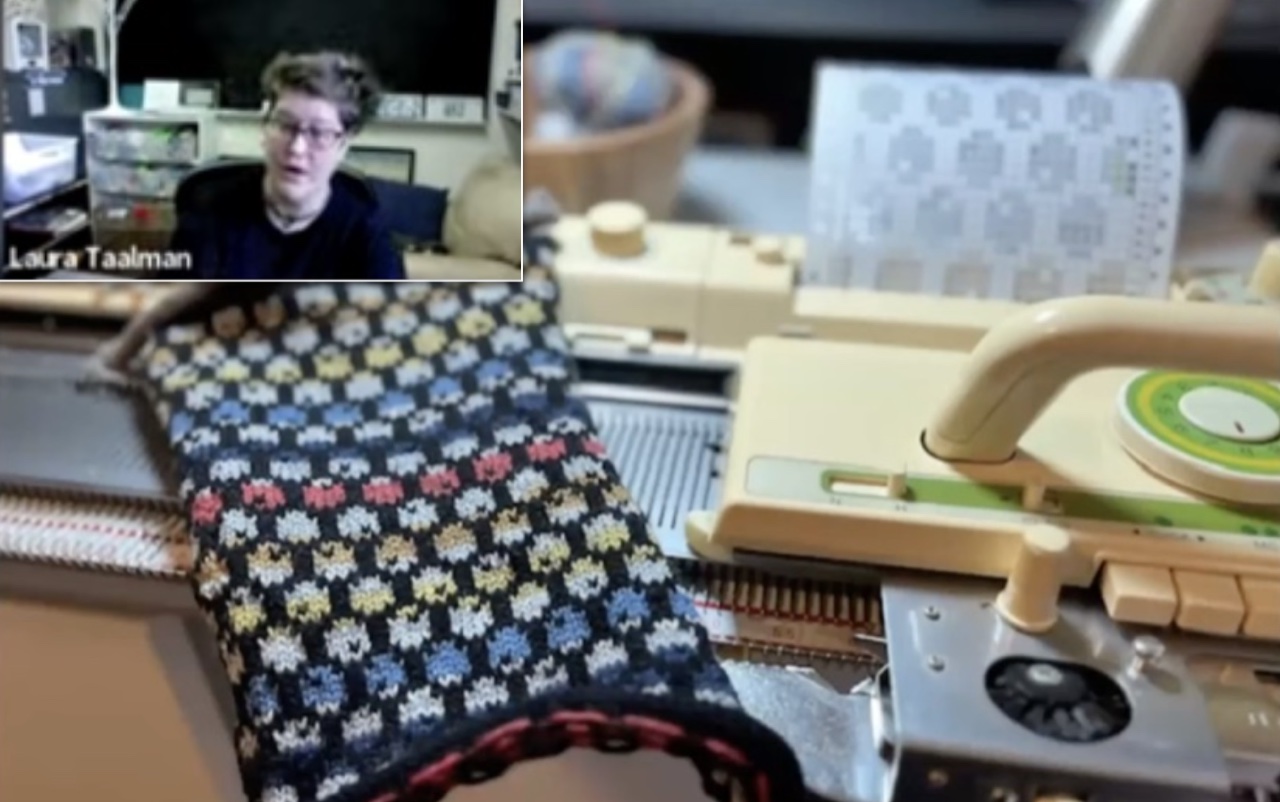
Illustrating Math Seminar
Combining mathematics, technology, and craft to produce physical and visual artifacts that help us discover and explore new ideas.
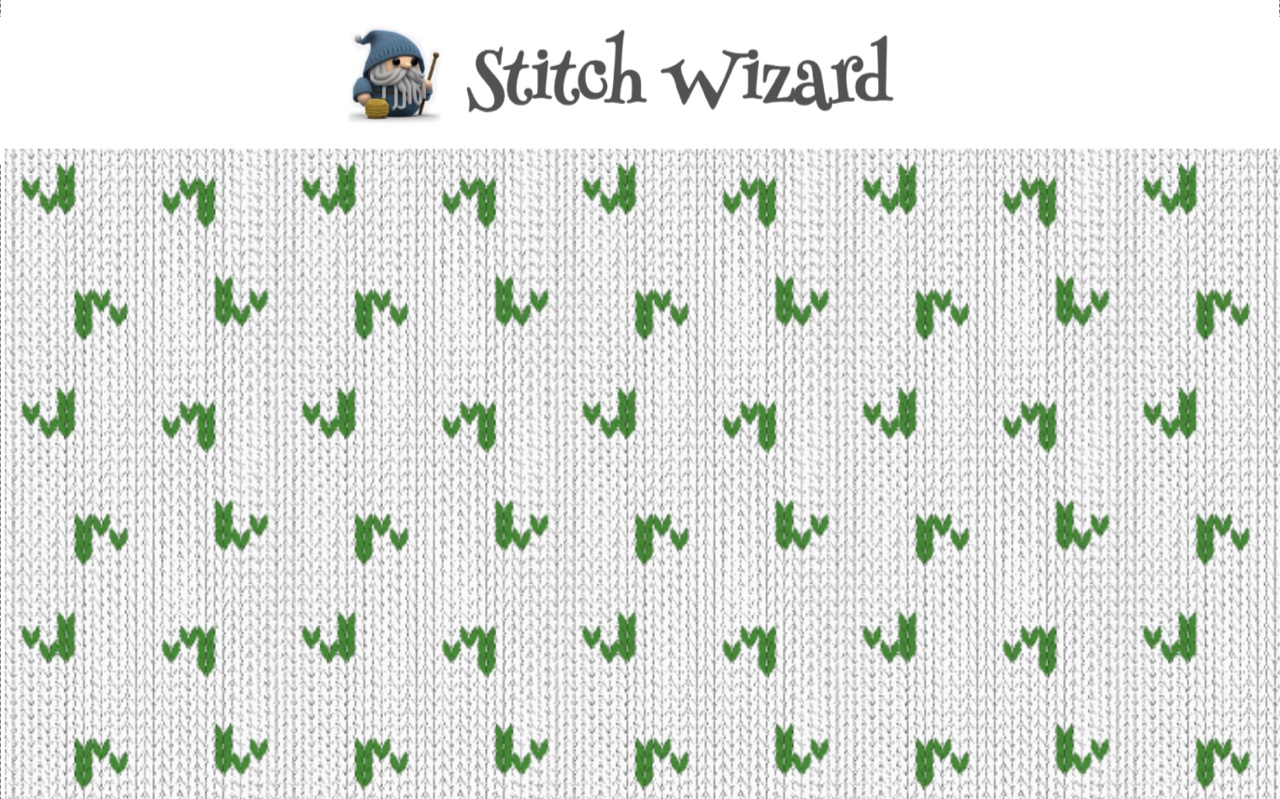
stitchwizard.app
Cast mathematical spells to create stitch patterns! This app uses cellular automata, sequences, and Conway's Game of Life to create complex knitted motifs.
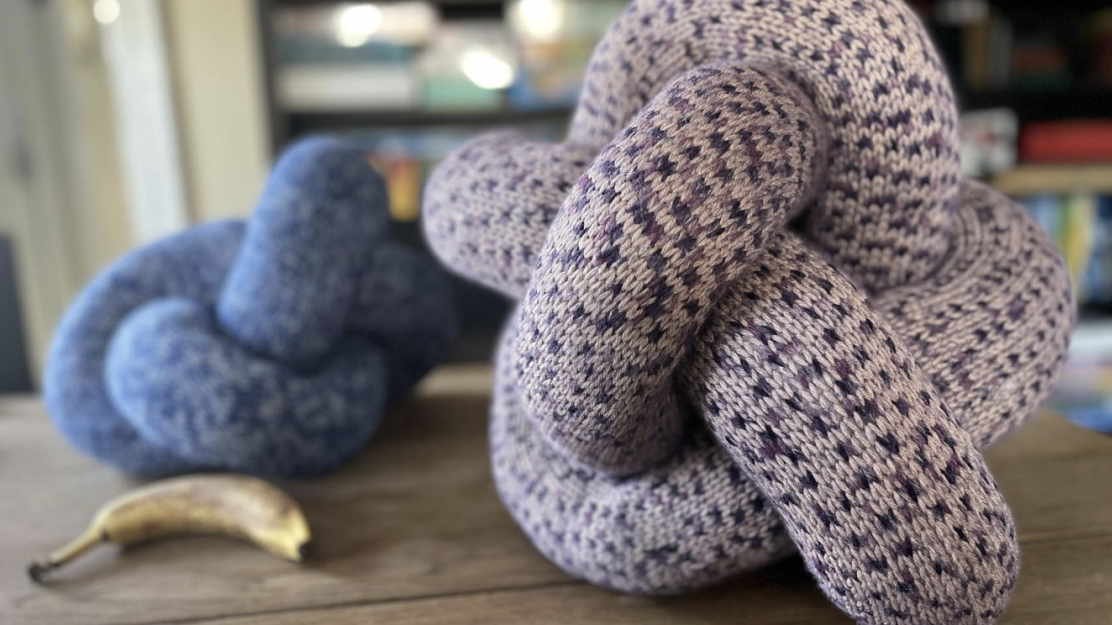
Proceedings of Bridges Halifax
A minimum-ropelength method for machine knitting huggable, large-scale soft sculptures of knots.
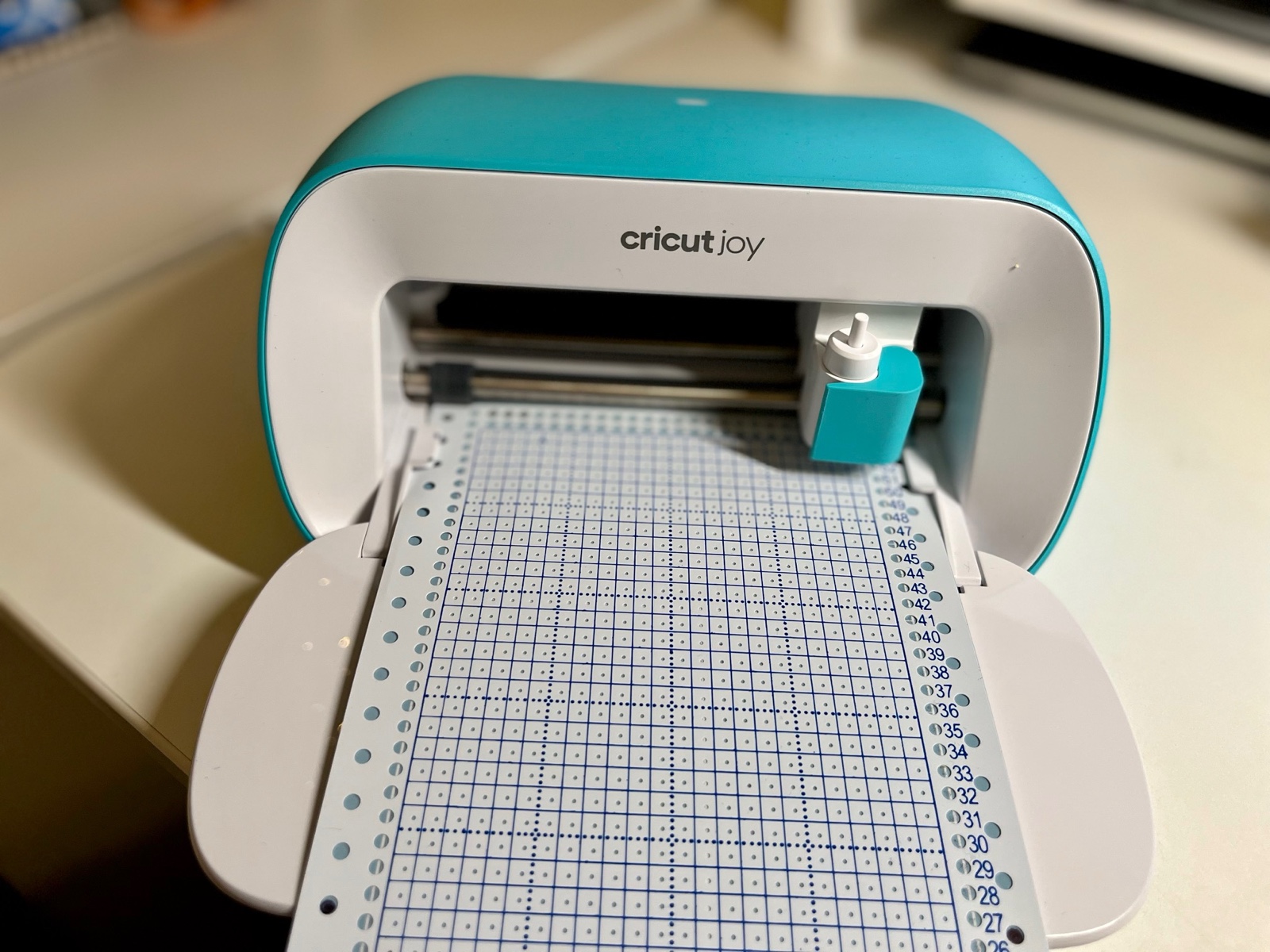
Step-by-step instructions for using a Cricut Joy craft cutter to create machine knitting punch cards.
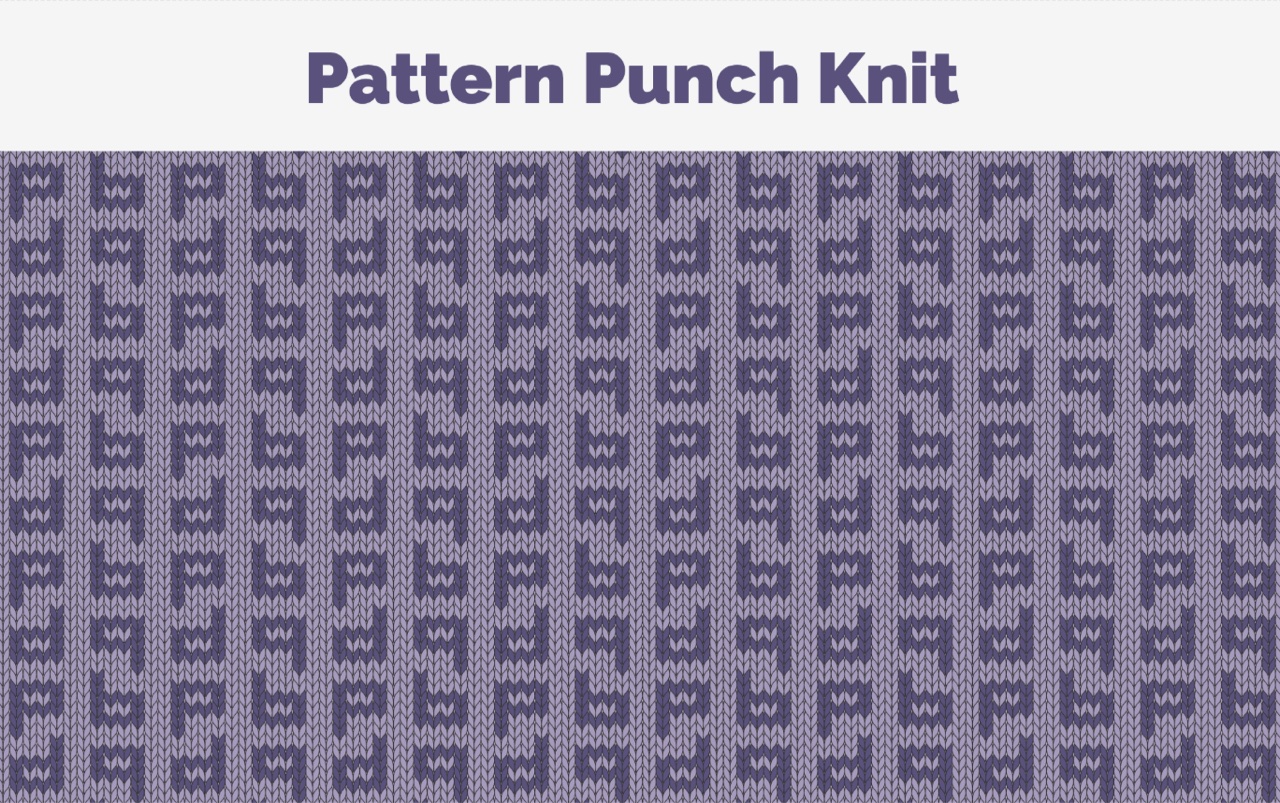
patternpunchknit.com
Use mathematical tools like wallpaper patterns and wave collapse algorithms to create, visualize, and export patterns for knitting machine punch cards.
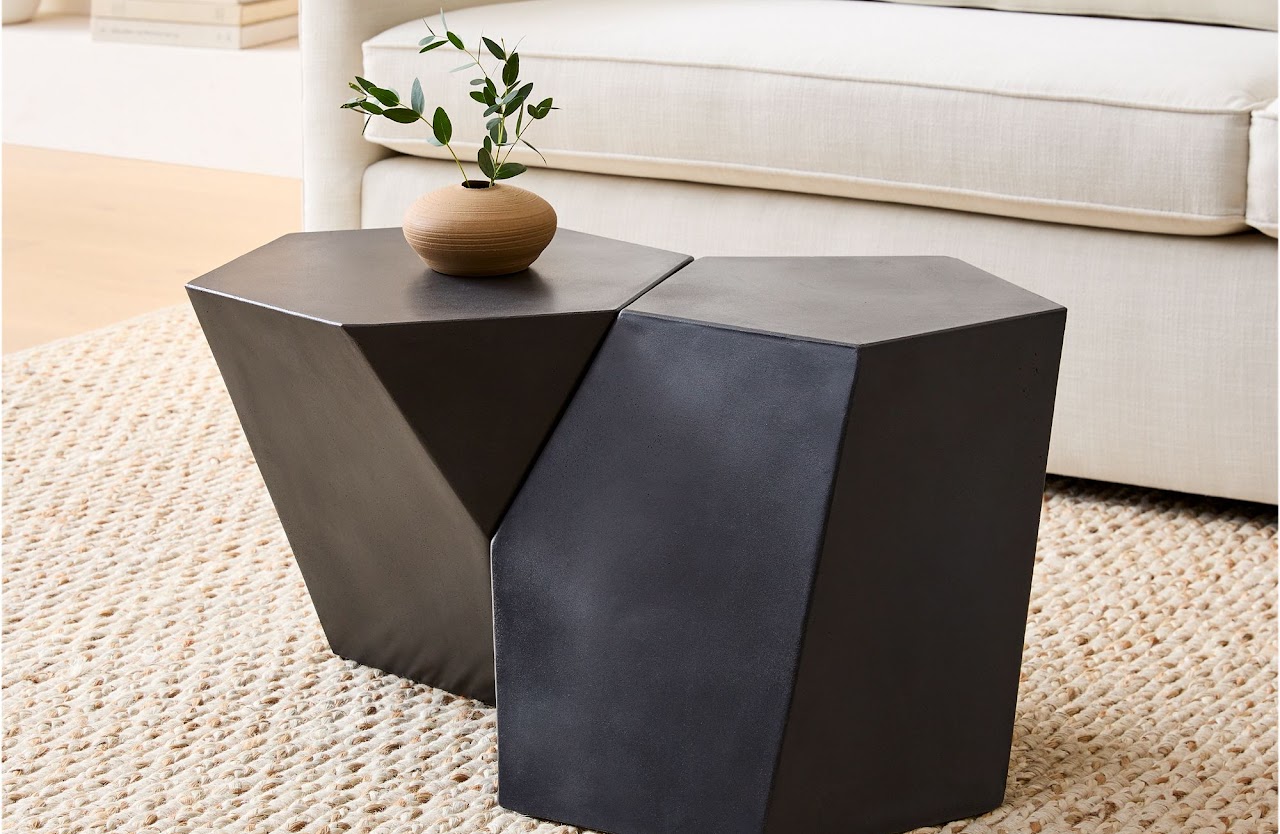
West Elm
A two-piece coffee table based on the scutoid, an epithelial-cell-packing solid, cast in recycled concrete by Patrick Cain Designs.
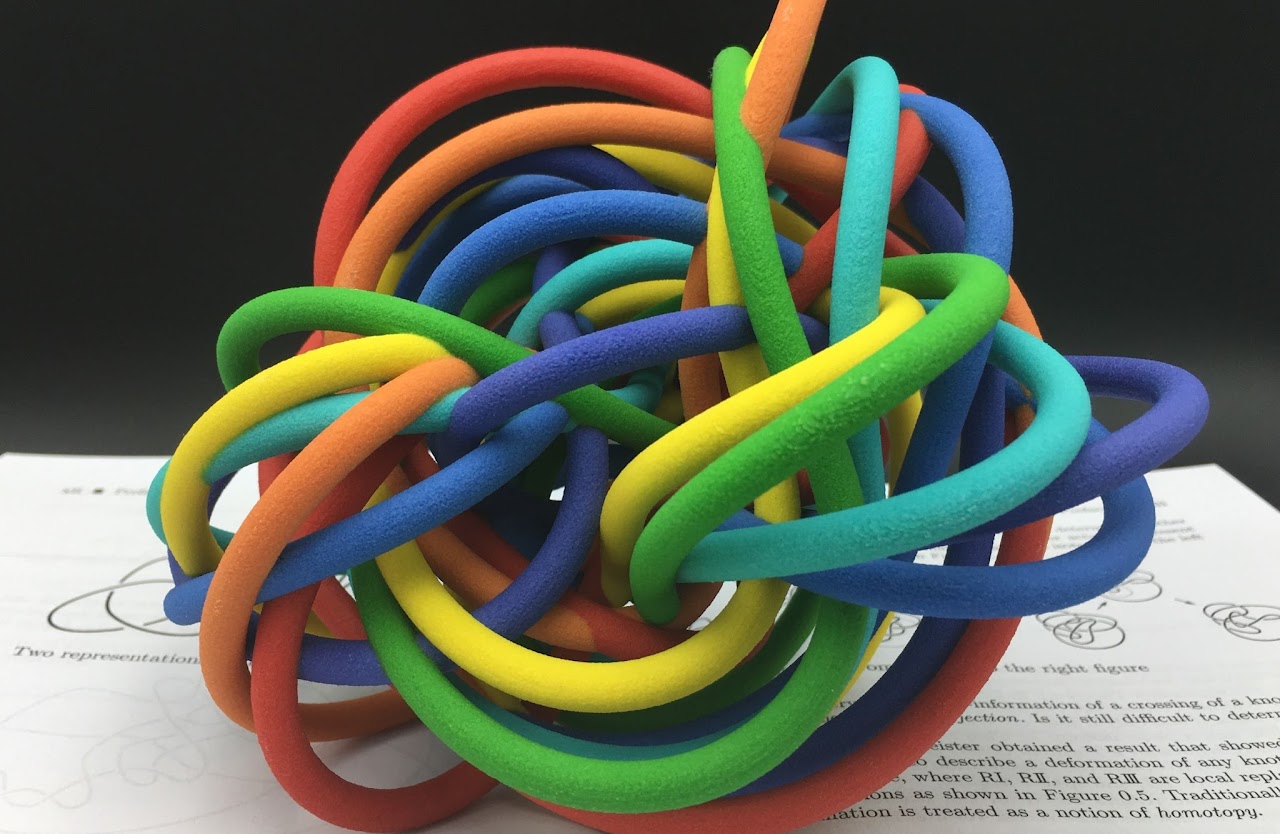
AMS Math Imagery Calendar
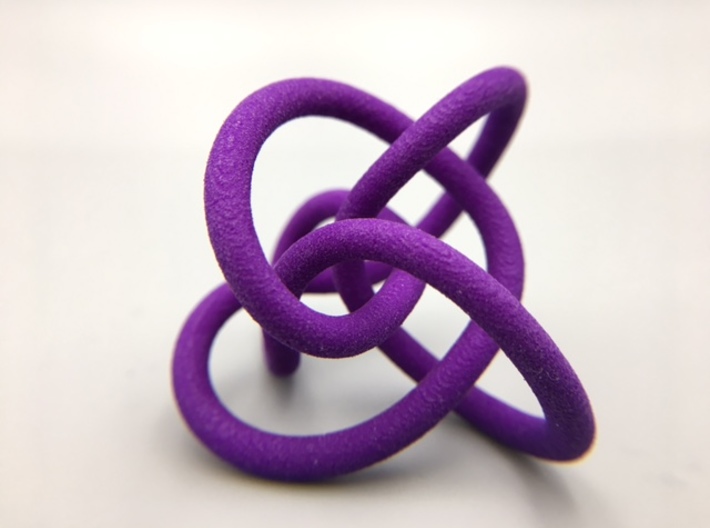
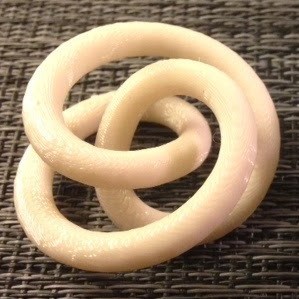
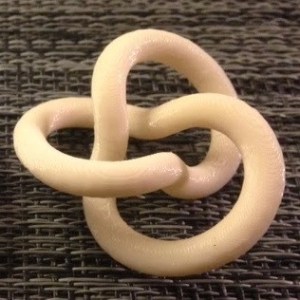
A full-color 3D print morphing continuously between spatial conformations of the famously equivalent Perko Pair knots.
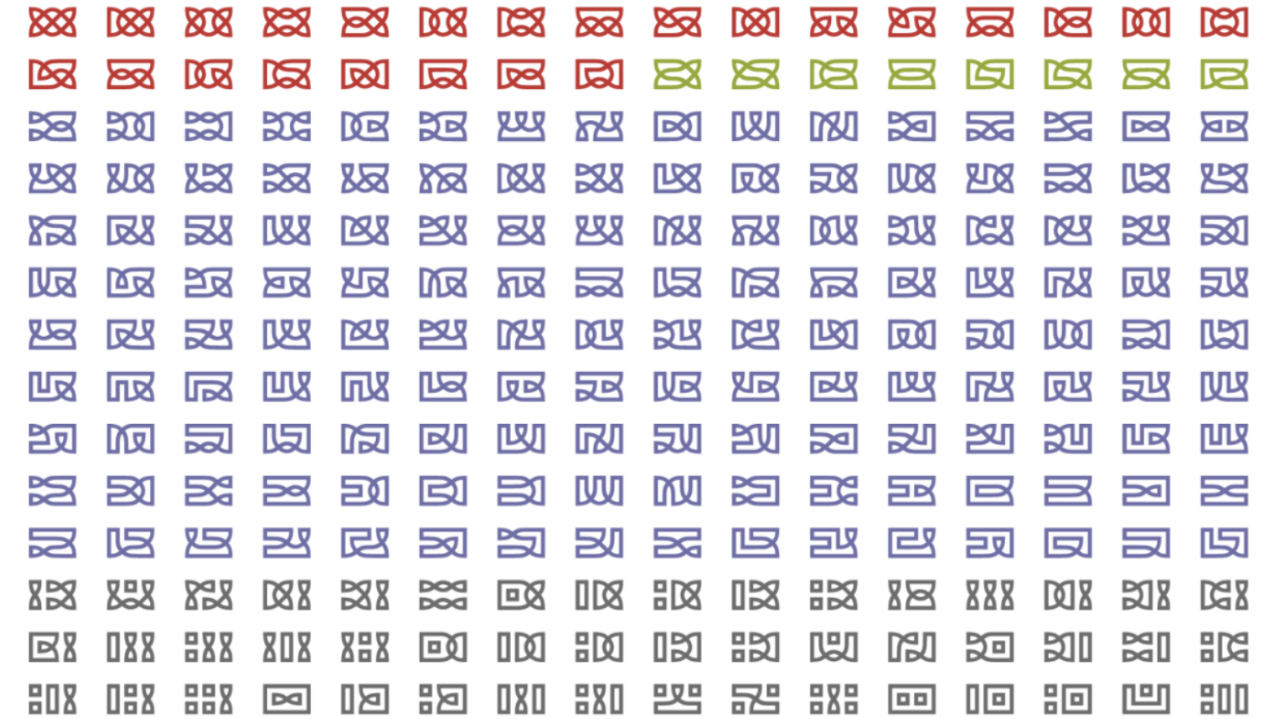
Proceedings of Bridges Aalto
A filtered enumeration and categorization of various families of rectangular Celtic knot designs and their Hamming graphs.
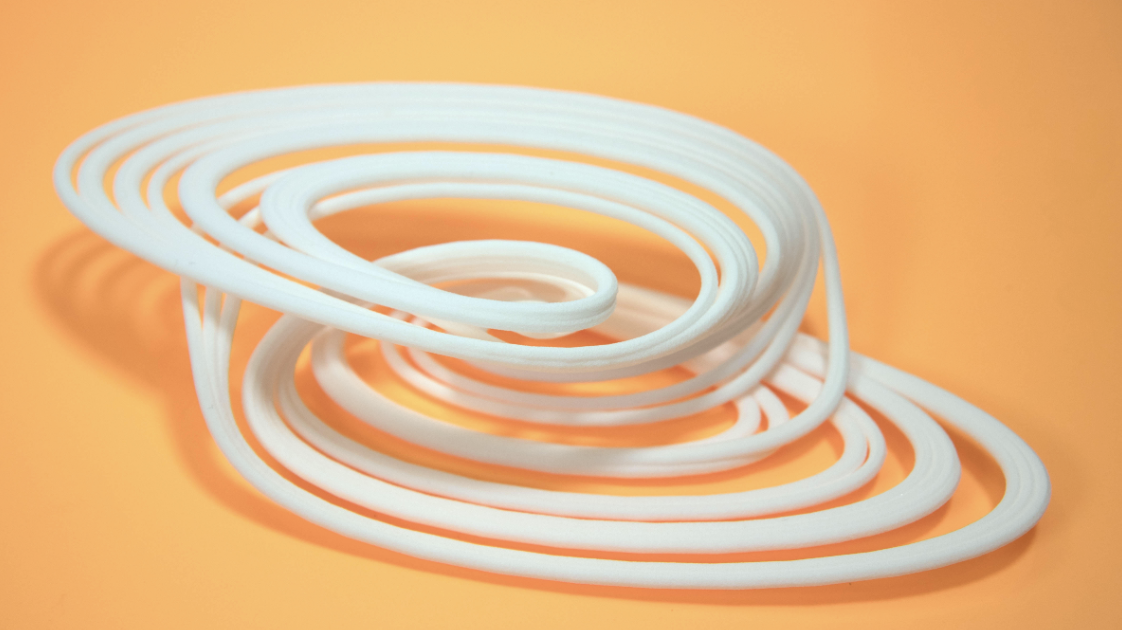
Notices of the AMS, cover
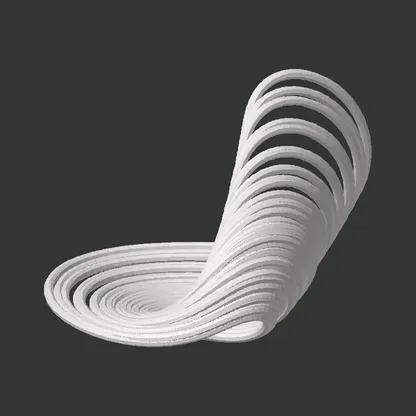
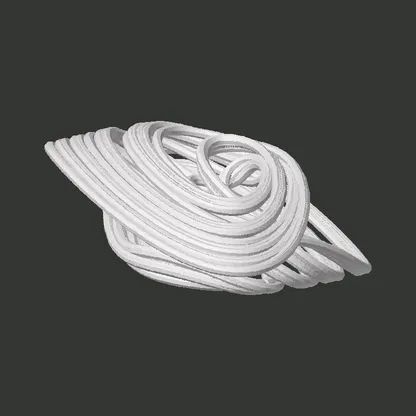
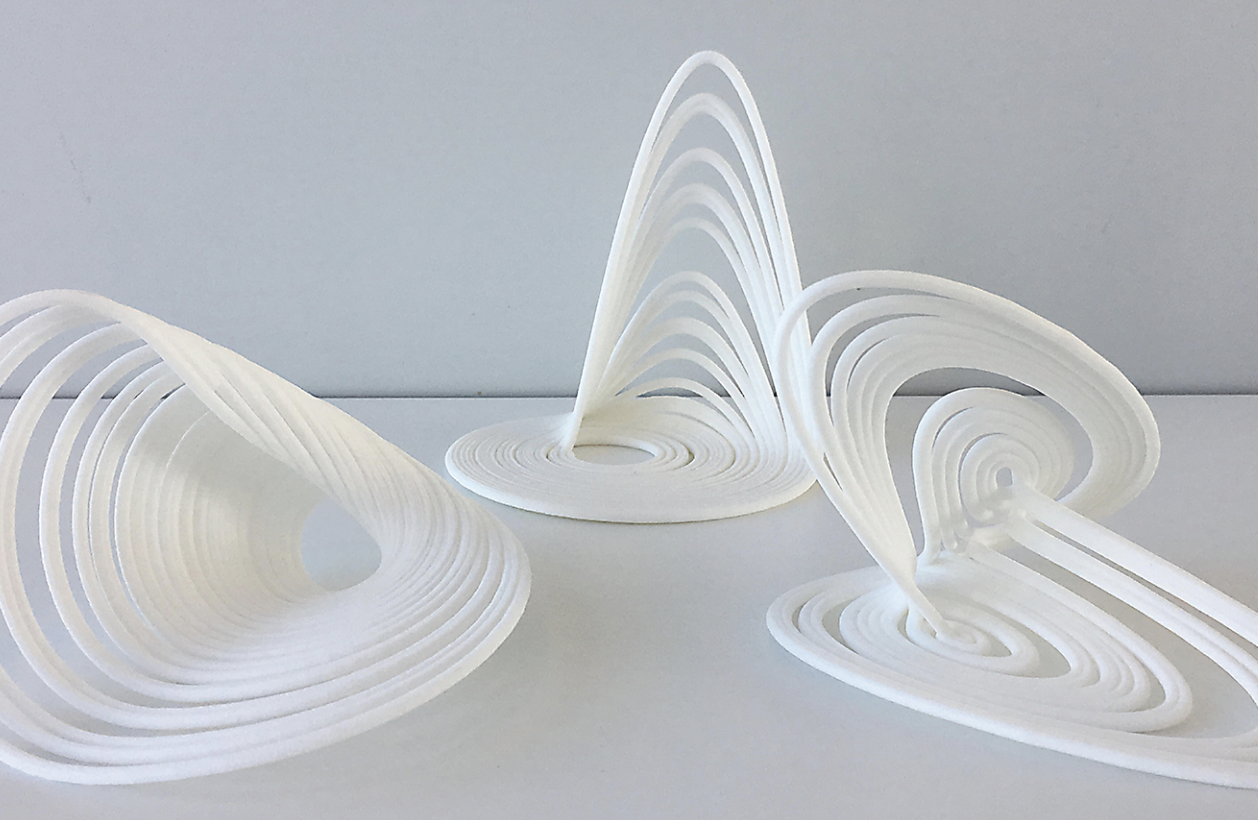
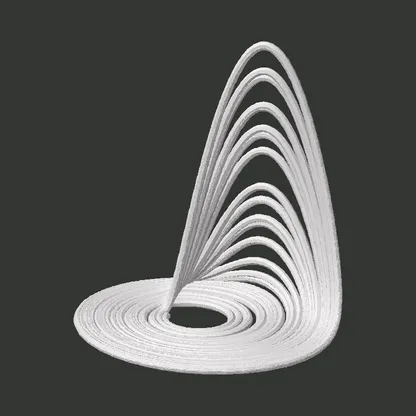
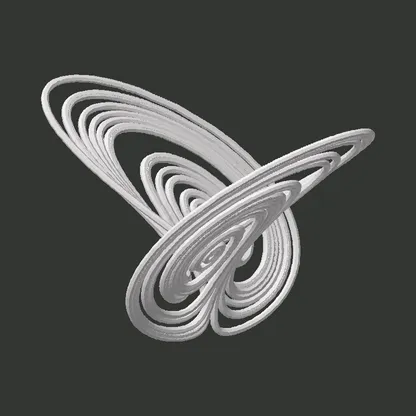
A mixed-curvature method for turning chaotic attractors and other dynamical systems into reliably printable 3D models.
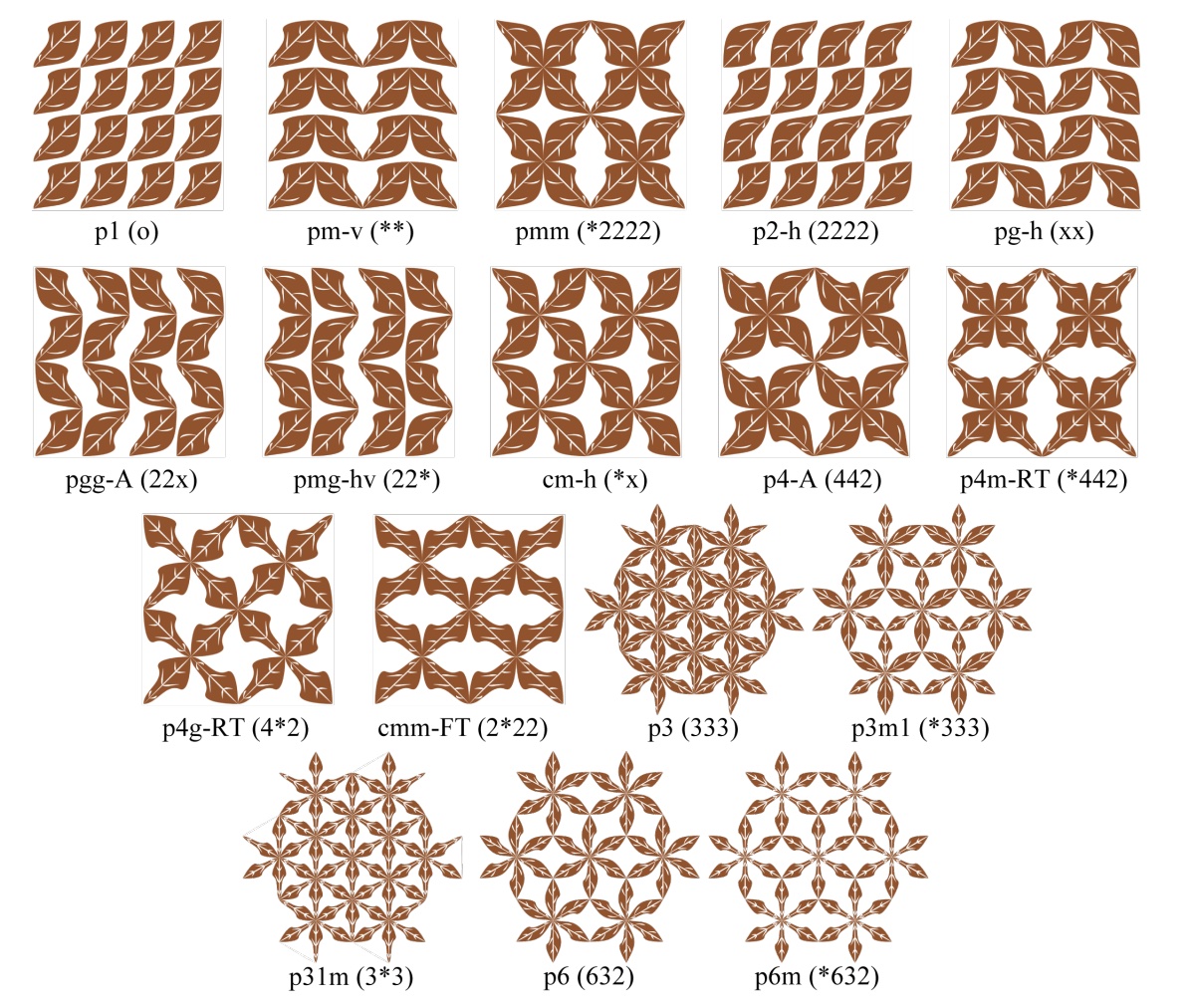
Proceedings of Bridges Aalto
An enumeration of all plane lattice symmetries that can be generated from square tiles using lattice translations and symmetries.
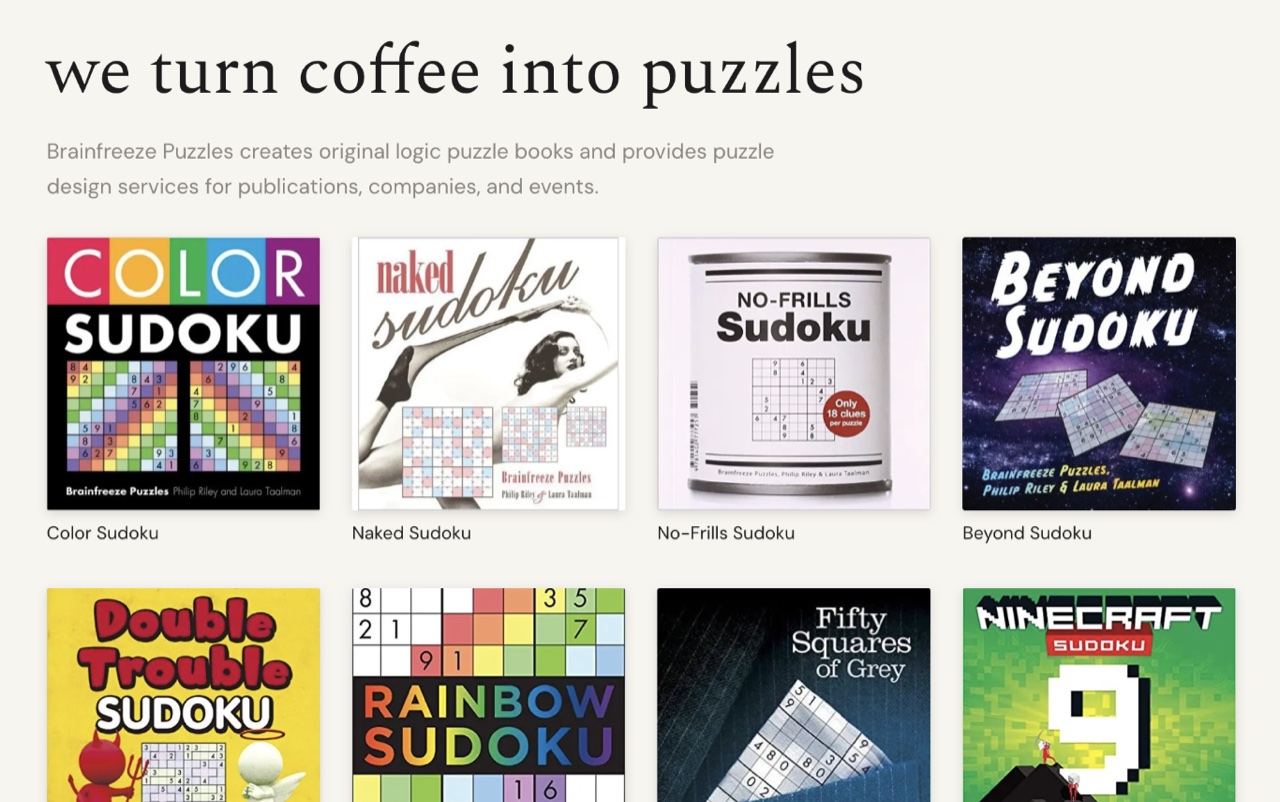
We turn coffee into puzzles! Brainfreeze creates original logic puzzle books and provides puzzle design for publications, companies, and events.
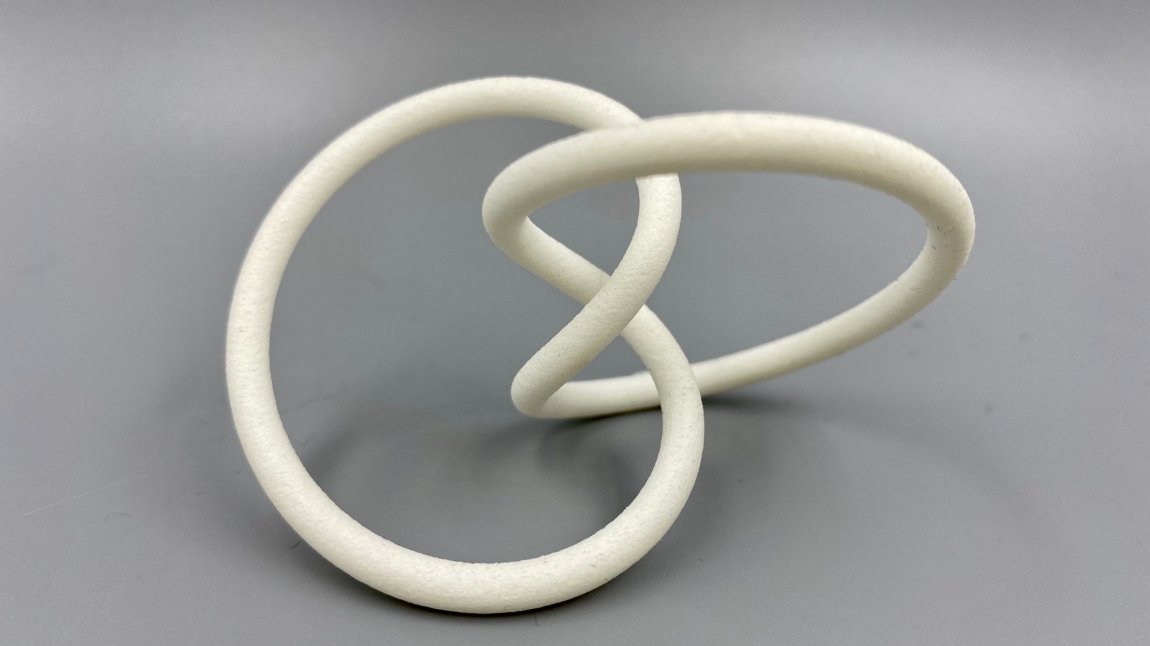
Proceedings of Bridges Aalto
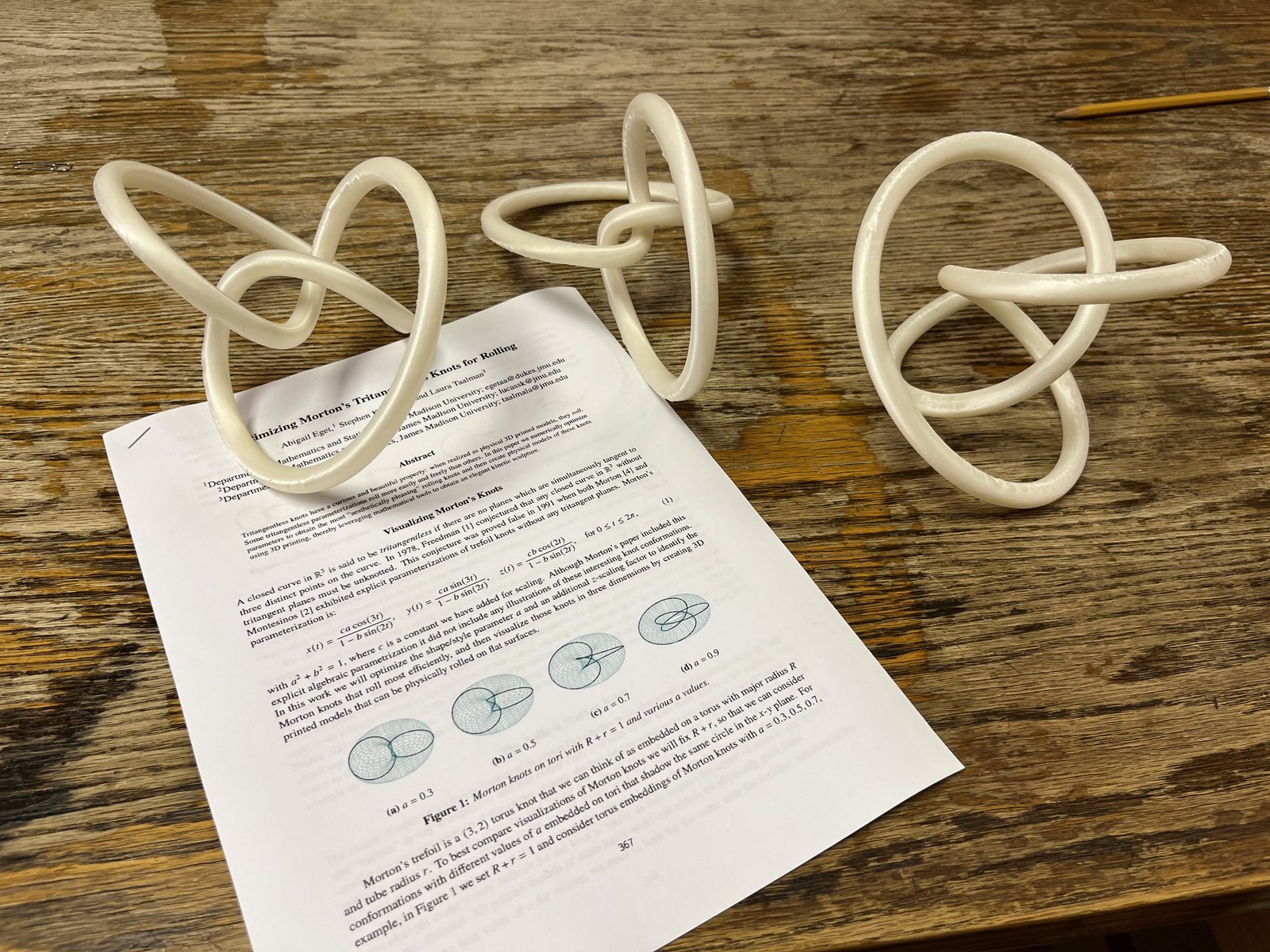
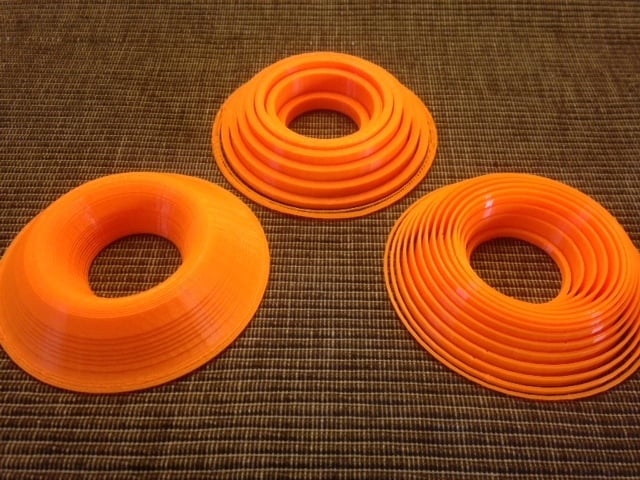
Mathematically optimized parameterizations of tritangentless knots that roll when realized as 3D-printed kinetic sculptures.
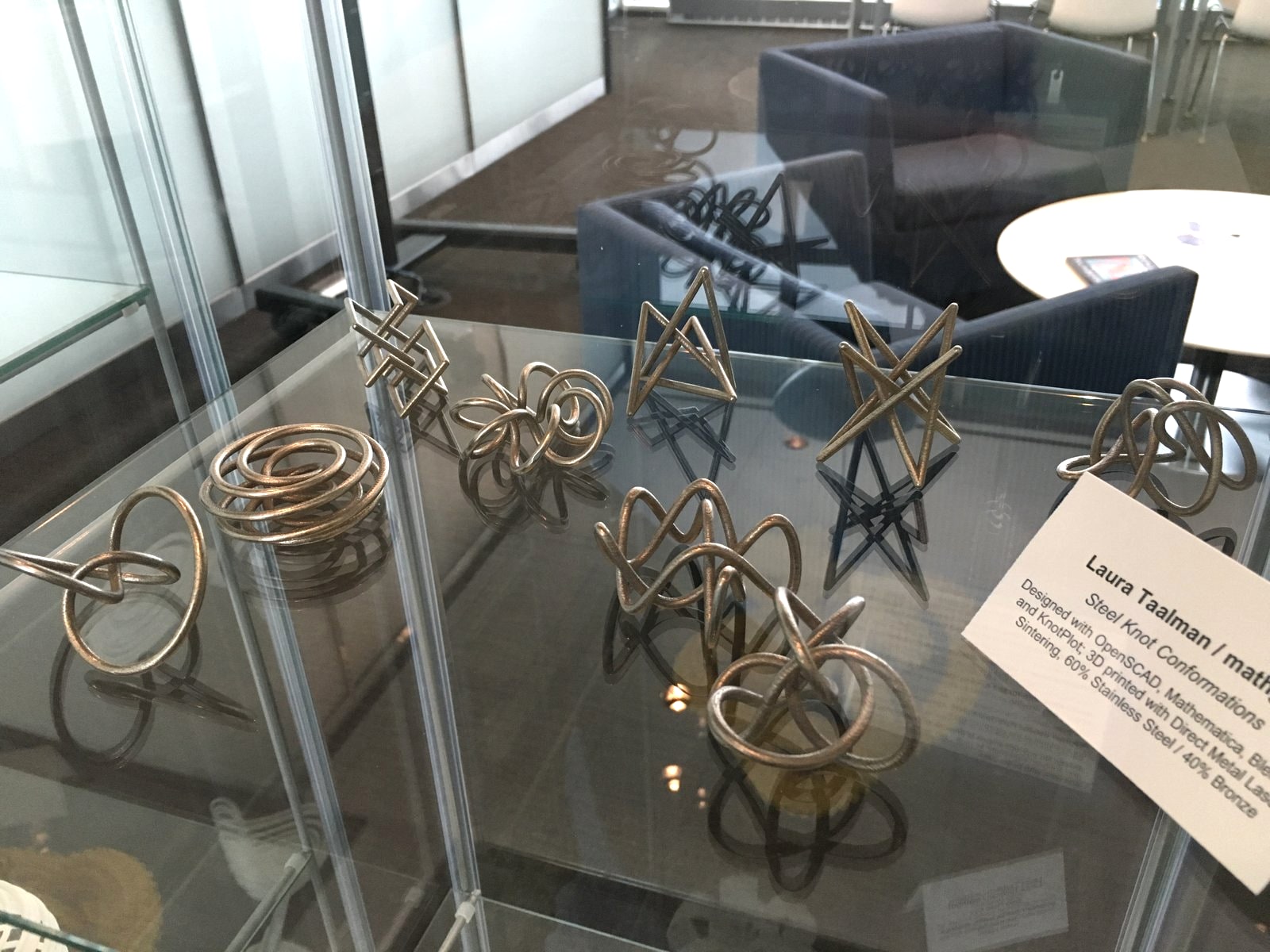
Flatland Gallery, Houston
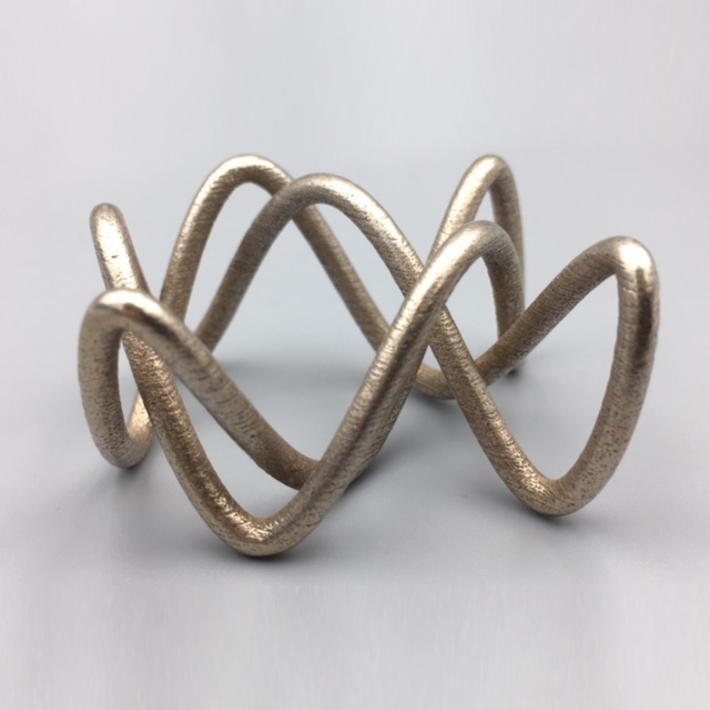
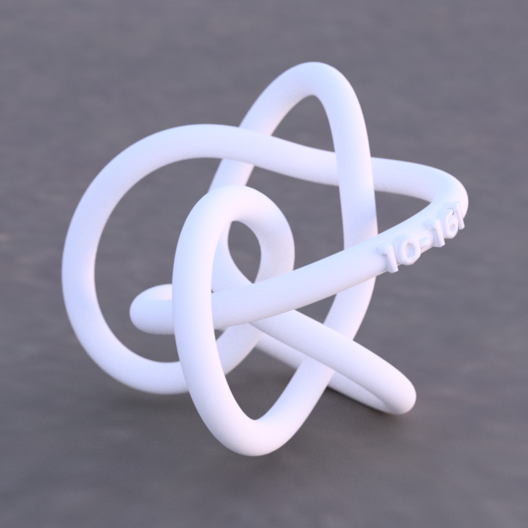
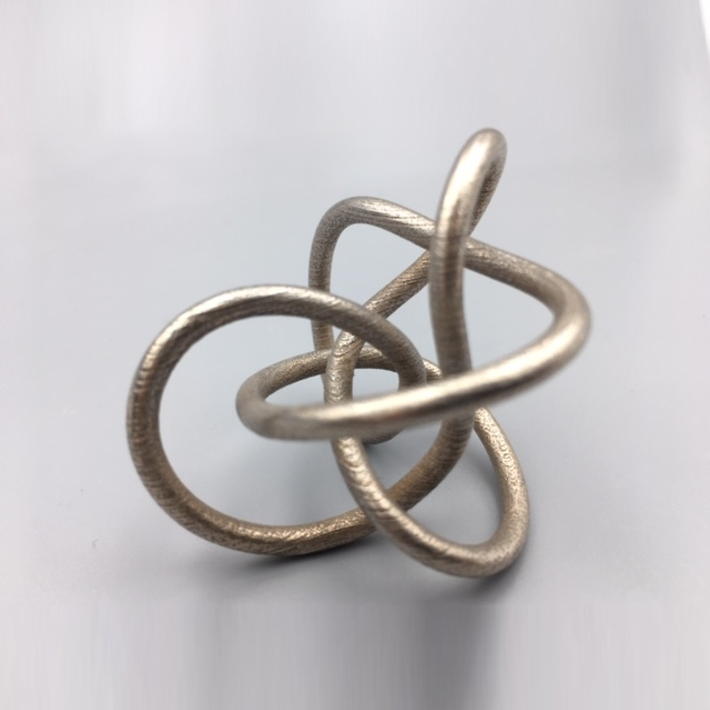
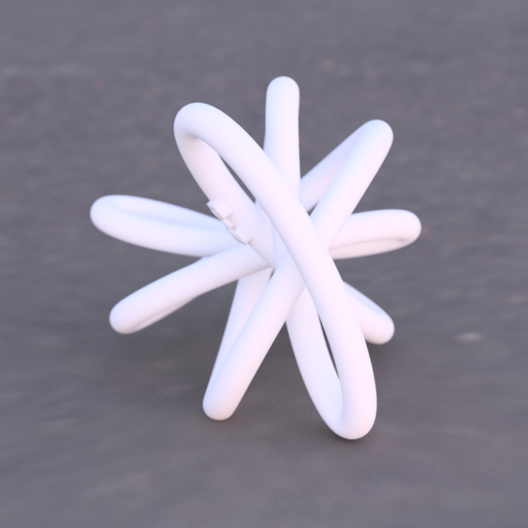
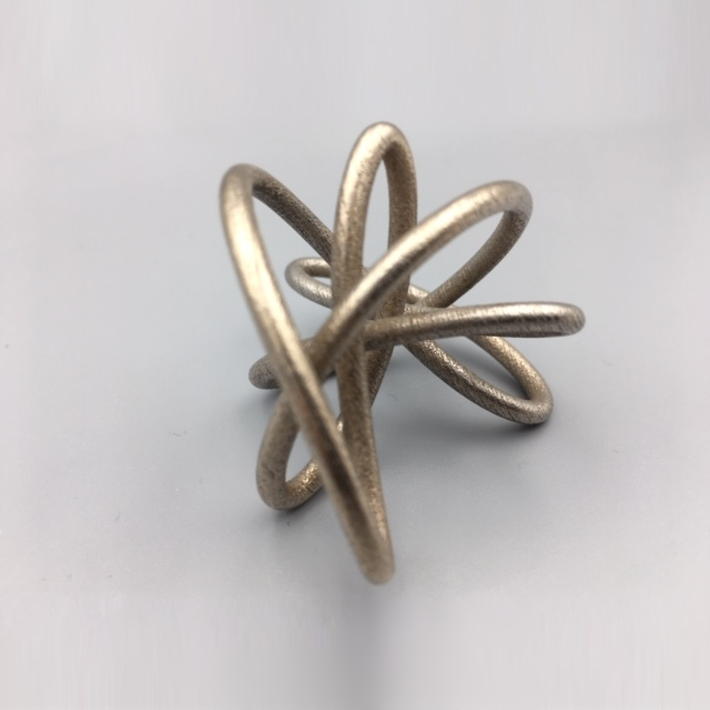
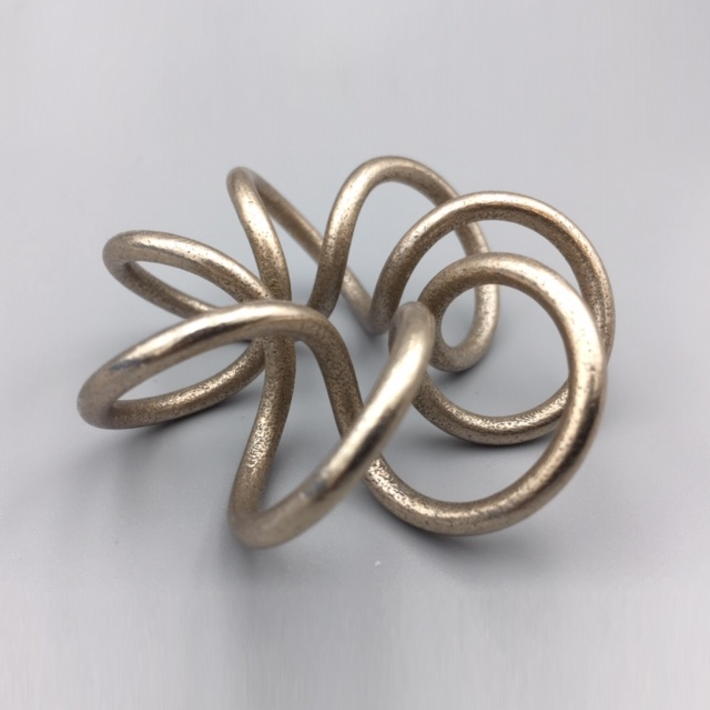
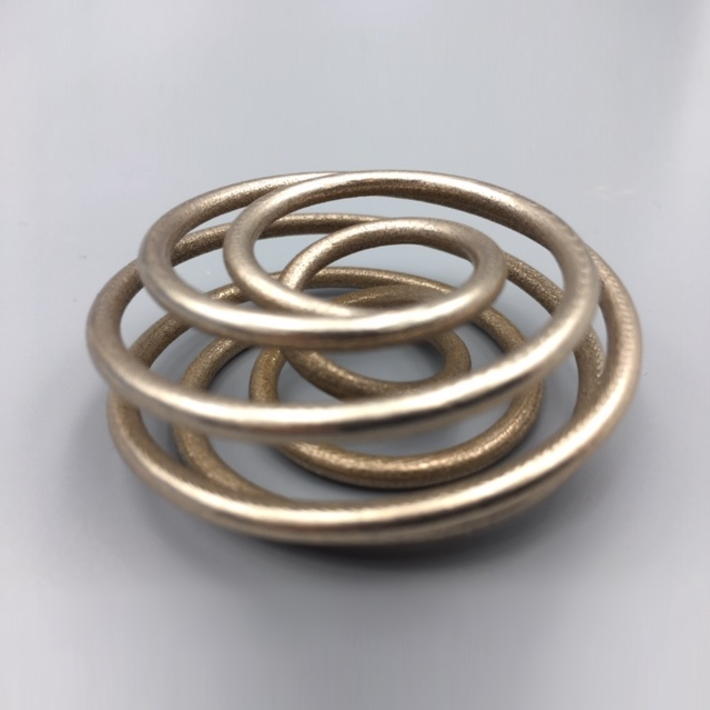
Stainless-steel 3D-printed knot conformations, each highlighting properties from the knot literature.
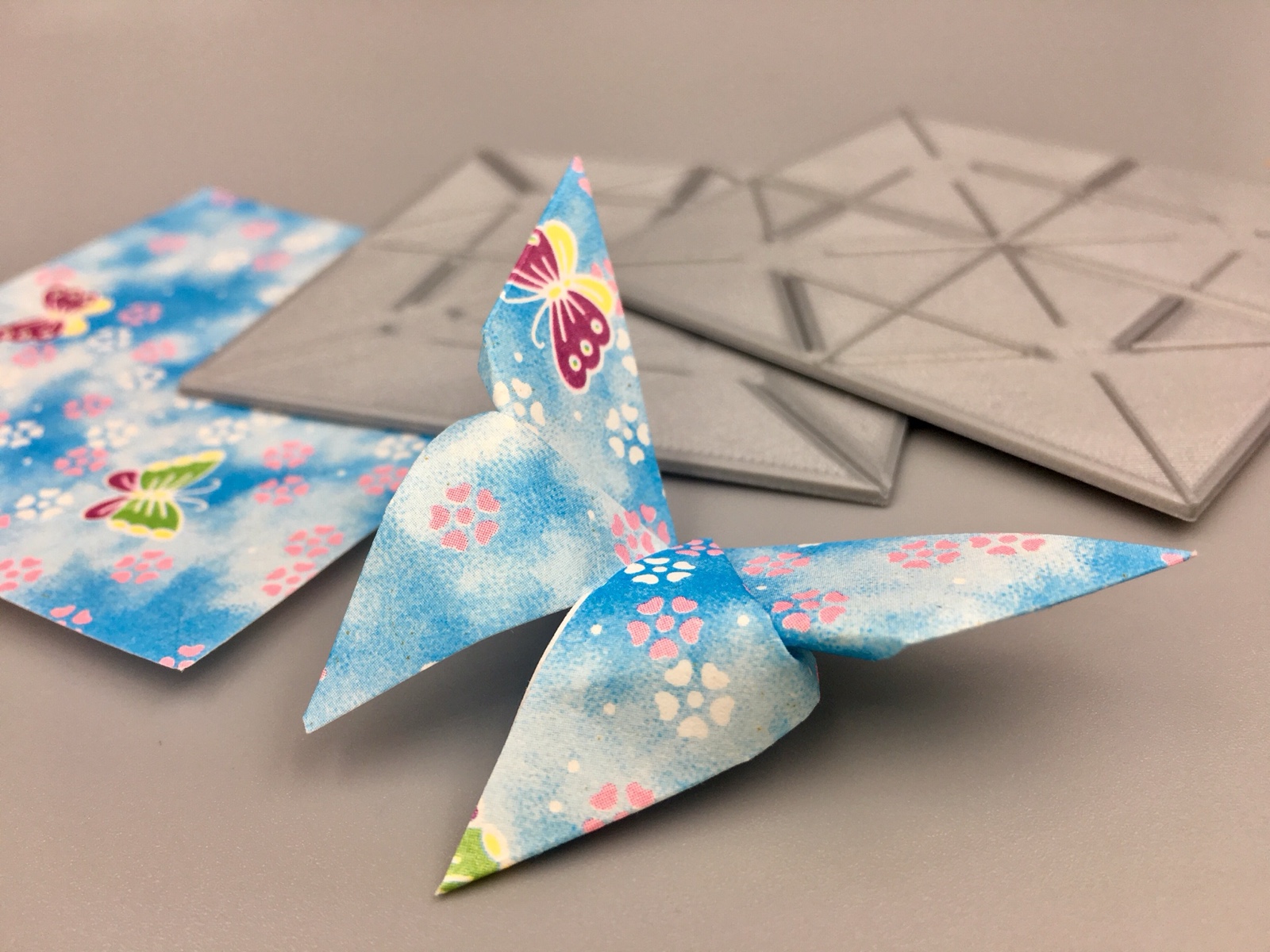
A 3D-printed origami press to assist with folding a beautiful and elegant butterfly model designed by Akira Yoshizawa.
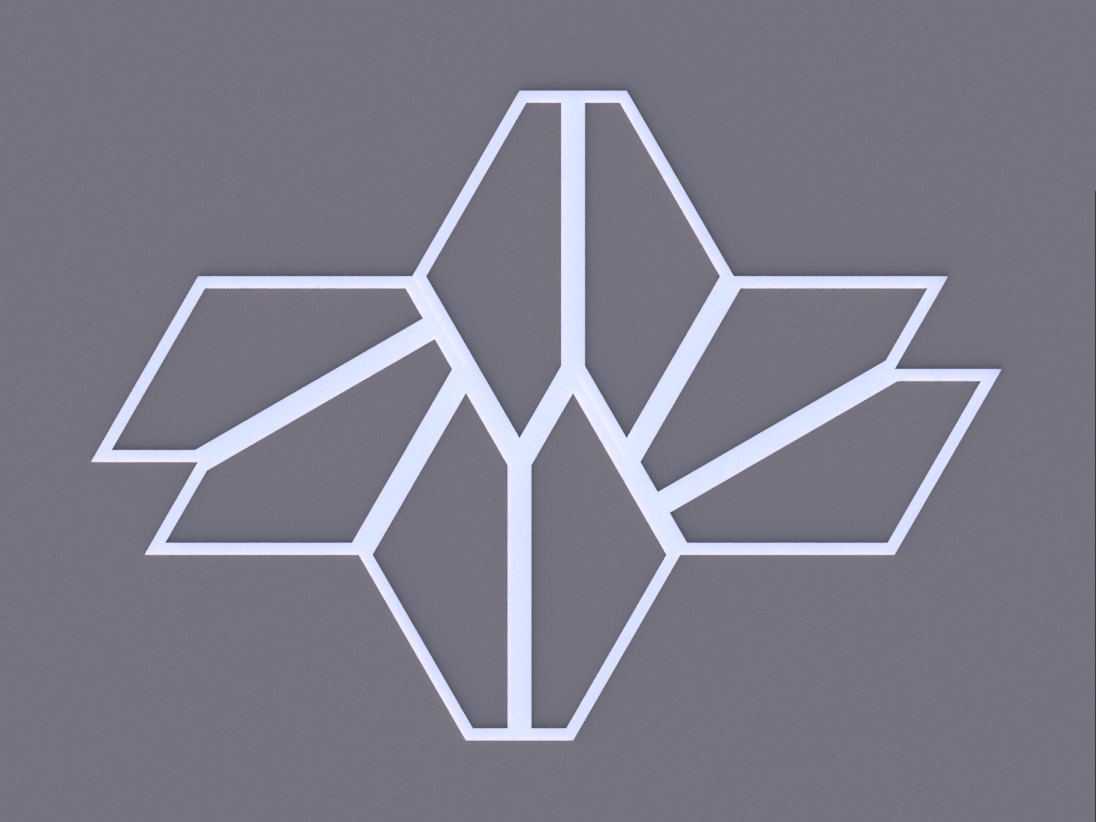
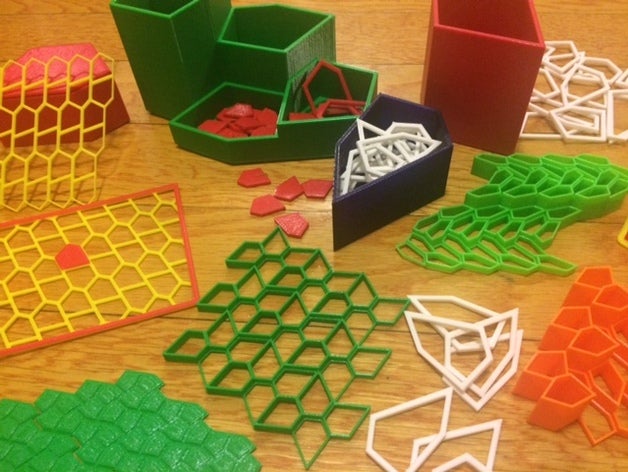
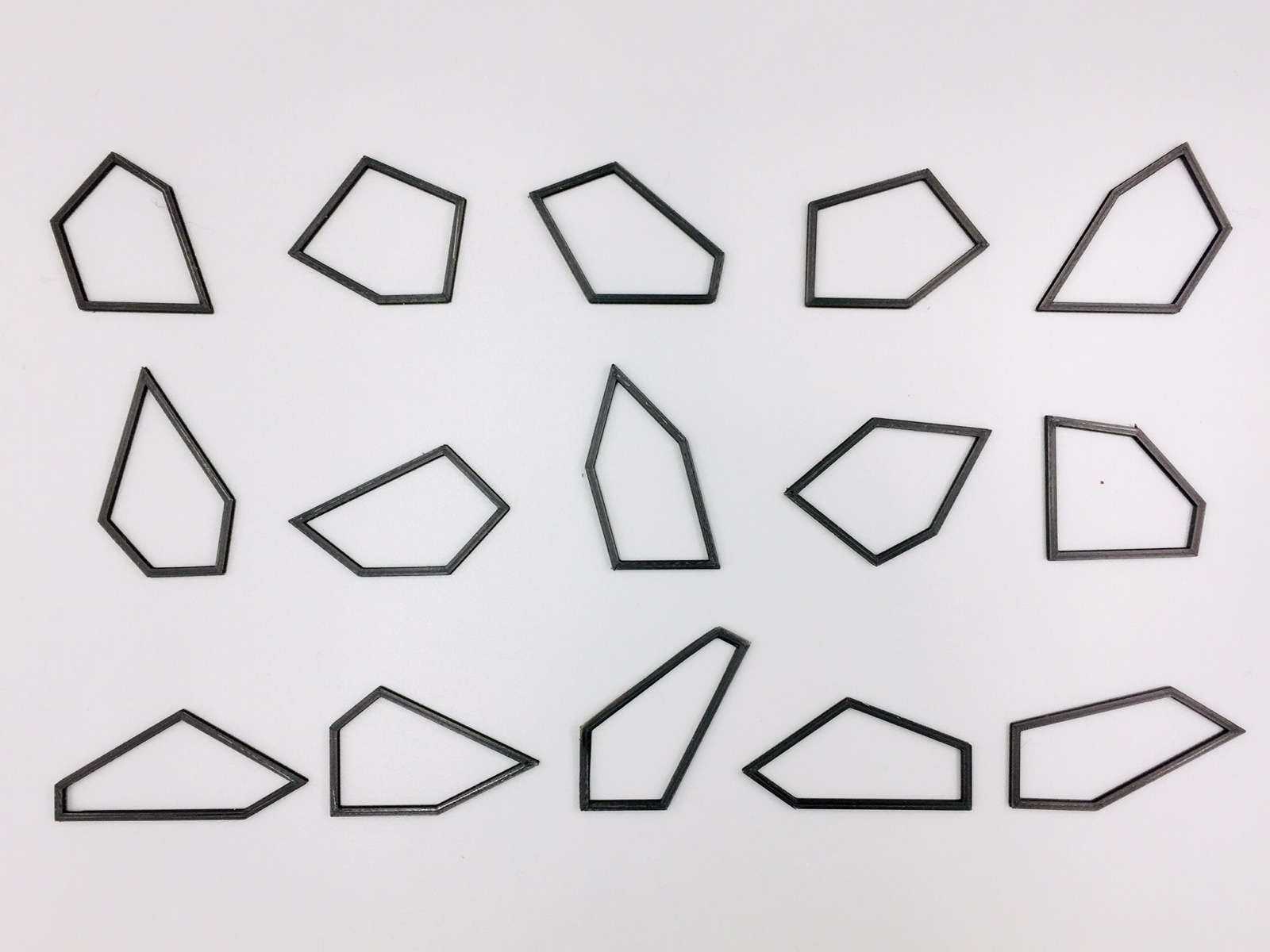
Bulk sets of all fifteen tessellating pentagon types, plus a walk through prepping a model into a finished, sellable product.
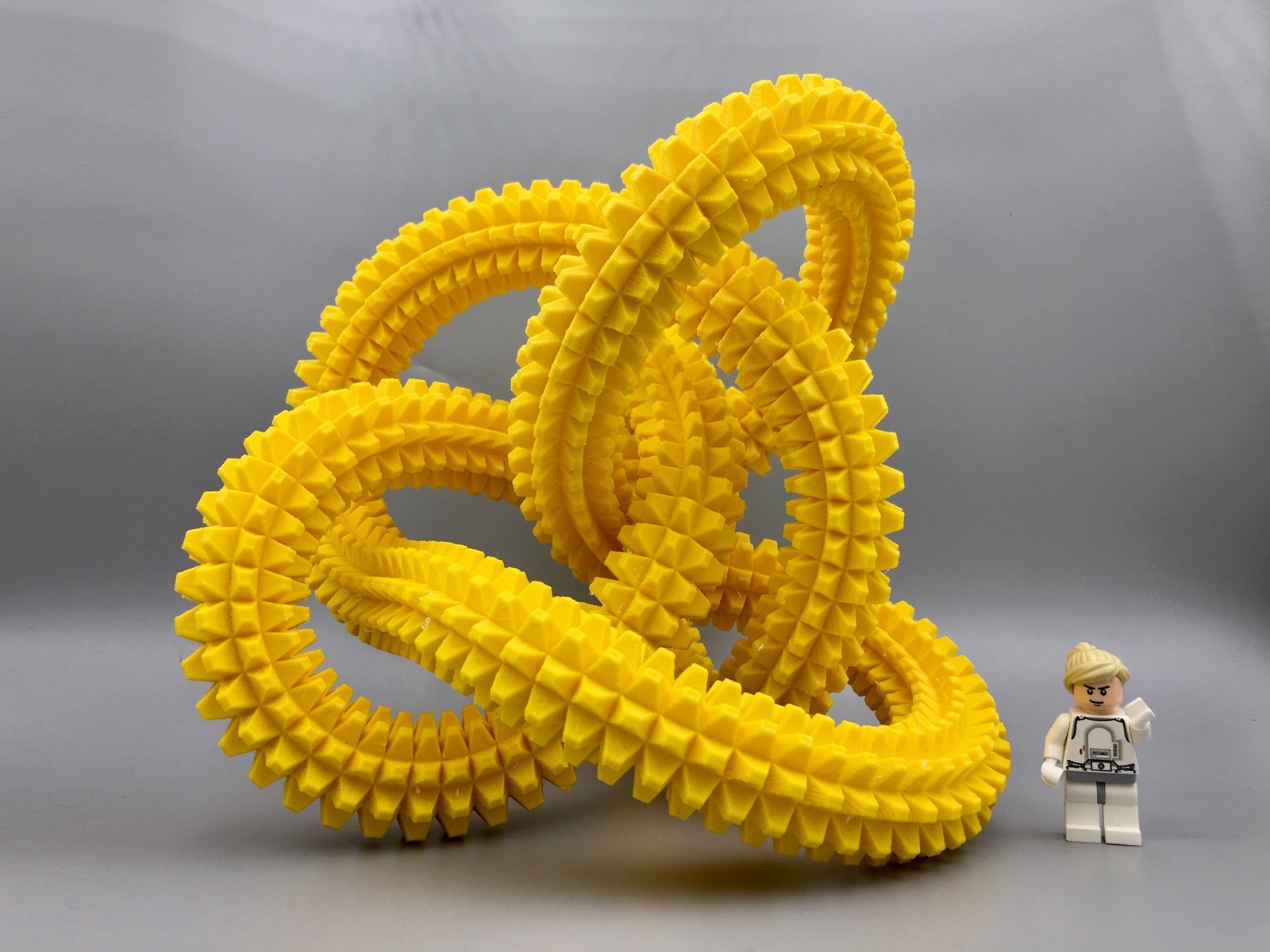
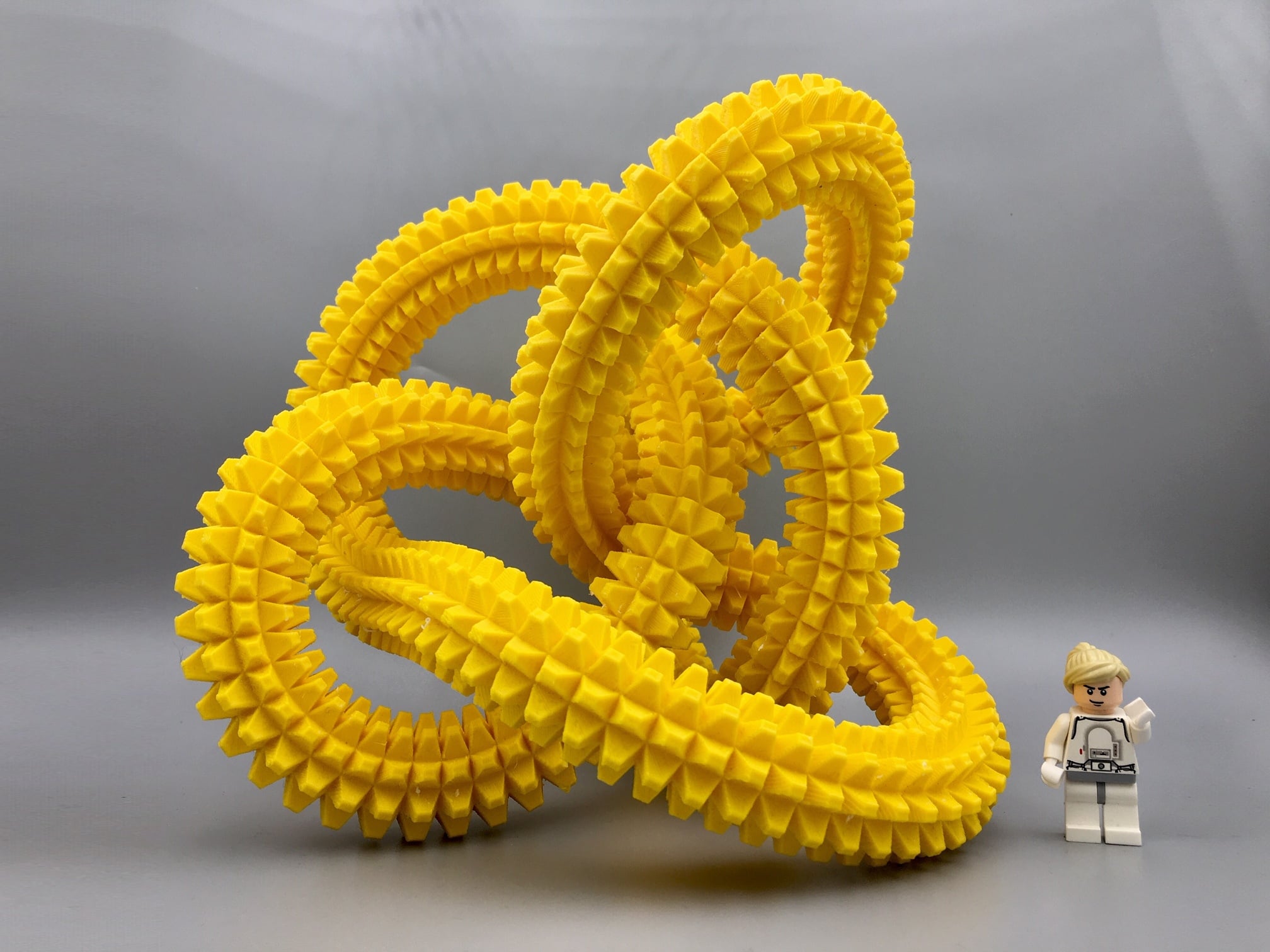
A reprint of the six-day Giant Spiky Perko Knot that compares dissolvable and breakaway supports on a tricky model.
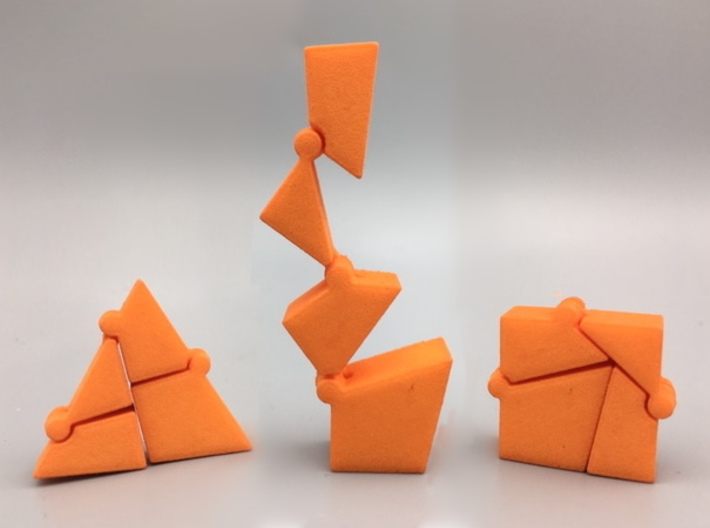
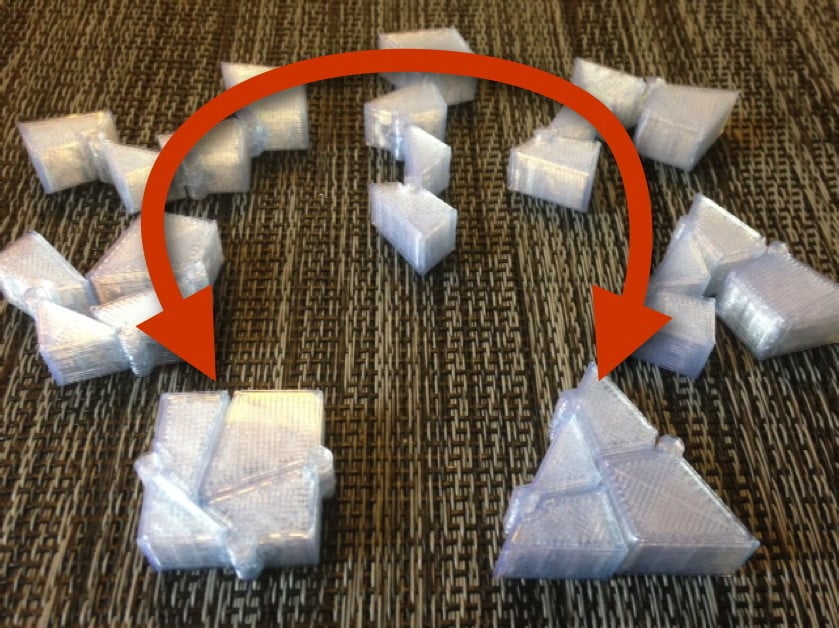
Dudeney's classic hinged dissection that folds a triangle into a square, 3D-printed in one piece with the hinges already assembled.
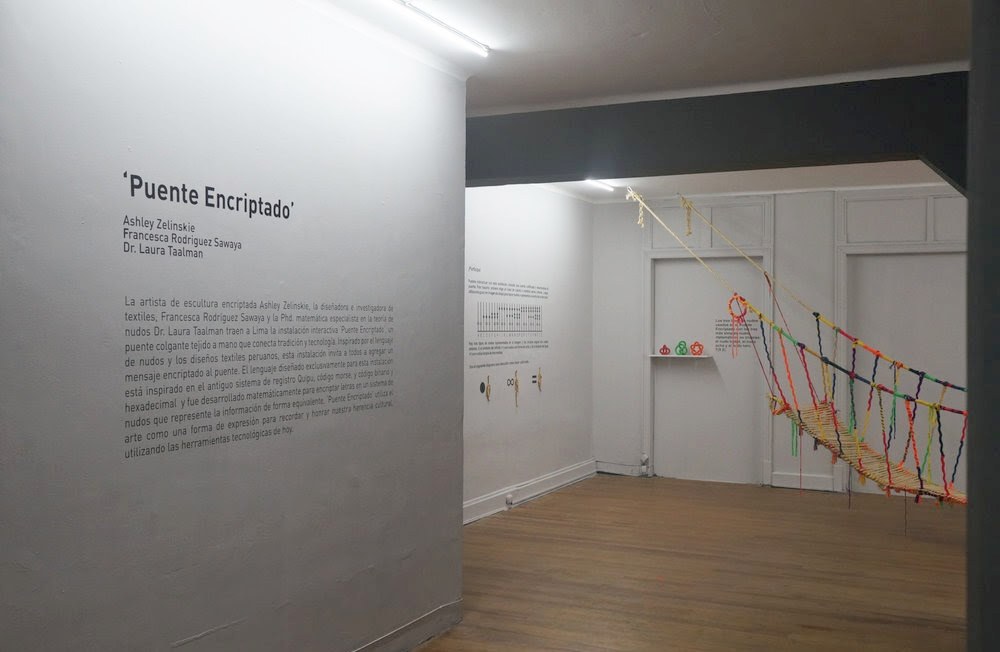
Art.MO, Lima
A participatory bridge installation in Peru that encodes messages in knotted forms, inspired by Quipu and Peruvian textiles.
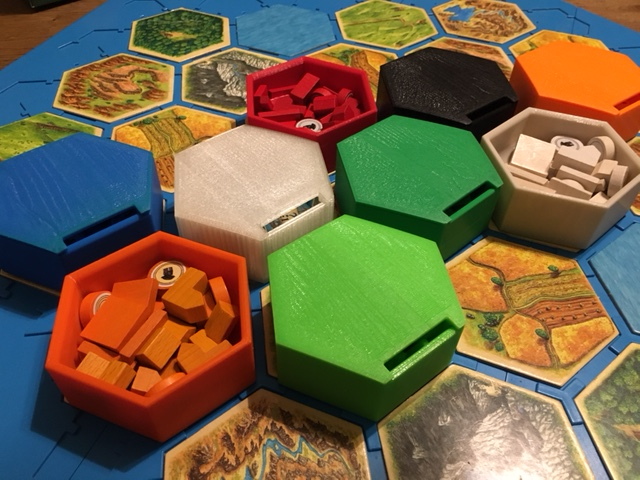
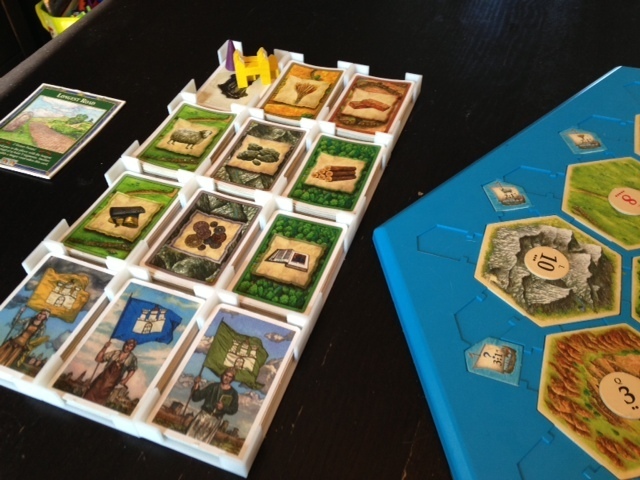
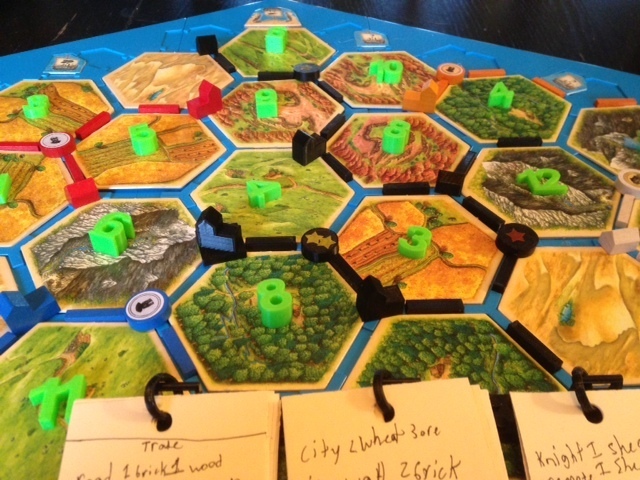
3D-printed hex boxes sized to match Catan's land tiles, with snap-fit lids, to corral all your settlements, cities, and knights.
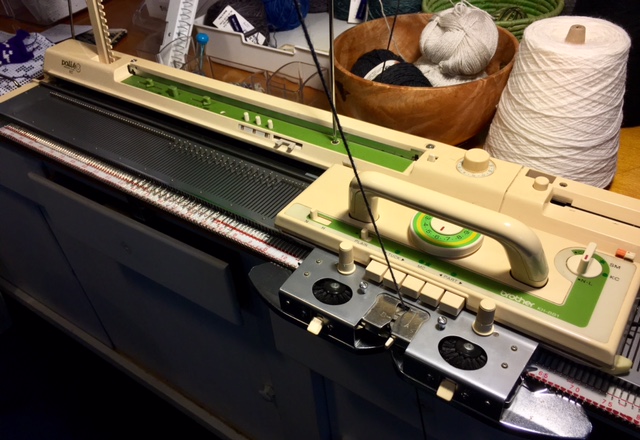
The start of the machine-knitting saga: a 1980s Brother punchcard knitting machine from eBay.
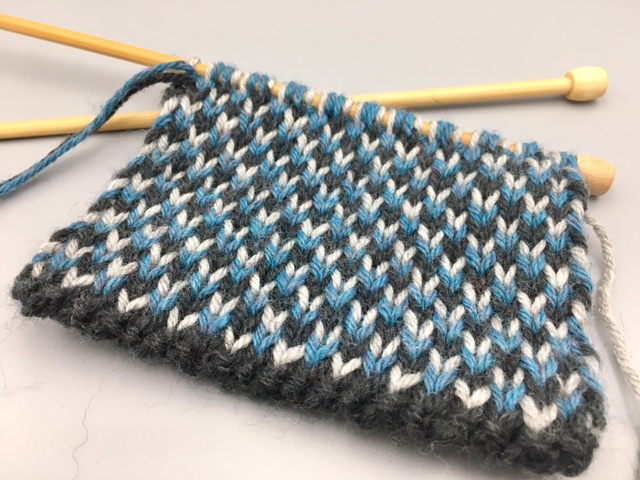
A new(!) reversible multicolor knit stitch invented for scarves that you can knit without looking at your hands during colloquium talks.
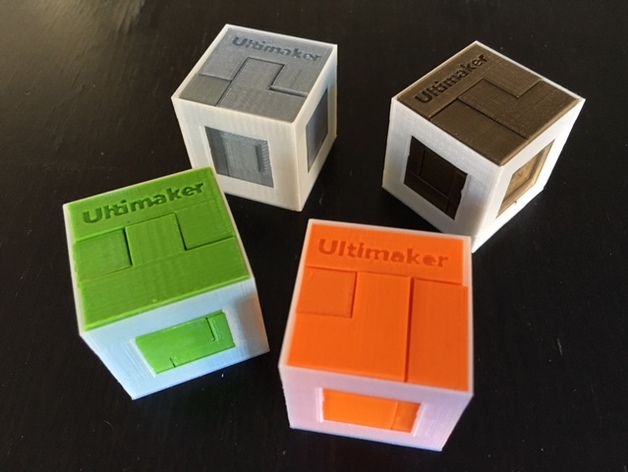
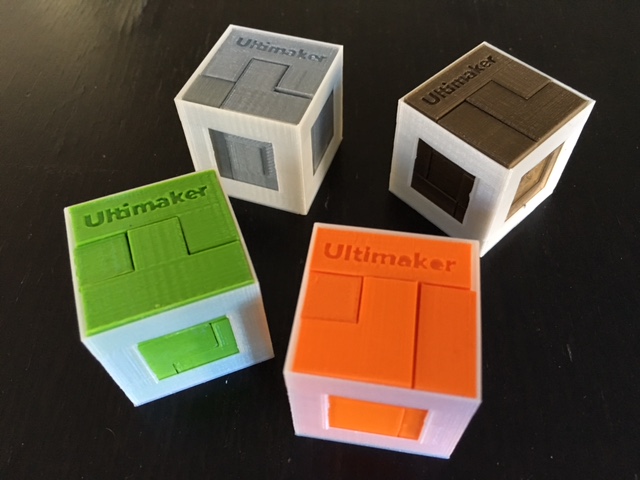
A set of four 3D-printable cube puzzles, from easy to diabolical, handed out as a solve-it-and-keep-it challenge at Maker Faire.
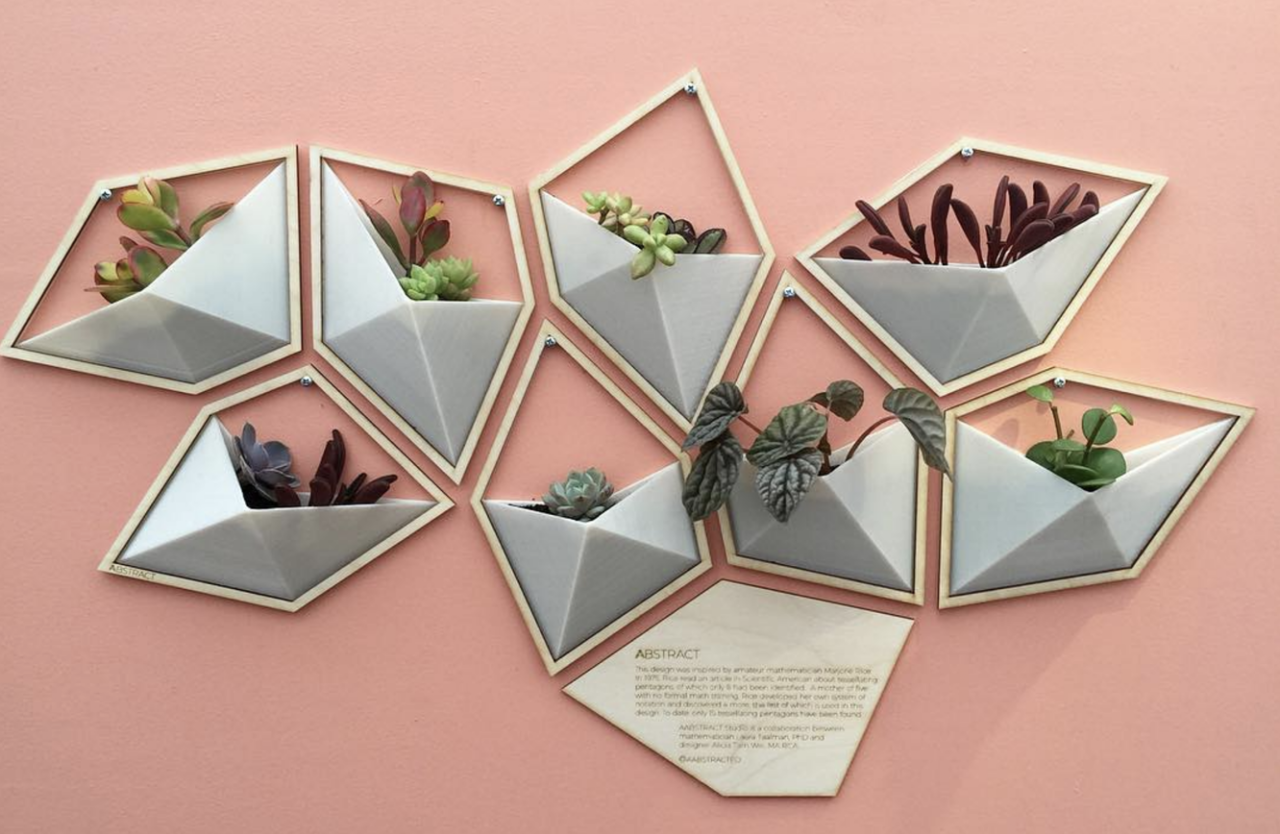
NYCxDESIGN
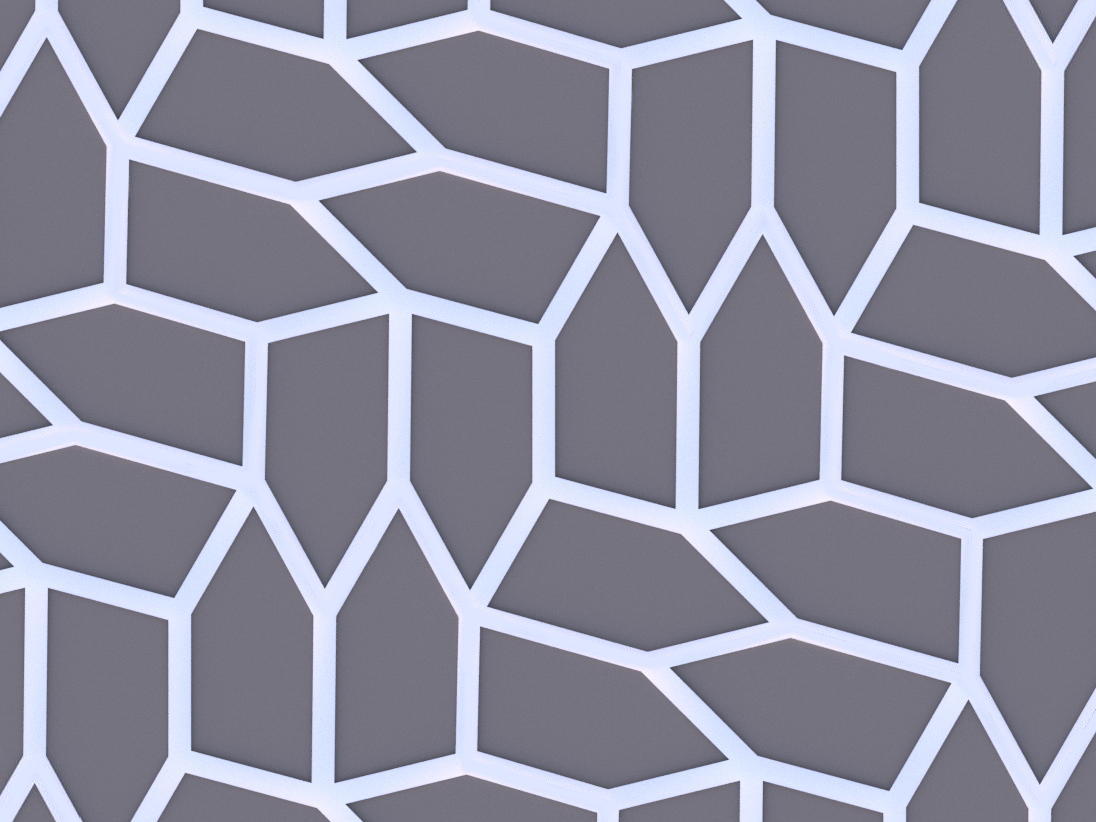
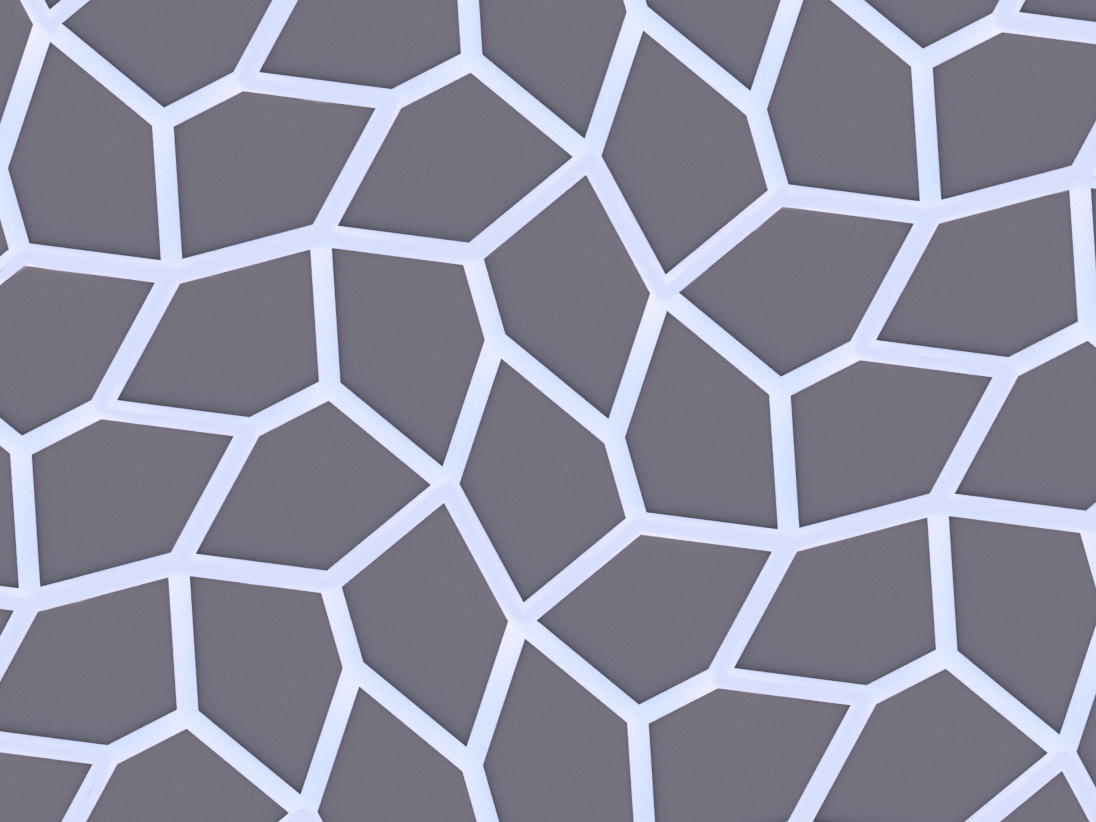
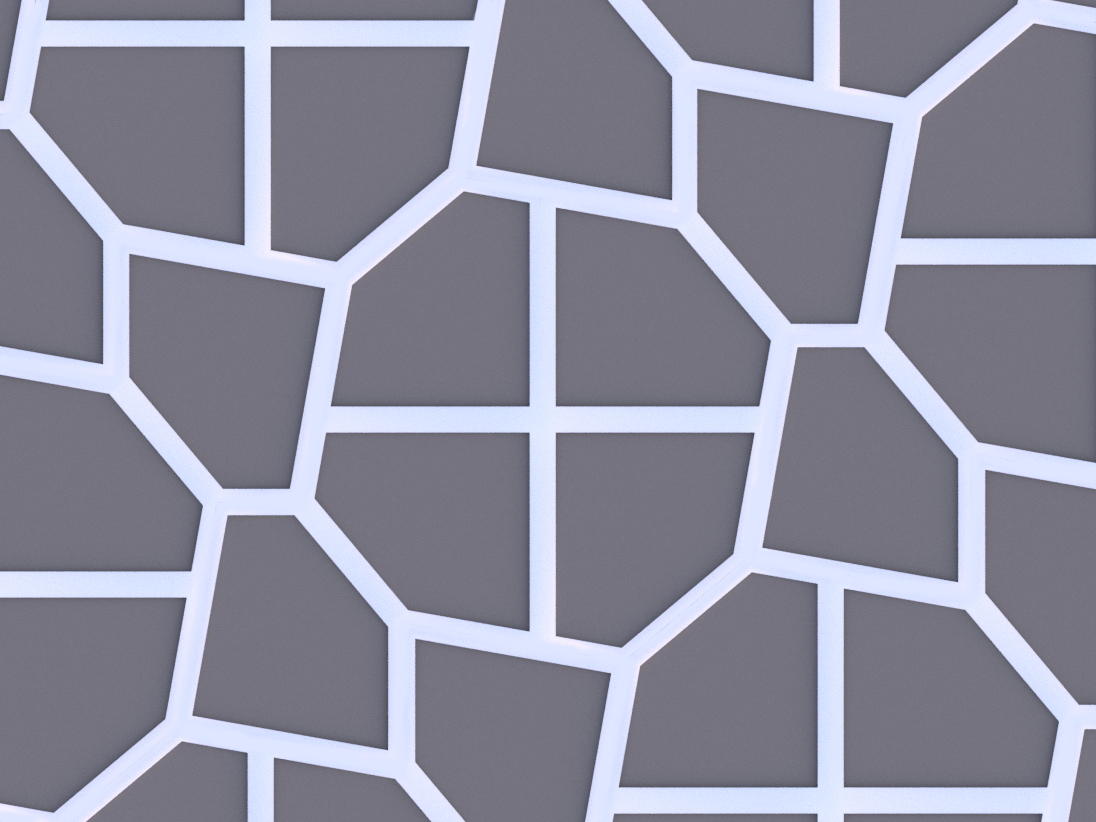
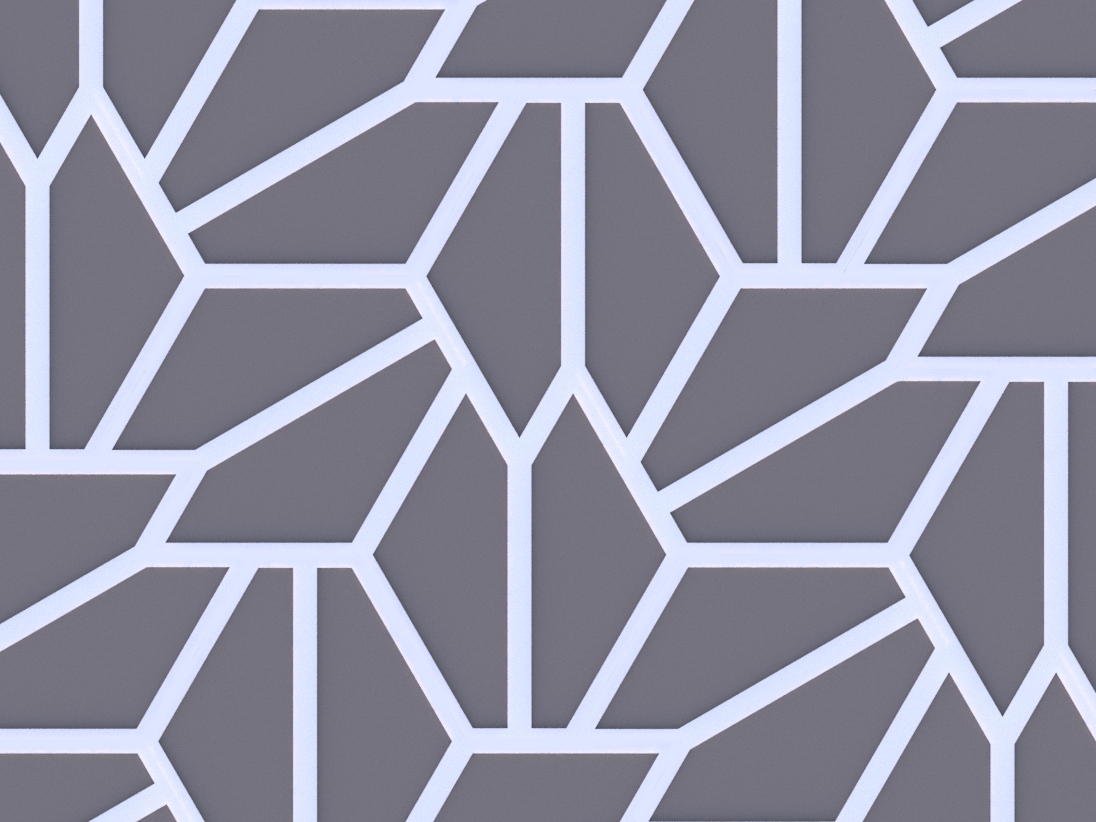
Wall art exhibited at NYC Design Week based on a tessellating pentagon discovered by amateur mathematician Marjorie Rice.
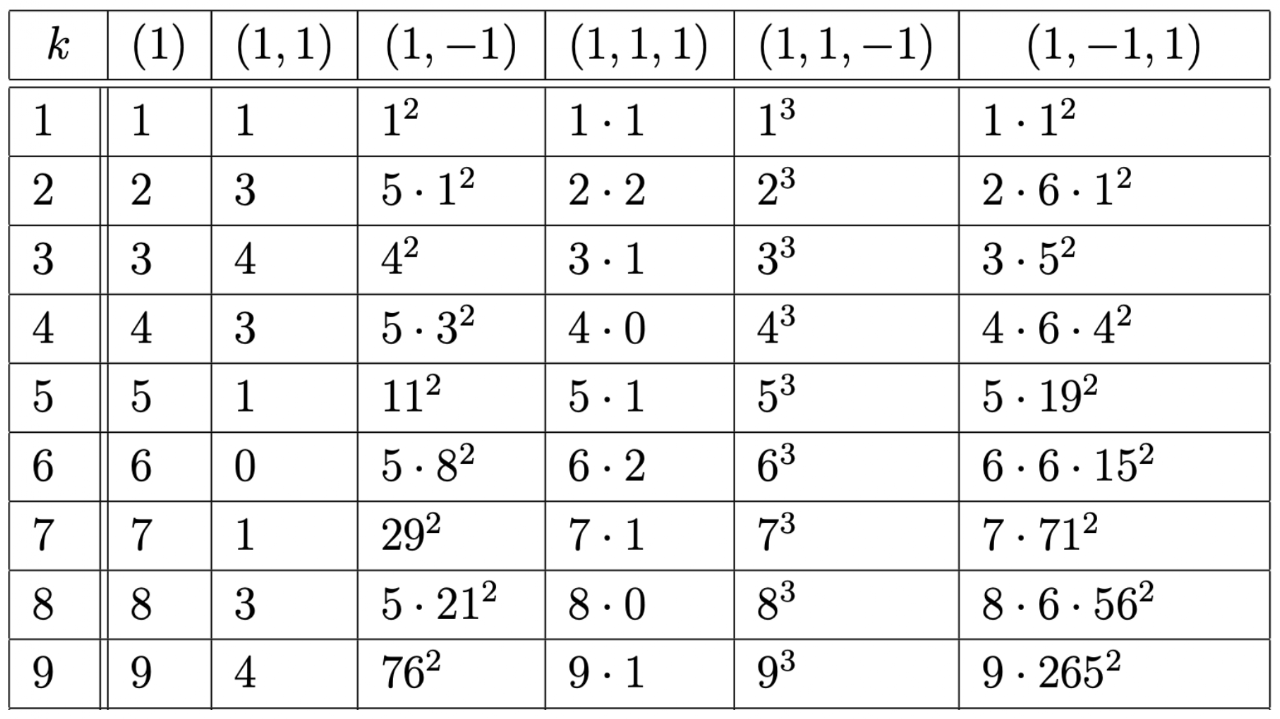
Journal of Integer Sequences
Spiral knot determinants obtained via a new periodic crossing matrix method, resulting in a variety of surprising integer sequences.
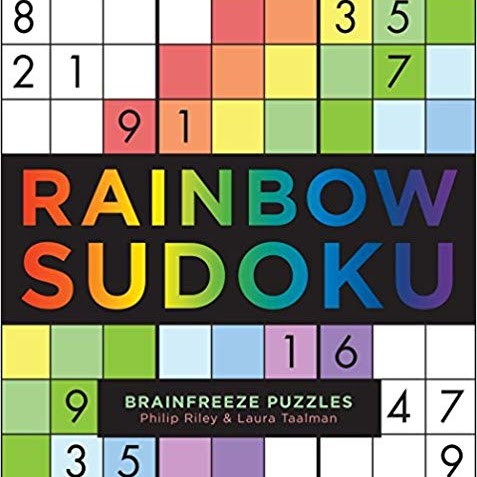
Puzzlewright Press
180 multicolored Sudoku puzzles using rainbows, jigsaws, and other twists on the standard grid, for solvers looking for a challenge.
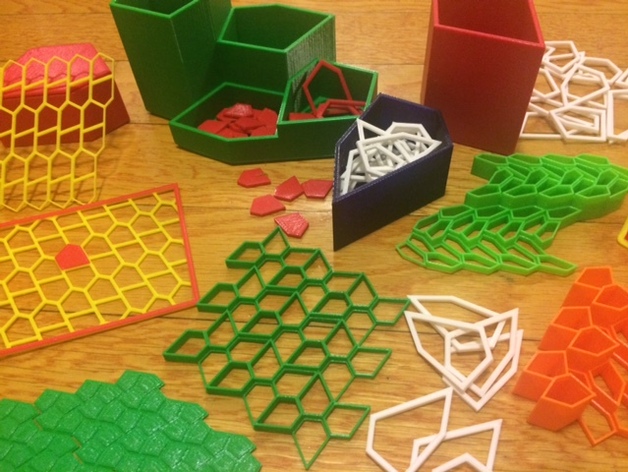
An introduction to the Pentomizer, which builds 3D-printable tilings from any of the 15 known convex pentagons.
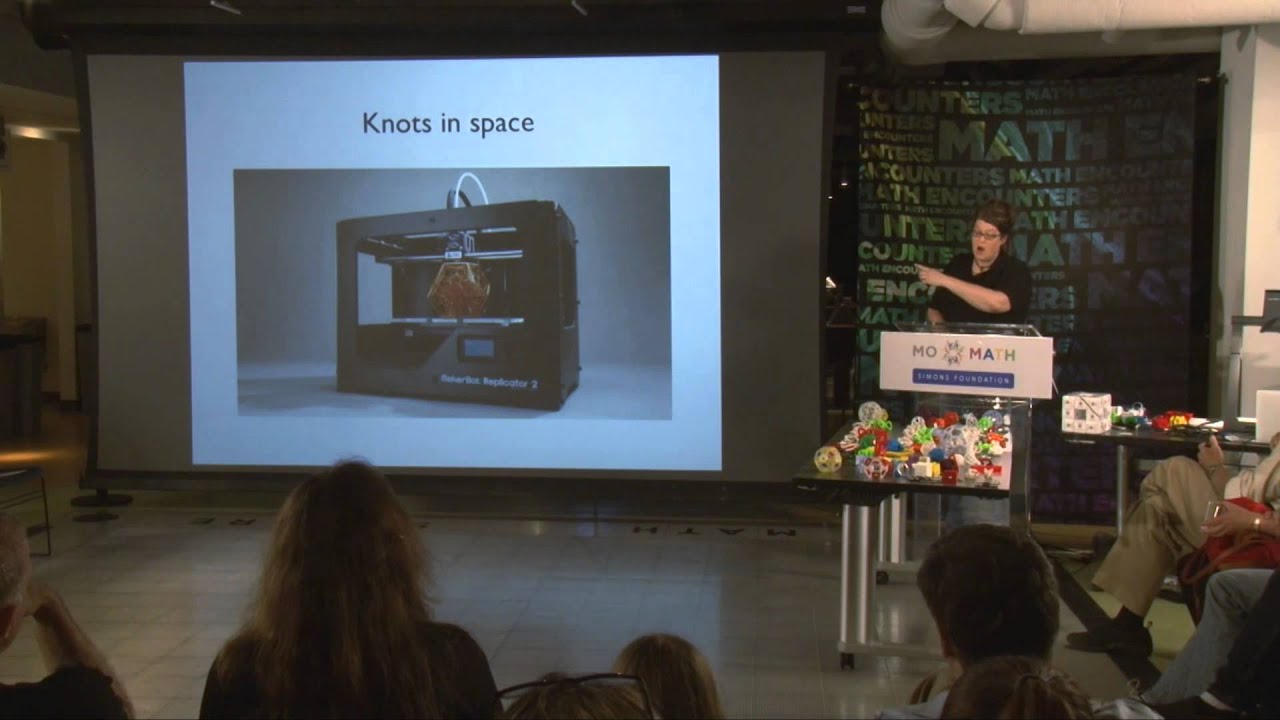
MoMath, Math Encounters
Bringing math into the third dimension: how 3D printing turns abstract mathematical concepts, from knots to Menger sponges, into physical realities.
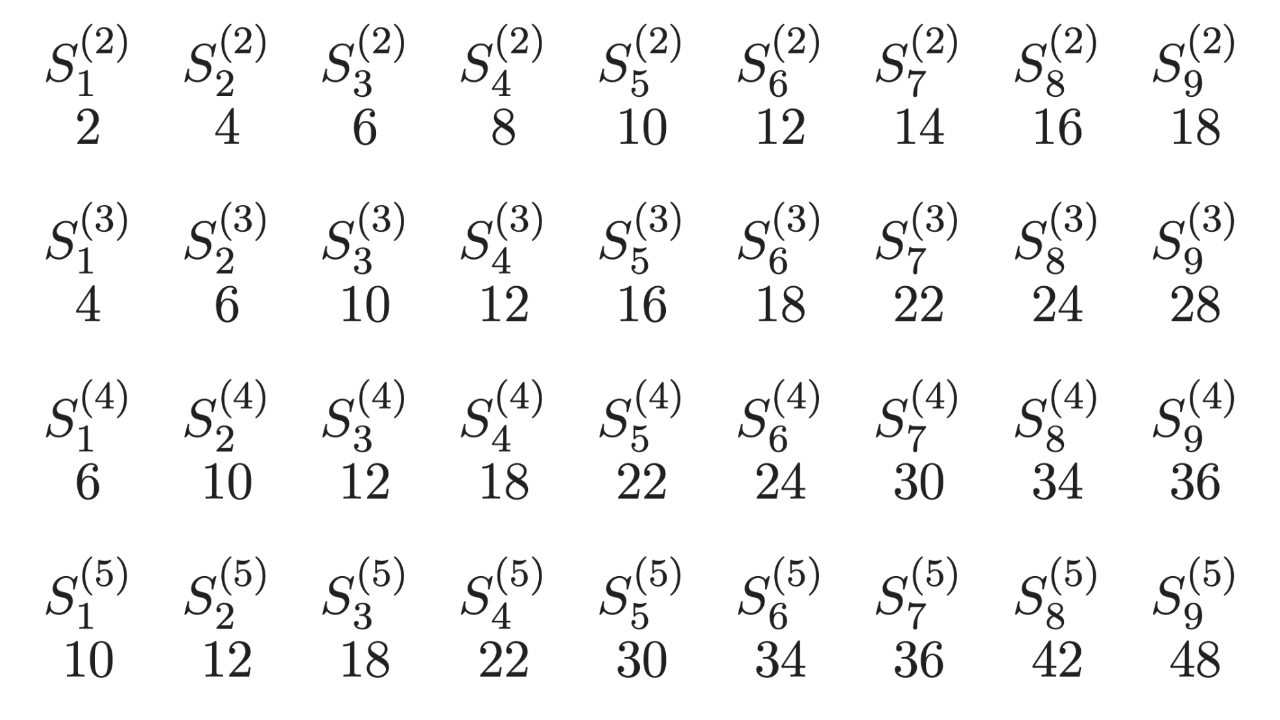
Amer. Math. Monthly
A number-theoretic characterization of winnable boards in the sowing game Tchoukaillon.

Freeman/Macmillan
A modern, concept-focused calculus text that pairs the clarity of classic textbooks with a contemporary take on skills, applications, and theory.
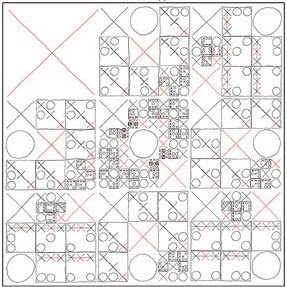
Math Horizons
A conversation with xkcd's Randall Munroe on pen versus code, tic-tac-toe, and intellectual purity.
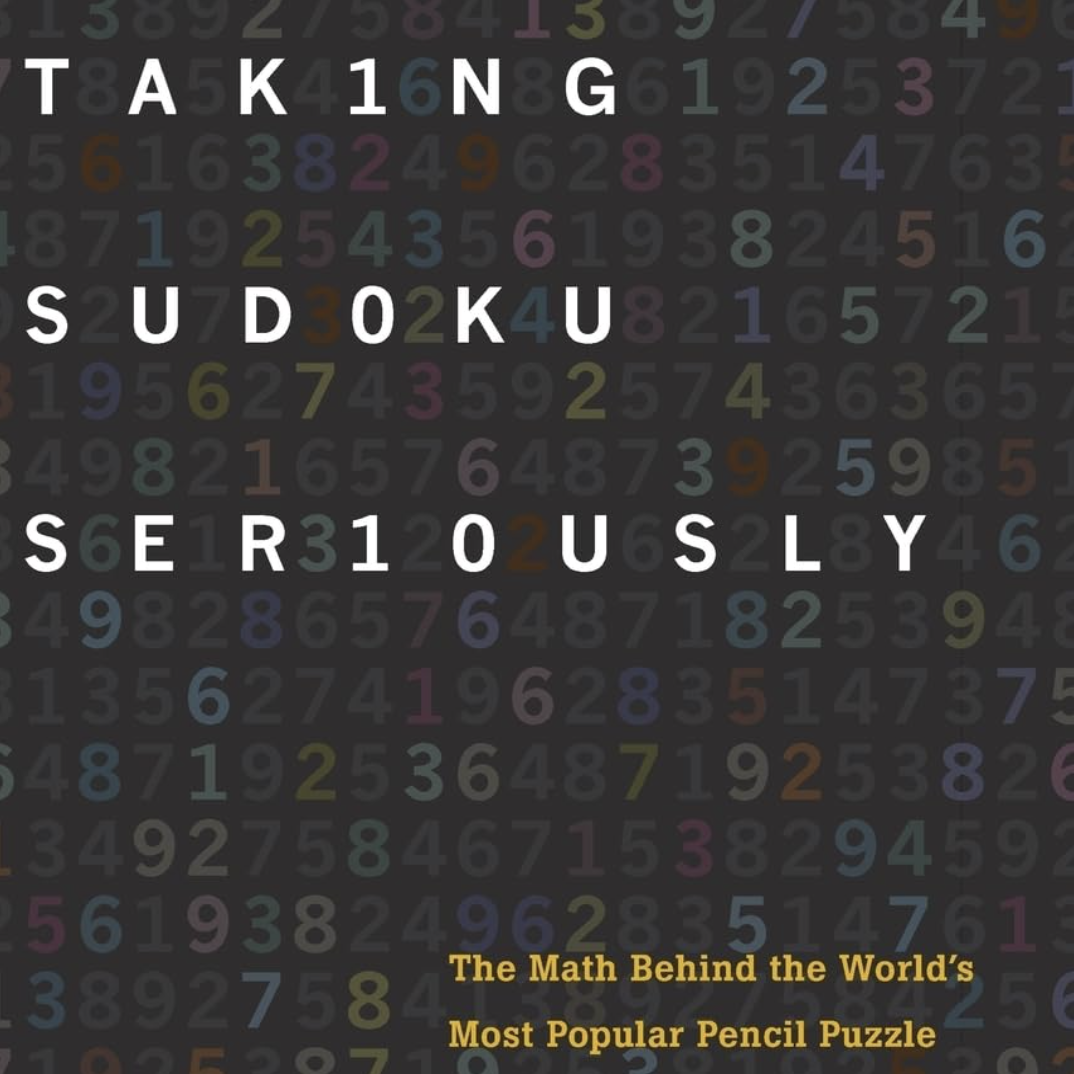
Oxford University Press
This book uses the Sudoku craze as the starting point for a fun-filled introduction to various topics in higher mathematics.
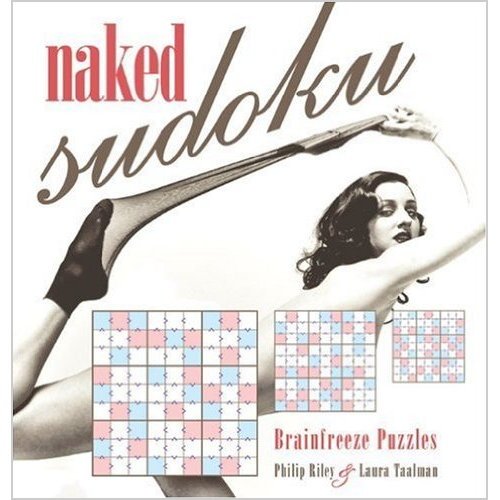
Puzzlewright Press
Every starting number stripped away... use greater-than clues and other twists to find where to begin each of these naked Sudokus.
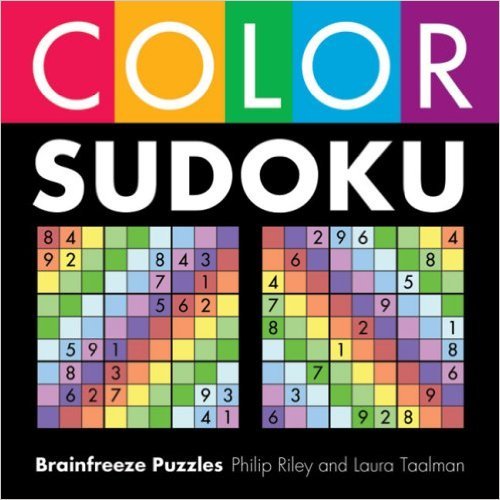
Sterling Publishing
A bright twist on the classic Sudoku craze, with colorful patterns that become part of the solving fun.
Freeman/Macmillan
The only calculus text that weaves precalculus and algebra into a two-semester Calculus I to provide a solid foundation for STEM majors.
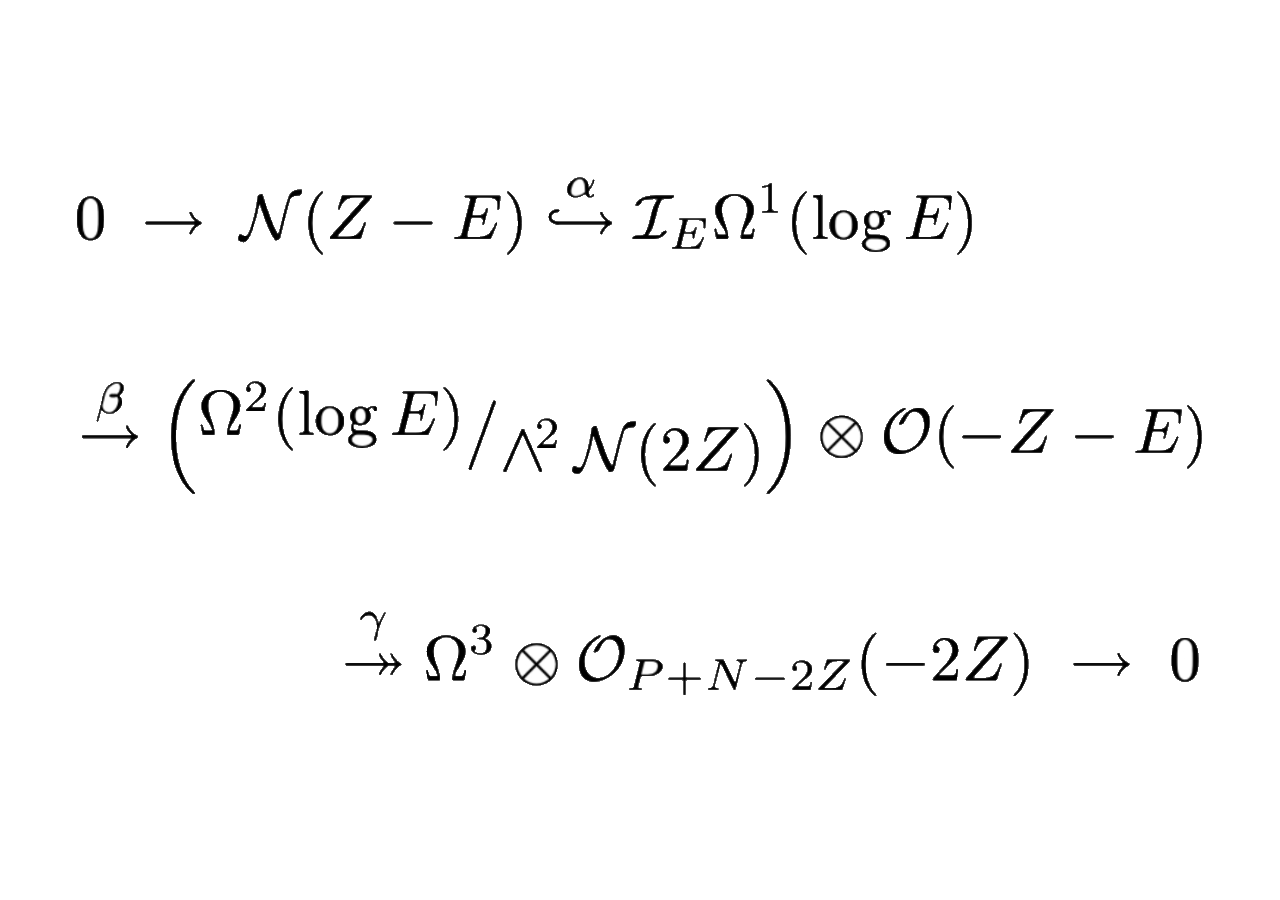
Illinois Journal of Mathematics
A construction for exact sequences of Nash complexes for varieties with isolated singular points.
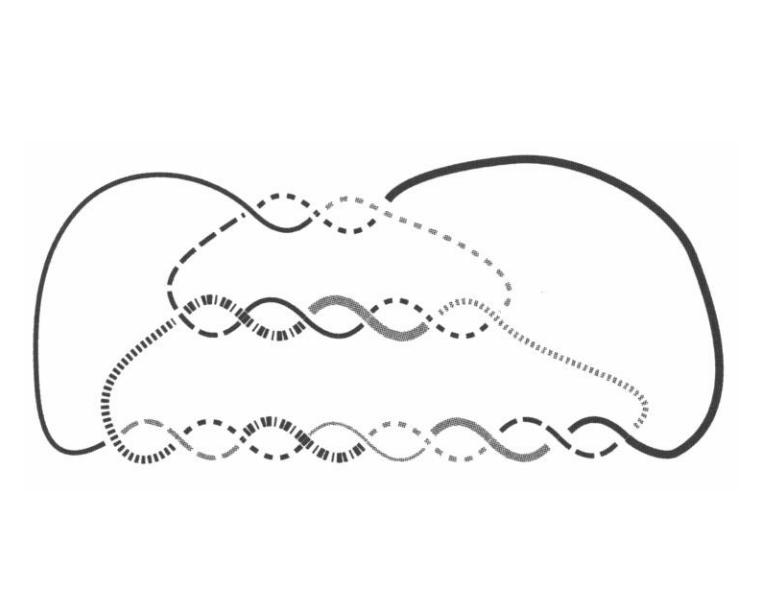
Pi Mu Epsilon Journal
A combinatorial formula that depends only on m-nullity to count Fox m-coloring classes.
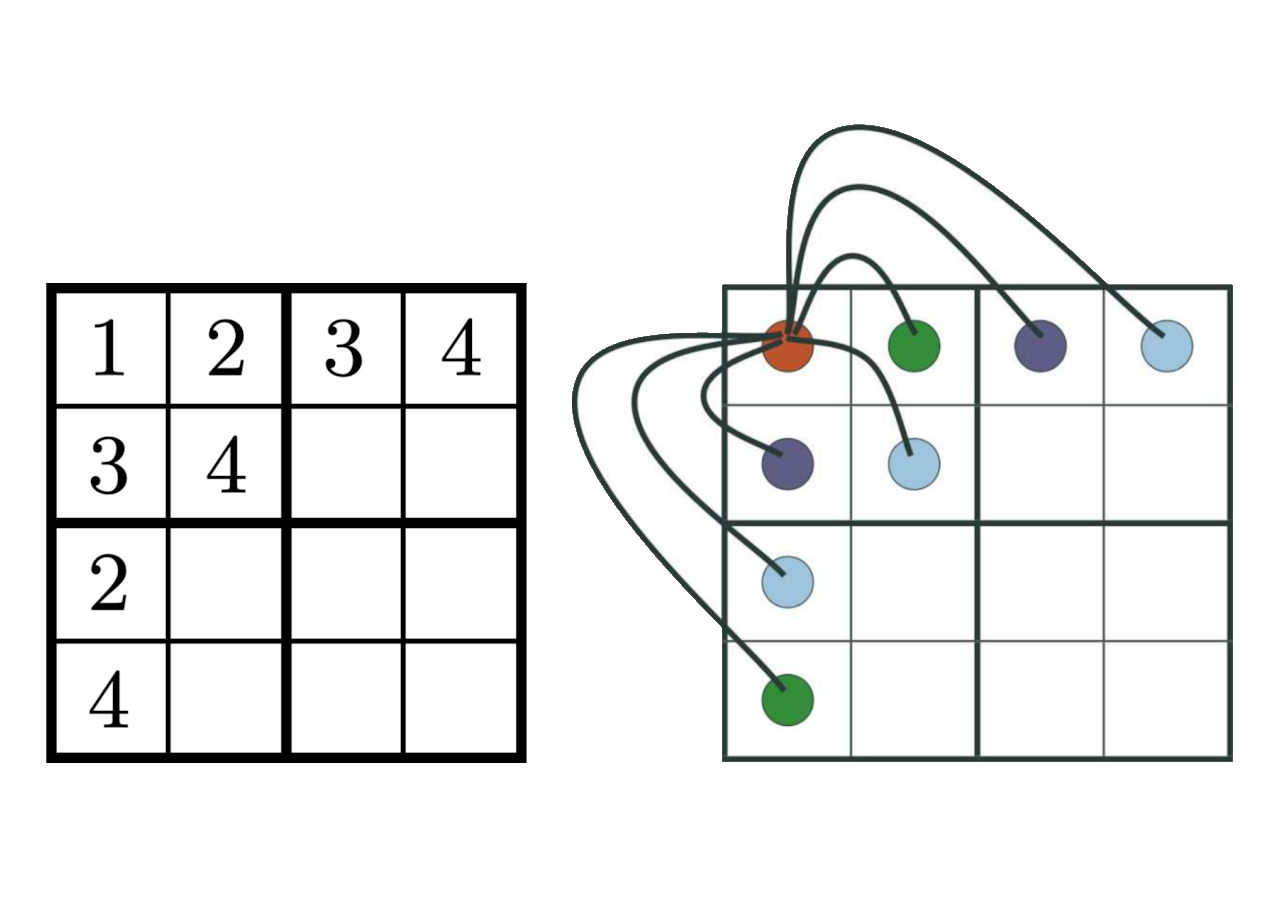
College Math Journal
Polynomial-system encodings of Sudoku constraints with Gröbner bases representations.
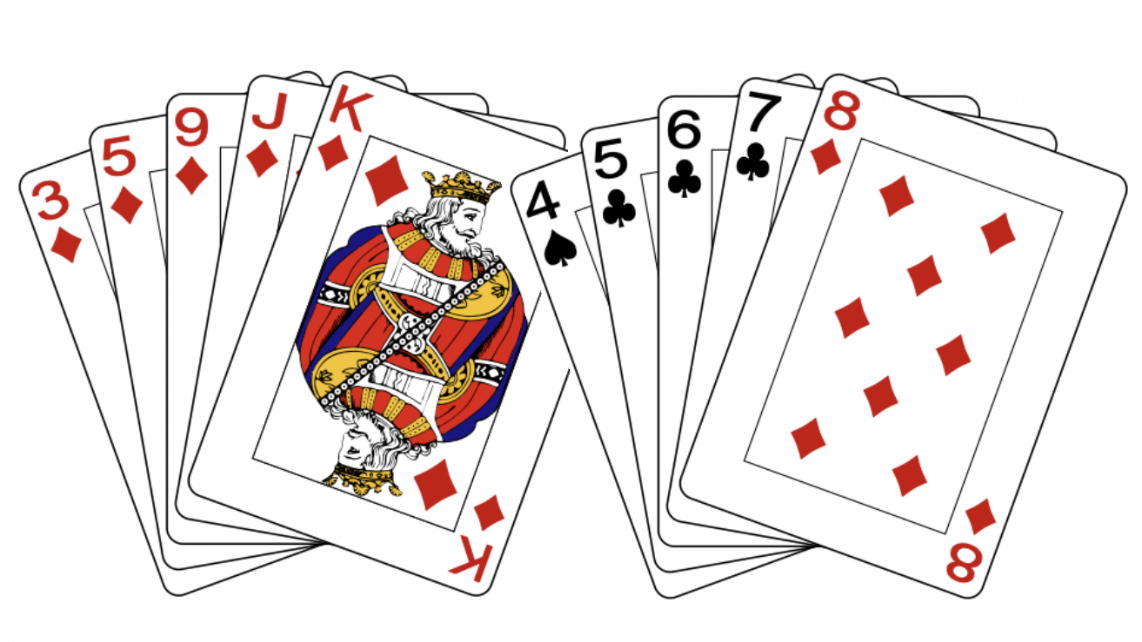
MOVES
An analysis showing that straight, flush, and full house always have distinct frequencies even if suits are added or removed.
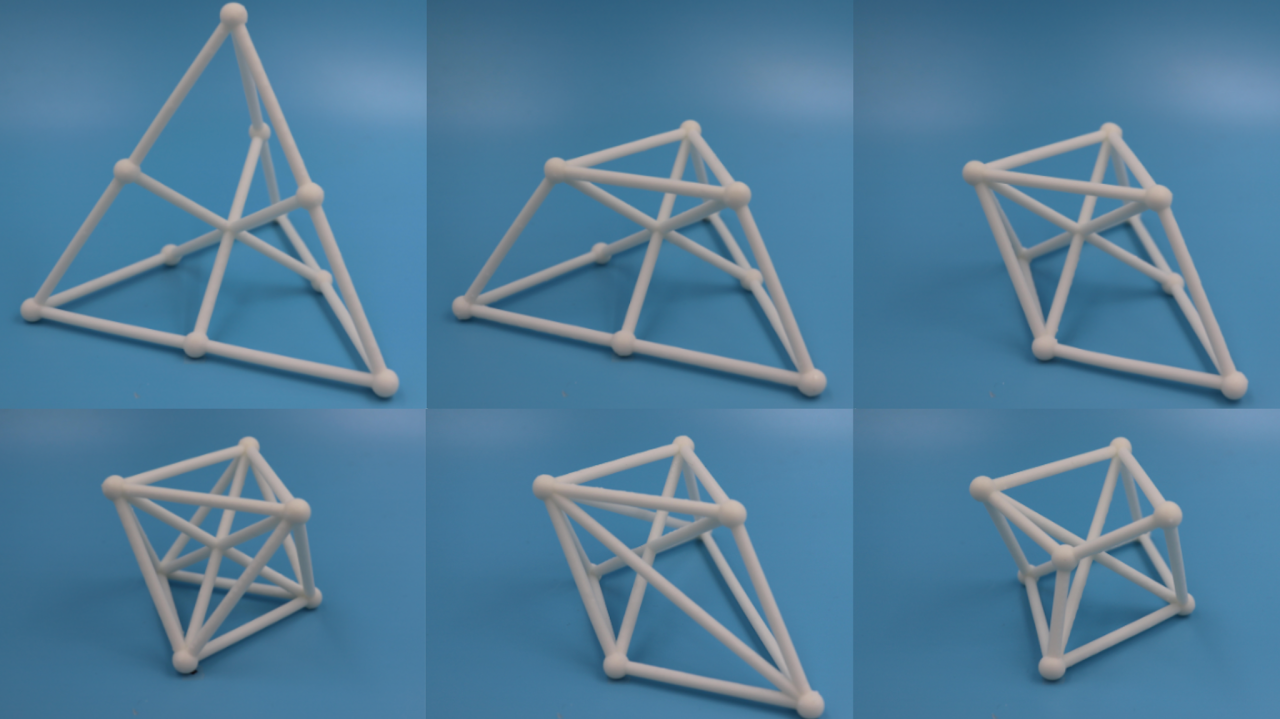
J. Math. and the Arts
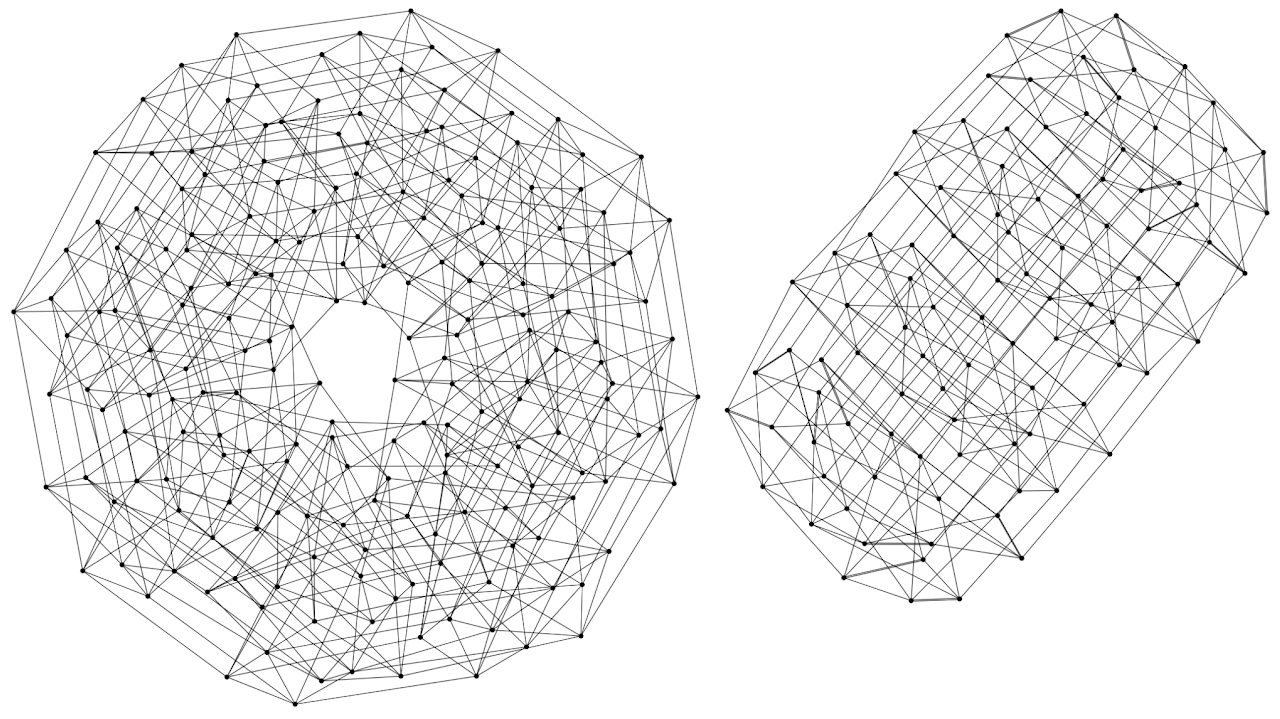
Optimized three-dimensional configurations for well-known classes of graphs, including the Petersen family.
College Math Journal
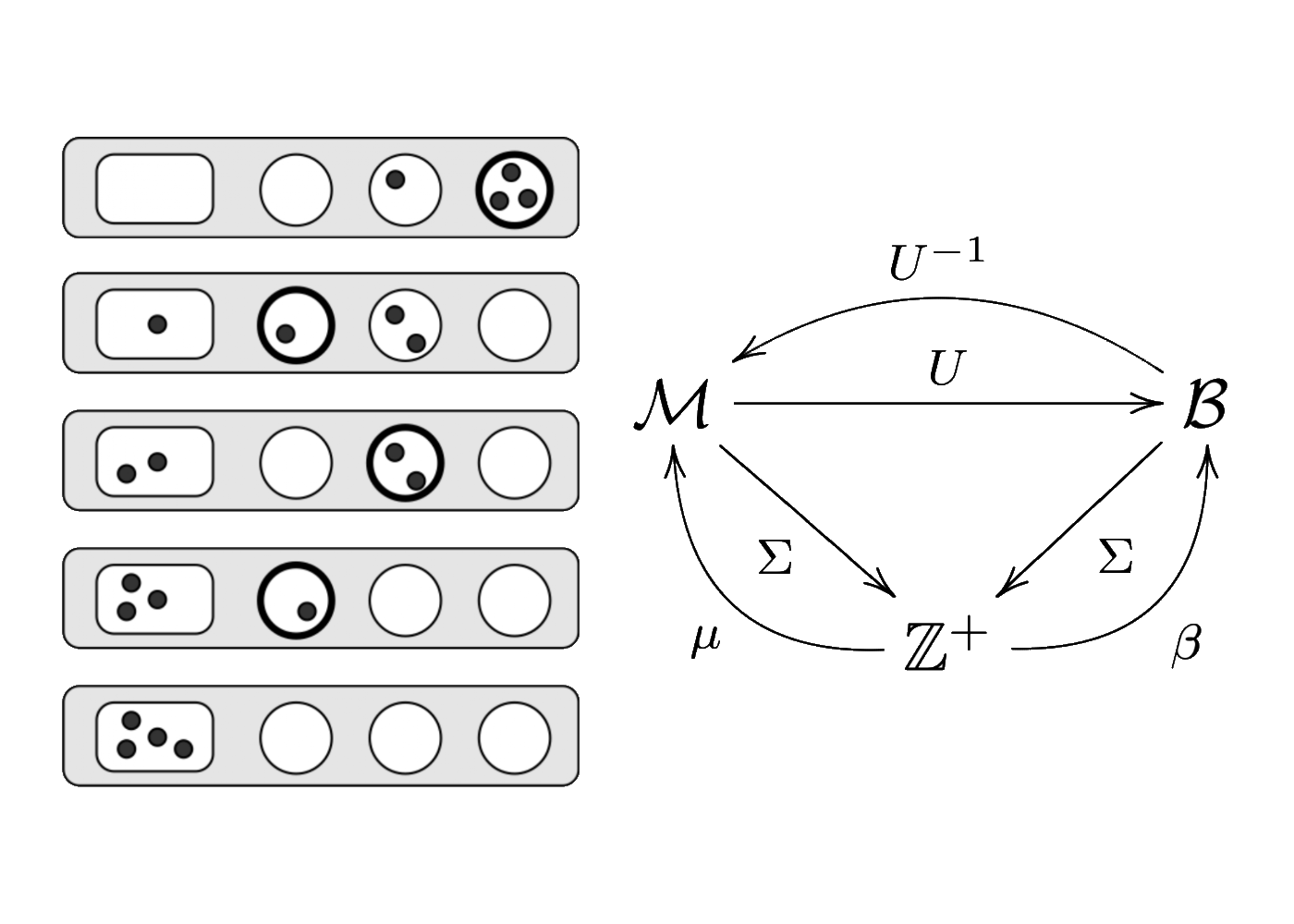
A new matrix tool for the sowing game Tchoukaillon that provides a non-iterative bijection between board vectors and move vectors.
JCMCC
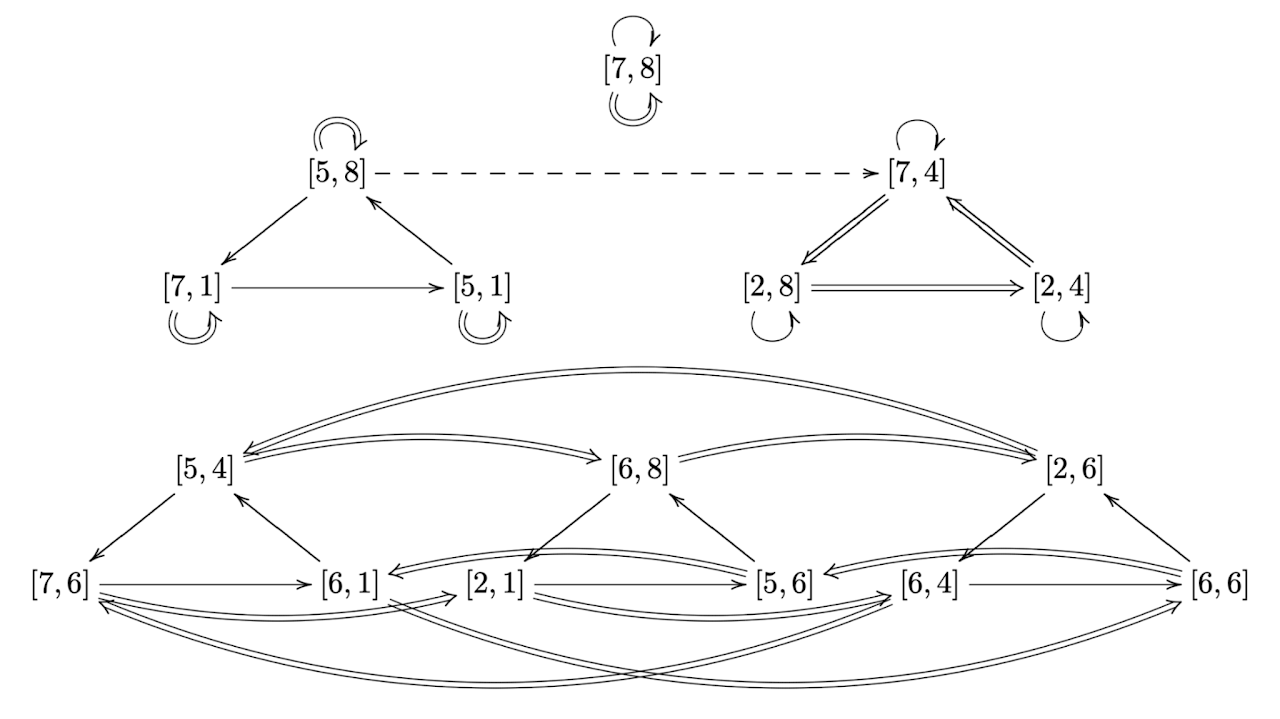
A graph-connectivity reduction of the Shidoku symmetry group to its minimal subgroups.
Duke University, Ph.D. Thesis
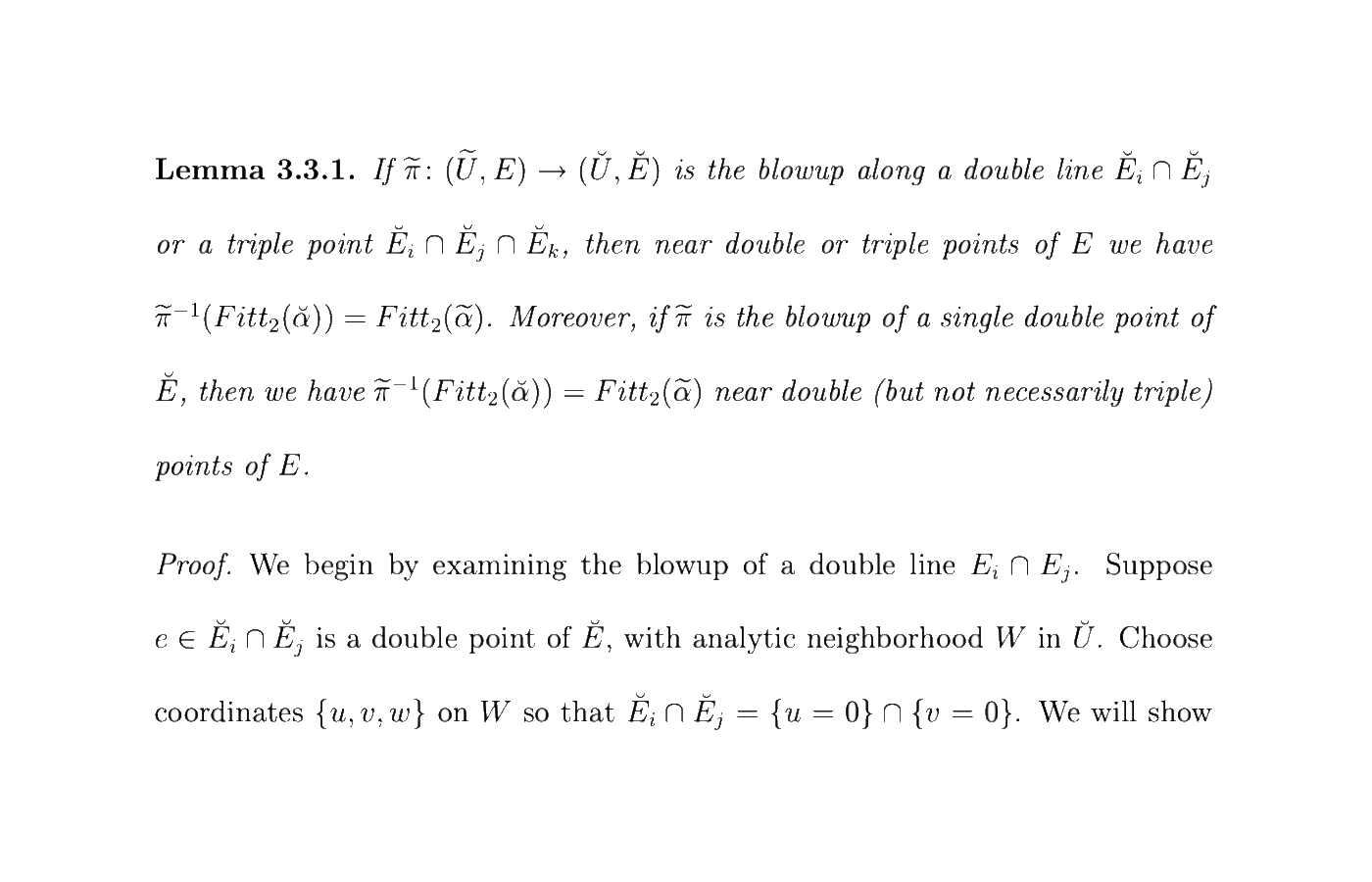
An analysis of the Nash sheaf of certain varieties, with application to Mather-Chern classes.
Rocky Mountain J. Math
A set of relabeling symmetries that form a minimal complete modular-magic Sudoku symmetry group.
Electron. J. Combin.
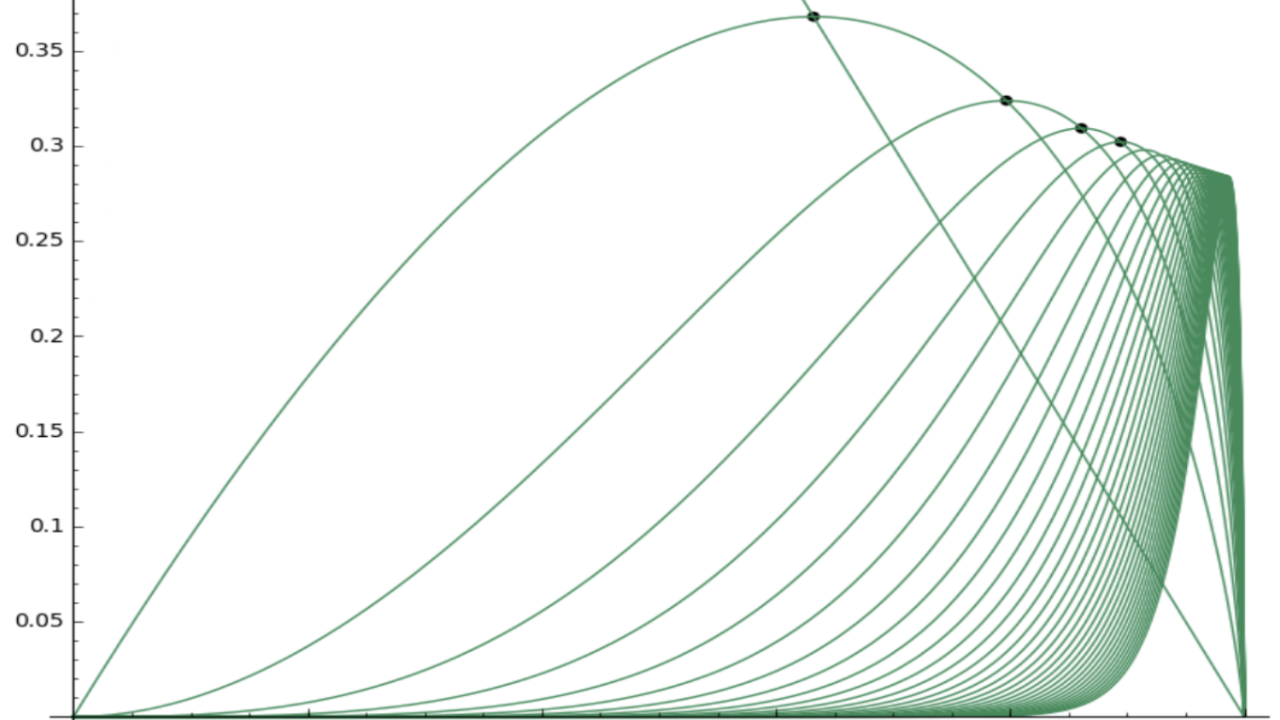
A generalized version of the classic secretary problem in which each ranking permutation is weighted to model interview costs.
Missouri J. Math. Sci.
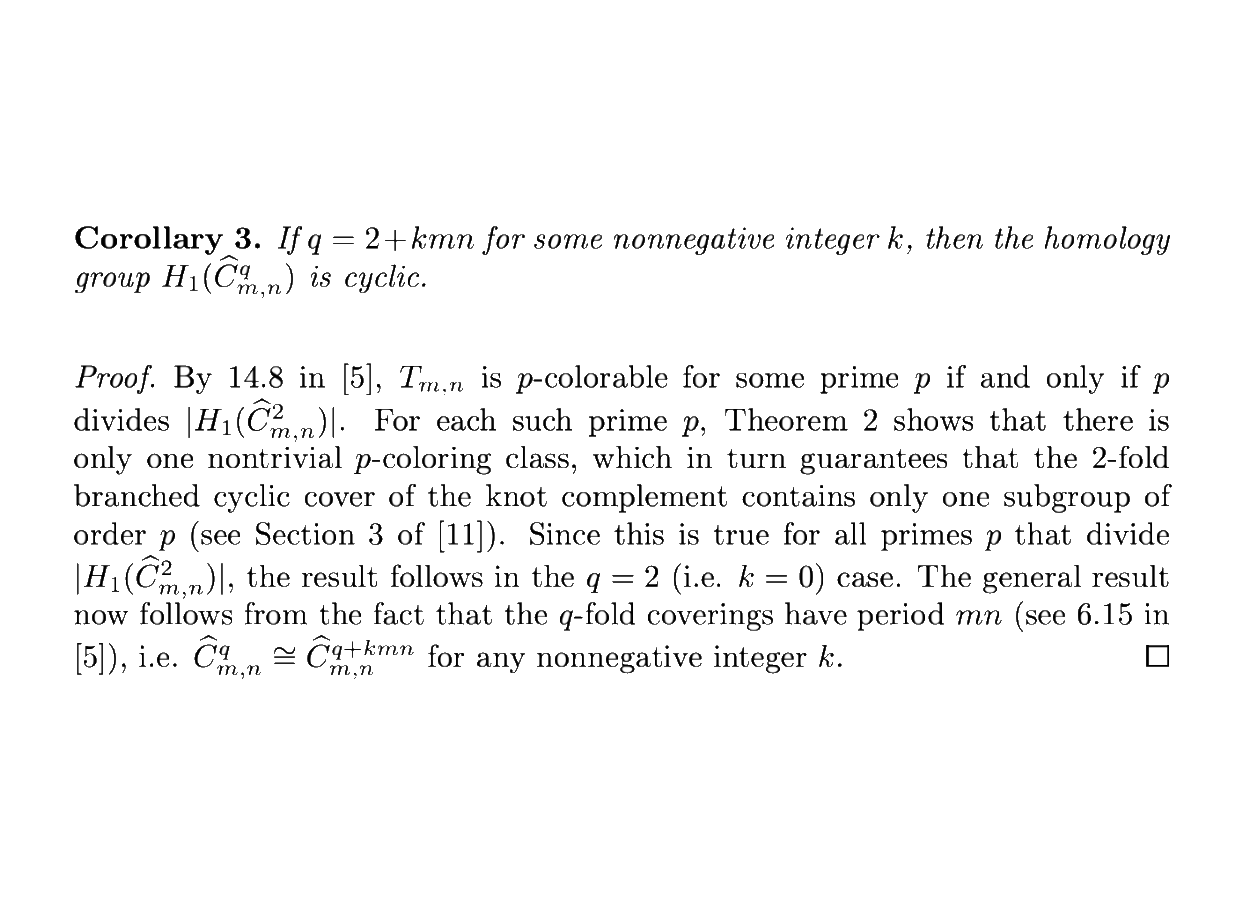
A classification of the p-colorability of torus knots, nontrivial p-coloring classes, and consequences for the two-fold branched cover.
Construct3D Proceedings
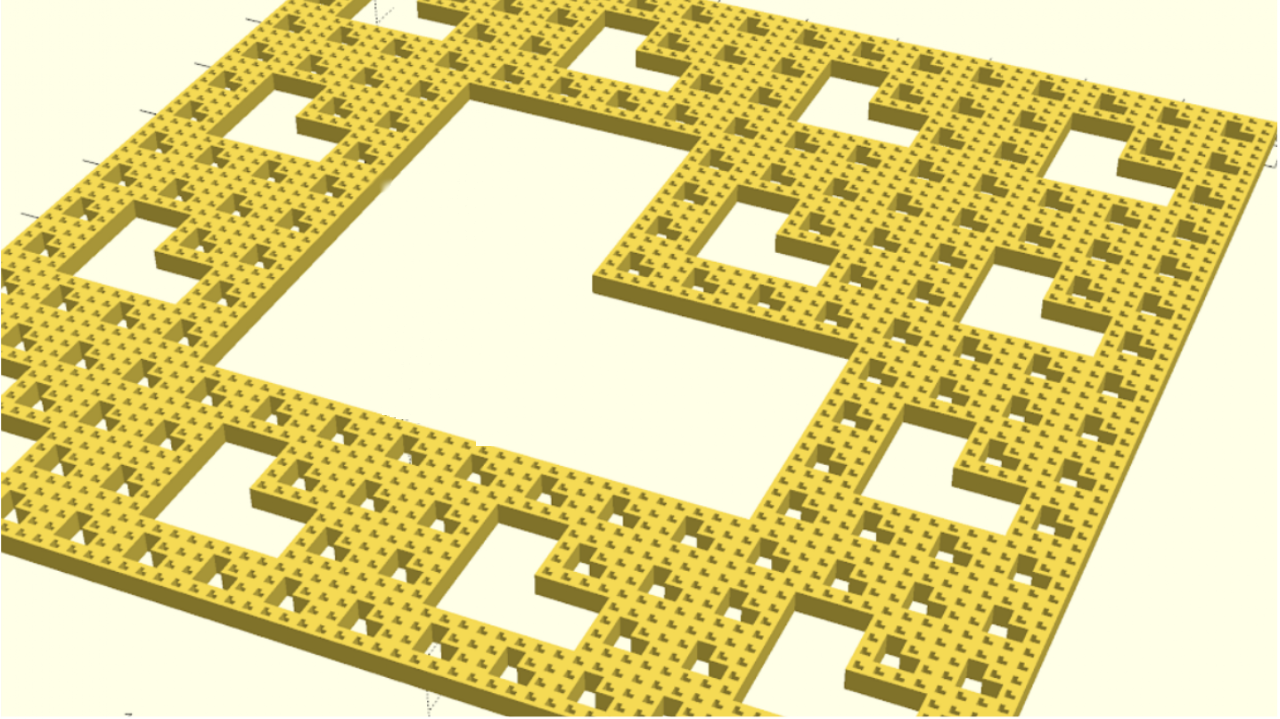
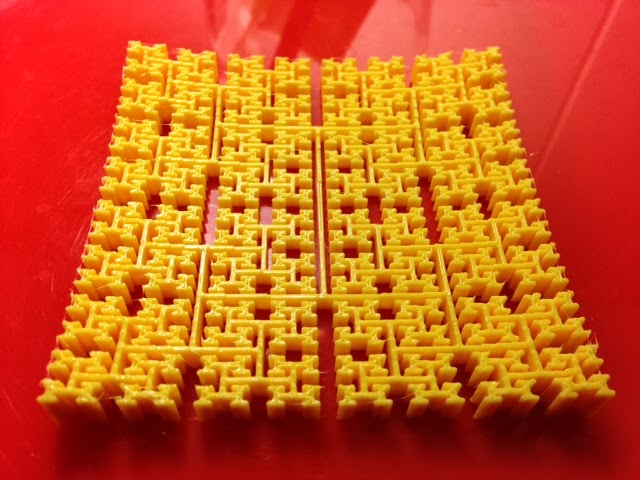
A family of 3D models for teaching fractals and infinite series in a liberal-arts math course.
Missouri J. Math. Sci.
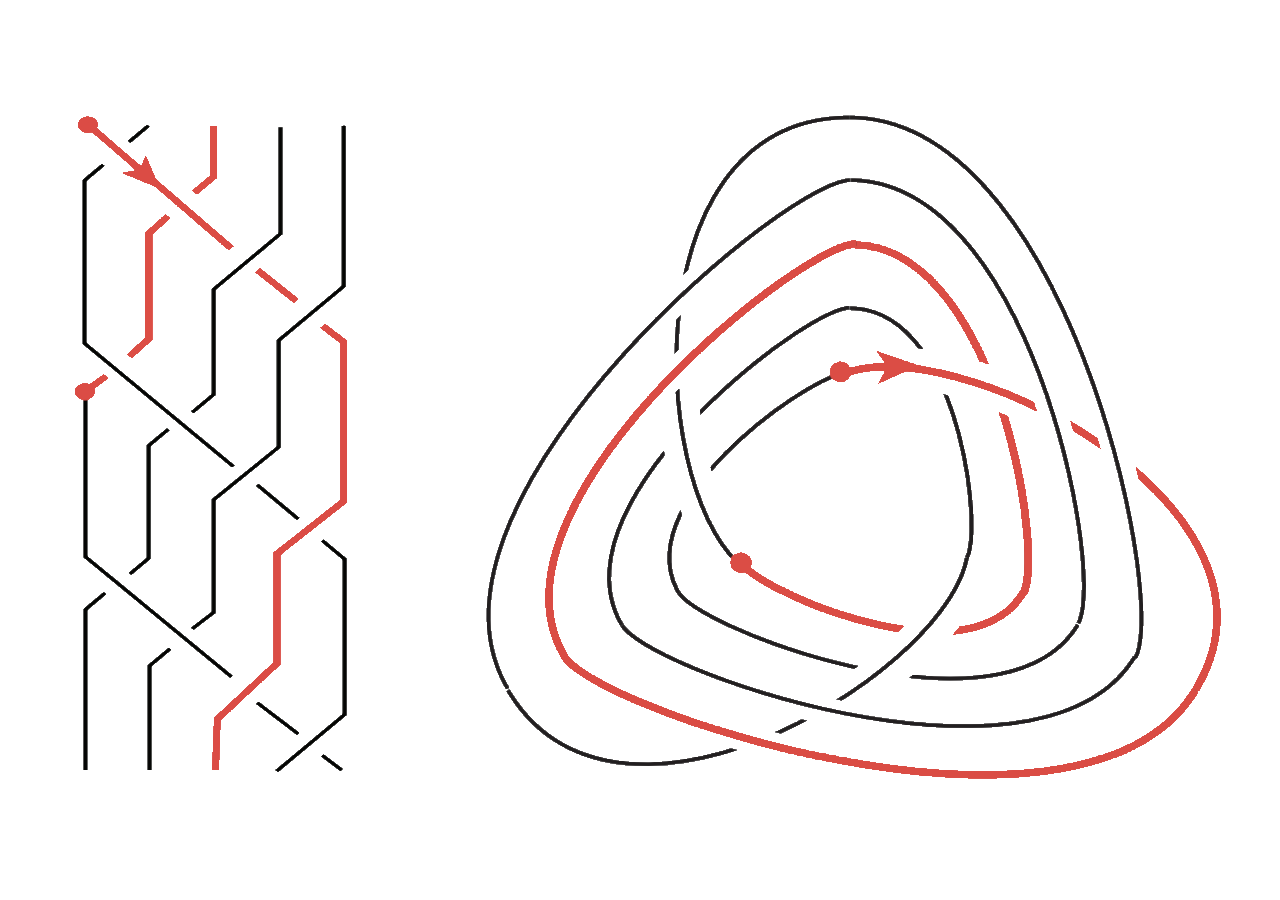
A generalization of torus knots defined by a certain periodic closed braid representation, with results on genus and crossing number.
Manuscripta Mathematica
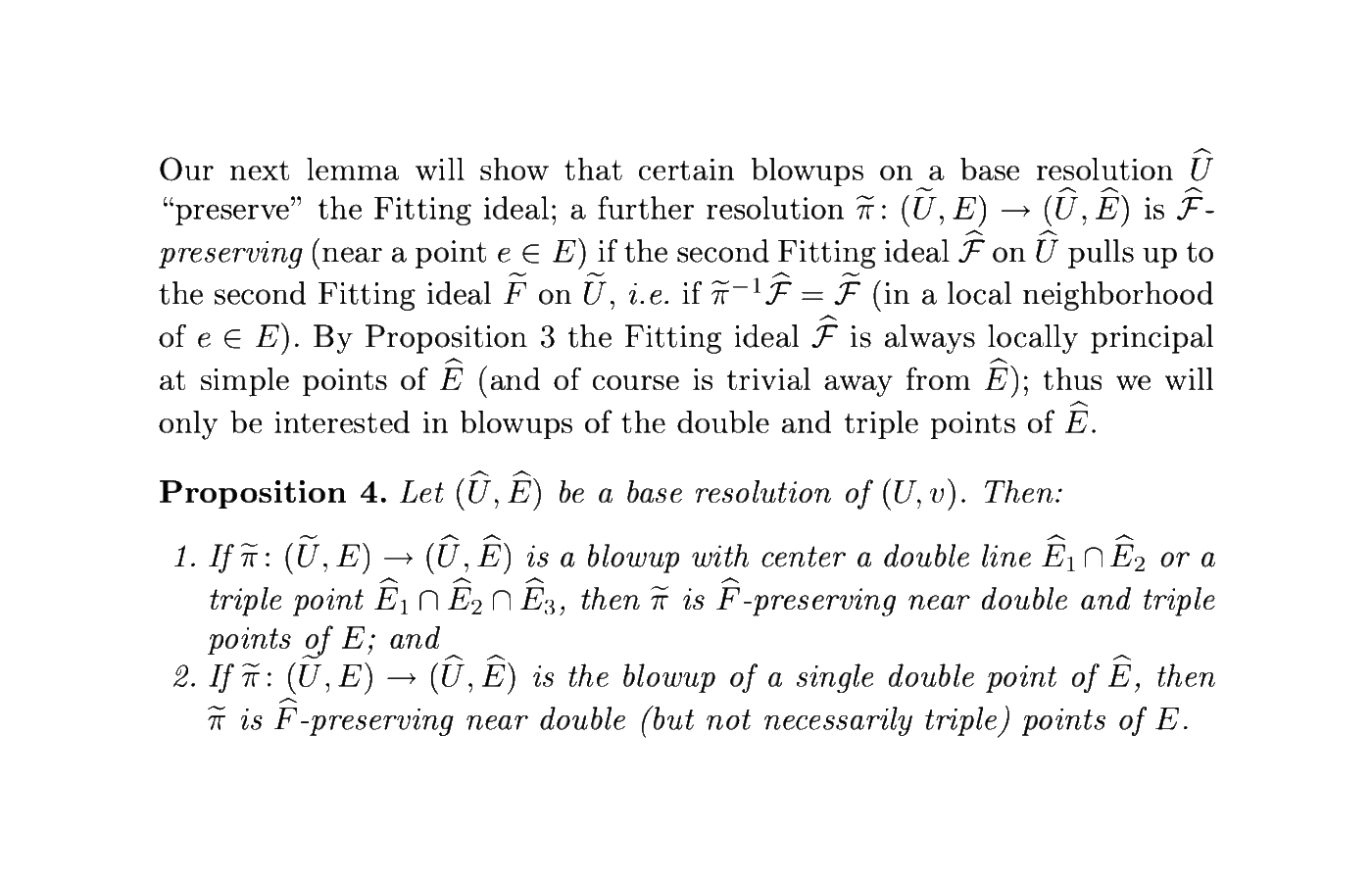
Generators for the Nash sheaf as differentials of monomial functions, extending the results of Pardon and Stern to three dimensions.
Amer. Math. Monthly
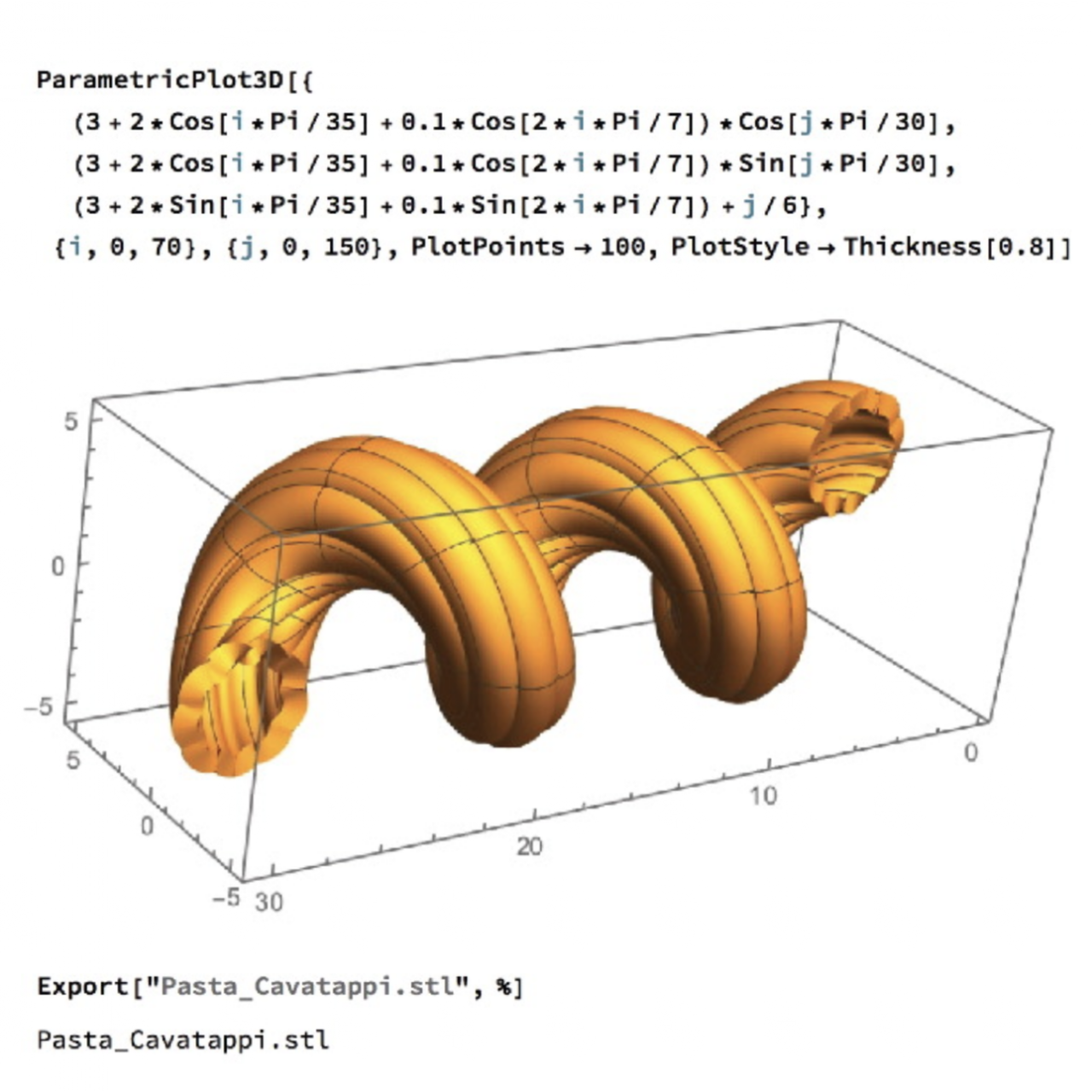
Reviews of Henry Segerman's Visualizing Mathematics with 3D Printing and George Legendre's Pasta by Design.
Living Proof (AMS)
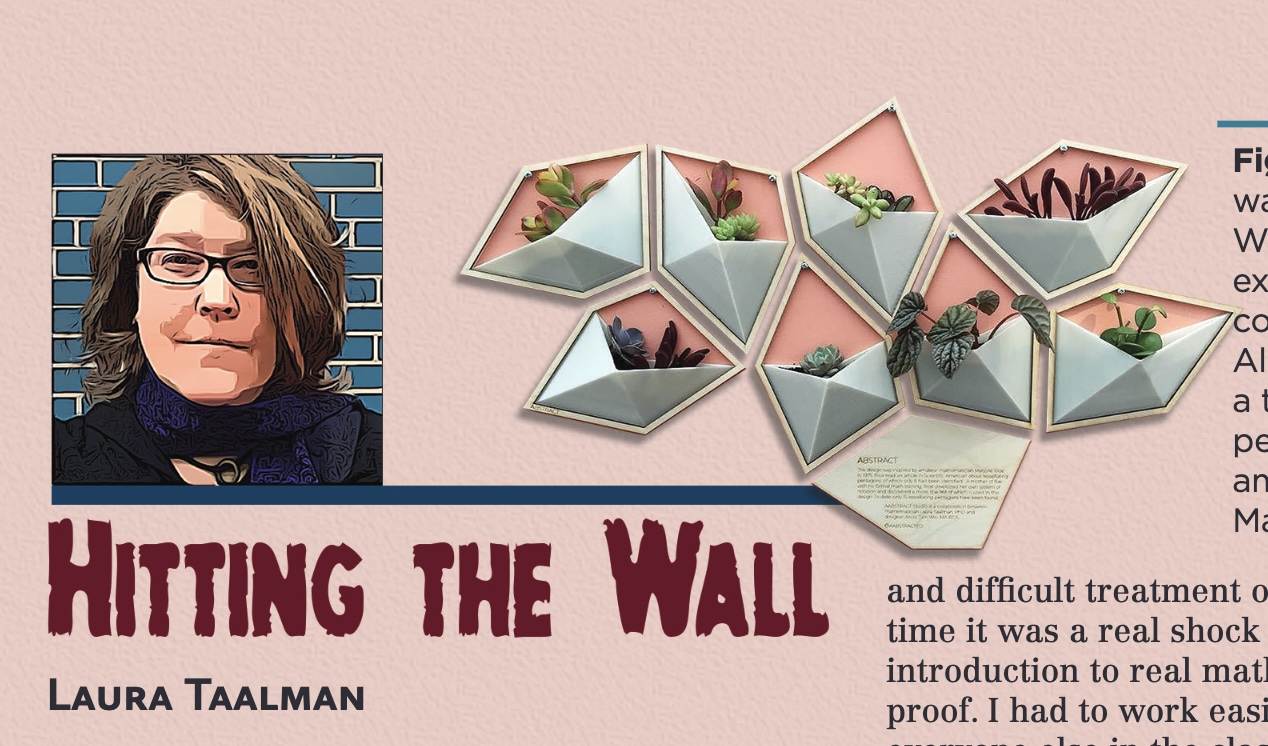
A personal essay on hitting the difficulty wall in mathematics, and moving forward when math suddenly stops being easy.
Illustrating Mathematics book
Over forty artist-mathematicians illustrating mathematical ideas with computational tools, from ICERM's 2019 program.
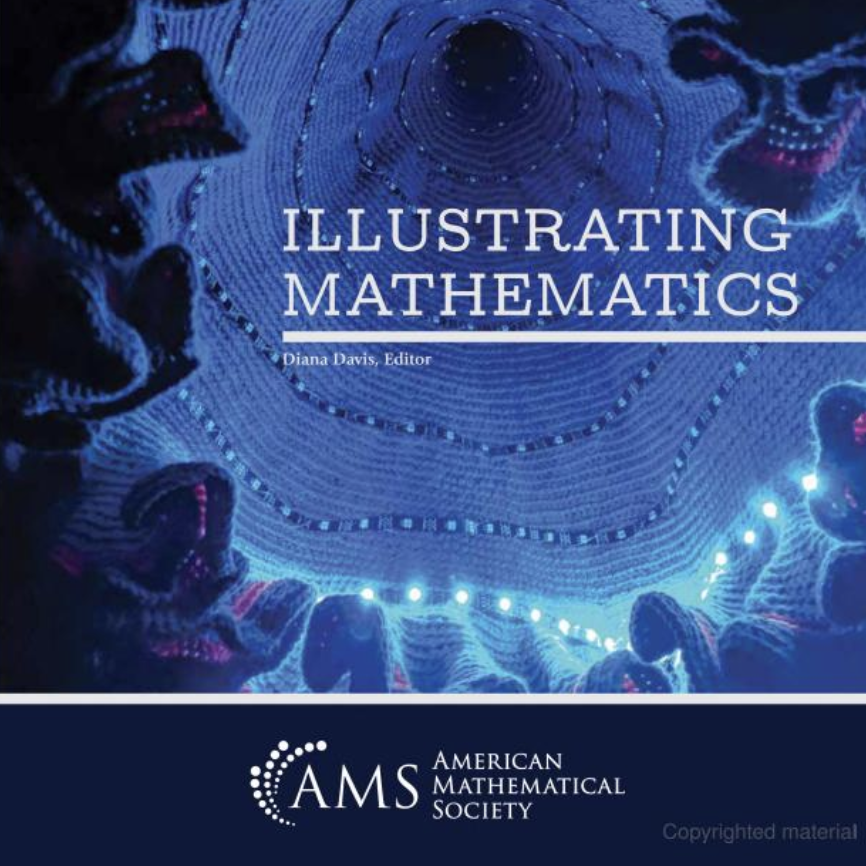
Illustrating Mathematics, AMS
A guide to illustrating ideas in mathematical research, including the process of making and the math behind each illustration.
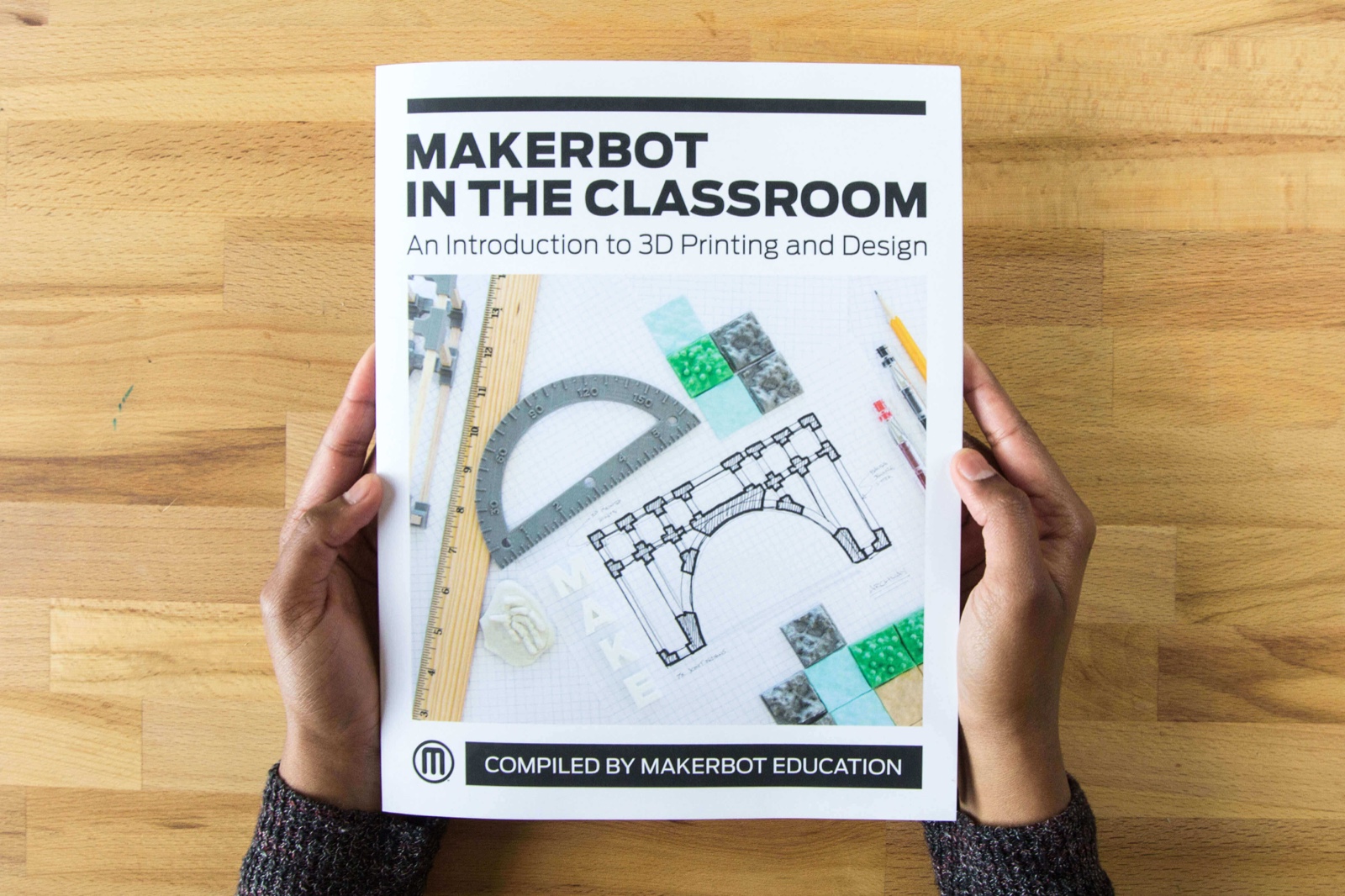
MakerBot in the Classroom
A handbook covering the basics of 3D printing and design, plus classroom projects for integrating 3D printers into the curriculum.
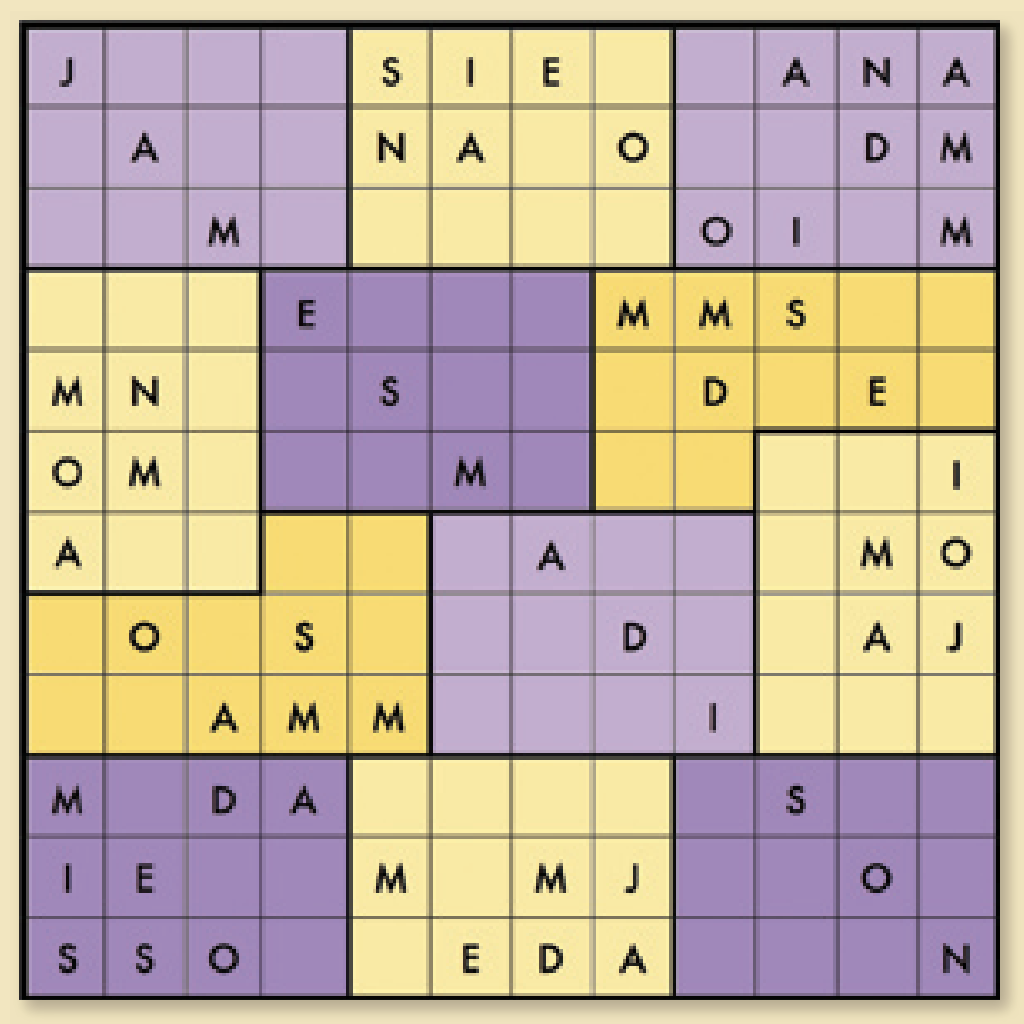
Madison Magazine
A general-audience look at the worldwide Sudoku craze and the math hiding inside it, published in Madison Magazine.
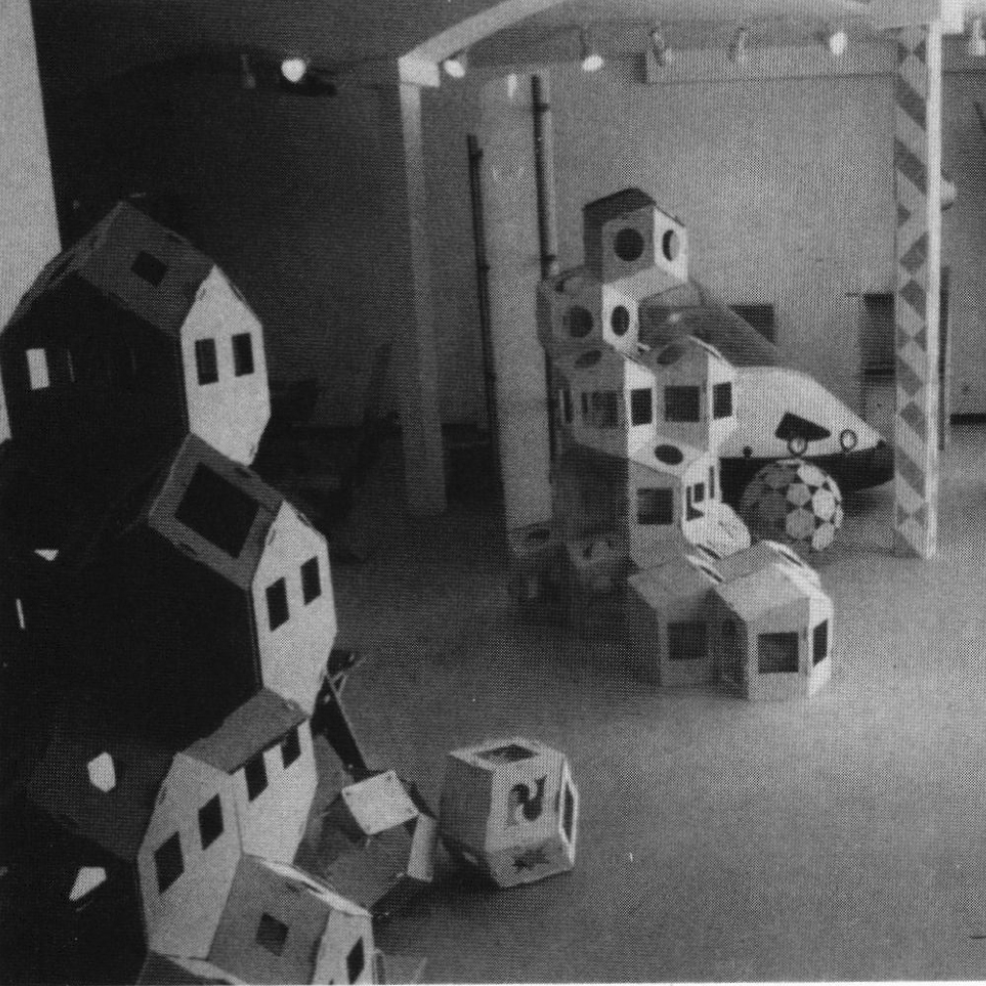
Math Horizons, cover
An article exploring Gregg Fleishman's architectural work and its connections to polyhedra and tessellations.
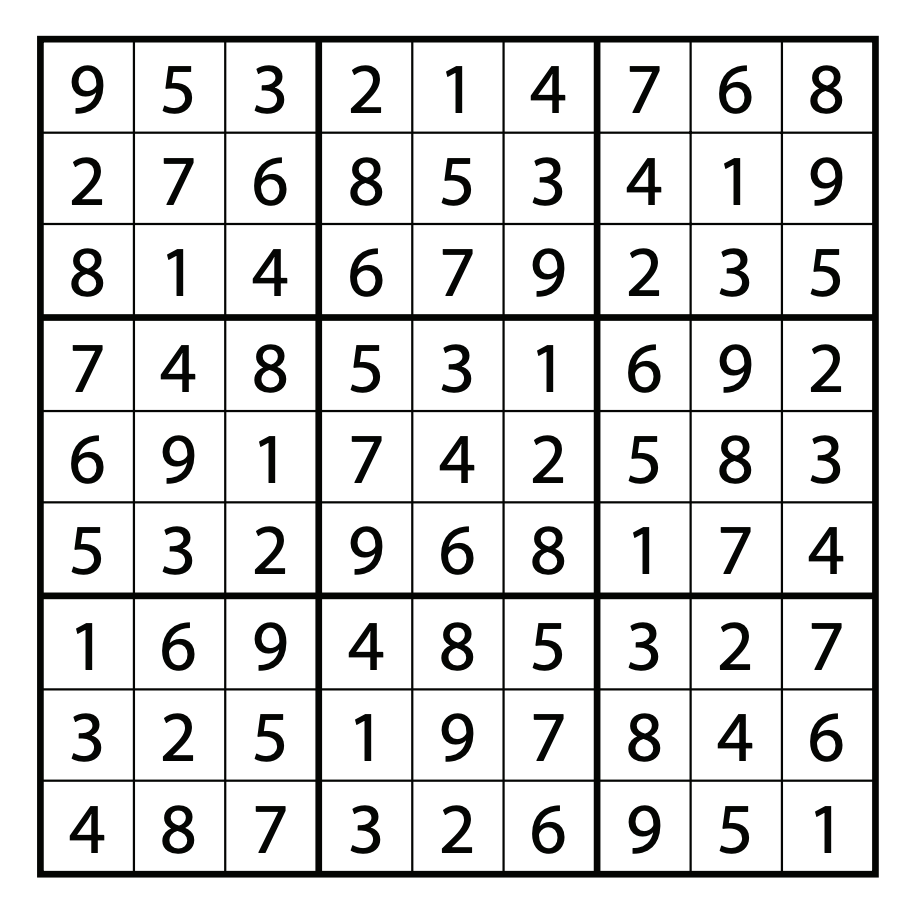
Math Horizons
These days it seems that everyone is filling in gerechte designs of order 9 with square subregions. But is it math?
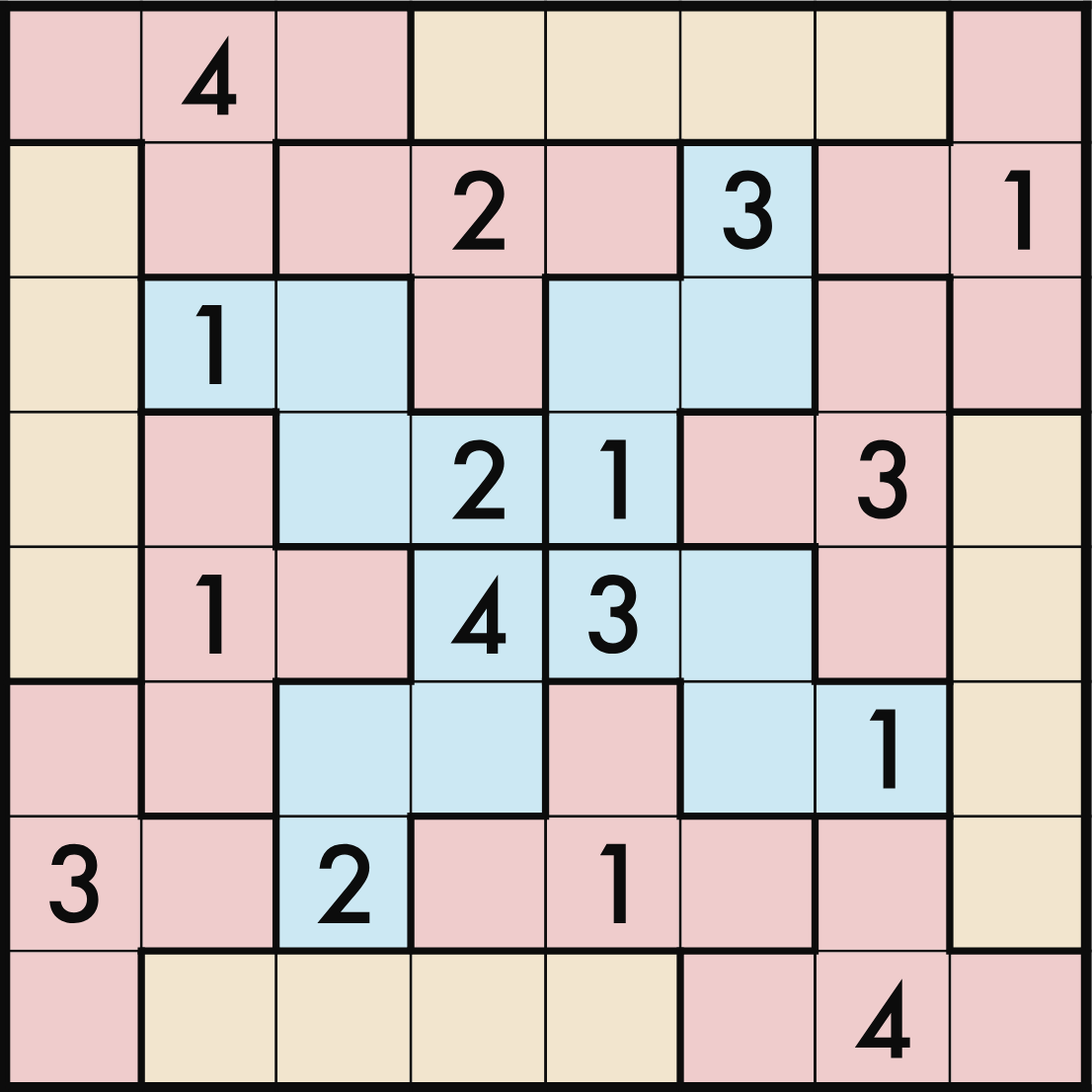
College Math Journal
In this 8x8 square the numbers 1, 2, 3, and 4 appear TWICE in every row and column, and once in every tetris region; published in the College Mathematics Journal.
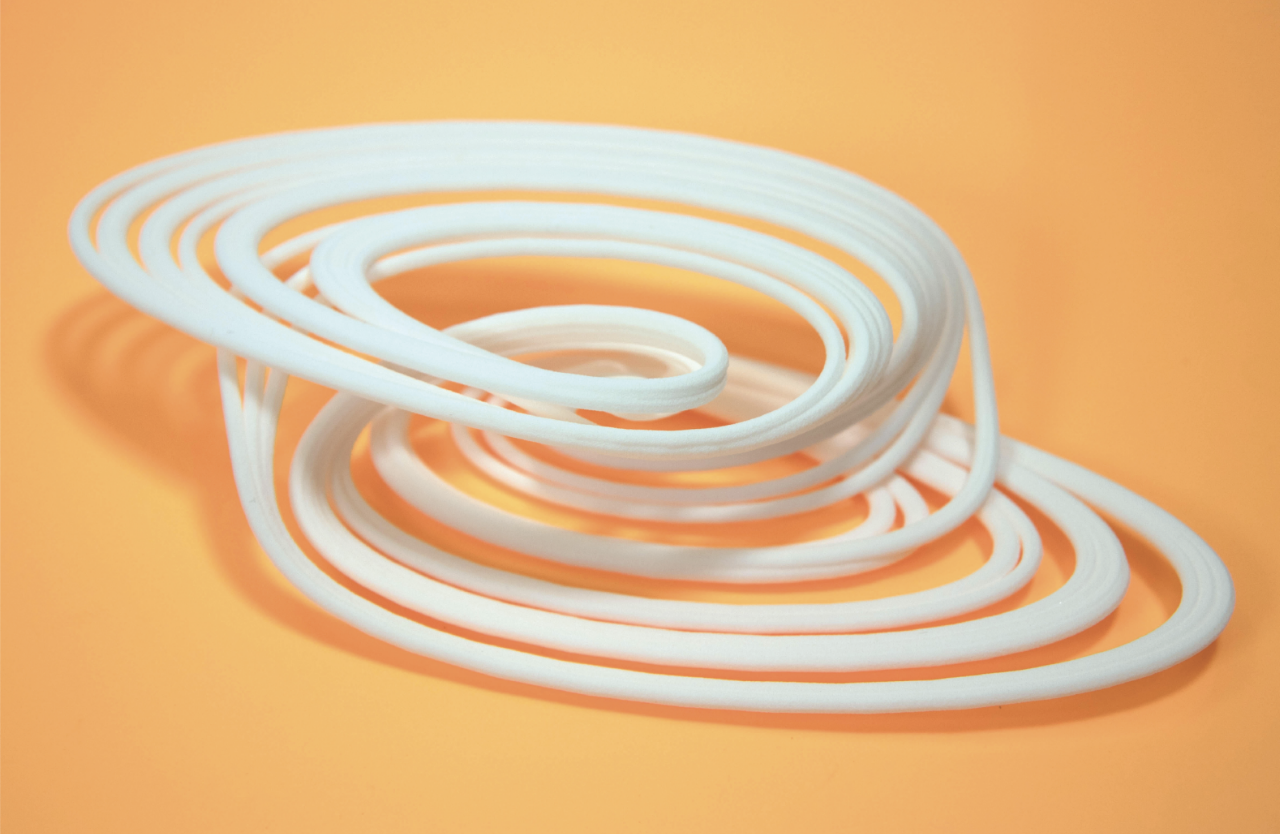
Notices of the AMS, cover
A 3D-printed model of the Arneodo chaotic attractor, featured on the cover of the AMS Notices.
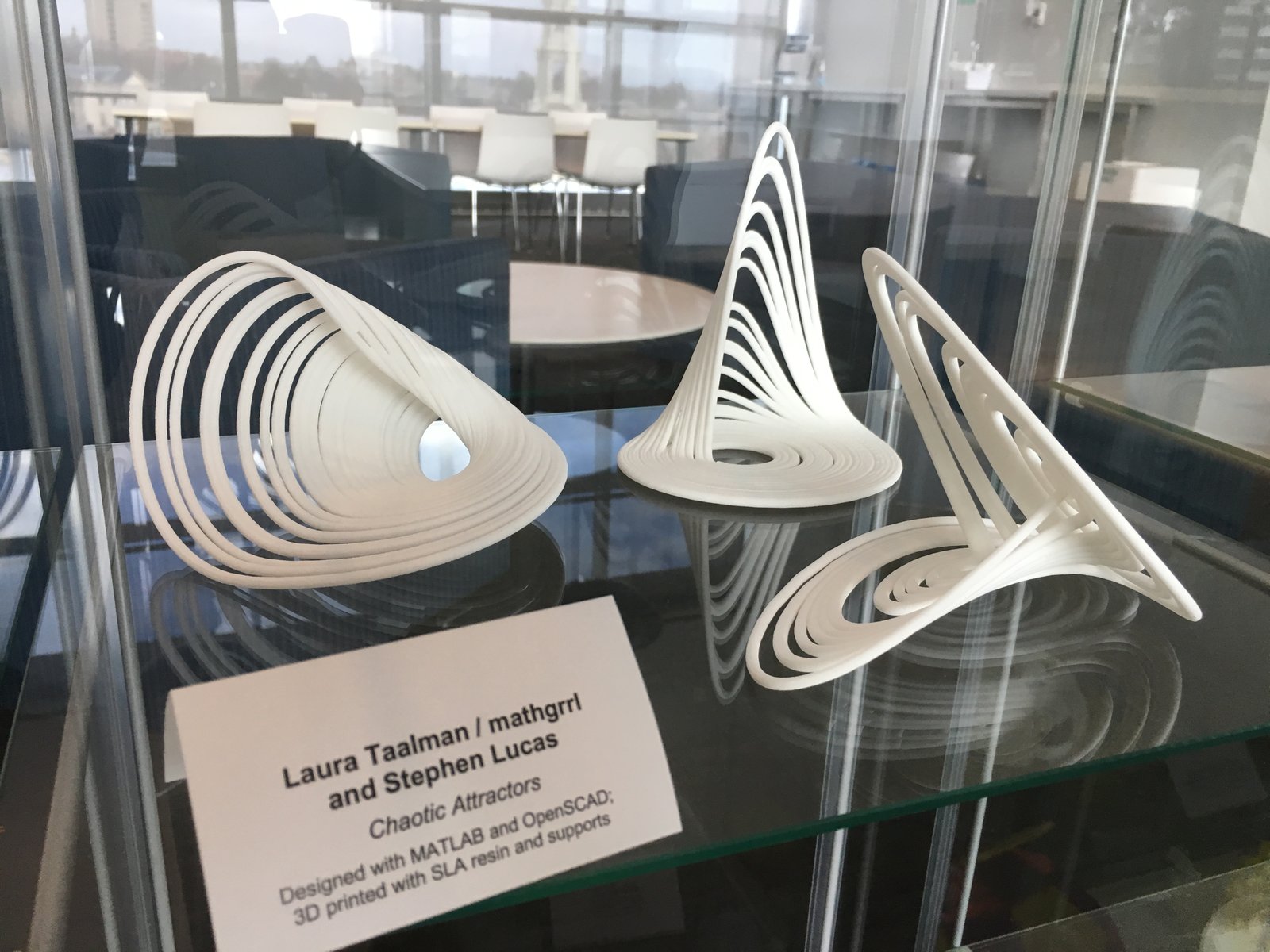
Women Making with Math
A set of 3D-printed models of chaotic attractors, modeled with a mixed-method approach that supports detailed mesh geometry.
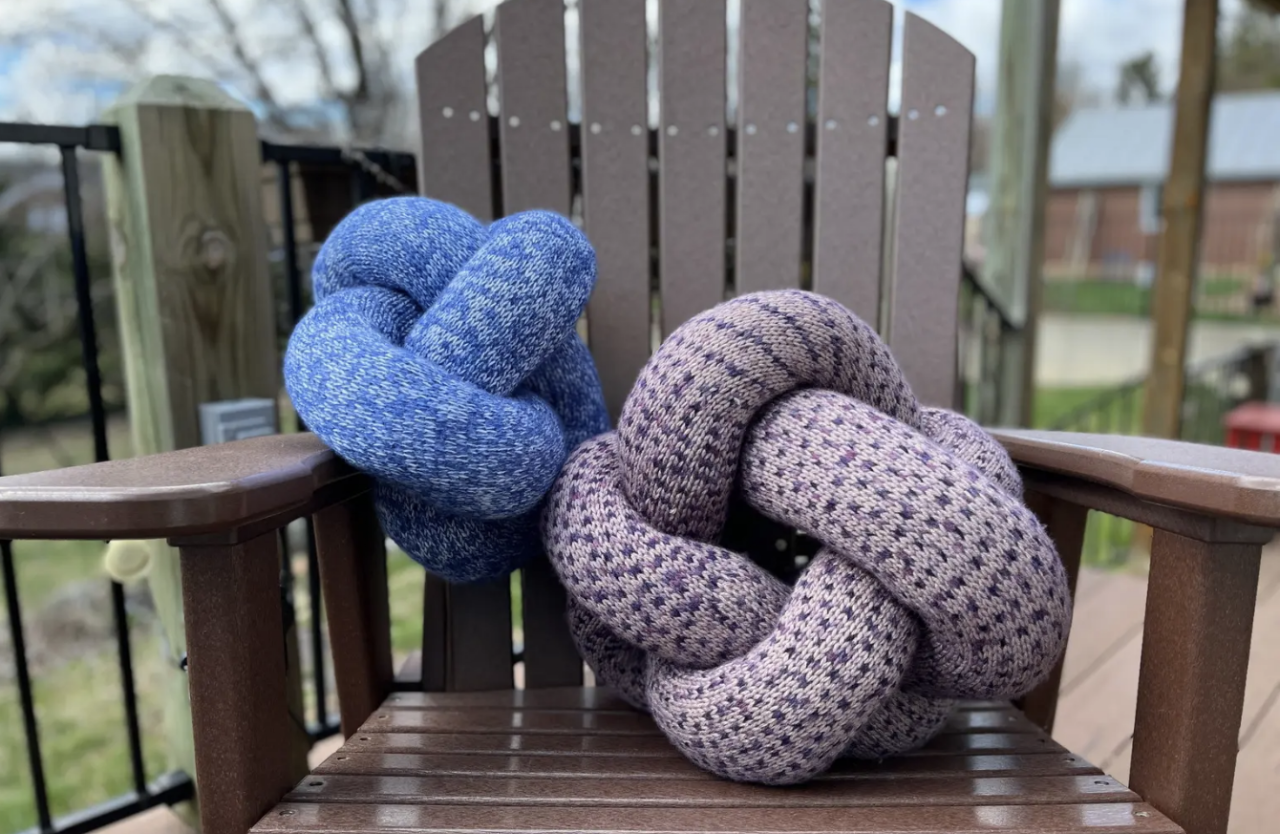
Bridges Halifax
Large-scale soft knitted sculptures of mathematical knots with tube-lengths set by known ropelengths of tight knot conformations.
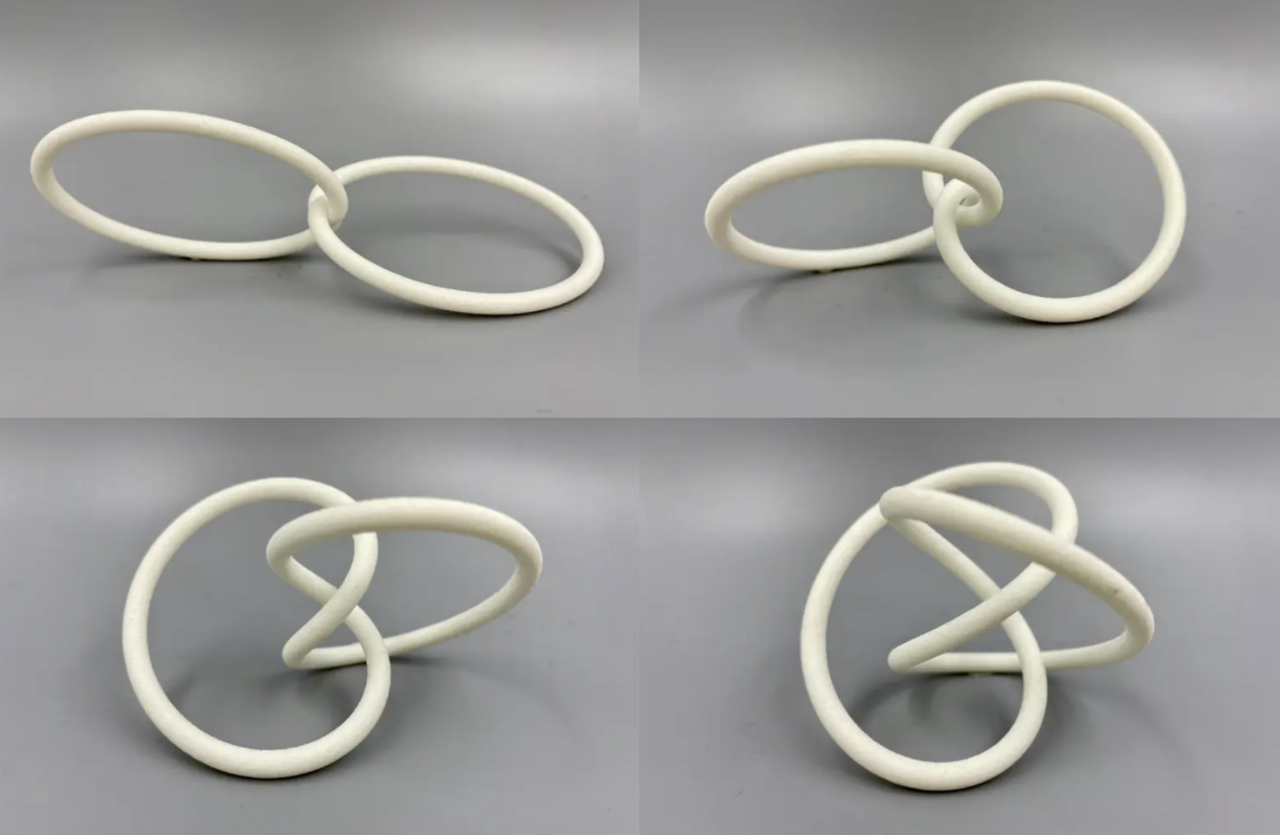
Bridges Aalto
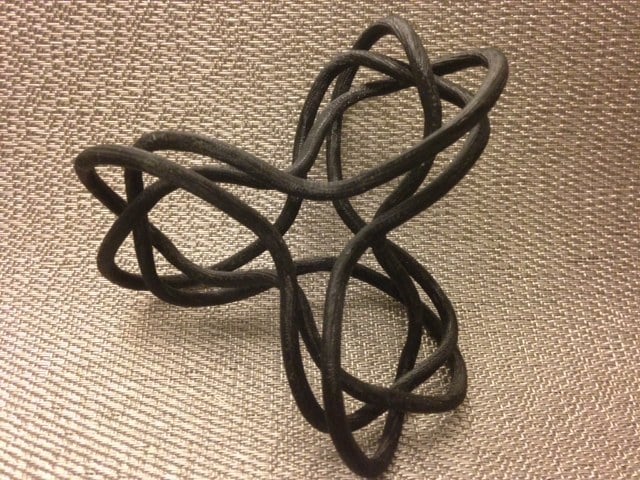
Optimized tritangentless trefoils that rock and roll down an inclined board, an interactive 3D-printed exhibit.
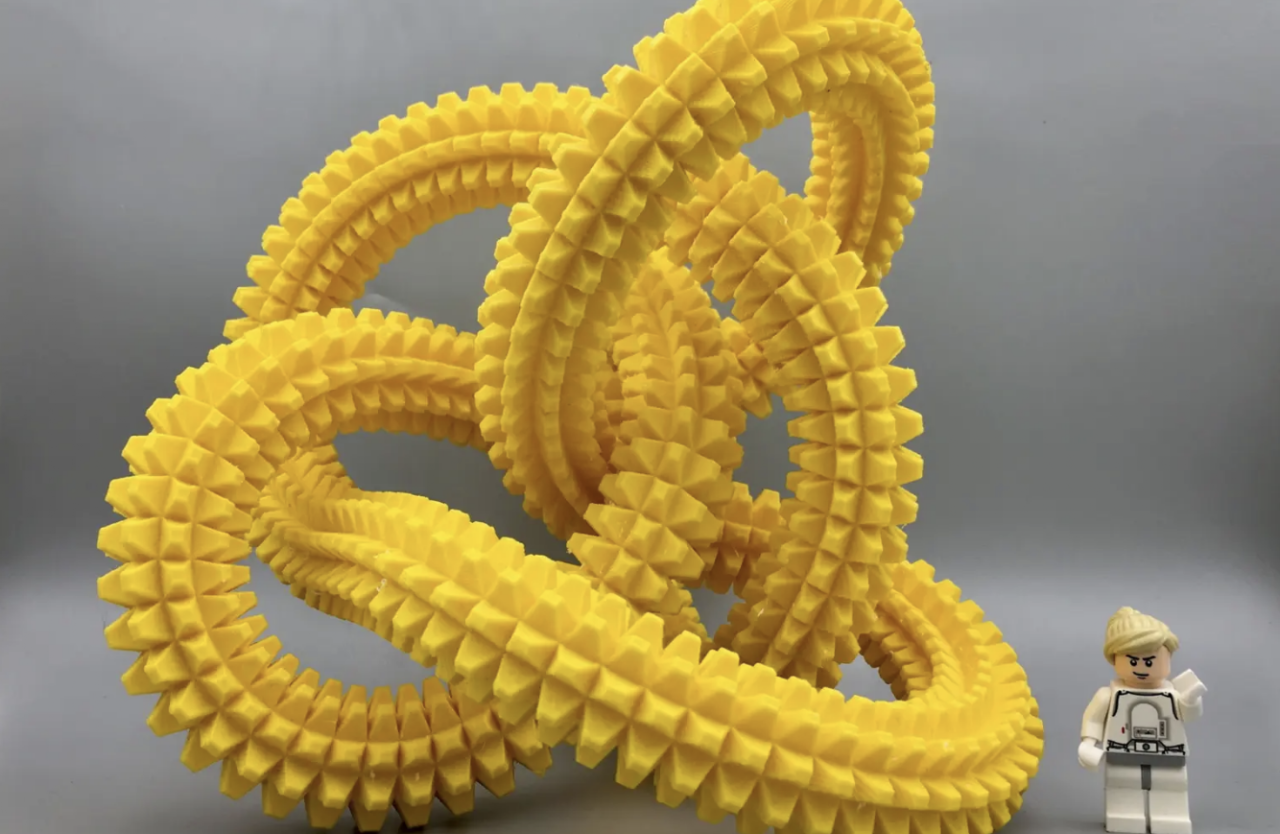
ICERM Illustrating Math
A large-scale stylized 3D print of the famous Perko knot, with spikes created in TopMod using the underlying quad mesh.
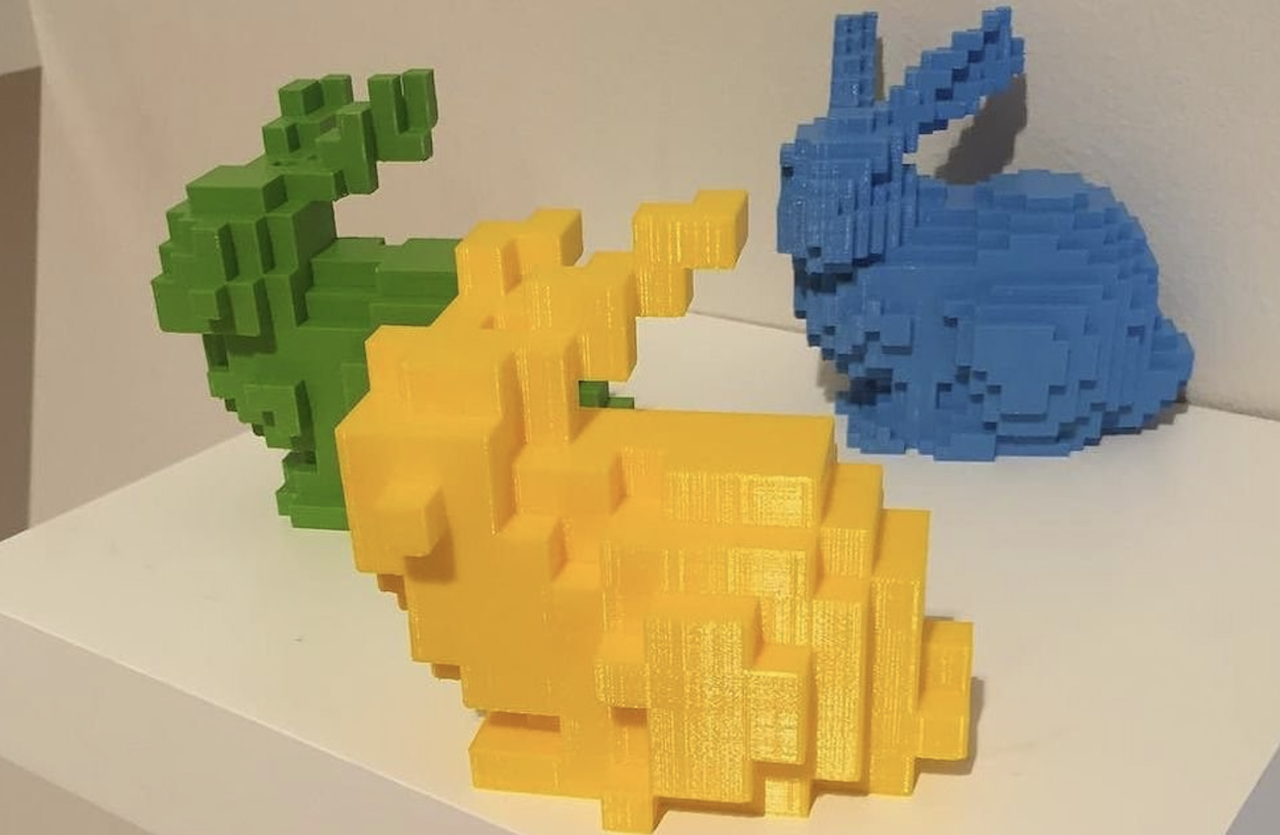
Cedarhurst Center for the Arts
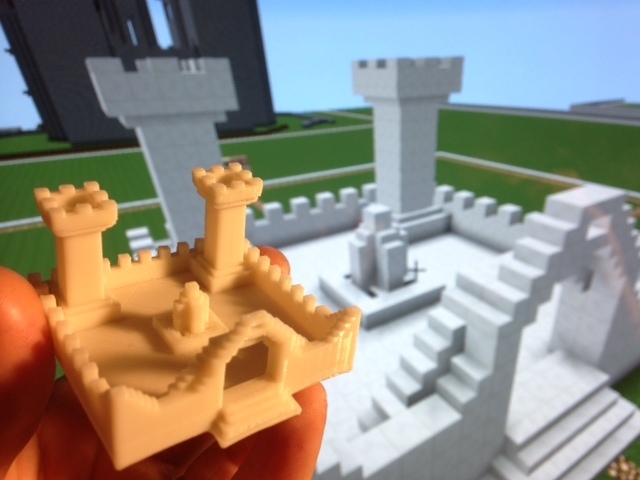
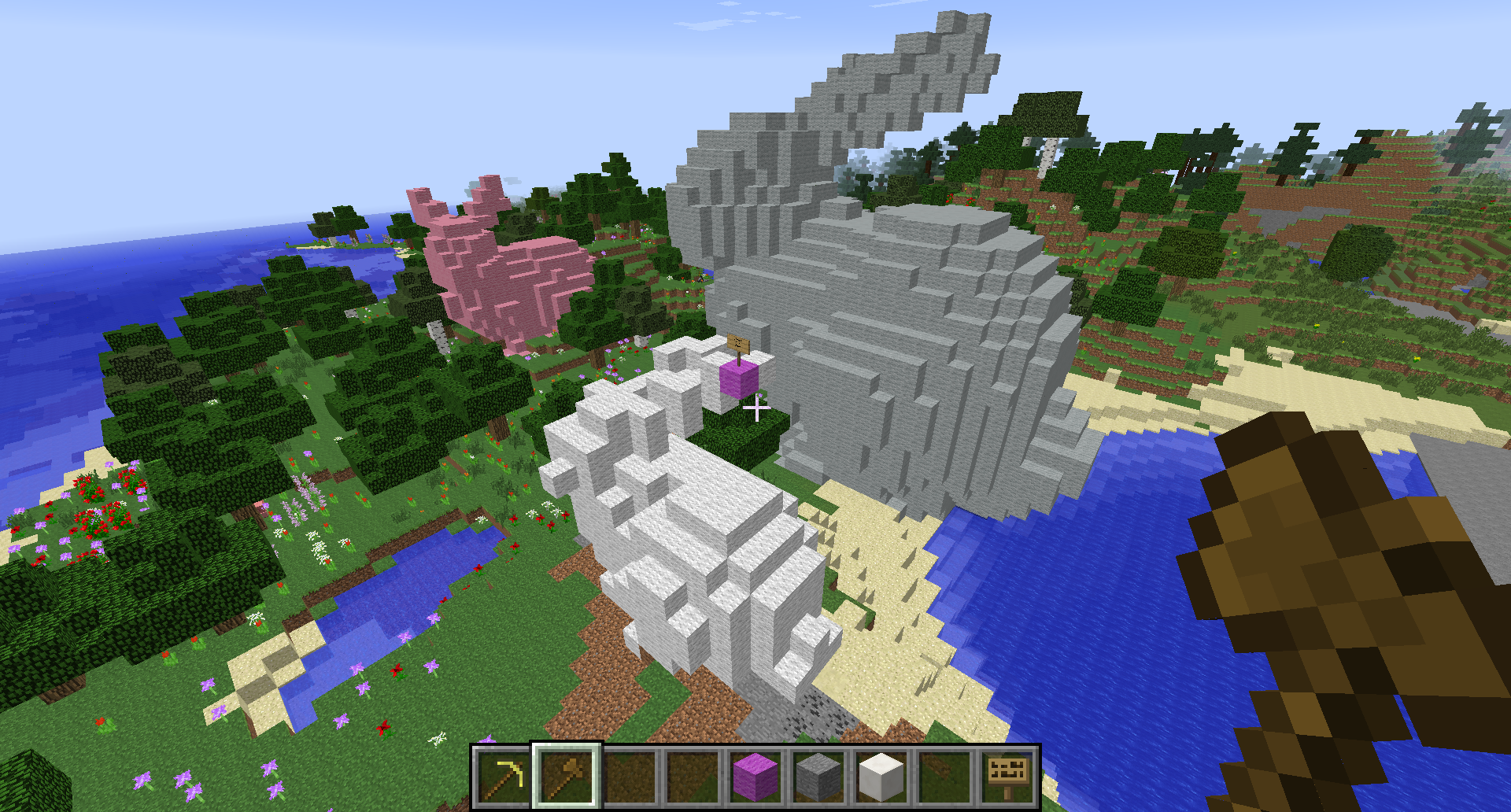
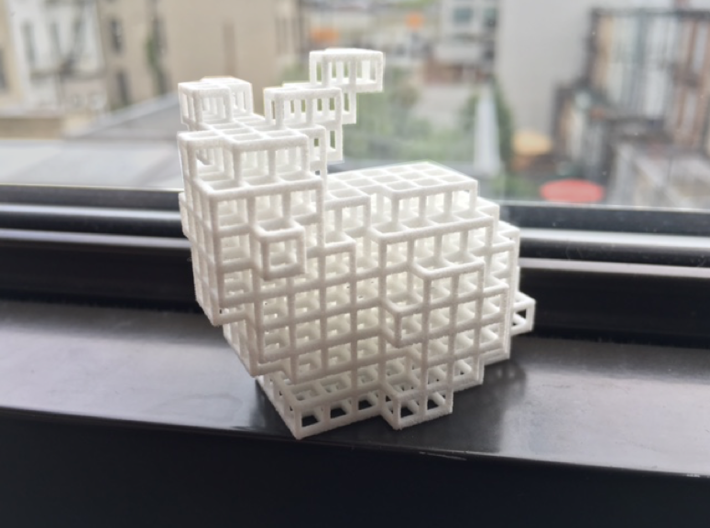
A playful series of low-voxel Stanford Bunnies created with a combination of Minecraft, Tinkercad, and Printcraft.
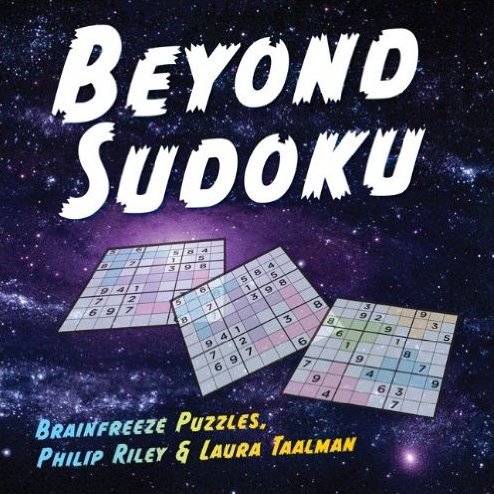
Puzzlewright Press
More than 150 Sudoku variants with special rules and extra regions that open up a whole new universe of challenges.
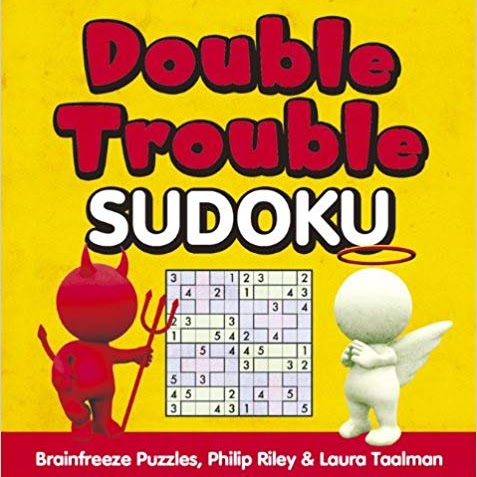
Puzzlewright Press
A book of Sudoku-like puzzles with pentomino regions, and rows and columns that contain TWO of every number.

Puzzlewright Press
A 10×10 Sudoku variant in which each grid includes five 10-cell grey regions that make up...fifty squares of grey.
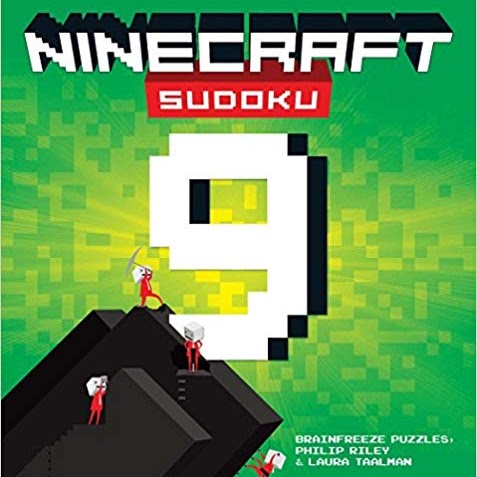
Puzzlewright Press
Sudoku puzzles with game-related shapes. The number 9 is never given; mine each grid to discover where it belongs.
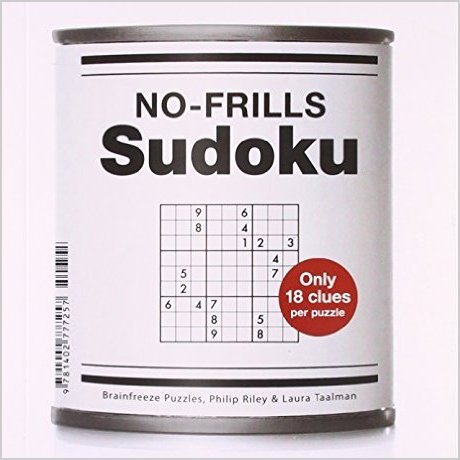
Puzzlewright Press
Each of these Sudoku grids has the minimum possible number of symmetric: just 18. No frills, more challenge!
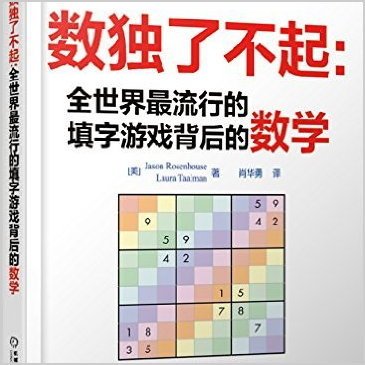
Machinery Industry Press
The Chinese edition of Taking Sudoku Seriously, exploring math through Sudoku puzzles.
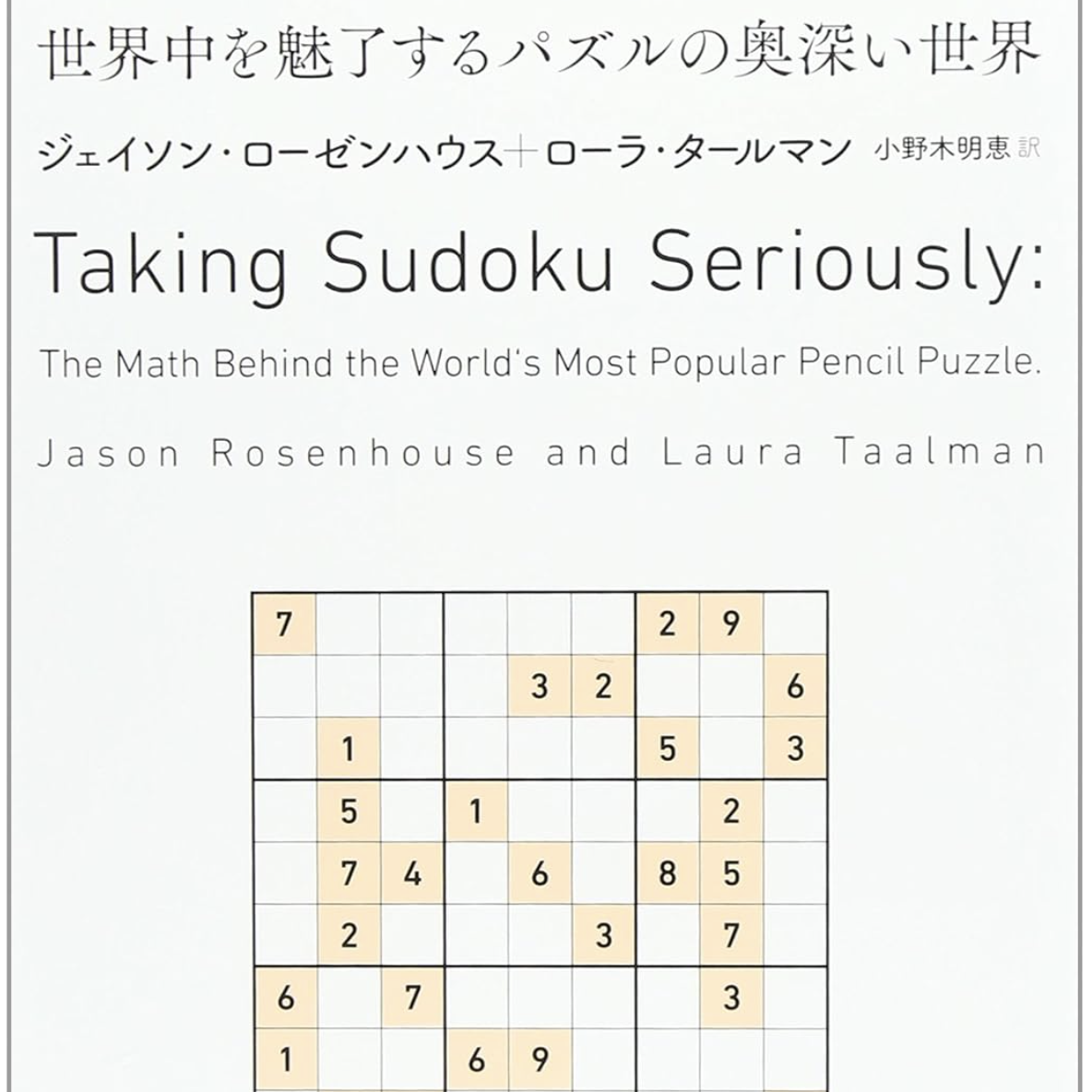
Seidosha Press
The Japanese edition of Taking Sudoku Seriously, in full color, with more than 90 original puzzles.
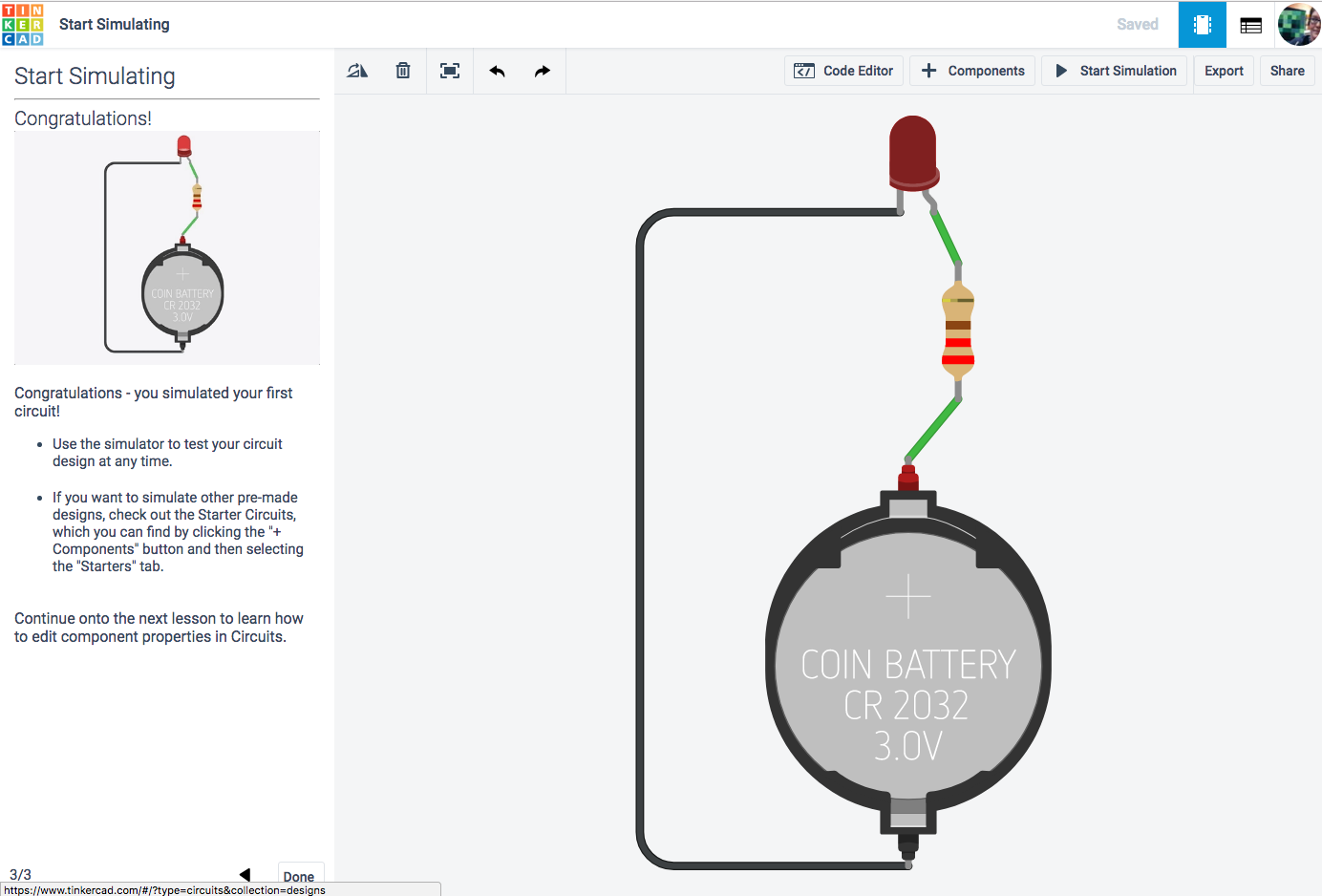
A look at Tinkercad's circuits feature for designing 3D-printable objects around LEDs, batteries, and Arduino.
A look at Morphi, a friendly iPad 3D design app simple enough for kids yet capable enough for real modeling.
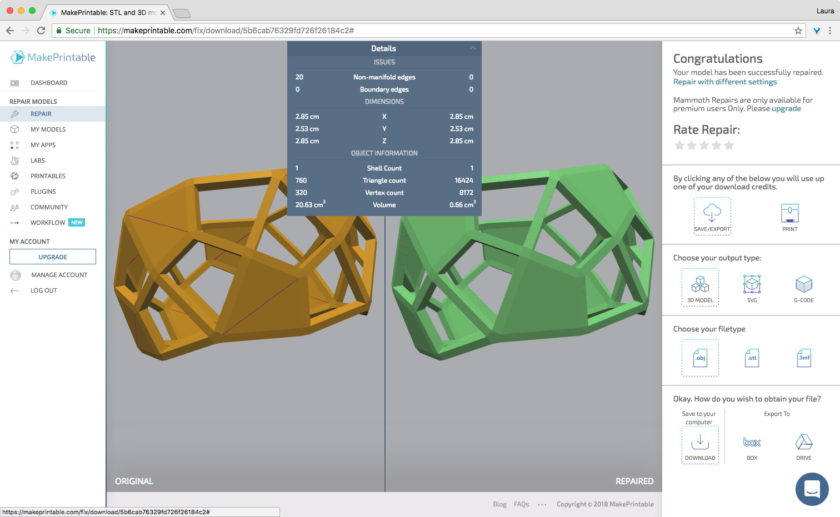
A workflow for repairing broken 3D meshes when Meshmixer and MeshLab tools aren't enough to fix your problems.
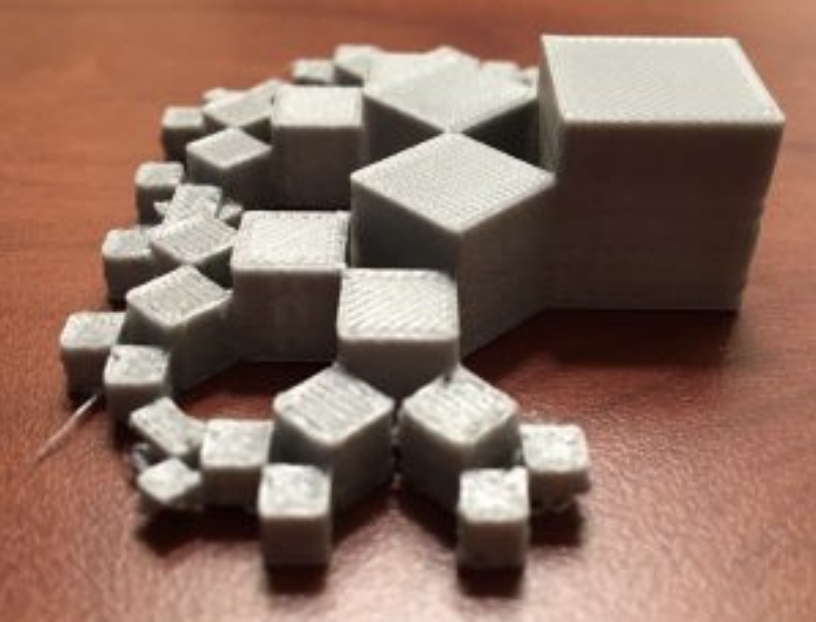
A classroom report on teaching a fractals unit to non-major gen-ed students in JMU's 3SPACE 3D-printing lab.
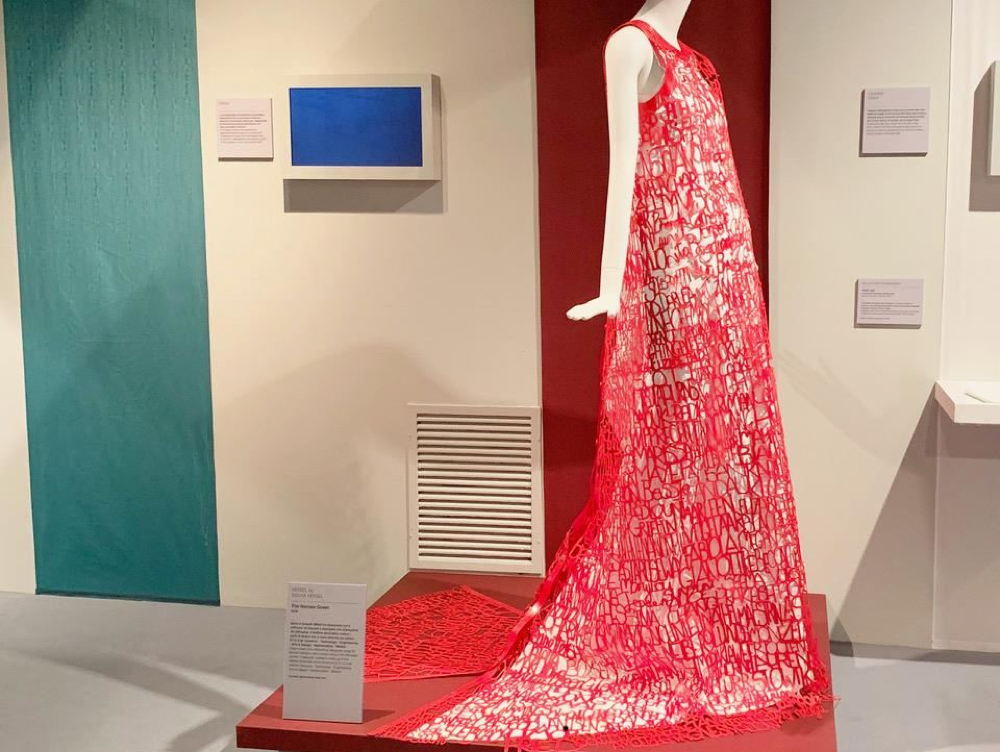
A compostable 3D-printed art dress woven from the handwritten names of 300 women in STEAM, exhibited in Florence.
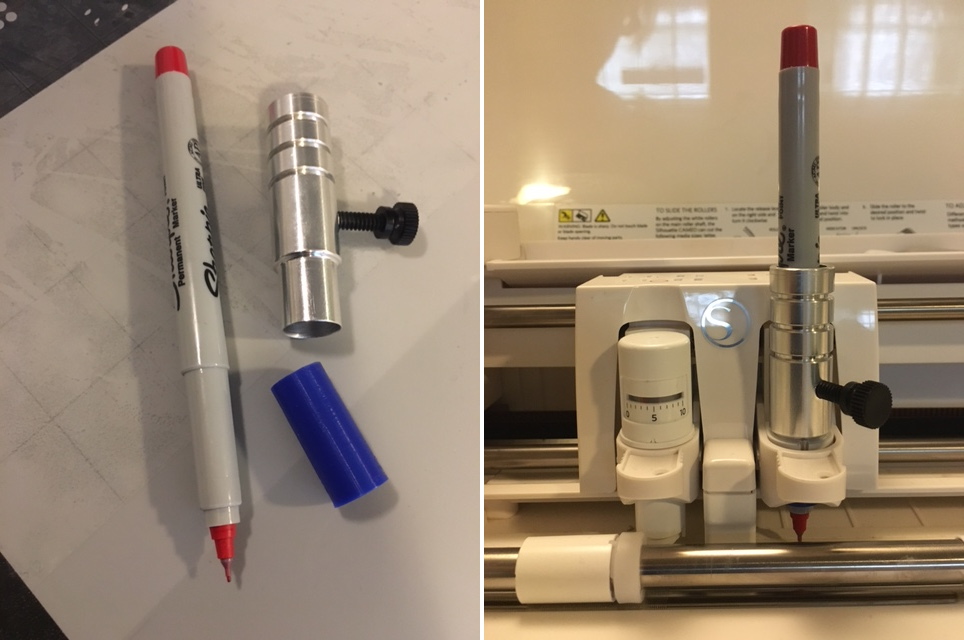
A tiny 3D-printed spacer that makes an ultra-fine Sharpie sit snugly in a Silhouette craft cutter.
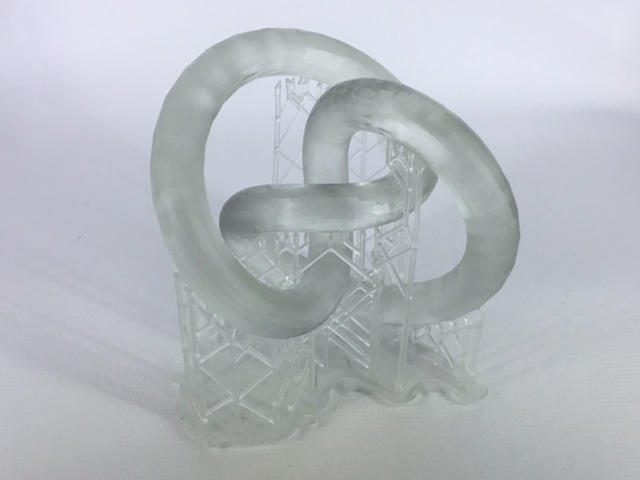
A dispatch from the UnKnot conference, where mathematicians designed and 3D-printed original knot models.
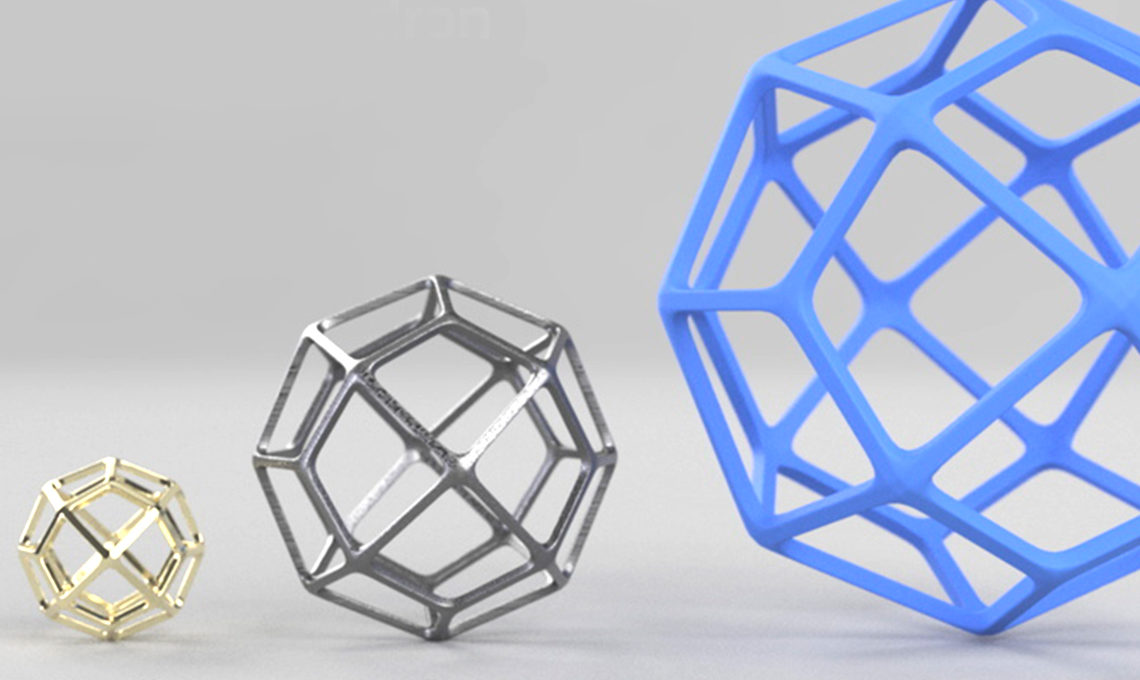
How auto-checks, human checks, and prototyping work together to make strong but delicate models.
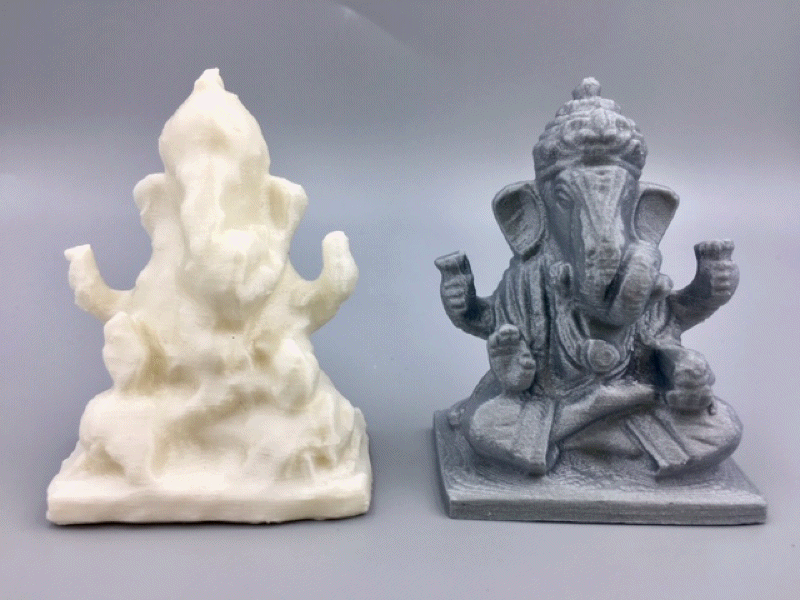
Comparing 3D scanning with Trnio, Qlone, Meshroom, and a pricey EinScan, to scan a Ganesha statue.
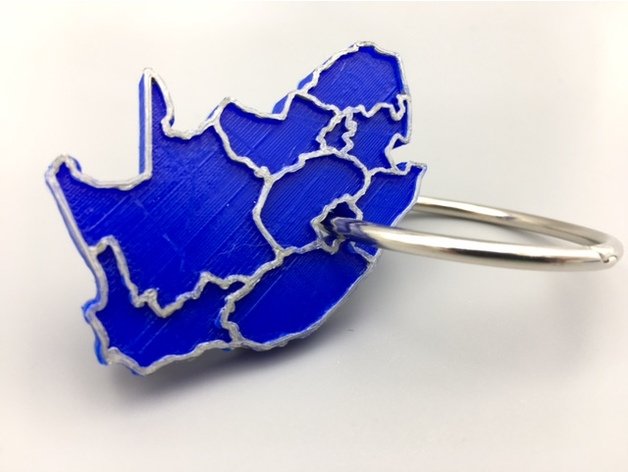
A 3D-printed South Africa keychain made for a U.S. Embassy speaking tour — nine provinces, with Lesotho as the keyring loop.
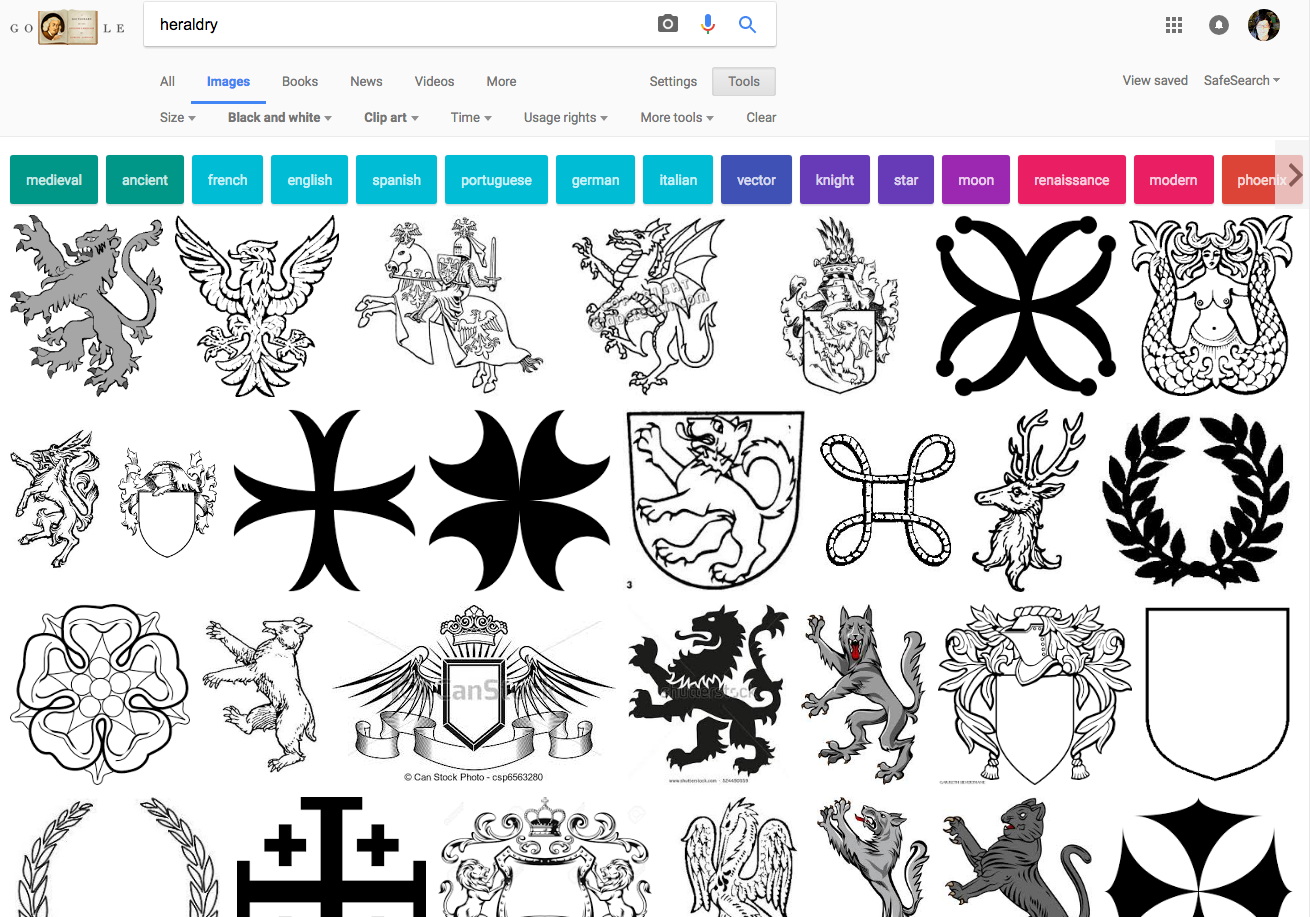
A guide for stamping custom heraldry onto tabletop miniatures using a relief emboss in Meshmixer.
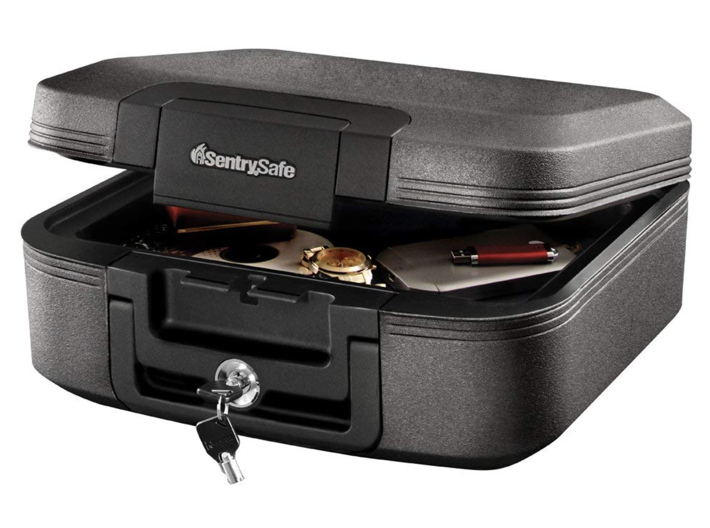
Best practices for making local backups of your online work from Thingiverse, Shapeways, Etsy, YouTube, WordPress, and more.
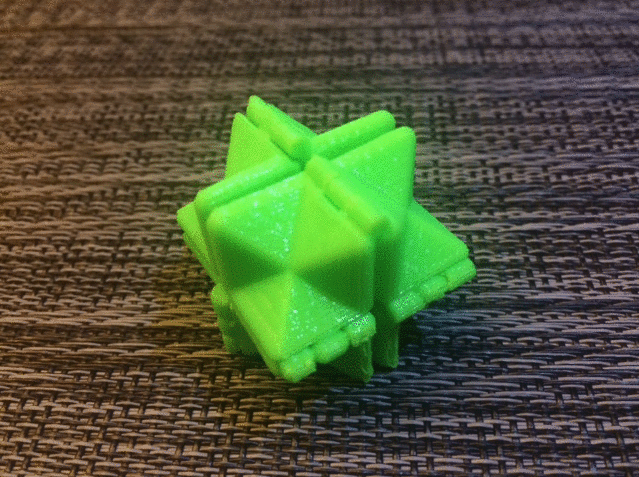
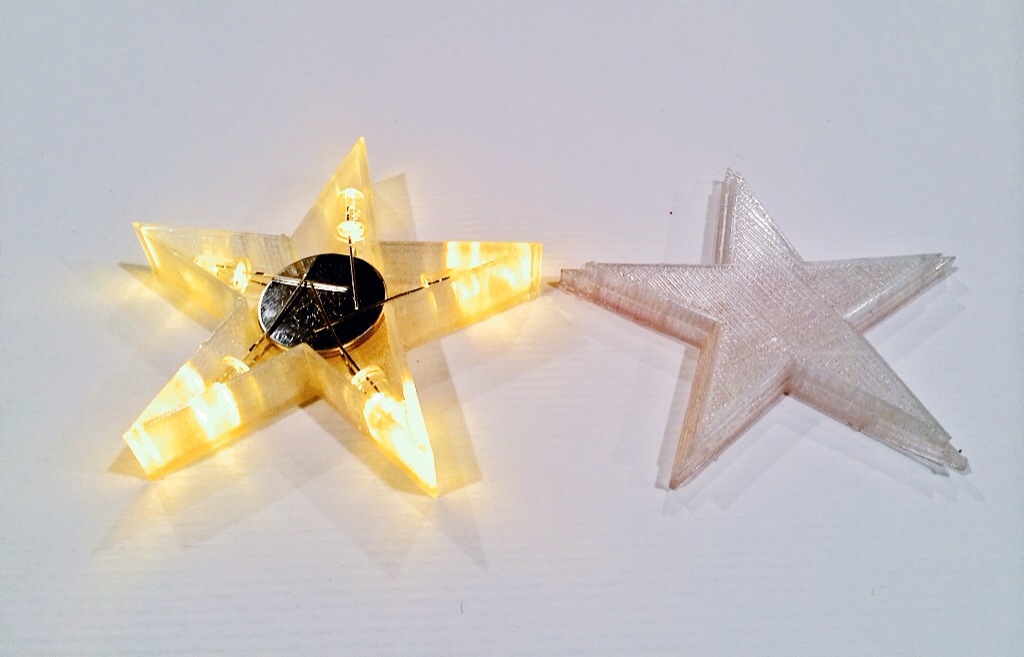
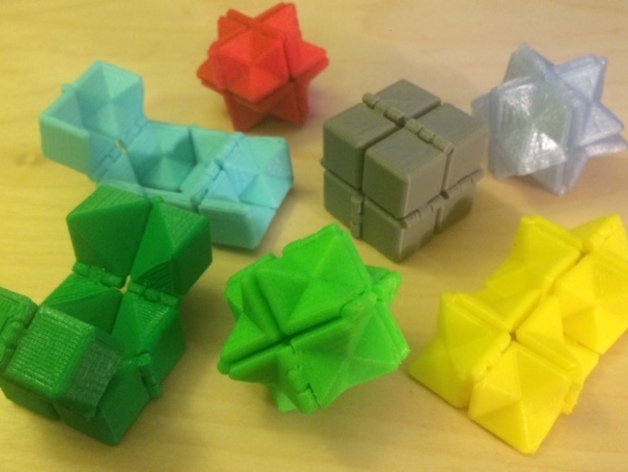
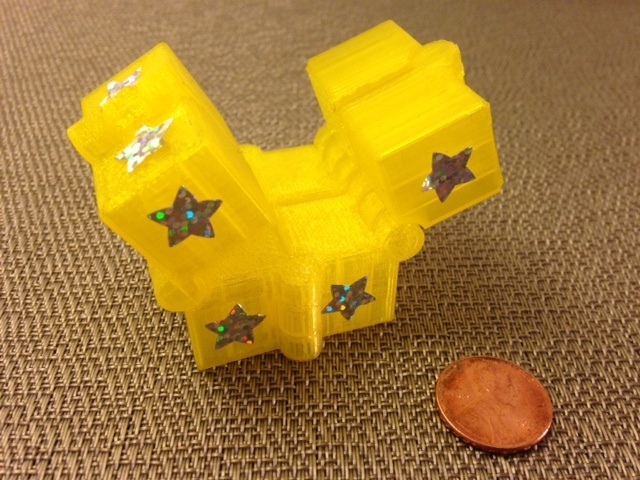
Design-battle entry #1: The Fidget Star, a print-in-place Fidget Cube remix that prints folded as a cube and opens into half a Yoshimoto Cube.
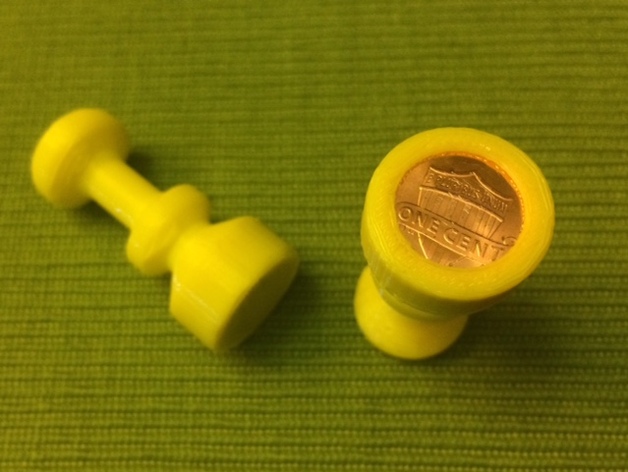
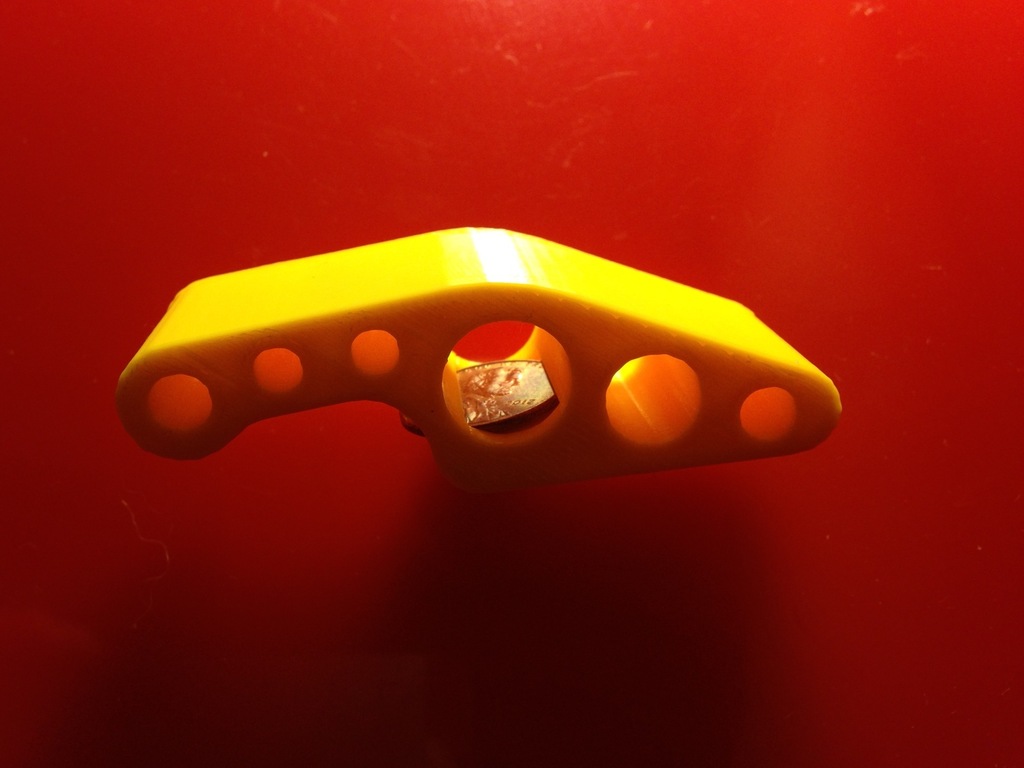
Design-battle entry #2: A Five-Cent Hammer that gets its heft from five US pennies embedded right into the print.
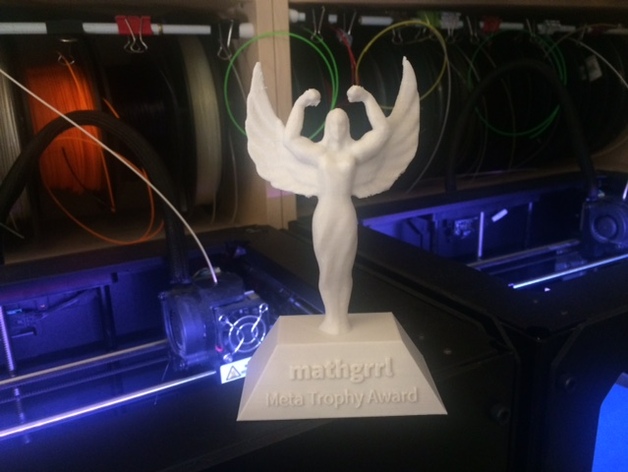
A guide to baking any Thingiverse mesh into OpenSCAD with a Blender add-on, so an existing model can drive a Customizer.
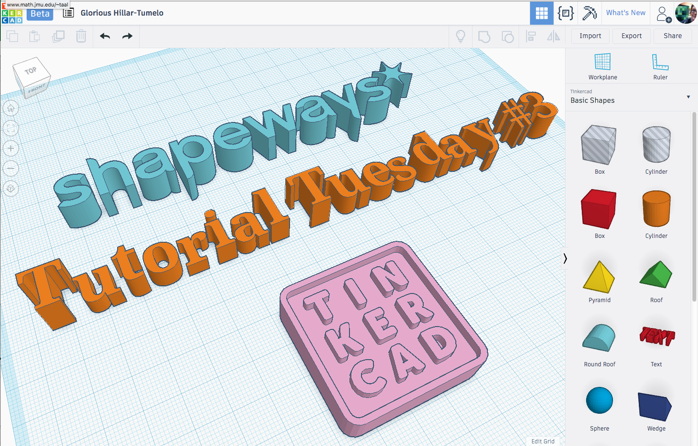
A beginner's first project in Tinkercad, from dragging shapes to ordering a print, in the time it takes to drink a coffee.
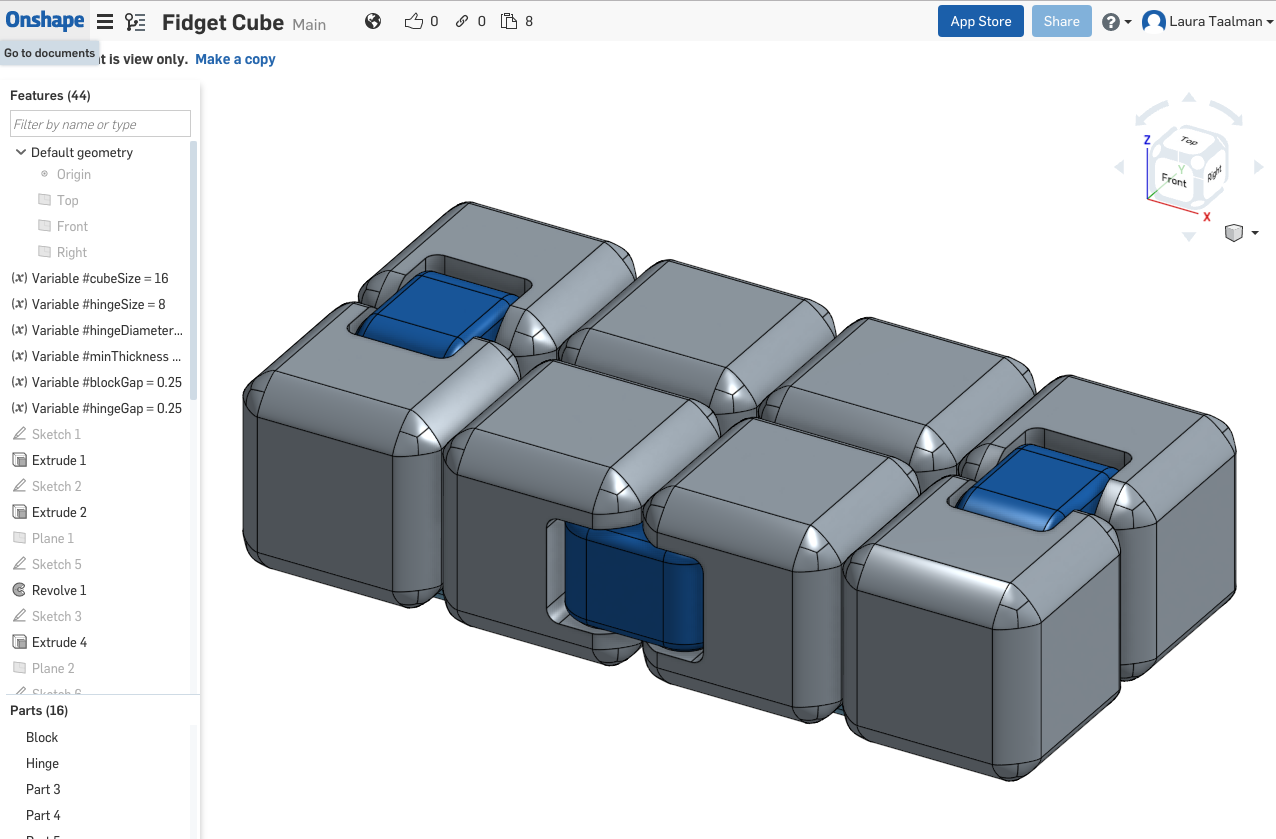
An introduction to Onshape, free cloud-based parametric CAD that gives hobbyists and educators a Solidworks alternative.
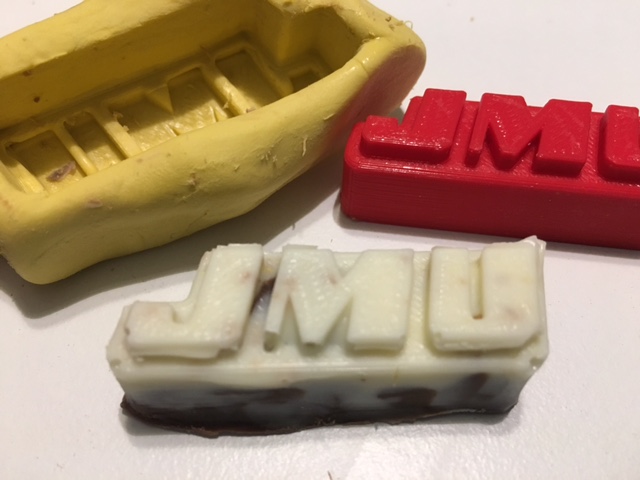
A tutorial for 3D-printing presses that cast food-safe silicone candy molds, with Fusion 360 fillets to keep corners air-free.
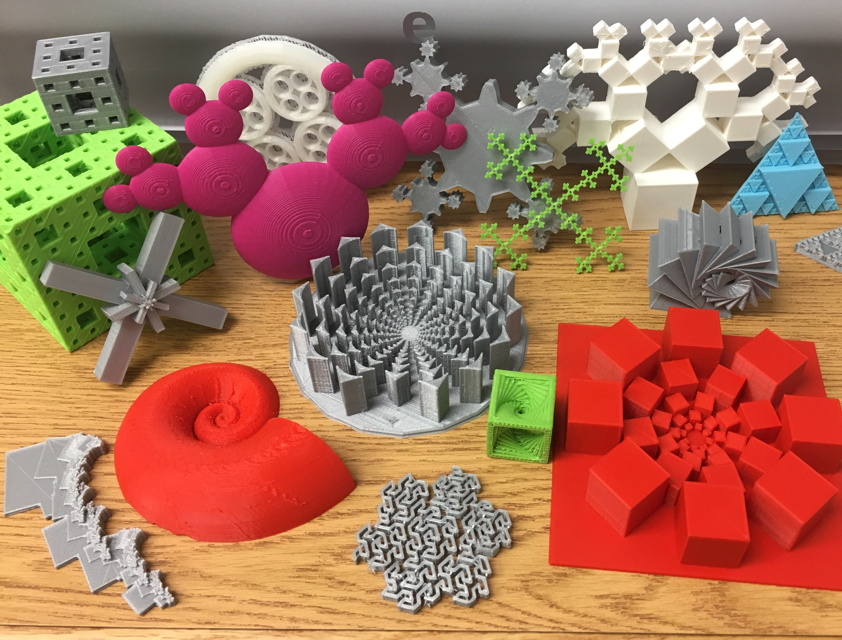
A college gen-ed math course where students explored fractals, infinity, and Prince Rupert's cube in JMU's 3D printing classroom.
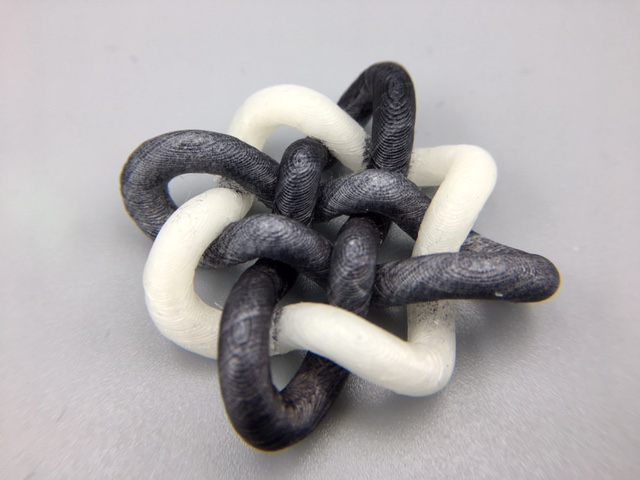
A step-by-step Fusion 360 tutorial for designing 3D Celtic knots by contructing splines that connect a grid of mathematically-placed dots.

A recap of Construct3D at Duke, where 250+ educators leading 3D-printing programs gathered to build a community.
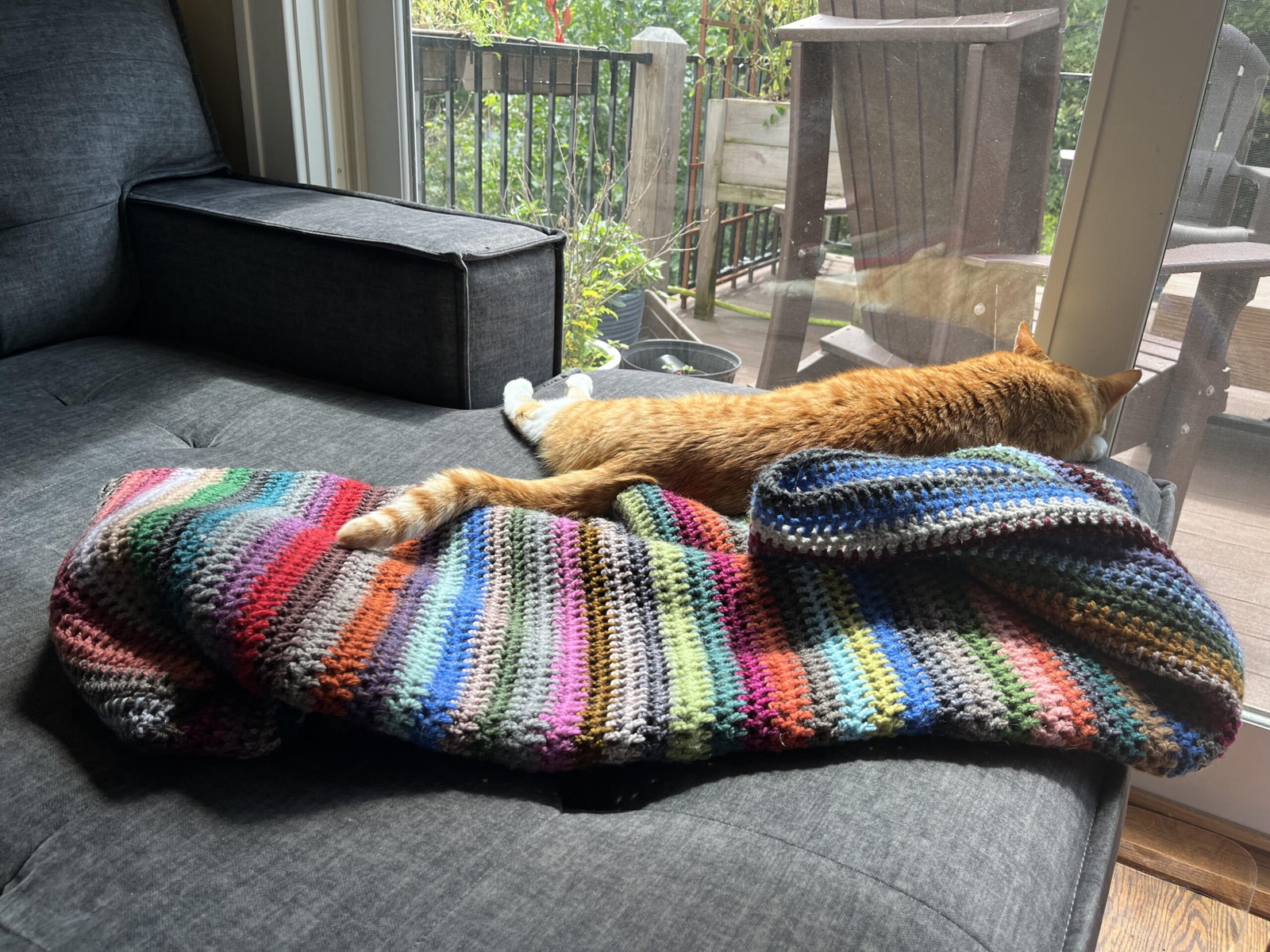
Detailed instructions and tutorial video for crocheting a simple multicolor stash-busting blanket with careful edge work.
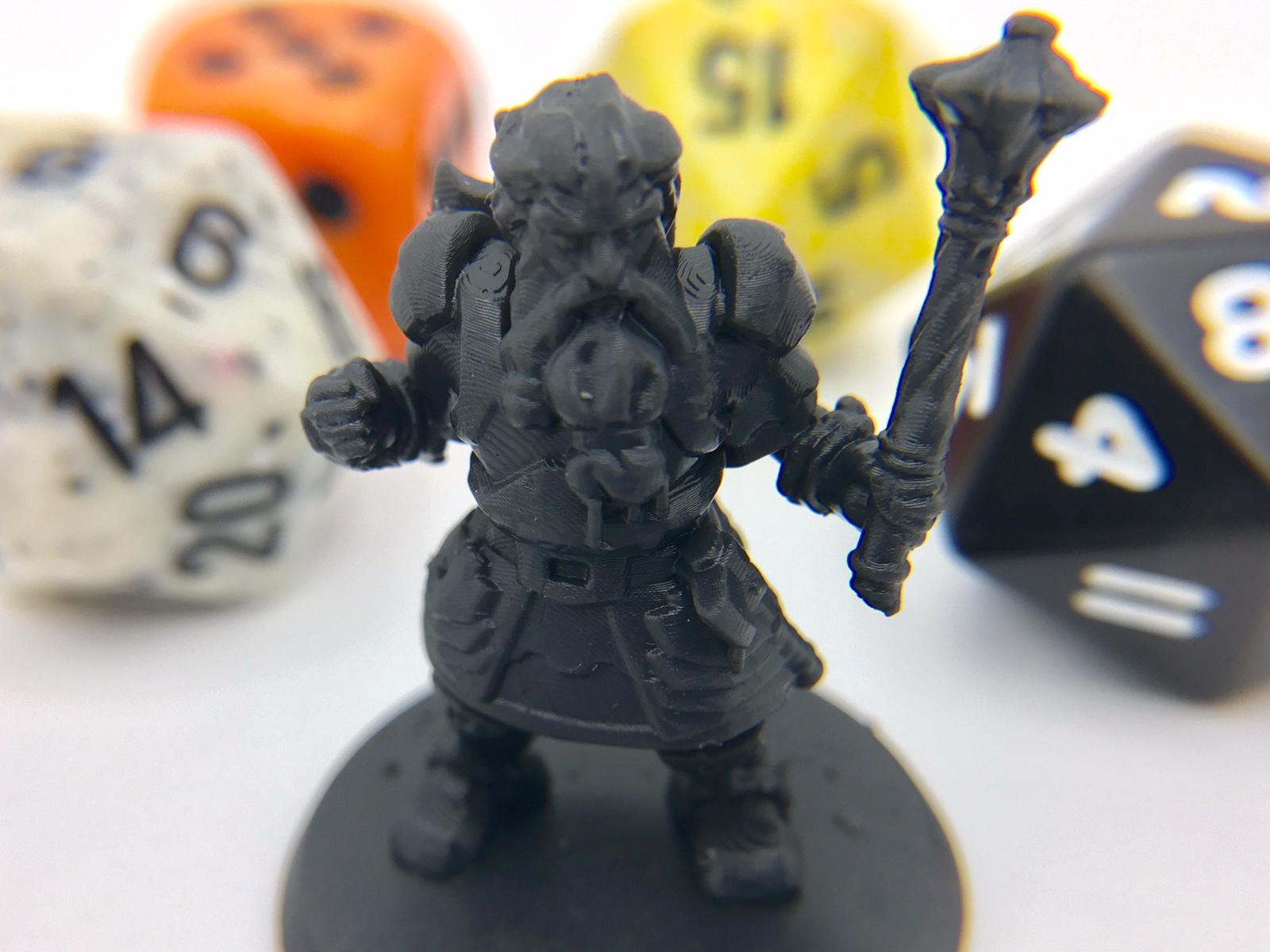
A tutorial for building printable Dungeons & Dragons miniatures from scratch with the Hero Forge online customizer.
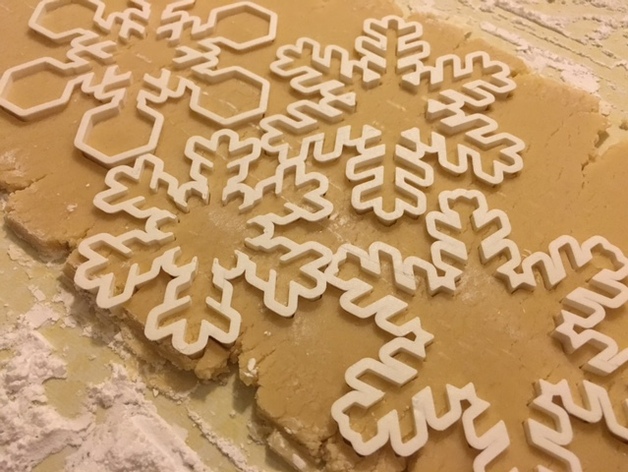
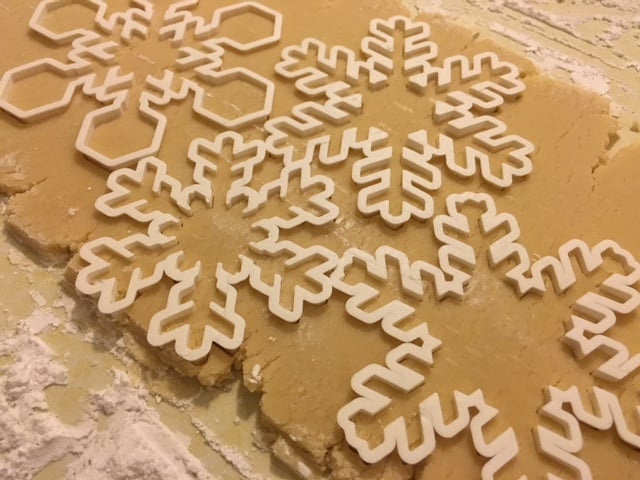
A holiday build that turns models from the Snowflake Machine into customizable 3D-printed snowflake cookie cutters.
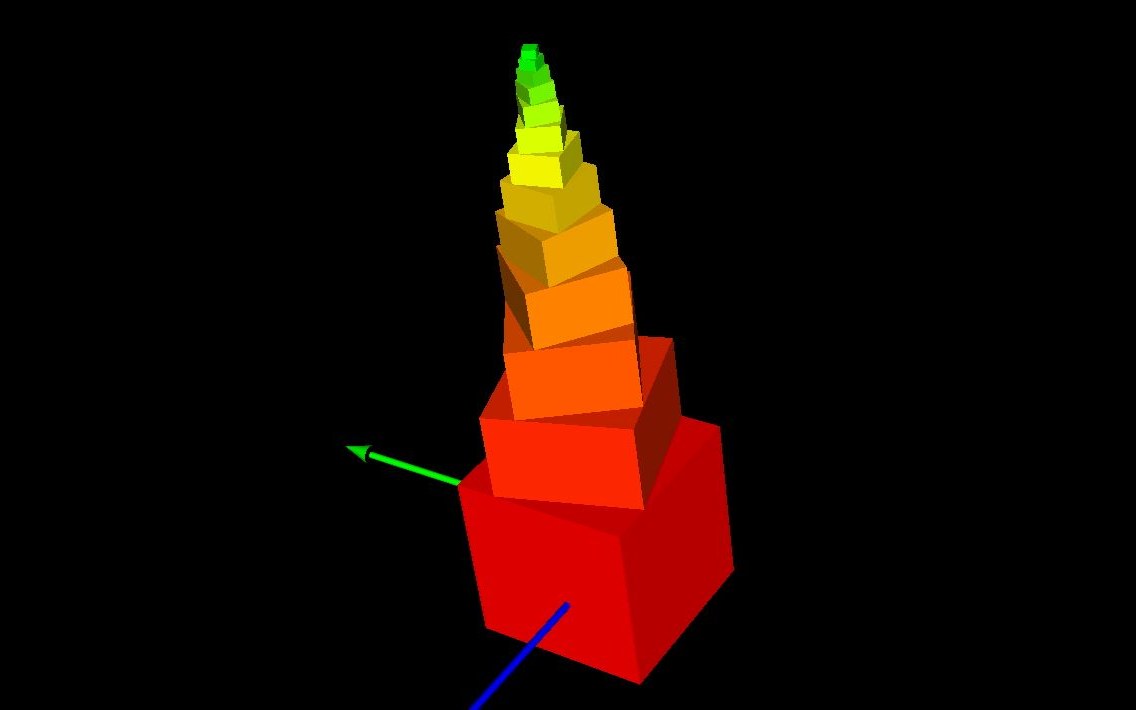
An introduction to Structure Synth, which grows staggeringly complex 3D models from a few lines of EisenScript code.
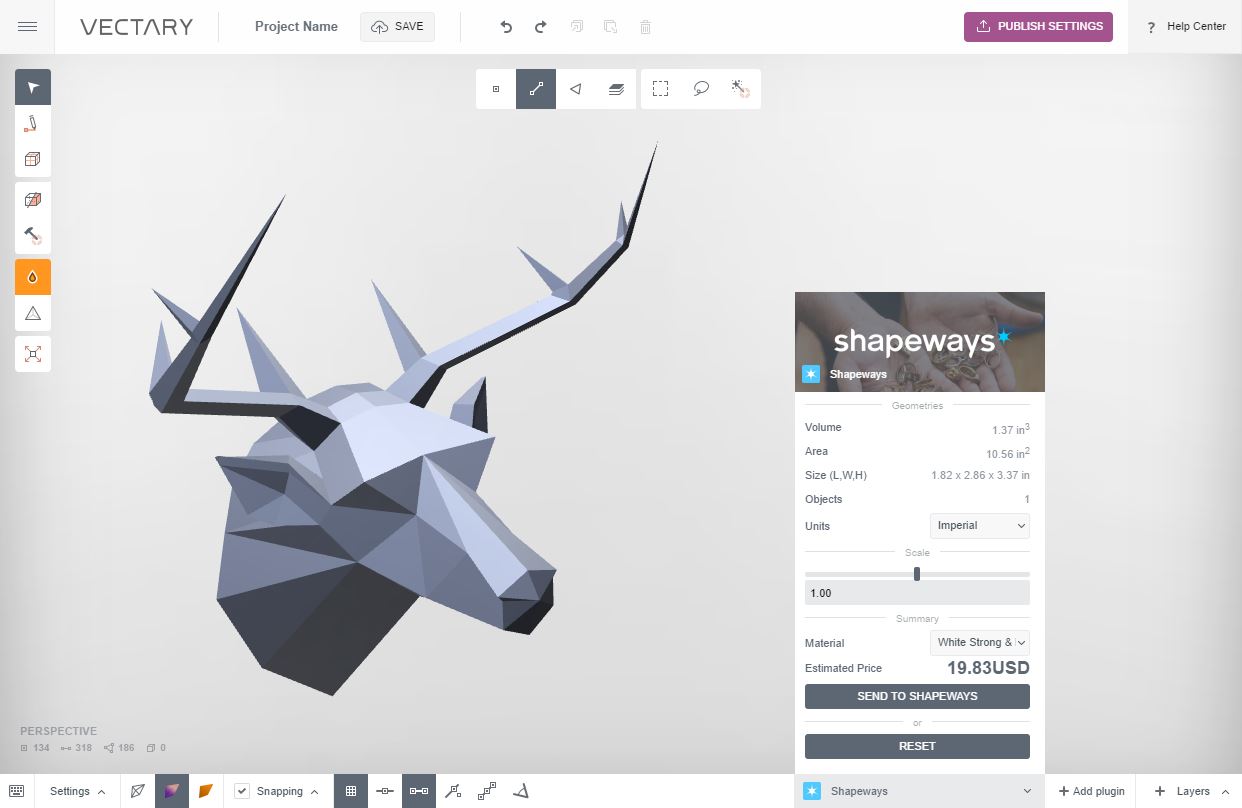
A design tutorial on exploring what Vectary is good at, then letting the software guide what you make instead of fighting it.
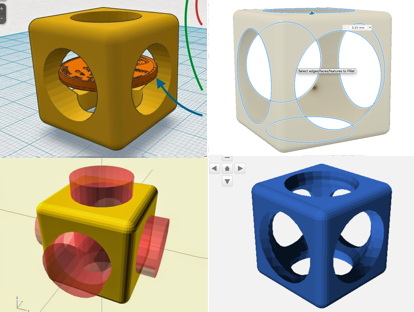
Modeling the same thing four ways: Tinkercad, Fusion 360, OpenSCAD, and Thingiverse Customizer.
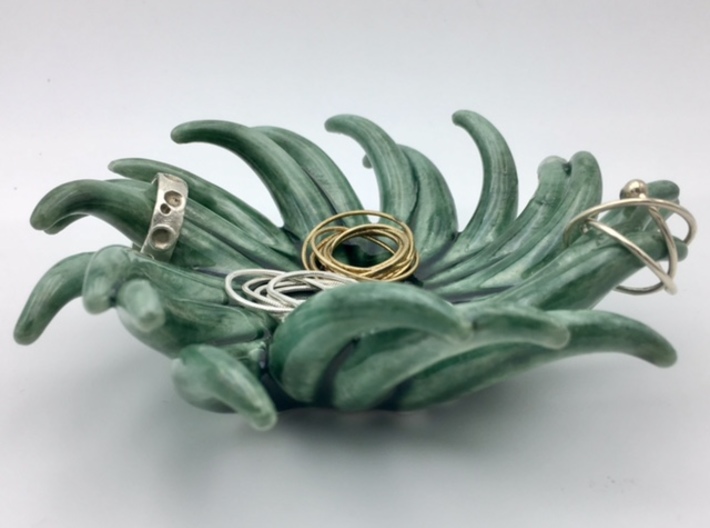
A tutorial for optimizing designs for 3D-printed porcelain, where cost tracks surface area instead of volume.
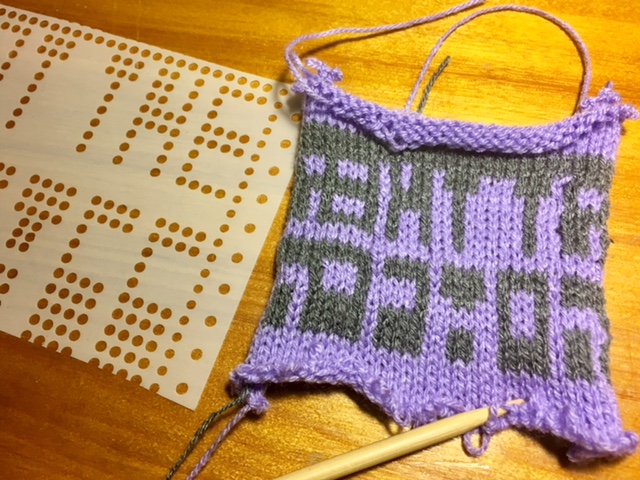
Punch card patterns for vintage knitting machines created with Stitch Fiddle and Silhouette Studio.
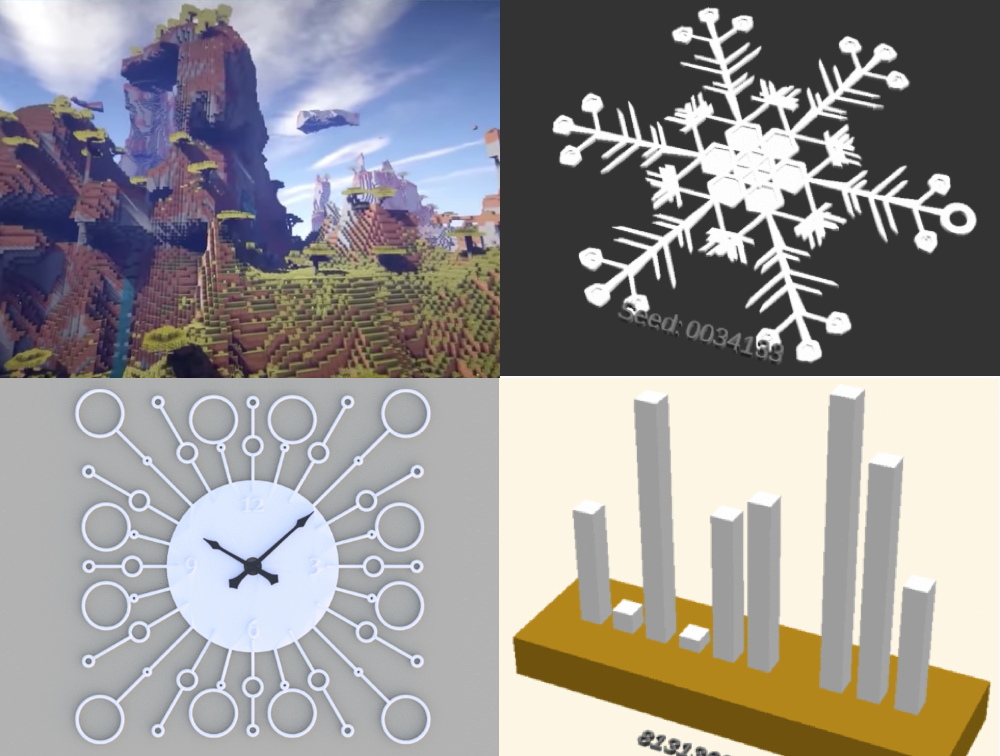
Using a single random seed and style weights in OpenSCAD to grow complex, variable 3D-printable designs like snowflakes.
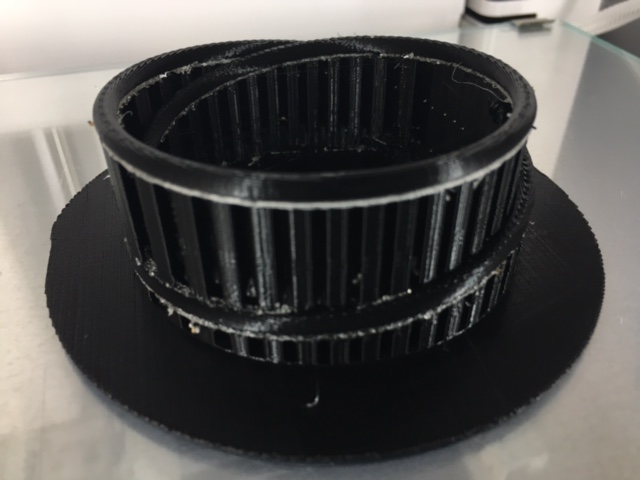
A method for printing dissolvable PVA only at the support interface instead of on the whole support, to save on materials and cost.
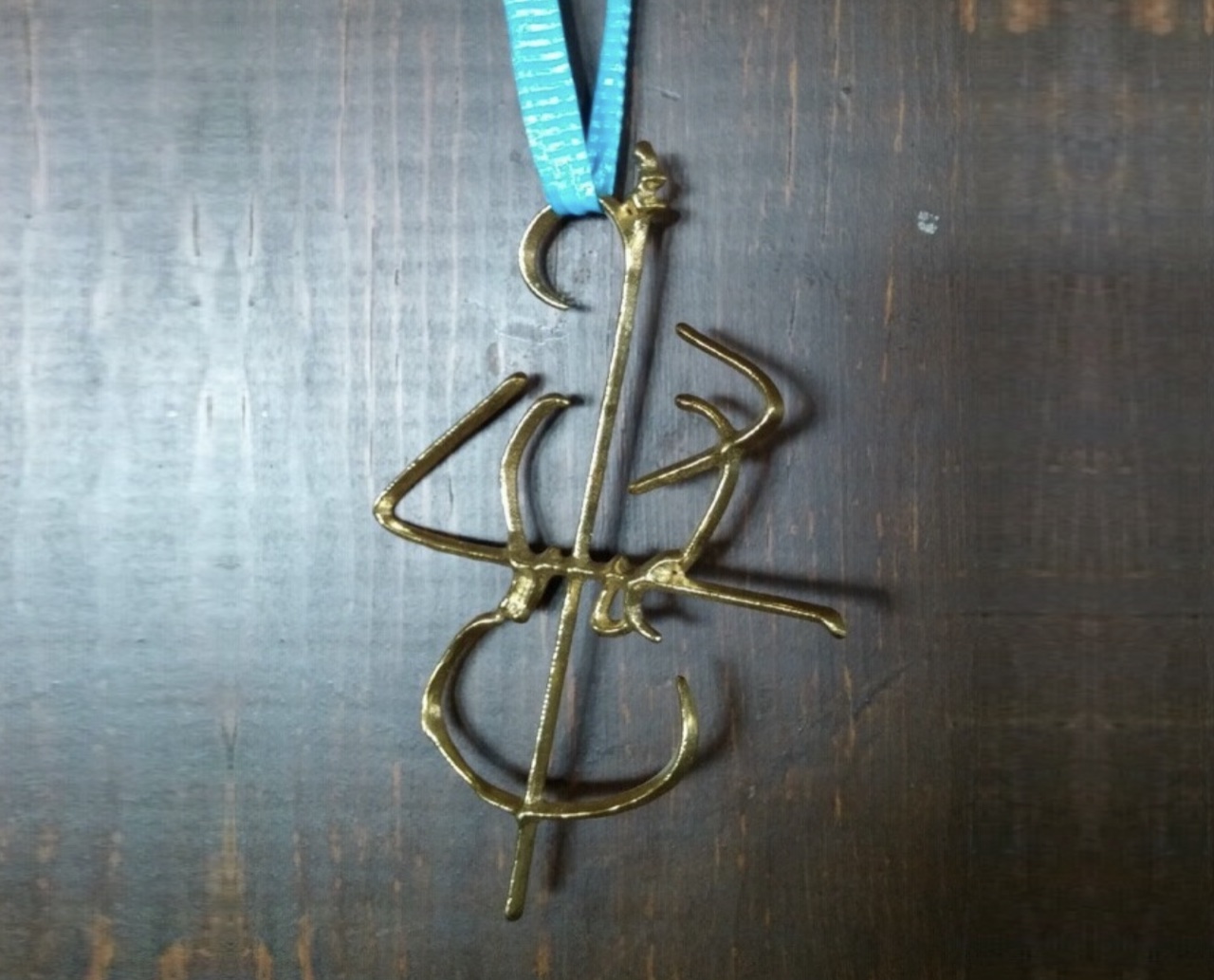
A demo of the Shapeways Pendant Creator for turning a 2D line drawing into a printable 3D relief.
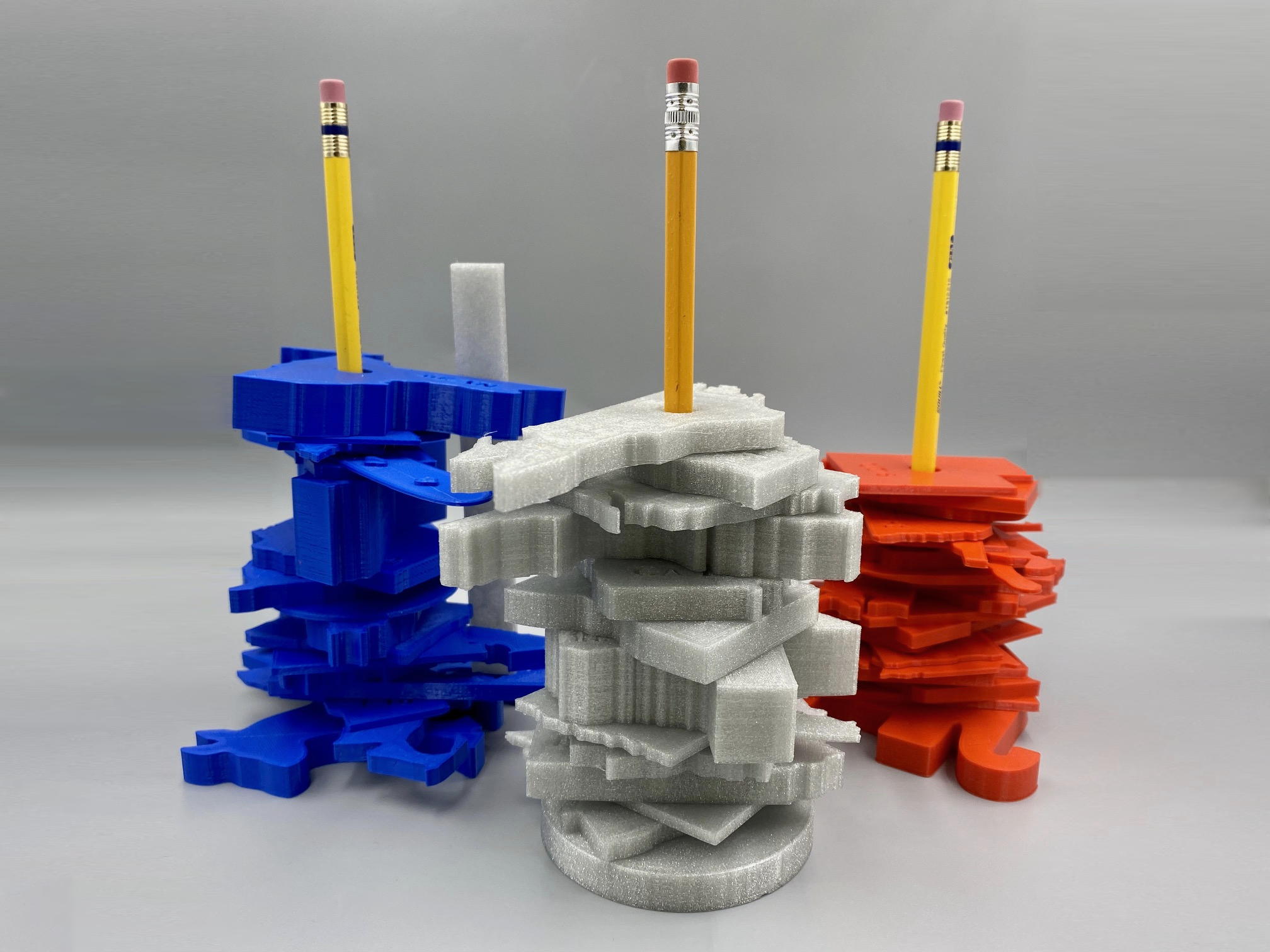
3D-printable models for all 50 states and DC, each with the same area but heights determined by number of electoral votes.
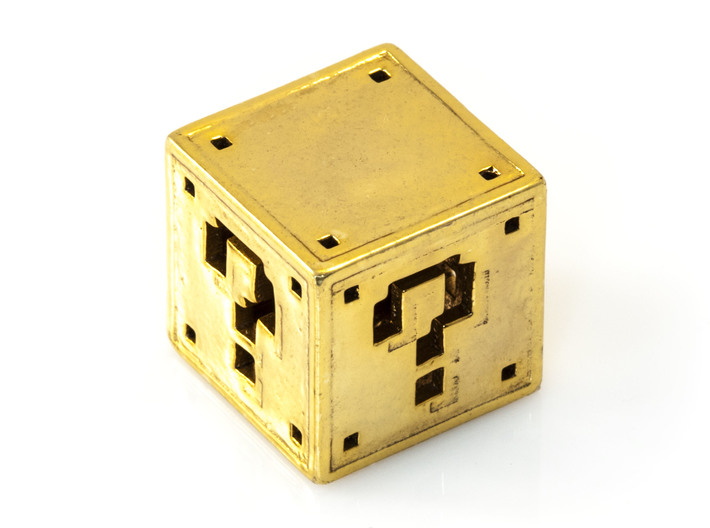
A designer's cheat-sheet for finding the sides and angles of right triangles in your 3D designs.
A designer's cheat-sheet for finding sides and angles of non-right triangles using the Law of Sines.
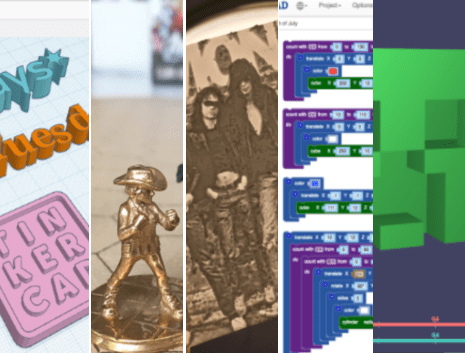
A roundup of this year's beginner-friendly 3D design tutorials for making quick, personalized prints with the whole family.
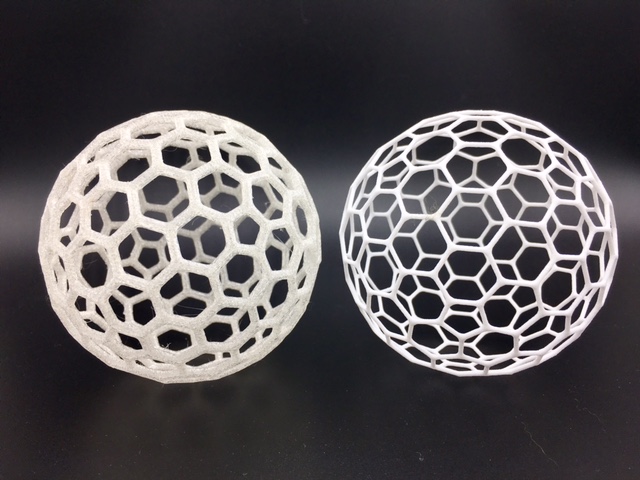
A side-by-side comparison illustrating when to prototype at home on FDM and when to send out for higher-quality SLS.
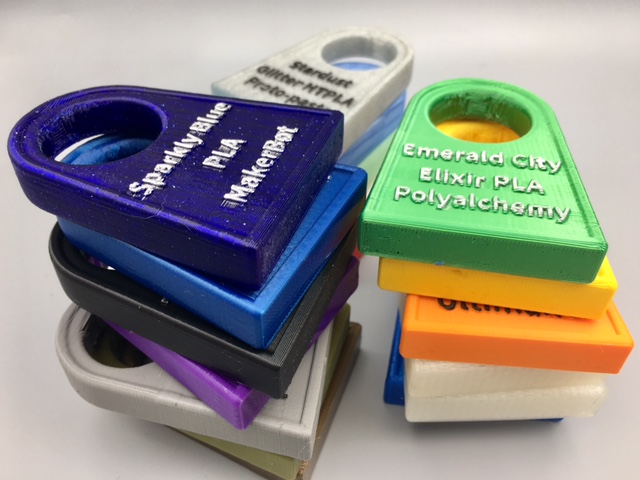
A customizable filament-sampler model, built by routing one design through Tinkercad, Fusion 360, Blender, and OpenSCAD.
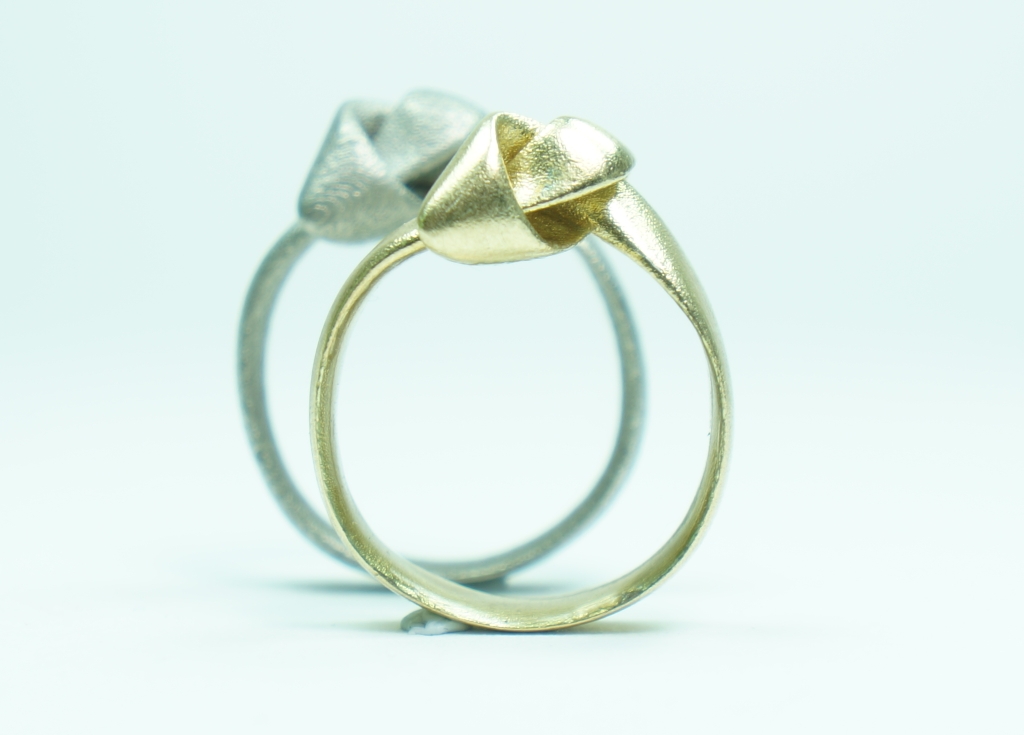
A first look at Fusion 360 for designers stepping up from Tinkercad, with examples of what it can make.
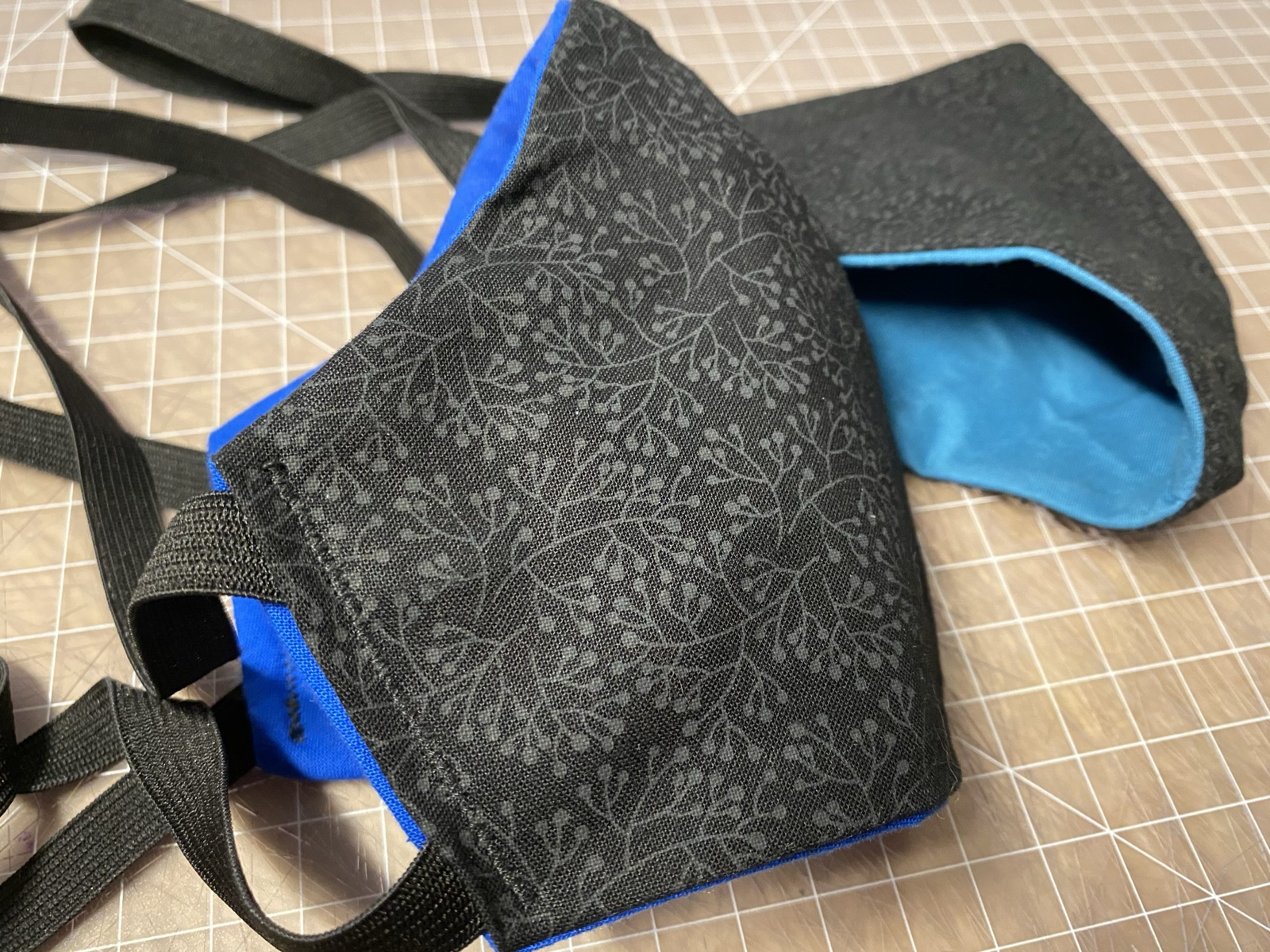
This mask design has a comfy fit, sewn-in nose wire and filter, and minimal exposed seams. And if I can sew it then so can you.
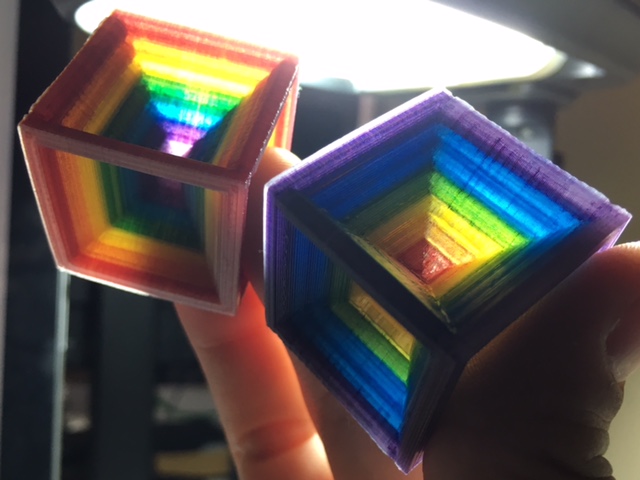
A hands-on test of the XYZ da Vinci Color printer, with cubes inked in CMYK layer by layer during desktop FFF printing.
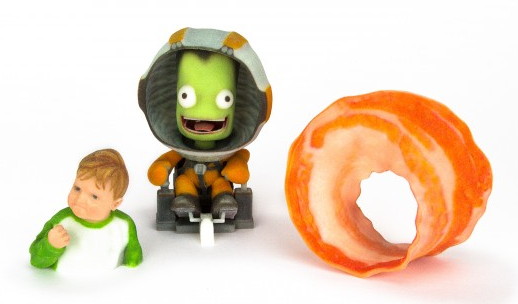
A technical primer on full-color sandstone printing and prepping video-game character models for printing with this versatile material.
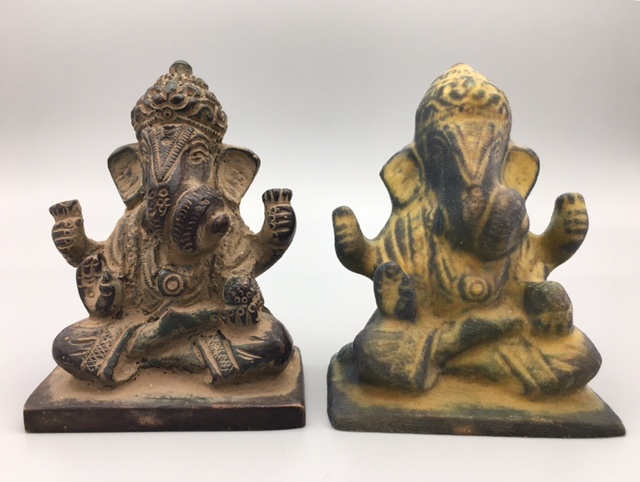
A tutorial for scanning real objects into full-color 3D prints with the Trnio photogrammetry app, using a Ganesha statue.
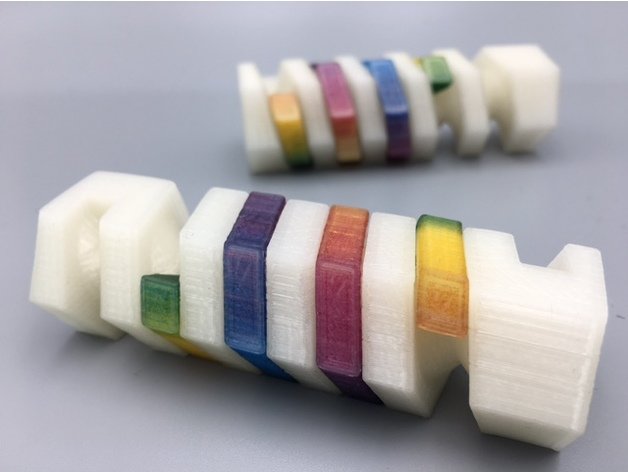
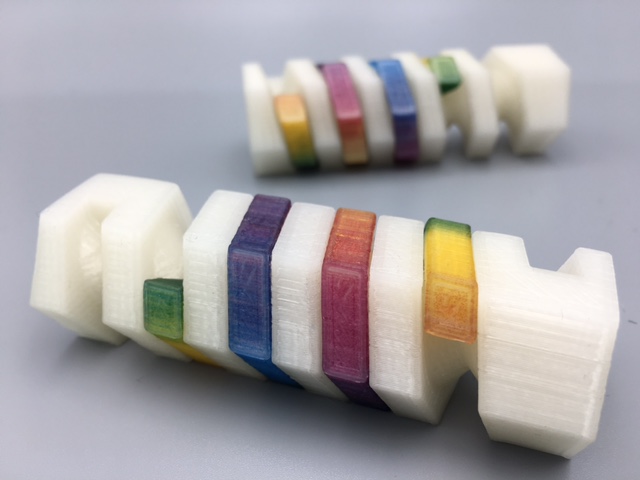
A full-color, print-in-place 'impossible screw' remix whose two pieces twist freely but can never come apart.
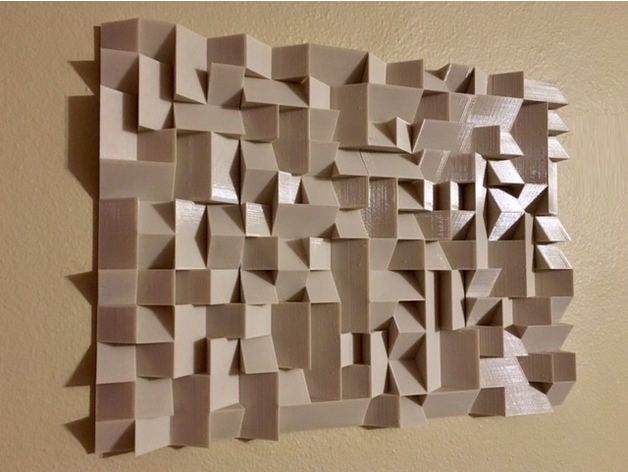
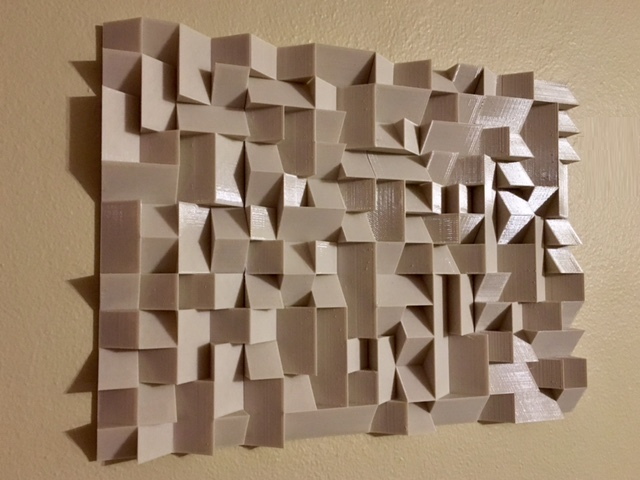
A parametric art generator that builds randomly oriented wedge panels, inspired by Mary Martin's constructivist piece "Inversions."
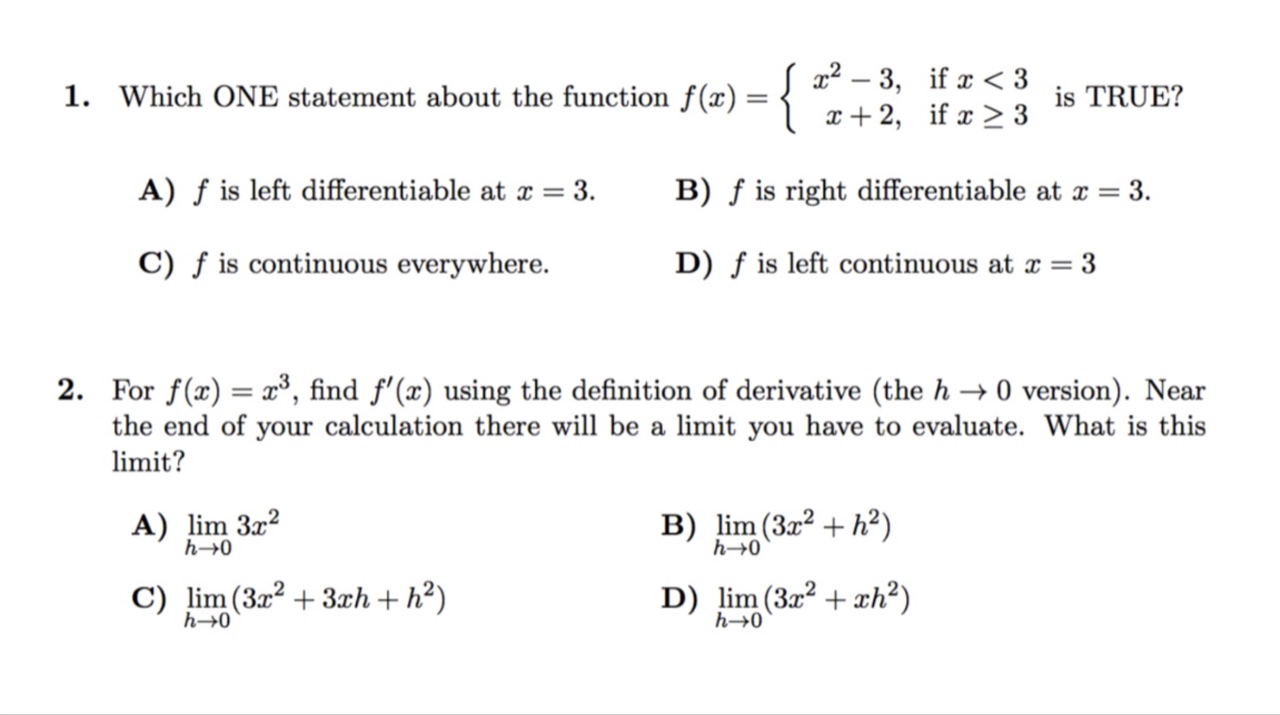
Building randomized multiple-choice mastery quizzes with coded answer keys, using nothing but plain LaTeX documents.
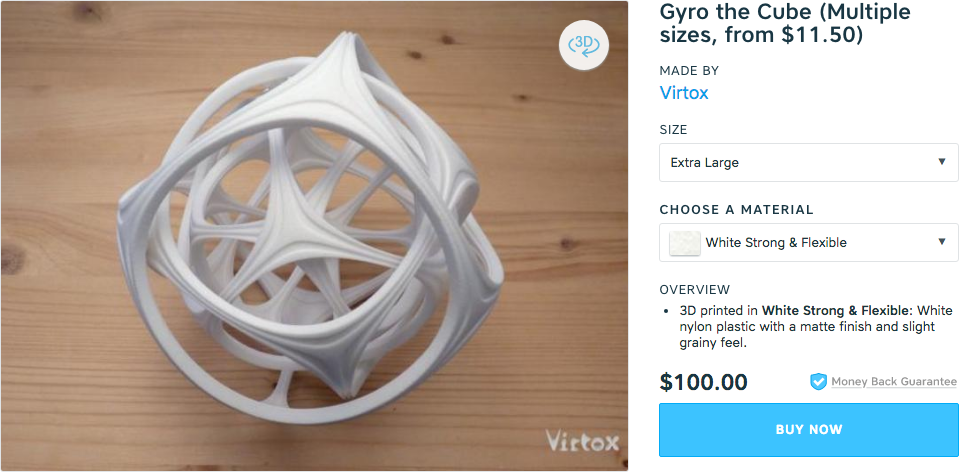
An overview of the Shapeways variants feature for offering multiple sizes or styles within a single product listing.
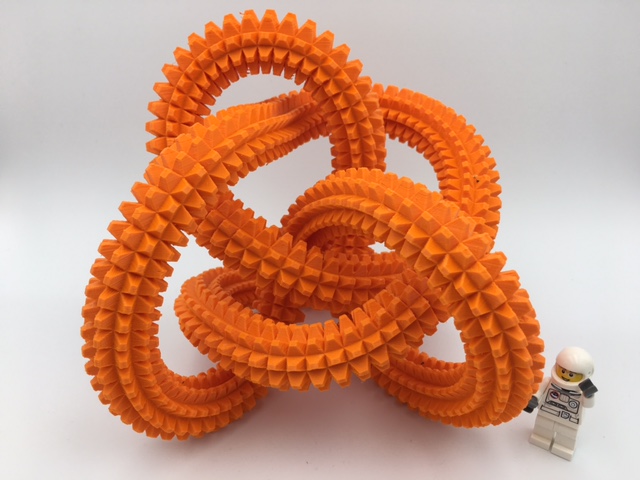
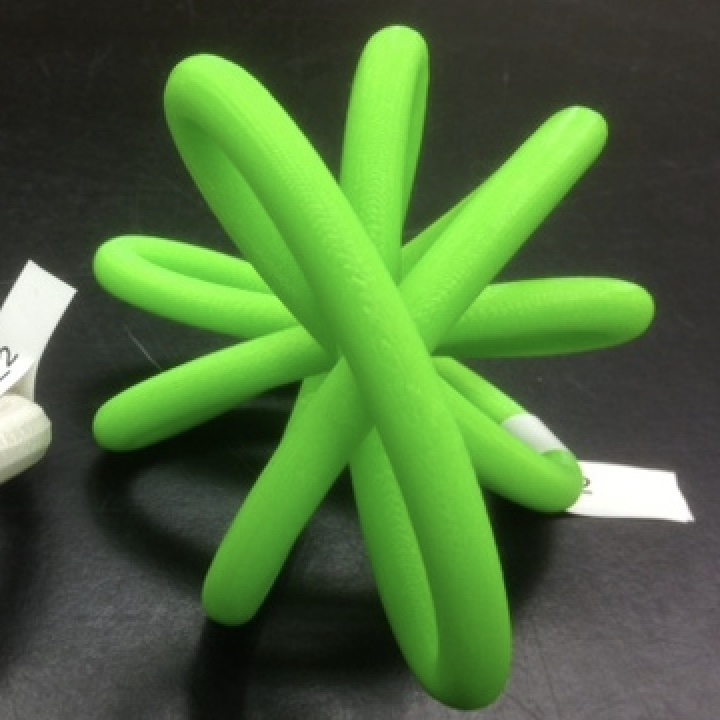
A spiky 3D-printed morph between the two famous Perko knots, with tooth-track extrusions added in TopMod.
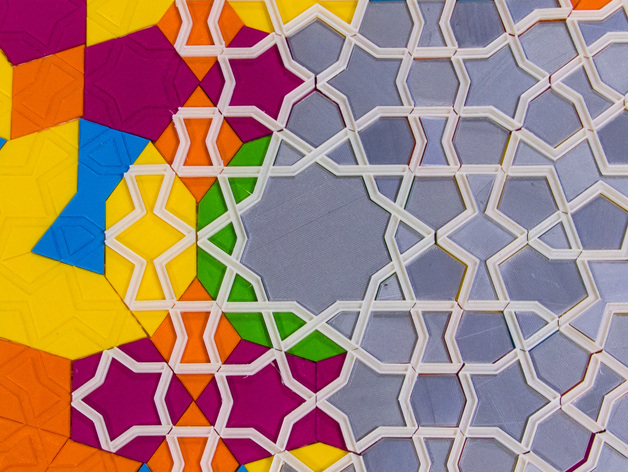
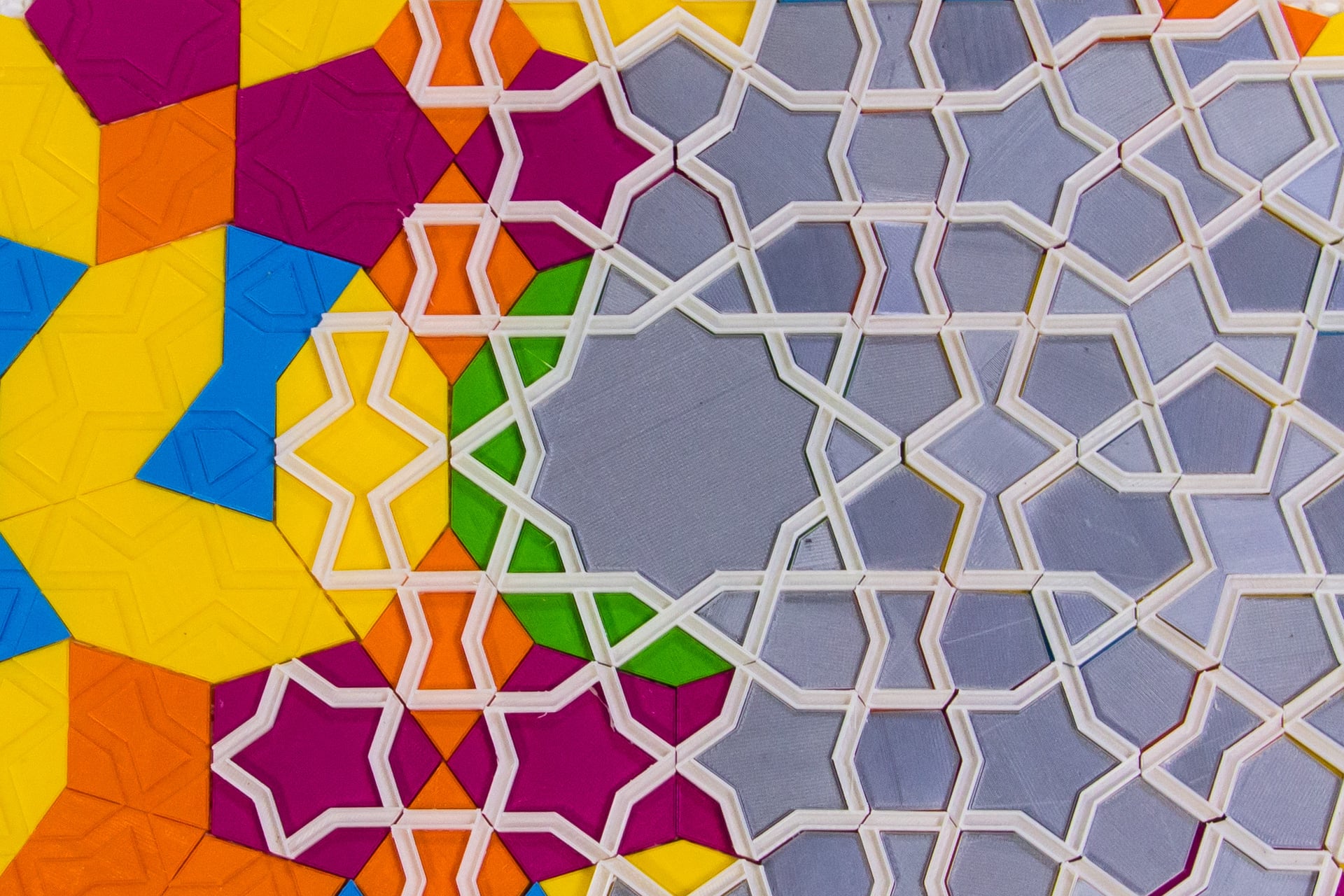
A collection of 3D-printable Girih tiles, strapwork, and mosaic pieces for constructing woven Islamic patterns.
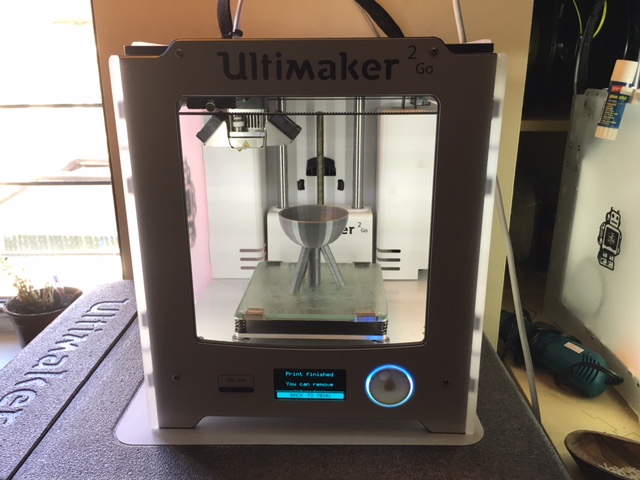
A guest post by 11-year-old Calvin Riley on unboxing the Ultimaker 2Go and working through print failures one fix at a time.

A pointer to the most useful Shapeways forums for getting help with models, meshes, and design software.

A timeline for Shapeways shop owners on when to get holiday products listed and ready before the Christmas rush this year.
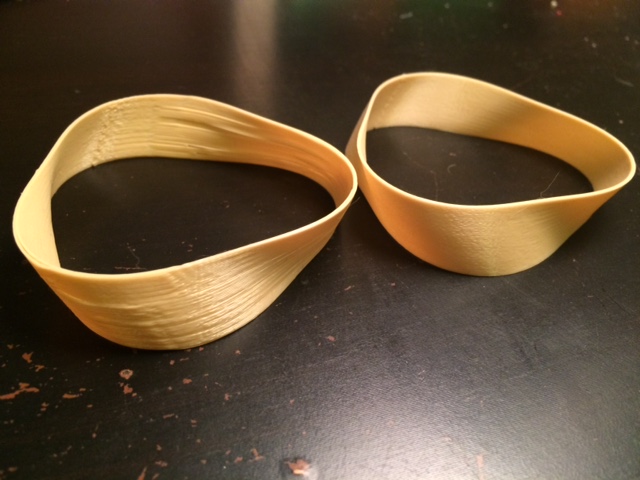
A quick maintenance fix: tightening a saggy X-axis belt on a Replicator 2 to turn stringy, lumpy prints back to smooth.
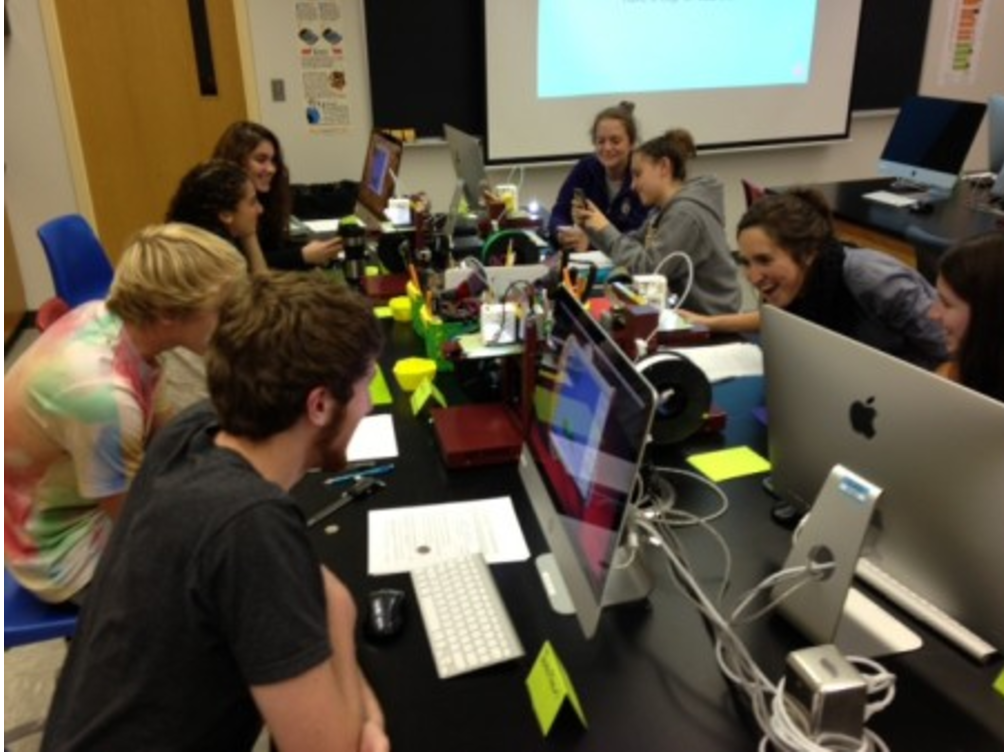
The origin story of JMU 3SPACE, the first college-level general-education 3D printing classroom, from idea to curriculum.
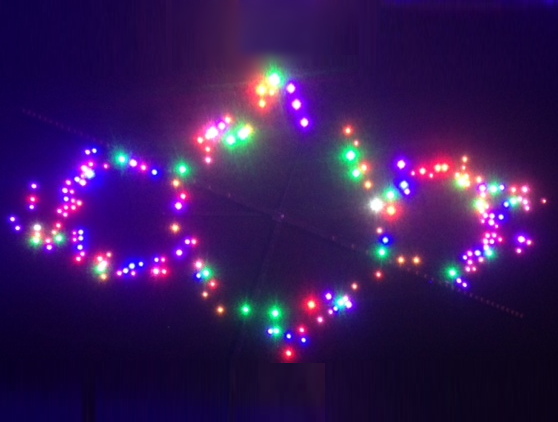
A letter about a fancy gala and an analog inverse-iteration Julia set machine built at MoMath's Chaos Ball.
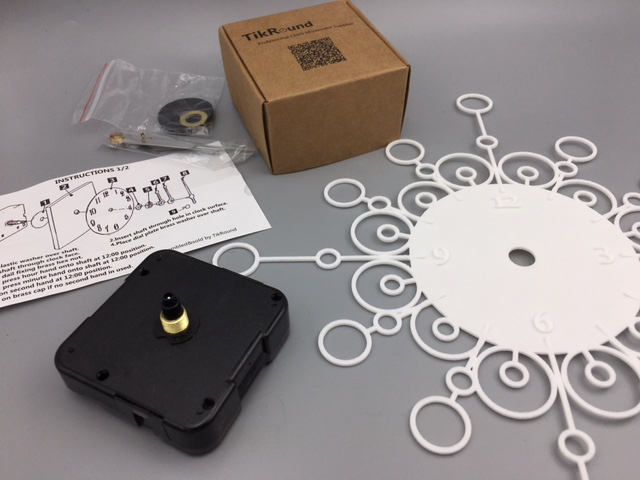
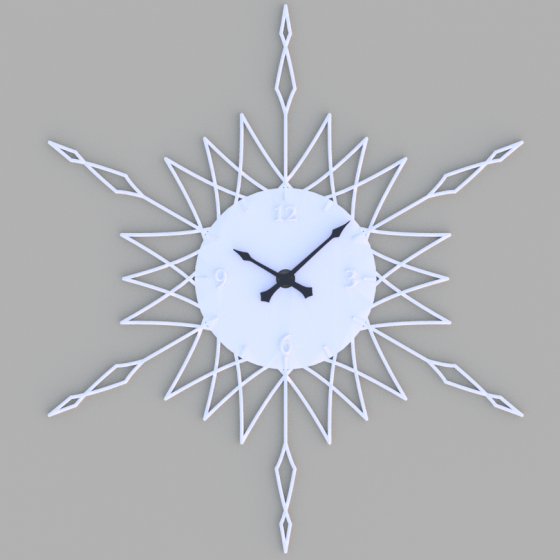
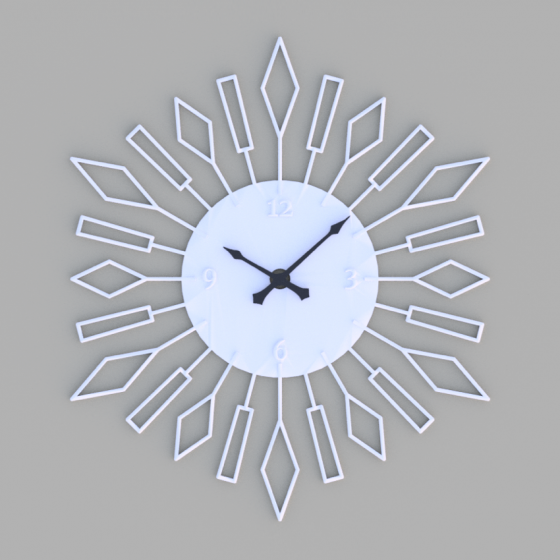
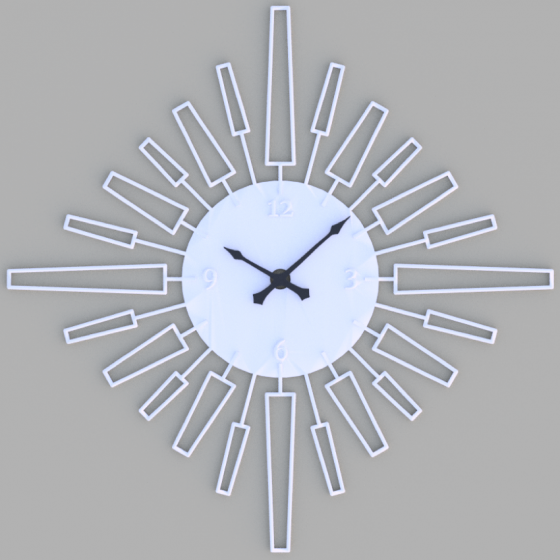
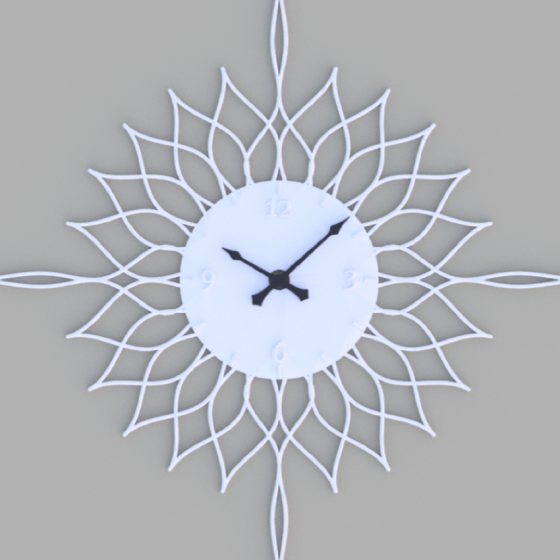
Three different ways to design a custom 3D-printed clock face that works with an inexpensive battery-powered clock kit.
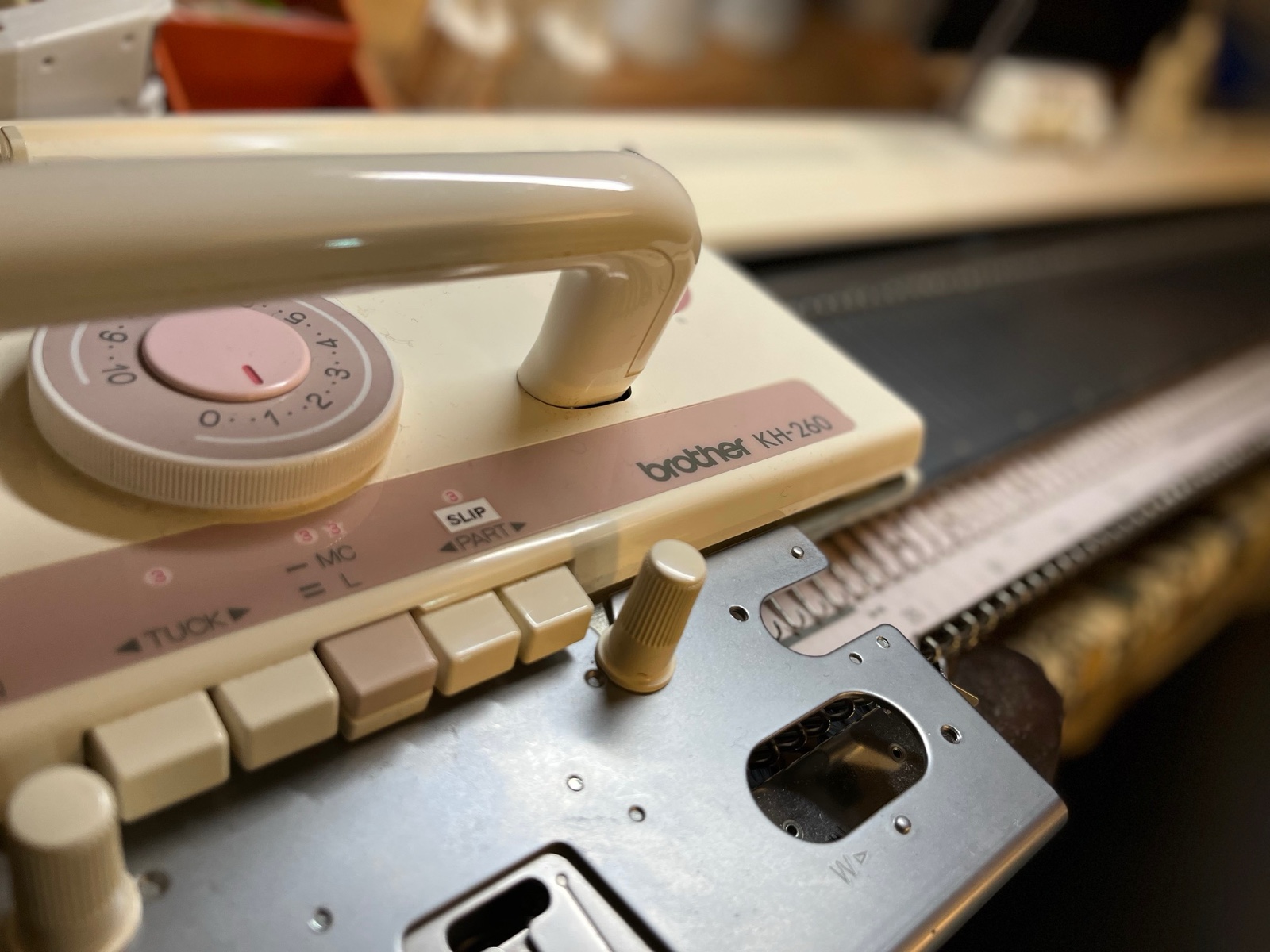
A catalog of our adventures with a Brother KH-260 knitting machine, starting with basic setup and swatching.
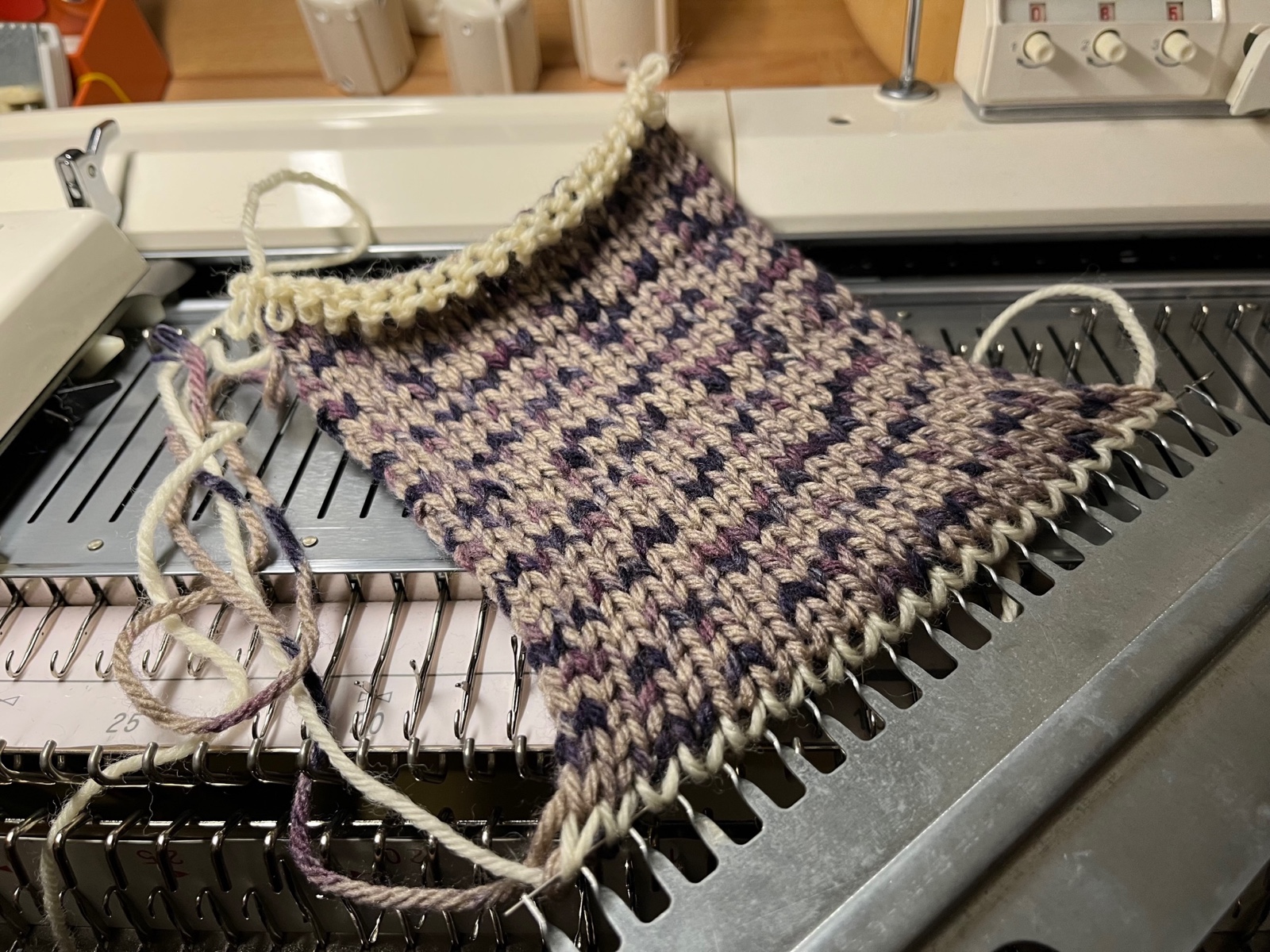
Overview of basic ribber bed adjustments and circular knitting on a double-bed Brother KH-260 knitting machine.
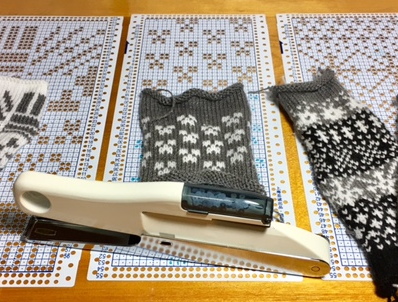
An overview of methods for punching custom cards for vintage Brother knitting machines with code and a craft cutter.
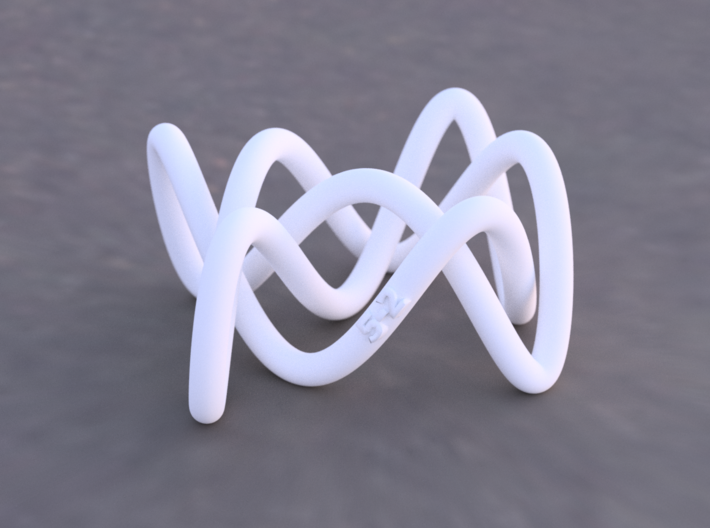
A guide for using the OpenSCAD sweeper library to contruct closed curves in space, particularly knot models.
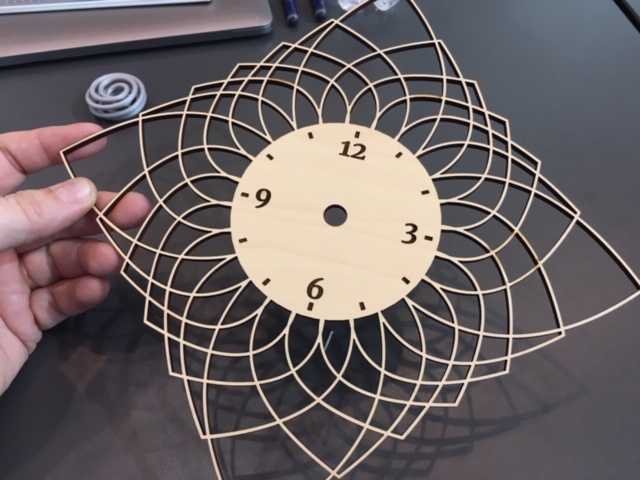
A tutorial for creating 2D-laser-cuttable SVGs from a 3D-printable STL files, using the free in-browser modeling program Tinkercad.
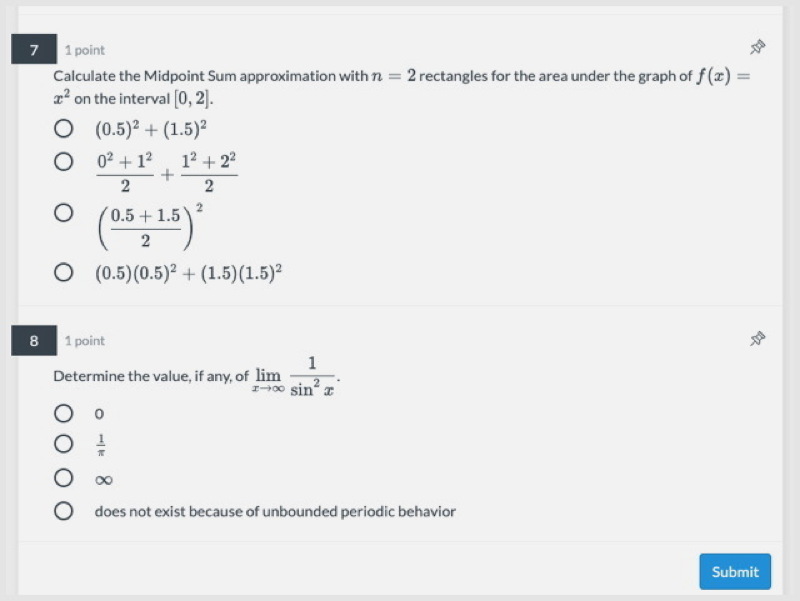
A guide for using LaTeX typesetting for mathematics in both the new and legacy Canvas engines to make online quizzes.
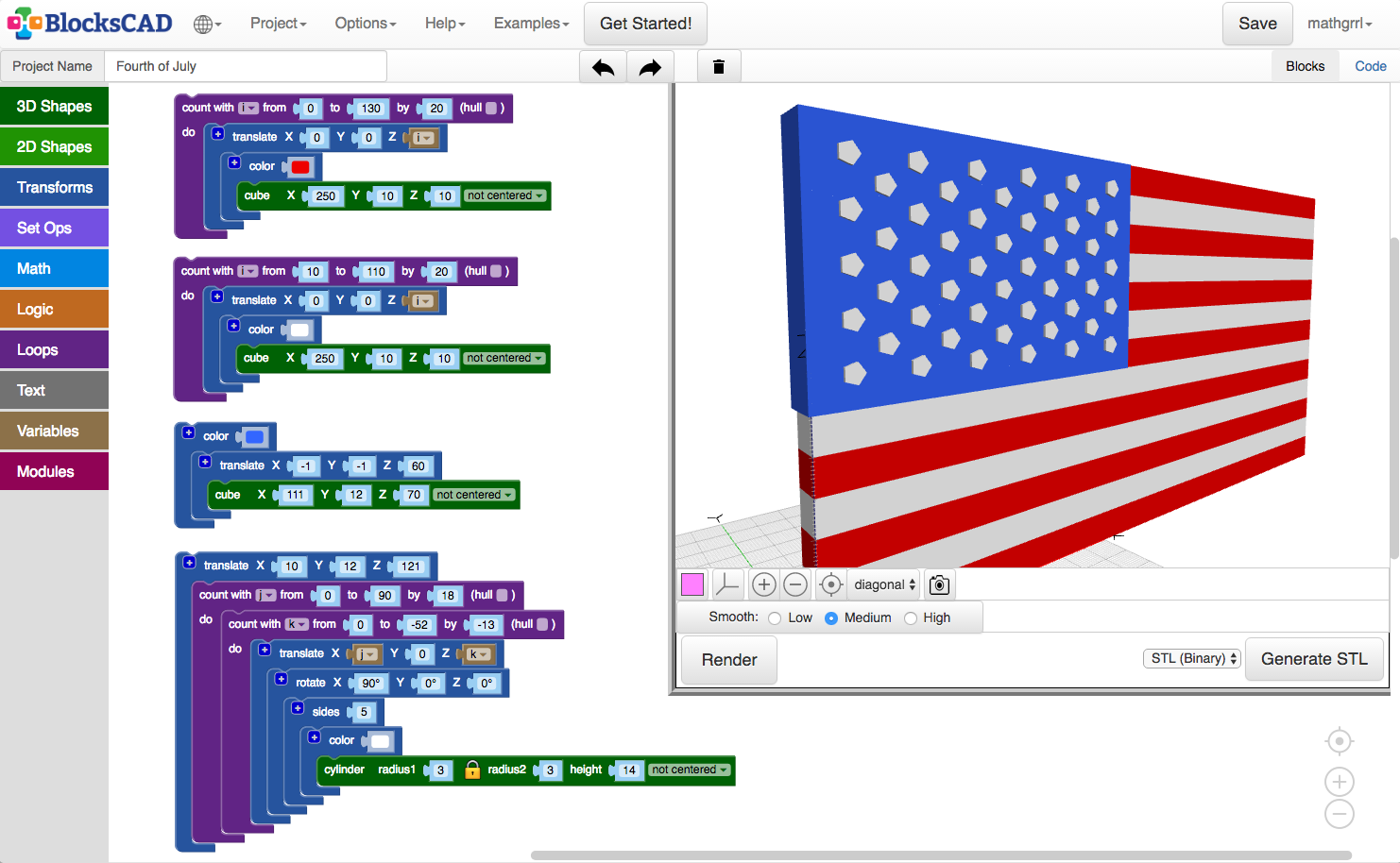
A look at BlocksCAD, a Scratch-style block coding tool for building 3D models right in your browser.
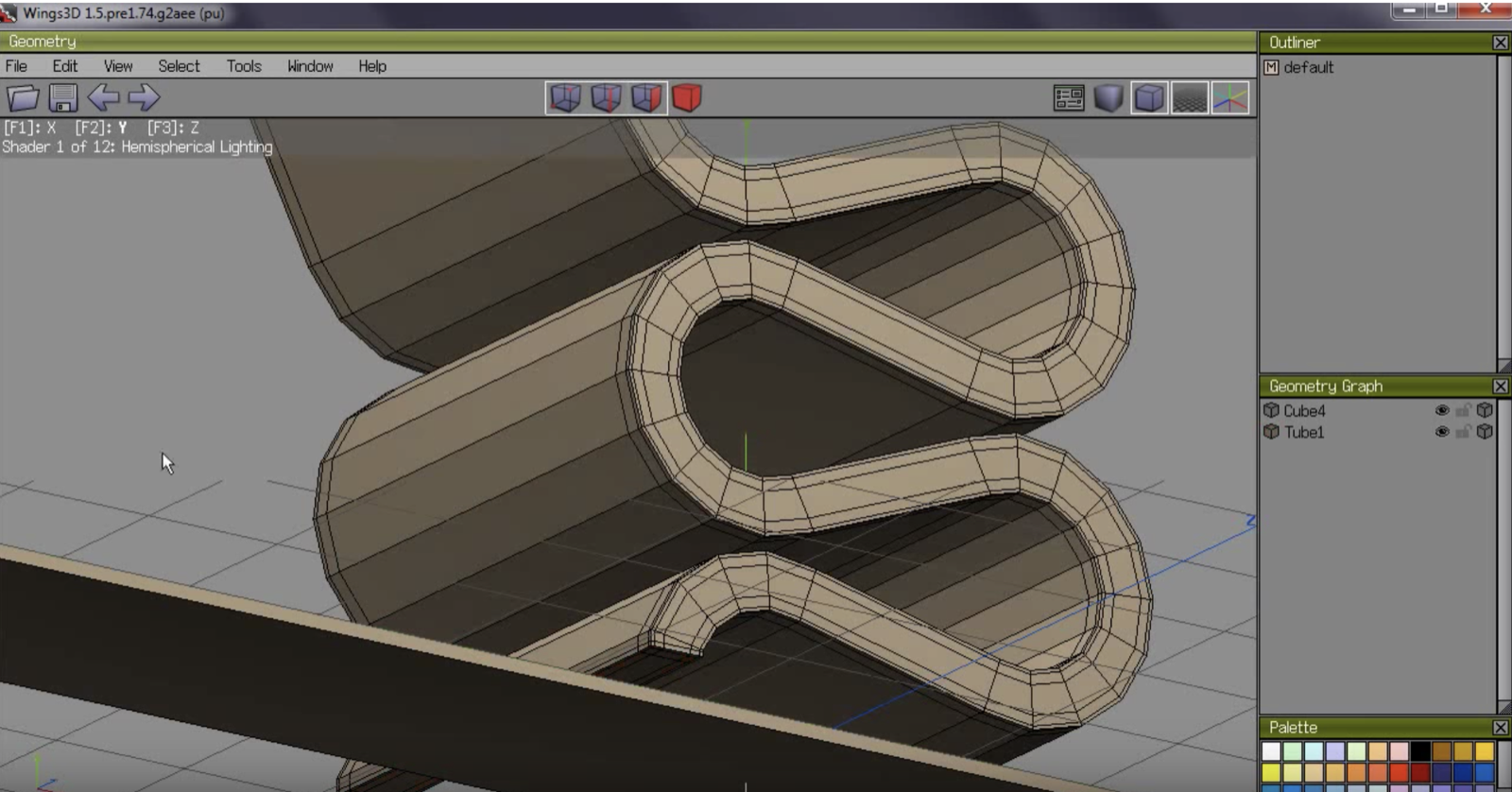
A guide to Wings3D, a free open-source low-poly subdivision modeler with surprisingly professional tools.
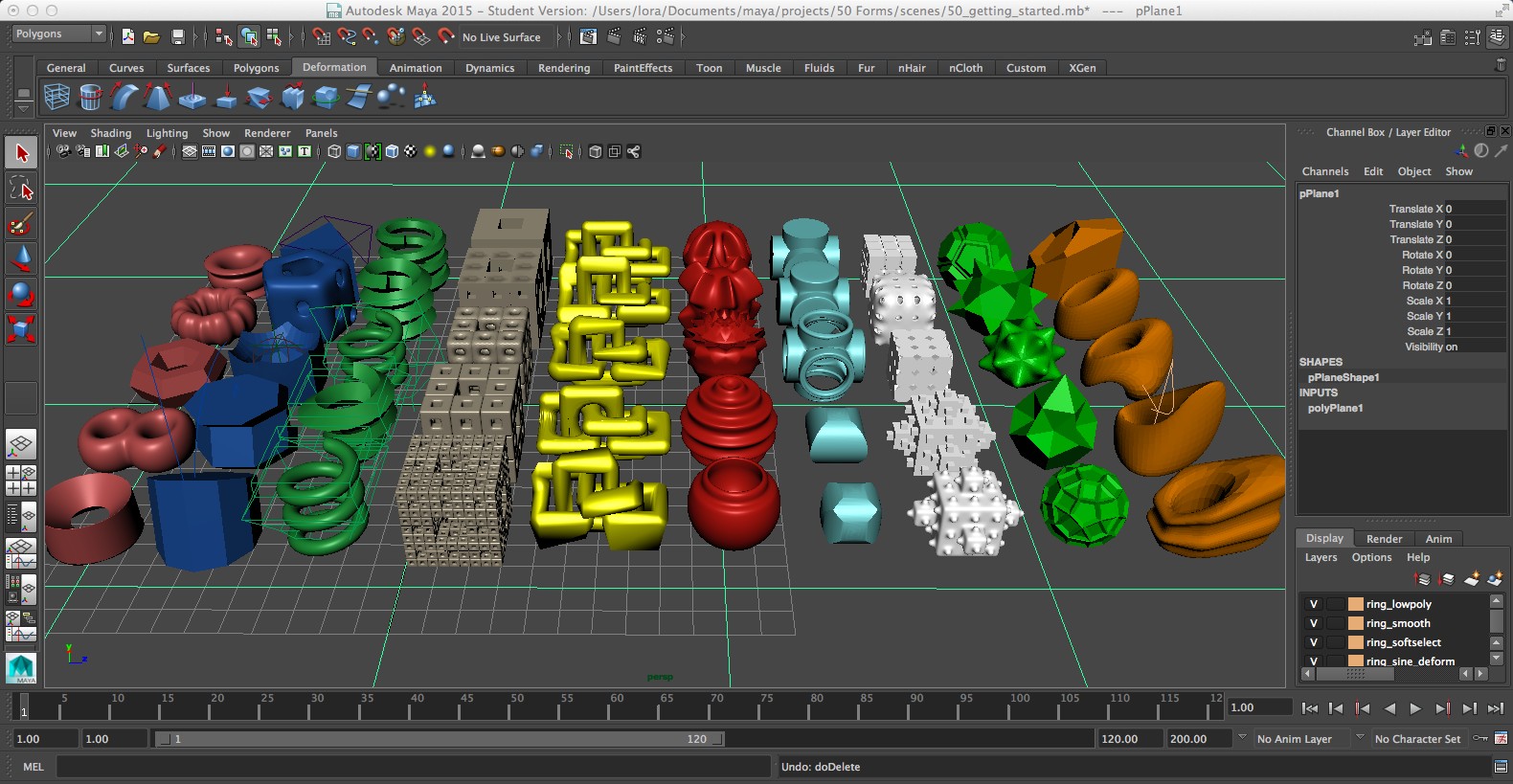
Field notes on learning Maya from scratch, including a "make 50 forms" assignment and an articulated desk lamp.
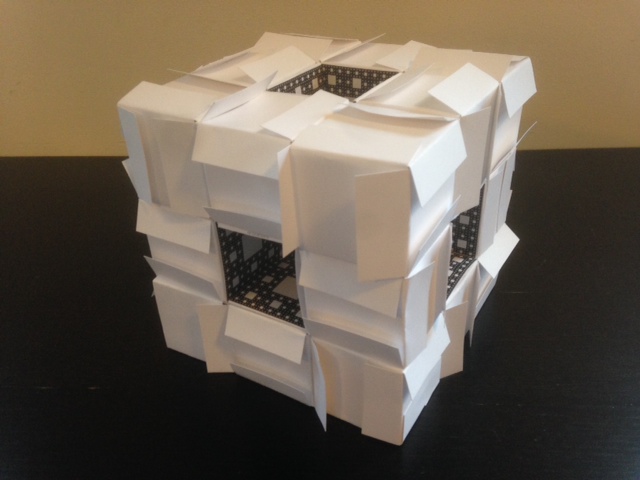
Step-by-step instructions for joining twenty Level 0 cubes into a Level 1 Menger sponge, with tripods, panels, and tabs.
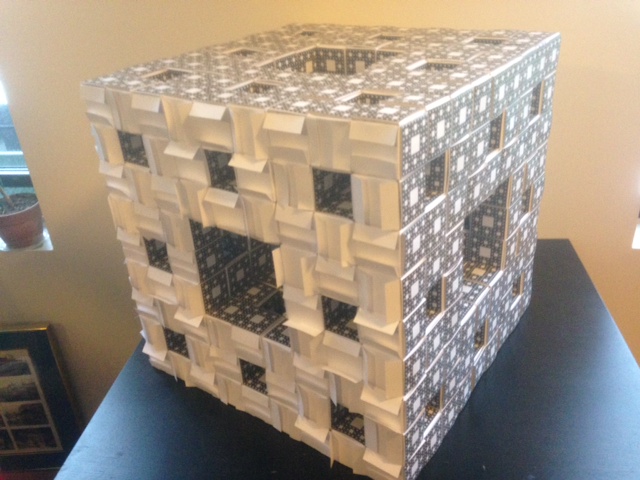
The next rung of the business-card Menger build: assembling twenty Level 1 sponges into a Level 2 by the fast-fractal method.
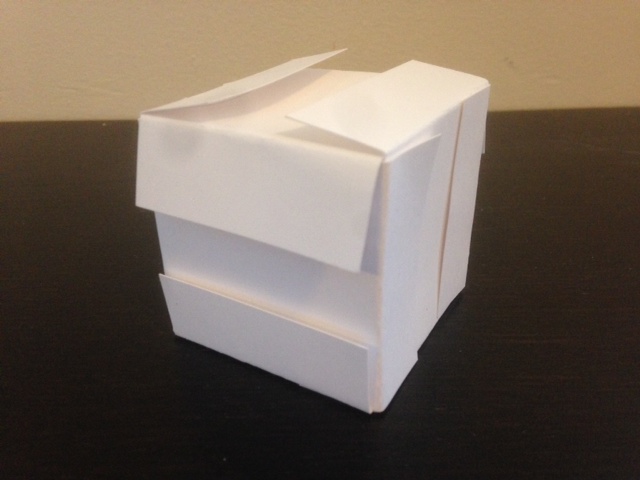
A starting point: one Level 0 Menger sponge, six folded business cards, the first of 160,000 cubes in the global MegaMenger build.
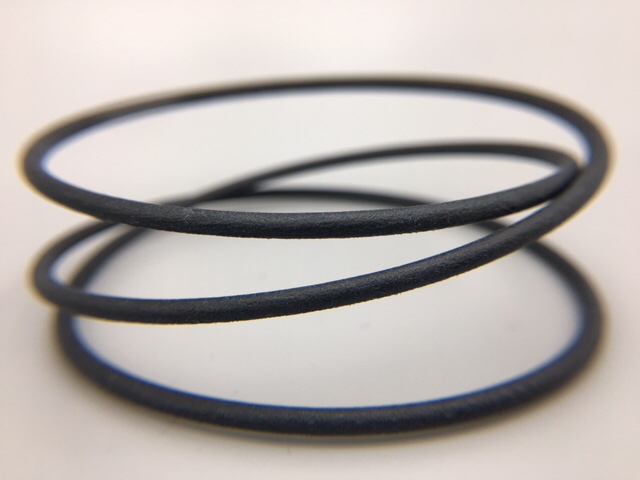
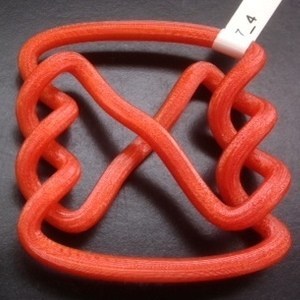
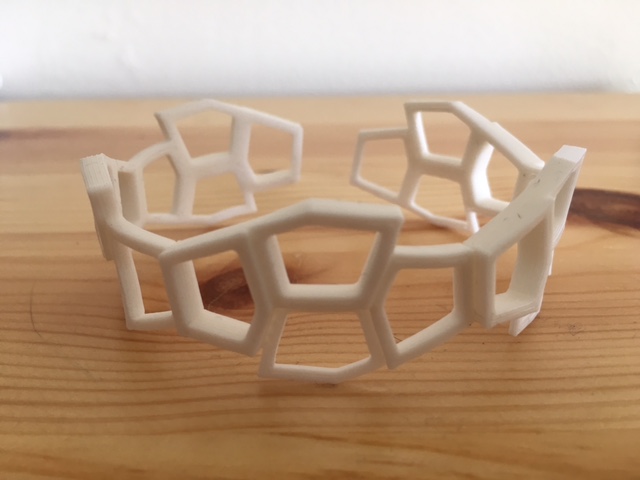
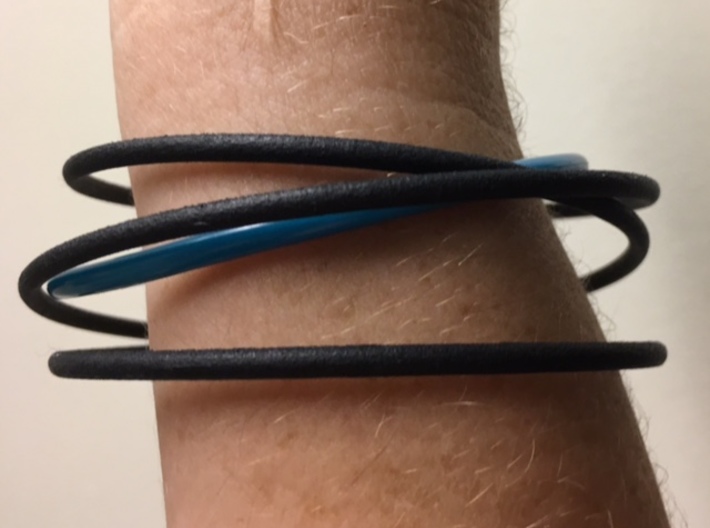
A design walkthrough for triple-wrap bangle bracelets using a trivial torus knot parameterization and flexible 3D-printing material.
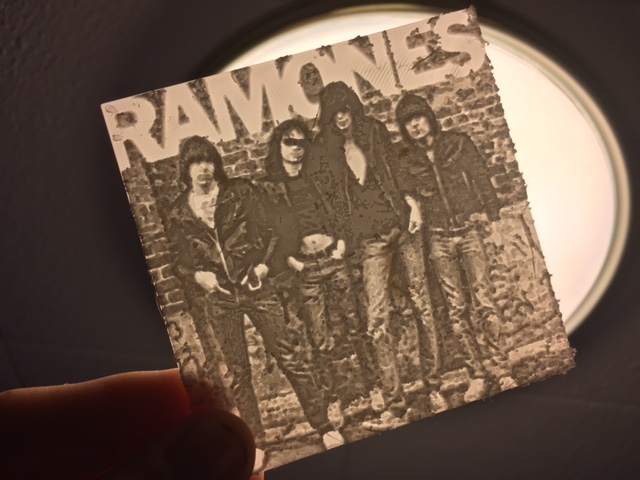
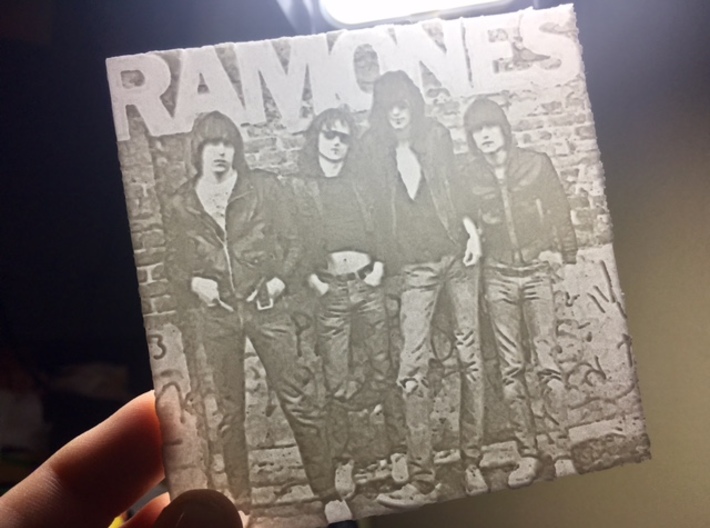
A tutorial for turning photos into 3D-printable lithophanes using a hidden image-to-height feature in the Cura slicer.
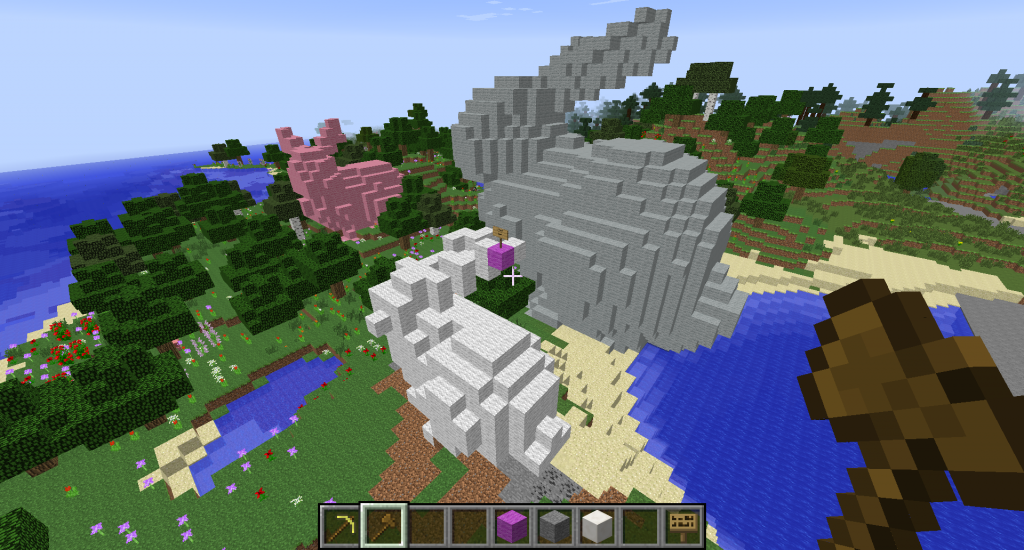
A method for turning any Thingiverse model into a blocky low-voxel print, routing it through Tinkercad, Minecraft, and Printcraft.
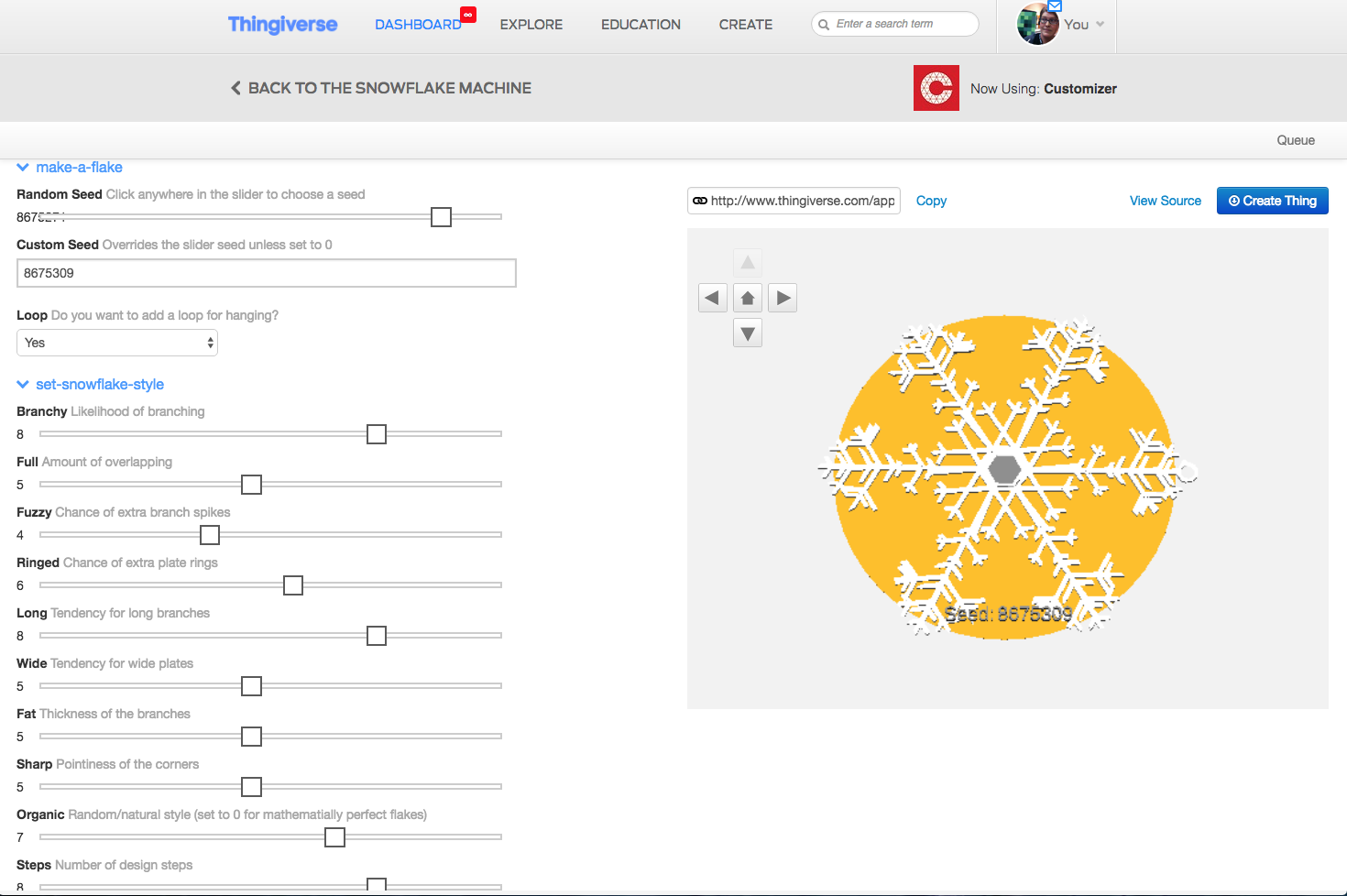
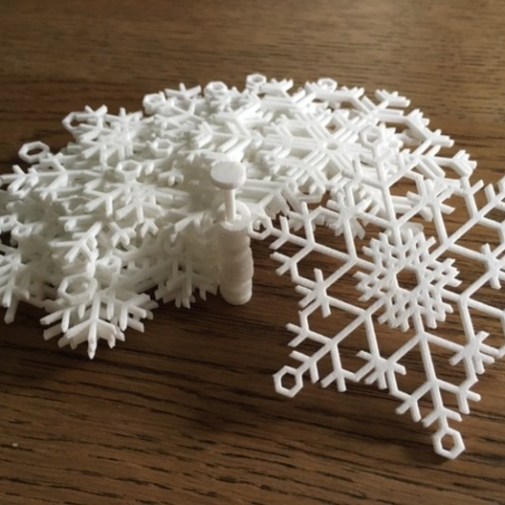
A guide for making personalized 3D-printed snowflakes with the Snowflake Machine, an OpenSCAD Customizer with a billion variations.
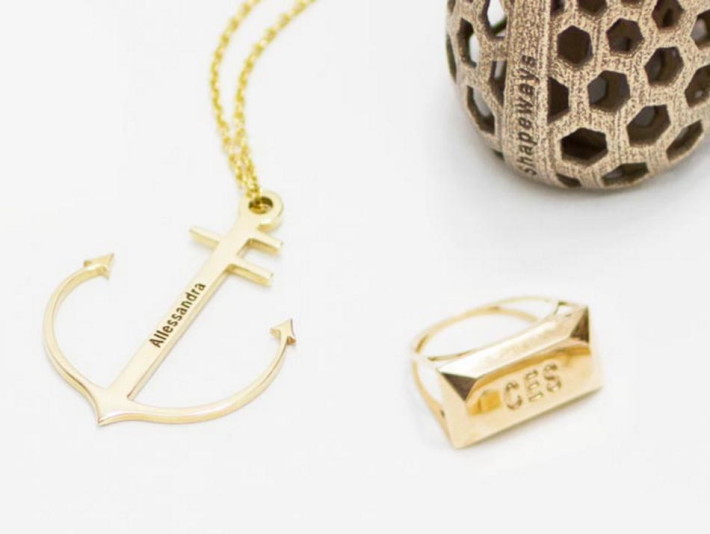
A guide to the Shapeways CustomMaker tool for adding personalizable text and image fields to your shop designs.
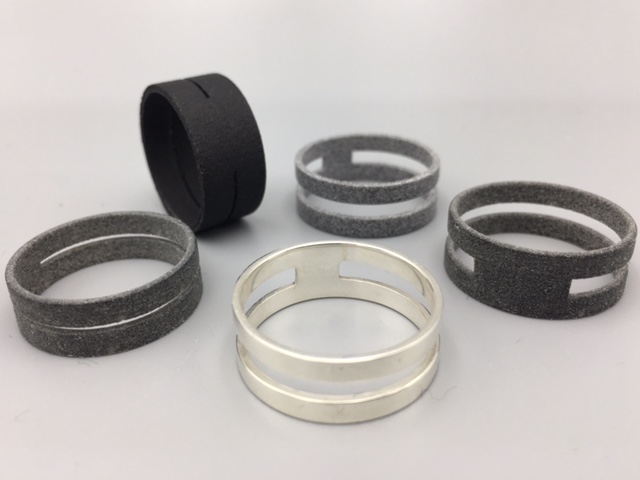
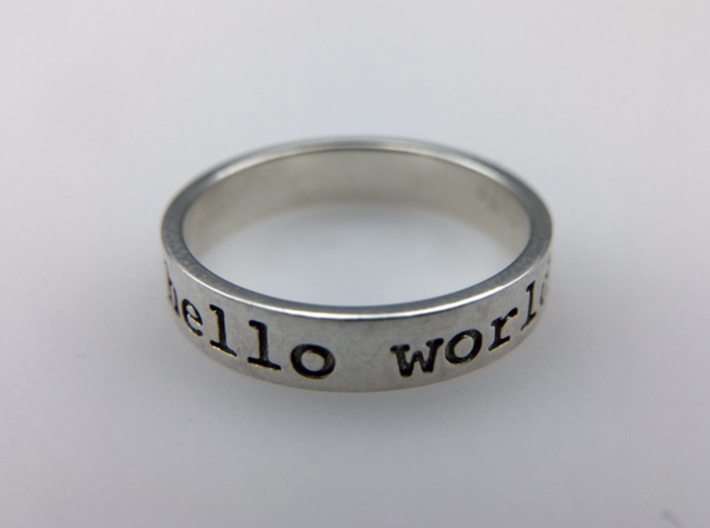
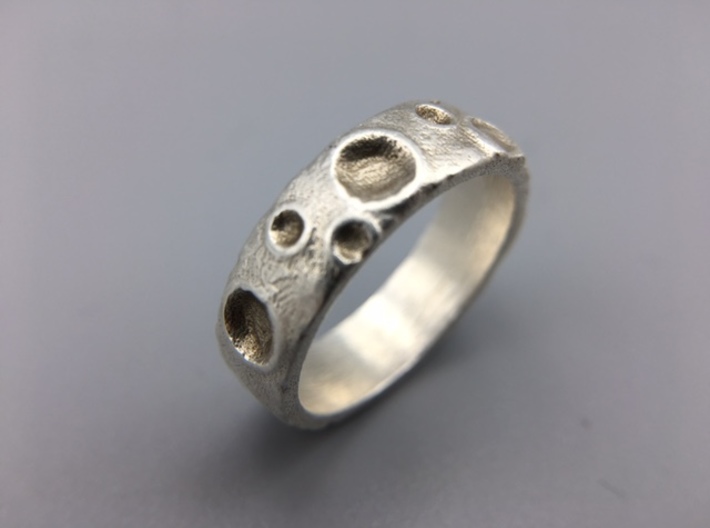
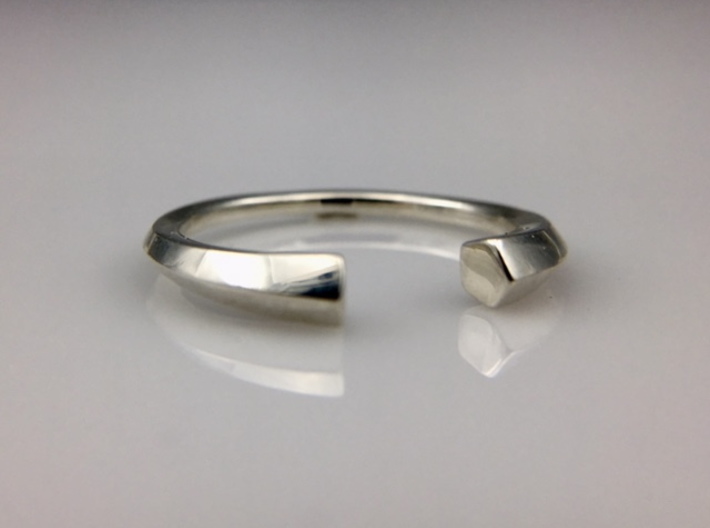
Reflections on where projects begin, and the messy hunt for the thing that's just right to make, like new wedding rings.
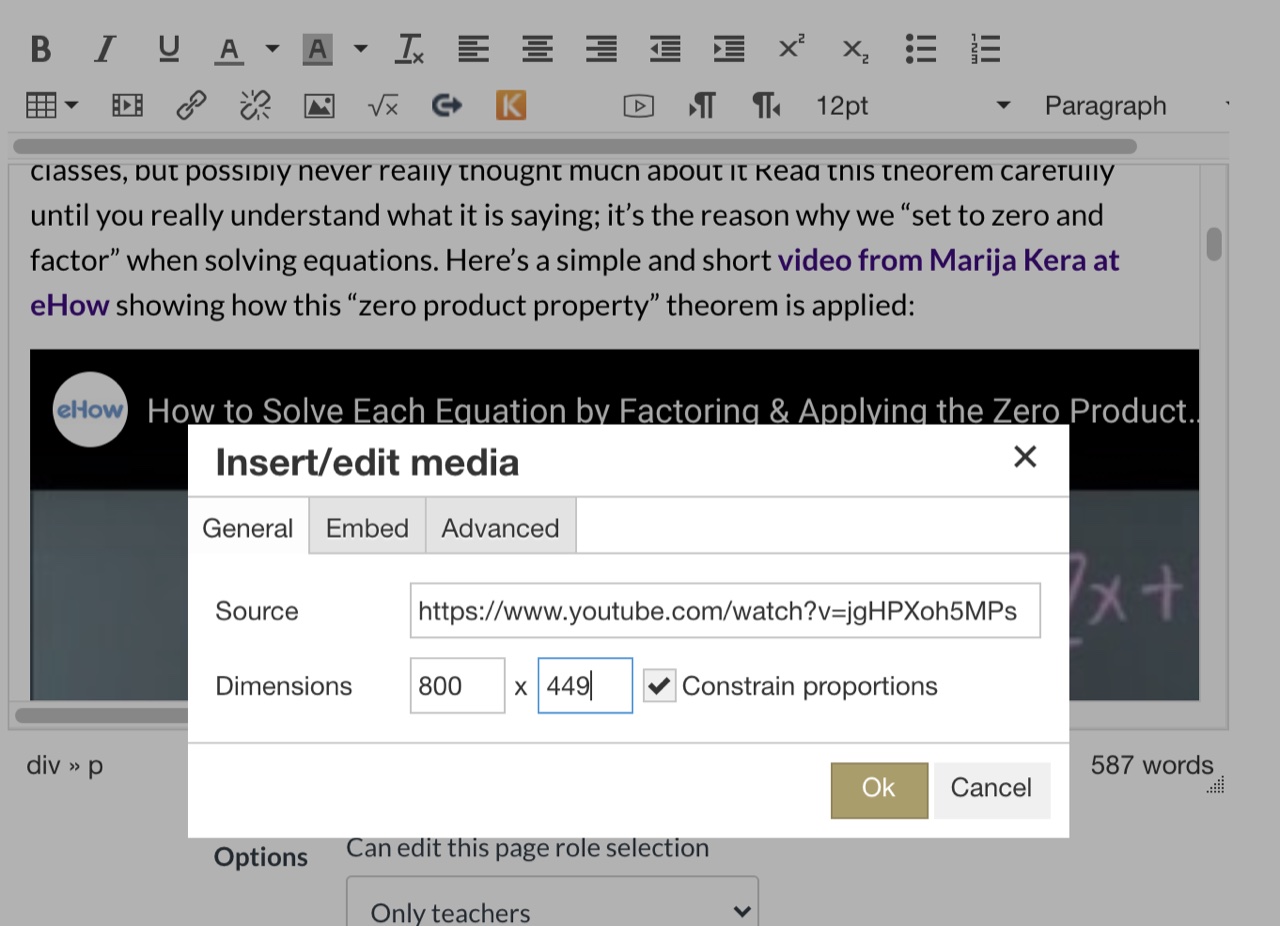
A guide for making online math course content more interactive and engaging in Canvas.
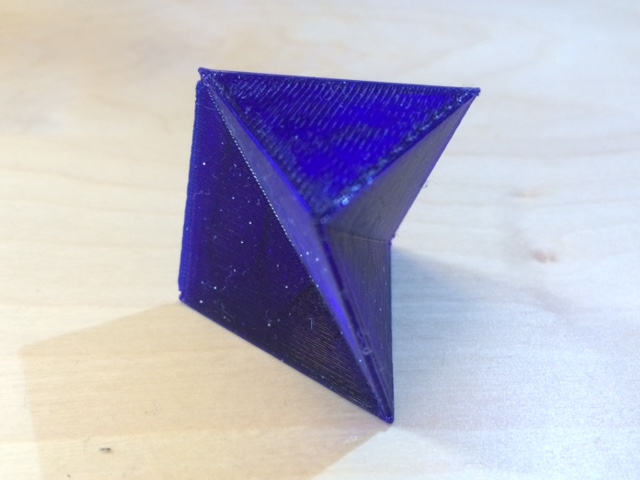
Notes on managing mesh topology, starting with the non-tetrahedralizable Schönhardt polyhedron.
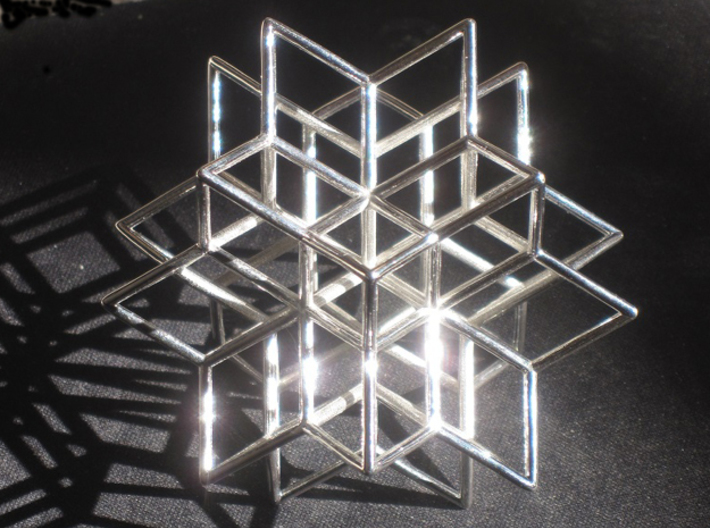
A tour of Mathematica's 3D-printing features for turning mathematical structure into printable models, and even jewelry.
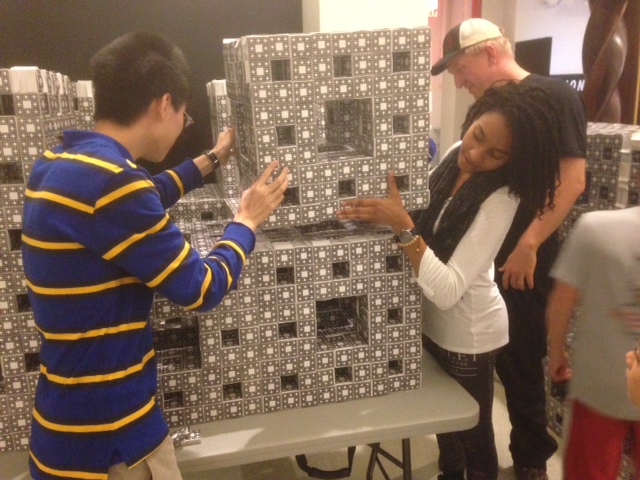
A milestone: The NYC Level 3 MegaMenger sponge finished at MoMath, one of the worldwide sites contributing to a distributed Level 4.
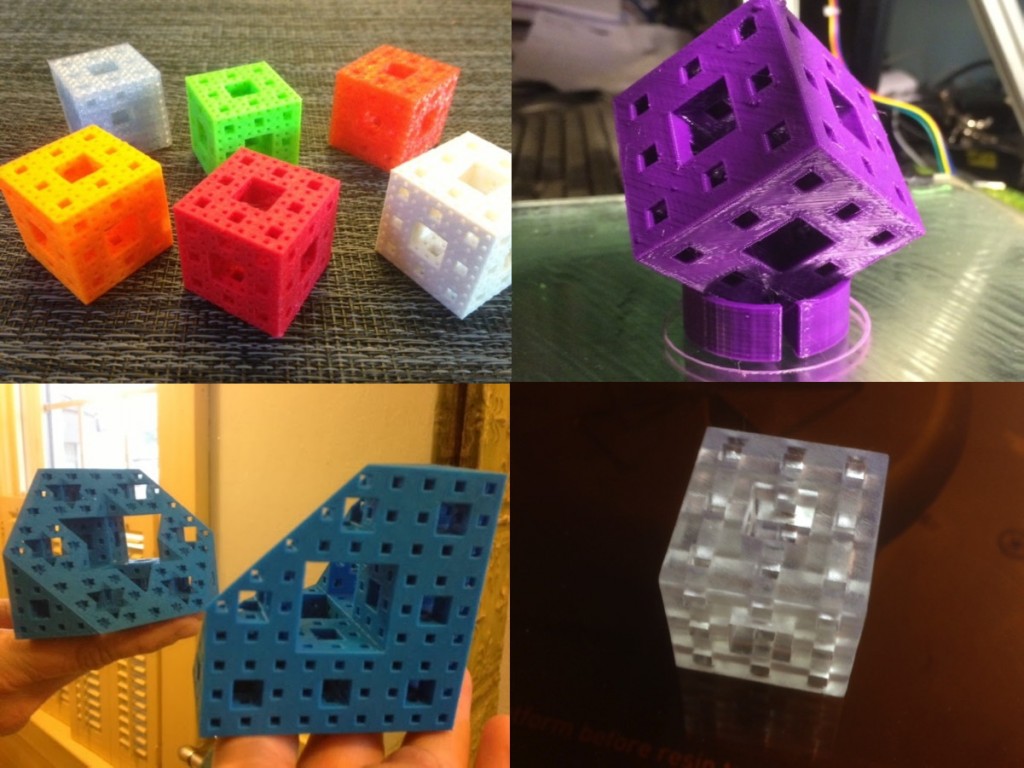
A whole menagerie of Menger sponge models, Levels 0 to 3, in versions tuned for filament, resin, powder, and Shapeways printing.
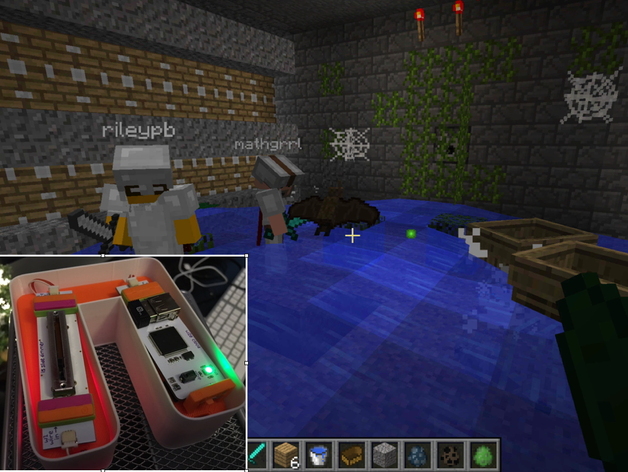
A littleBits/Minecraft build recreating the Star Wars trash compactor scene, controlled by 3D-printed Remote Control Pants.
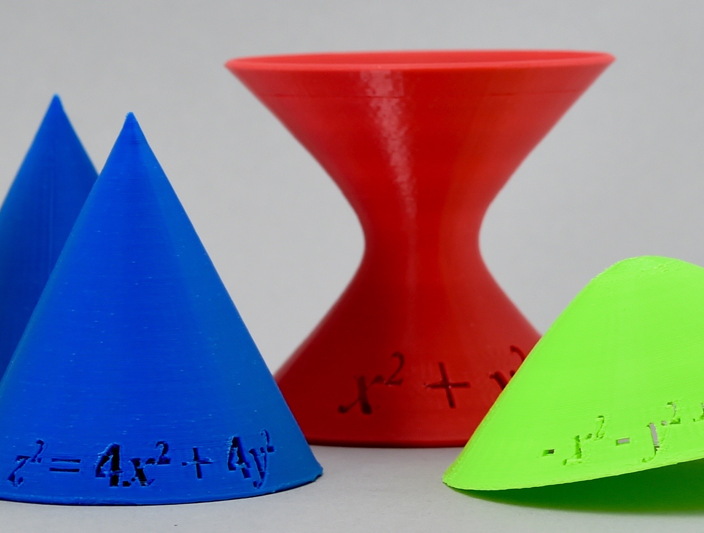
An overview of using Cinema 4D for 3D printing, from beginner basics to exporting clean STL and VRML models.
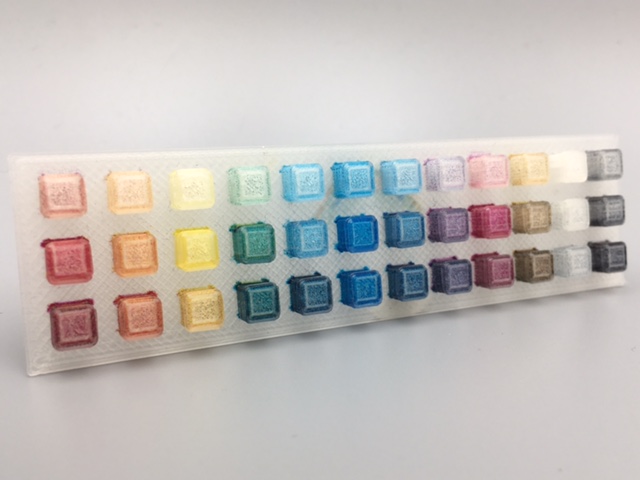
Full-color 3D printing with Tinkercad models and the new XYZ da Vinci Color 3D printer that colors with CMYK ink.
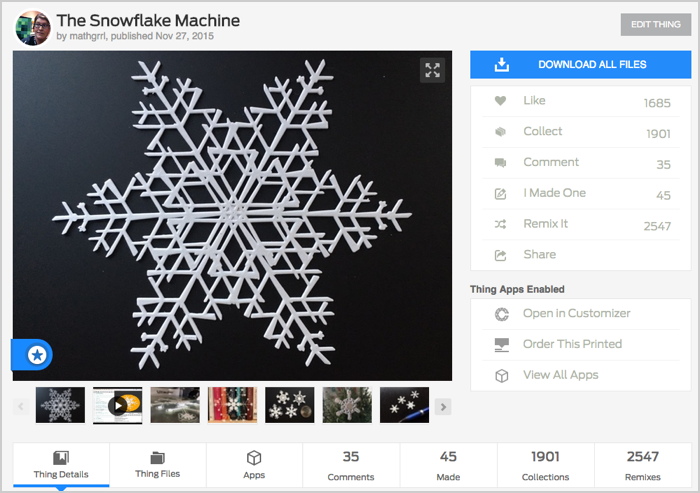
A walkthrough of turning one parametric OpenSCAD snowflake into many printable products, sizes, and materials.
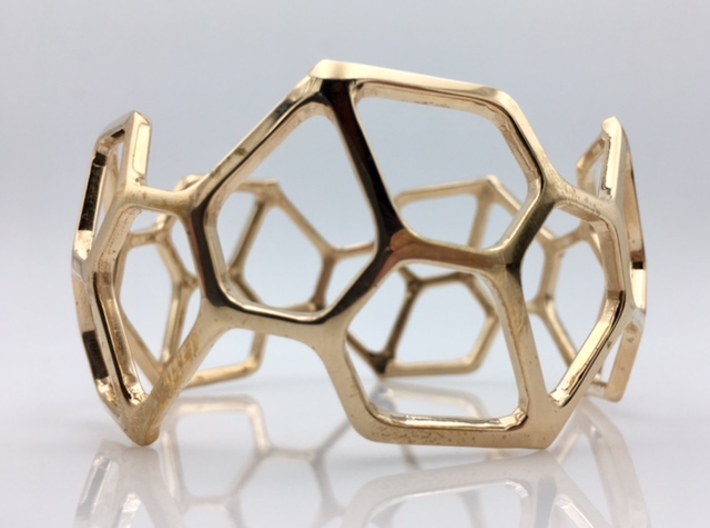
Advice on making 3D-print product photos look real instead of rendered, so buyers trust the piece actually prints.
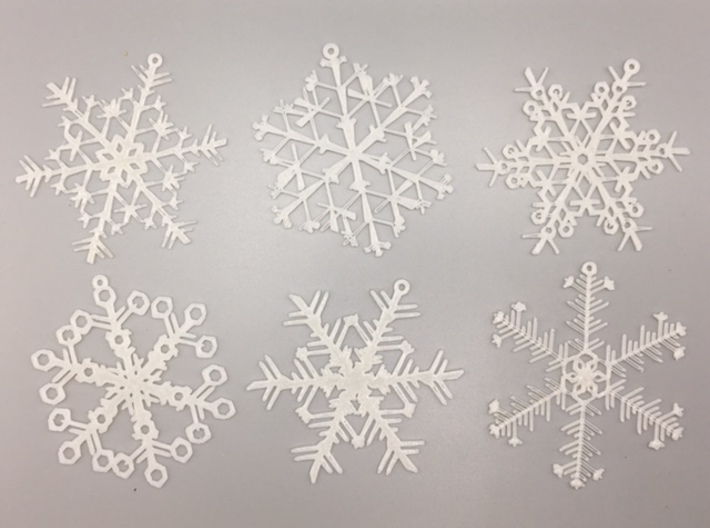
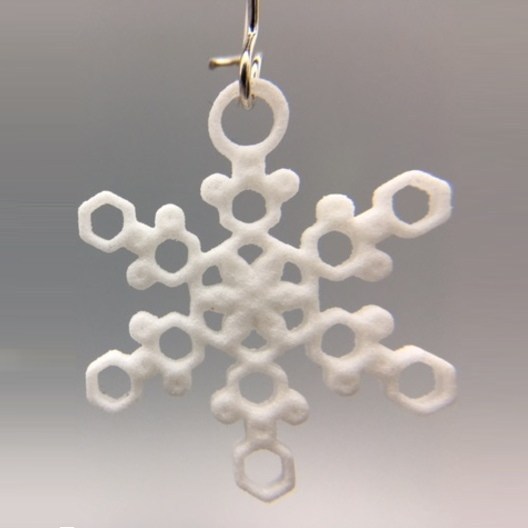
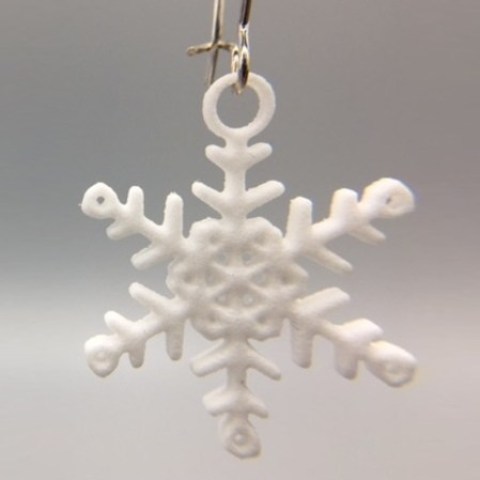
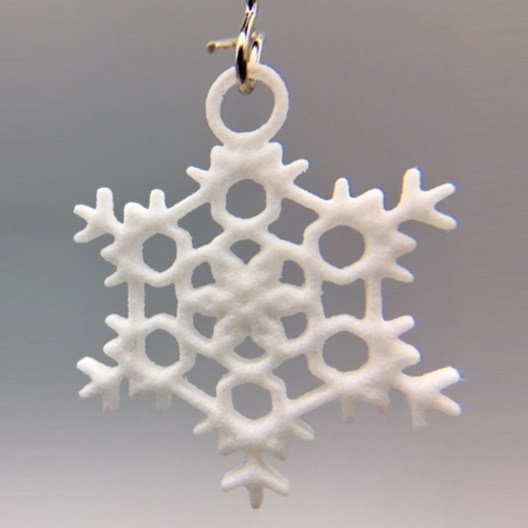
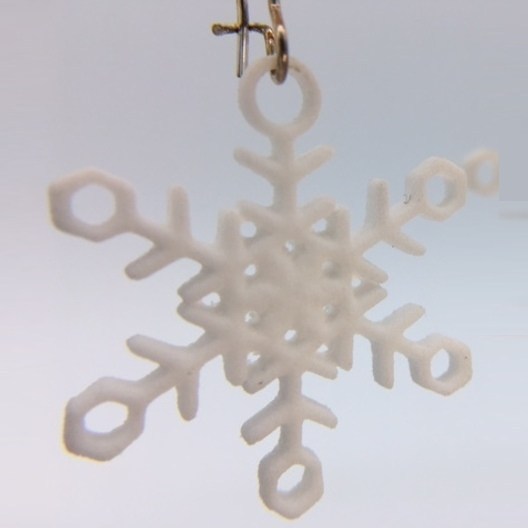
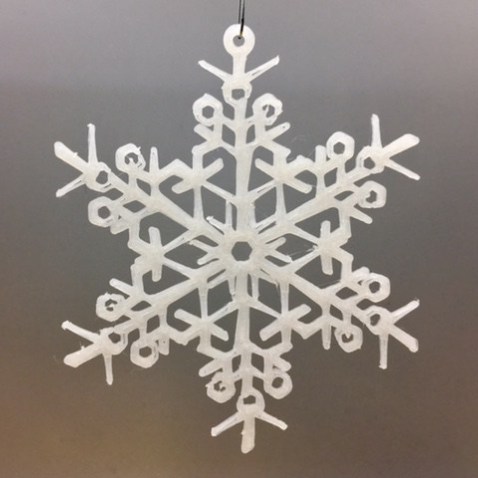
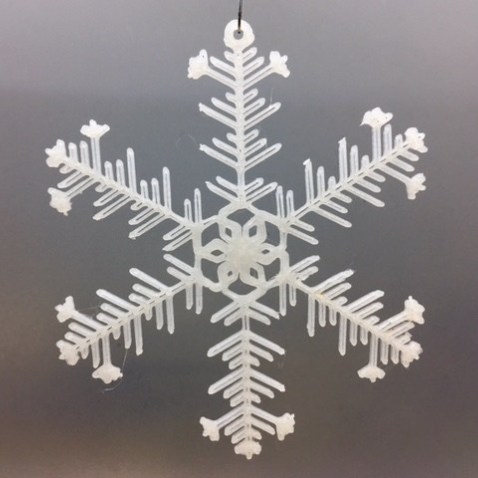
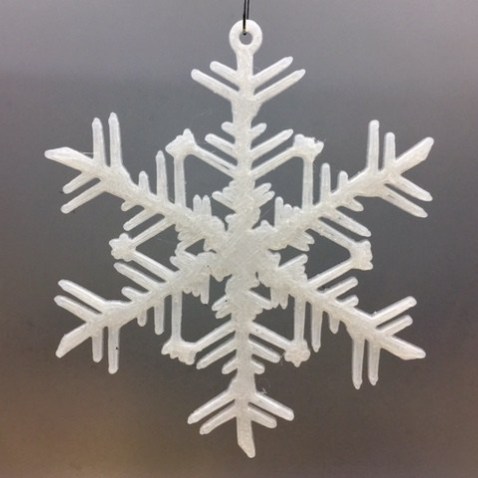
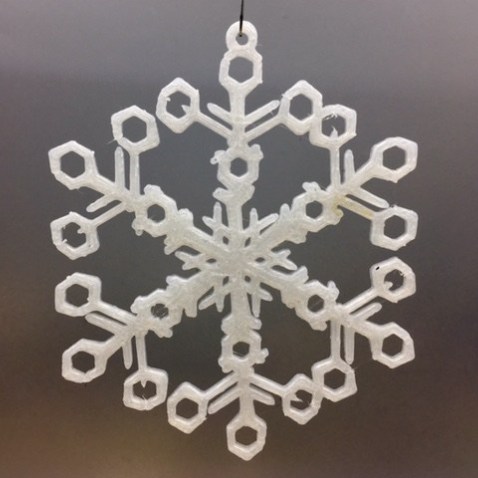
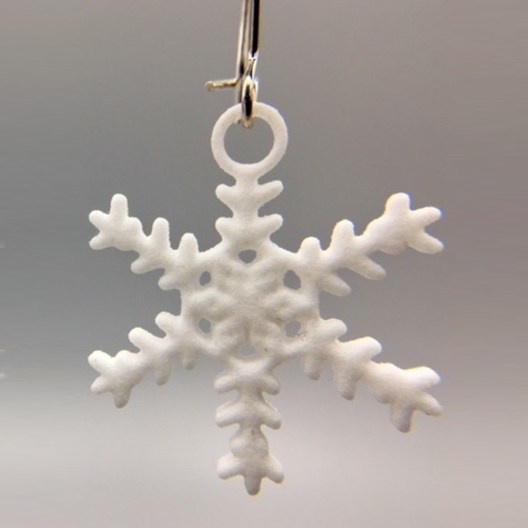
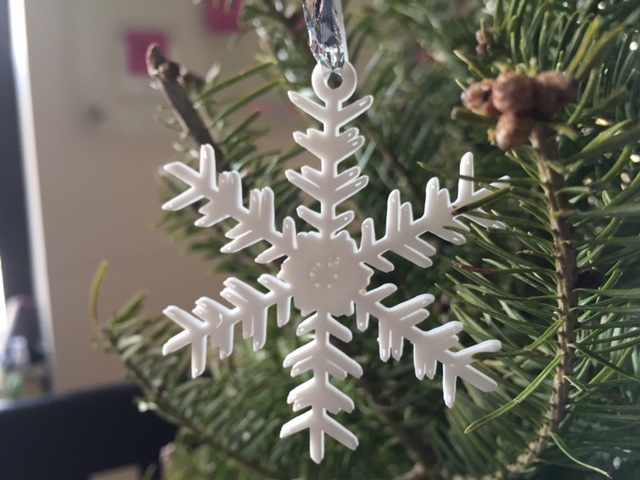
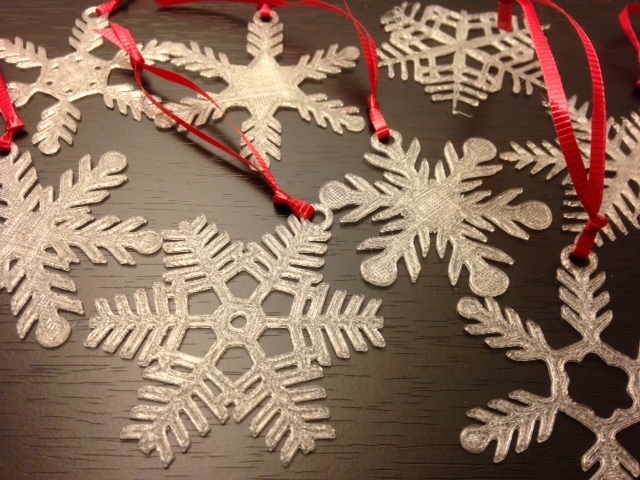
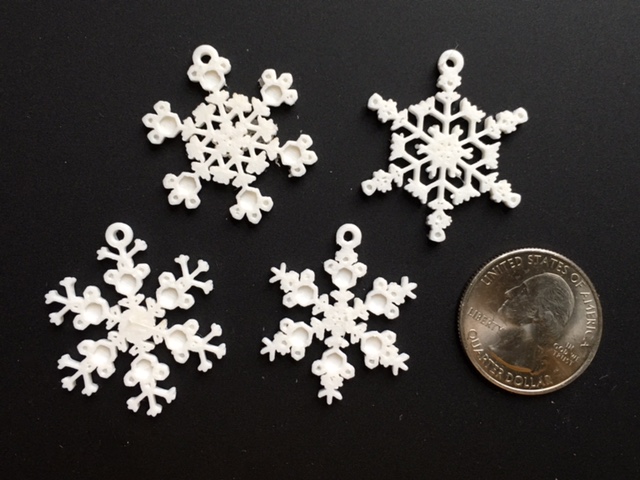
A set of six organic snowflake ornaments, procedurally grown in OpenSCAD with purposeful random imperfections.
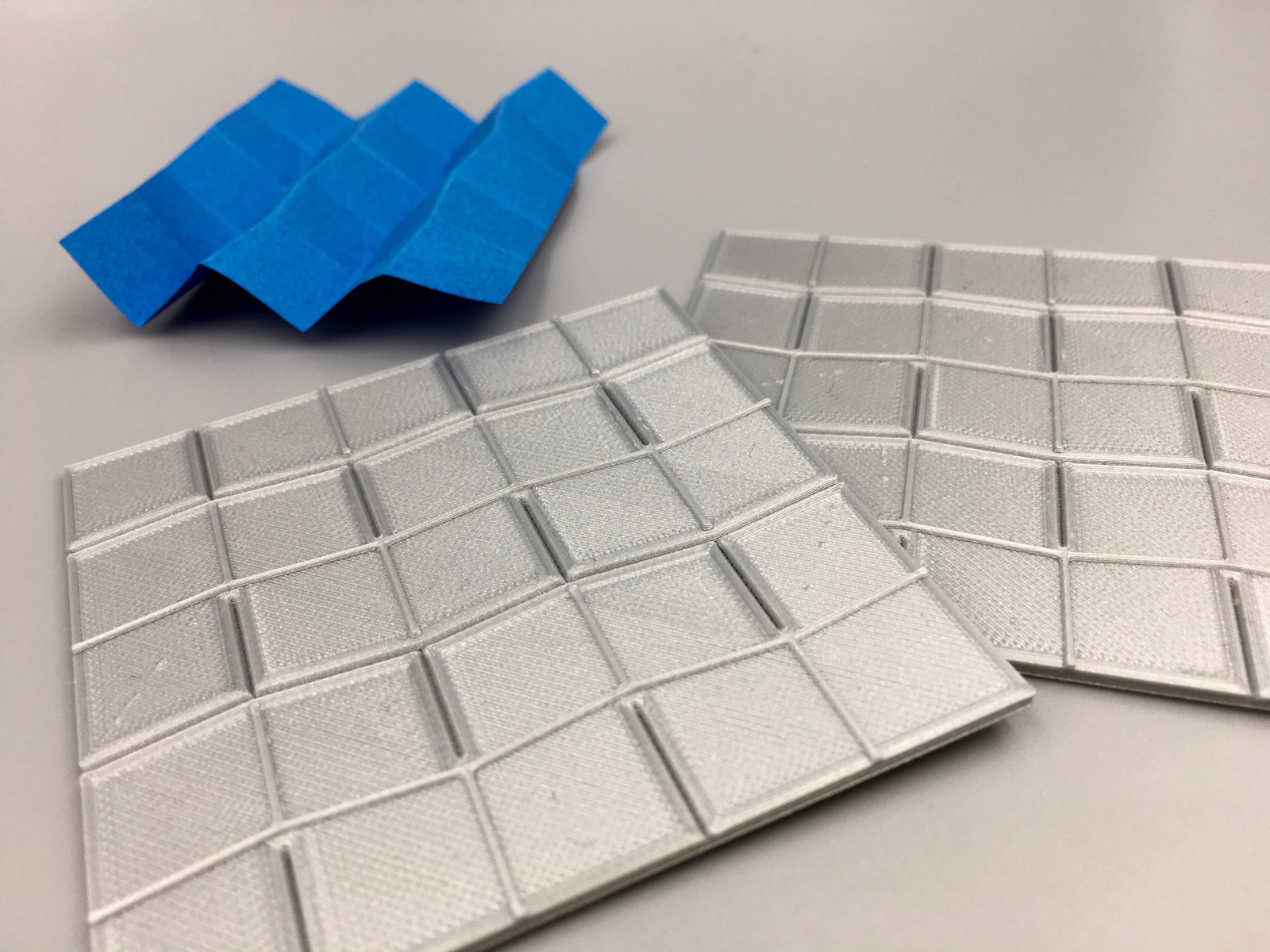
A 3D-printed press that stamps mountain and valley crease patterns into origami paper to pre-fold a clean Miura base.
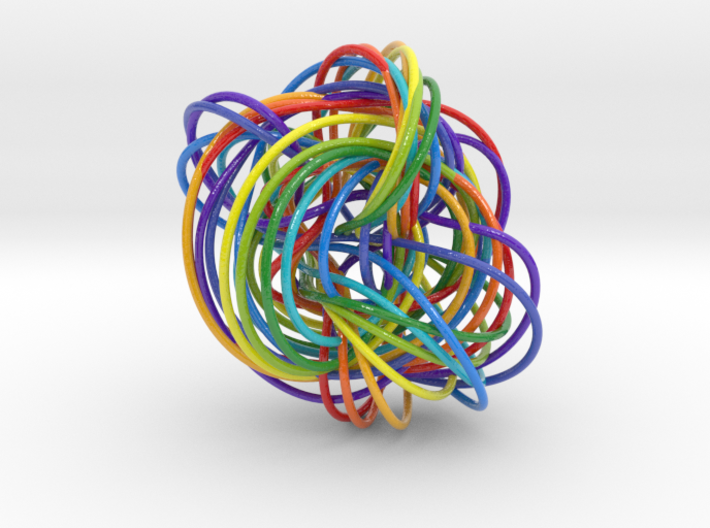
A how-to for painting color onto plain STL files in Meshmixer, using the Perko Morph as an example.
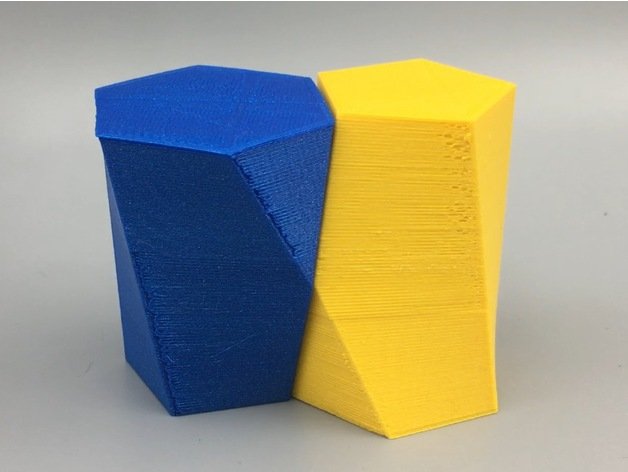
Modeling the newly discovered "scutoid" in OpenSCAD with a reusable polyloft module.
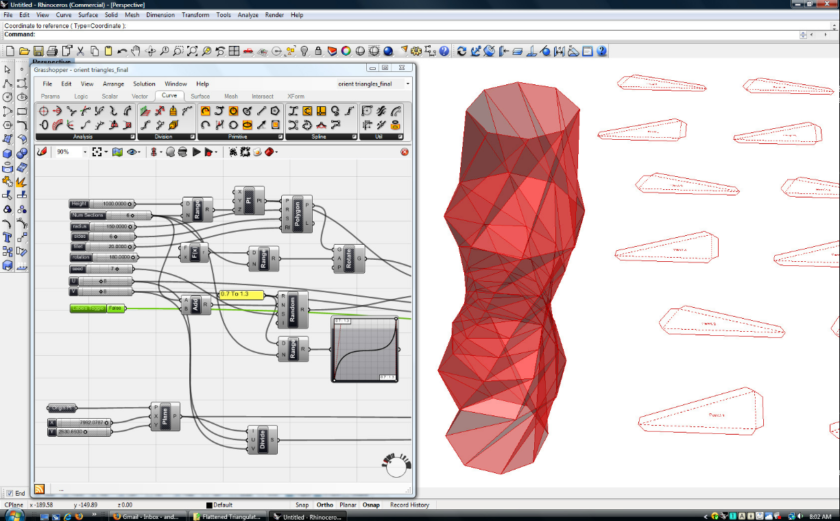
An introduction to Grasshopper, the visual batteries-and-wires parametric design plugin for Rhino.
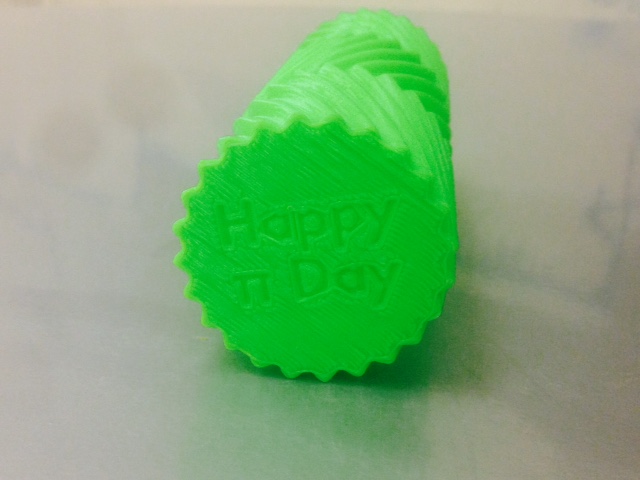
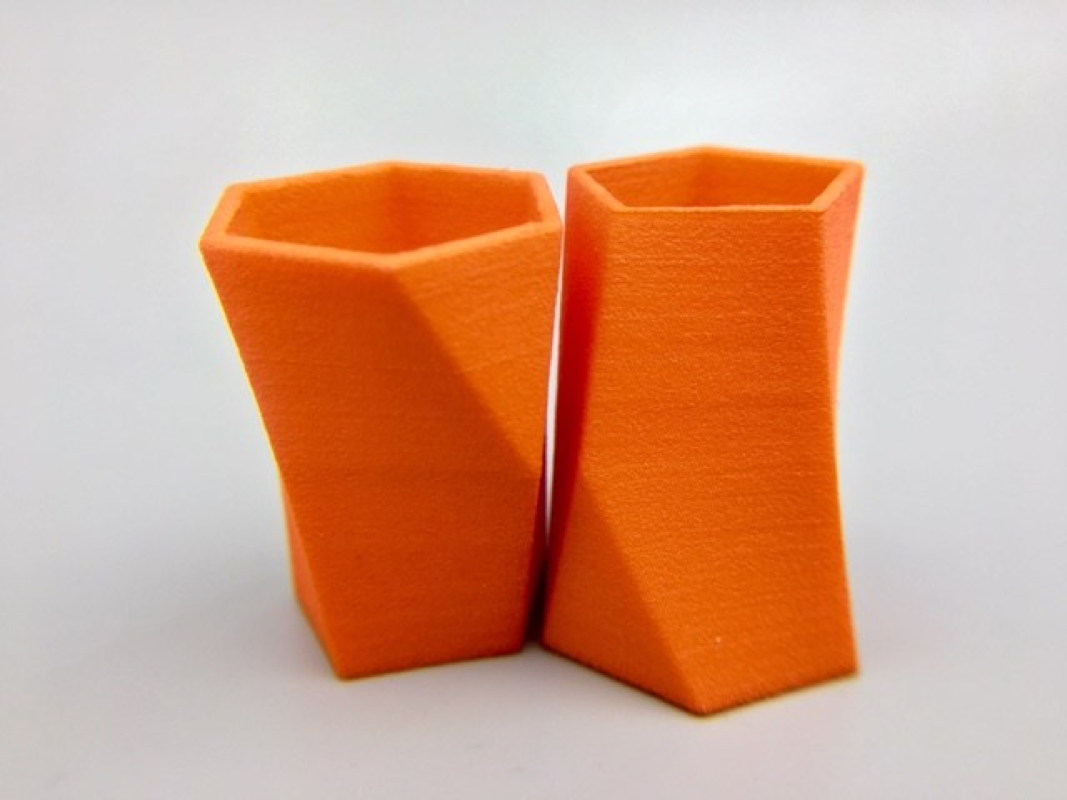
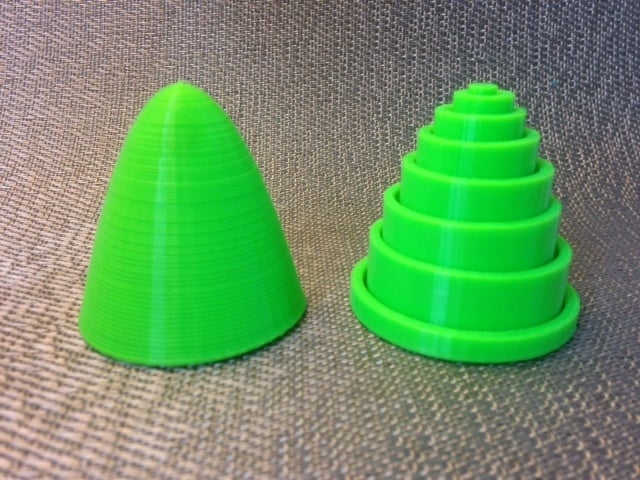
A pi-flavored illusion cup that is shorter than its circumference, made with new OpenSCAD tools.
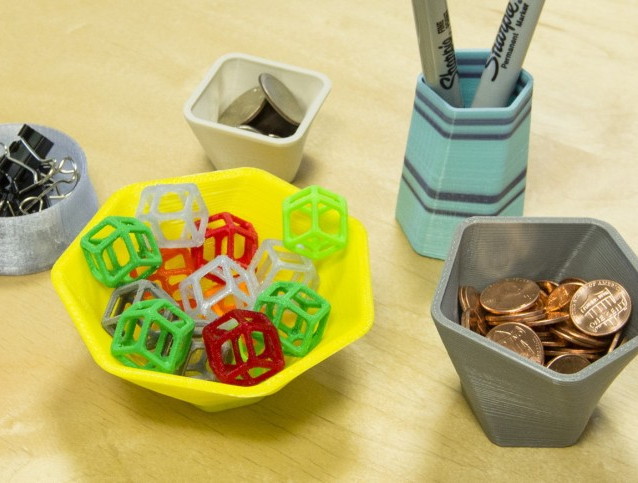
A six-minute video starter project that builds a whole family of parametric bowls and pen holders from scratch in OpenSCAD.
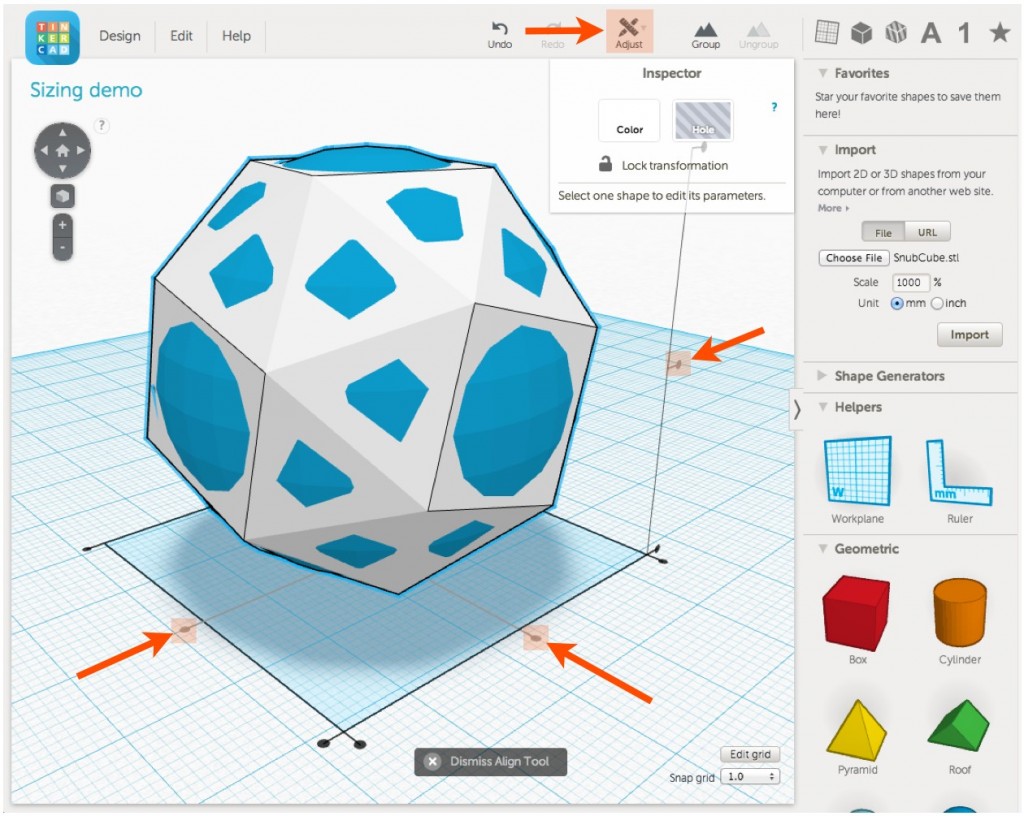
A method for scaling a polyhedron to ornament size in Tinkercad with the Ruler and Align tools.
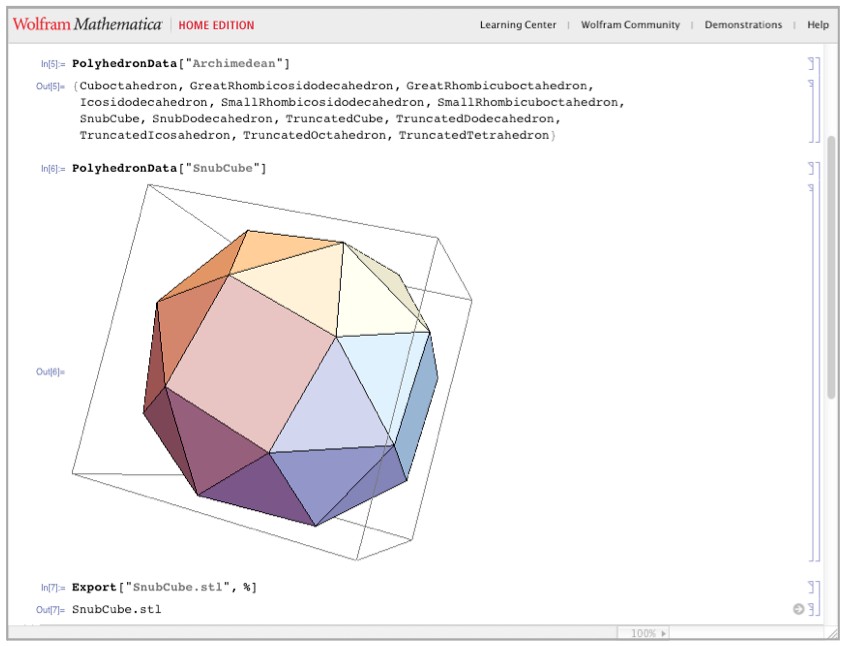
A tutorial for exporting polyhedra from Mathematica's PolyhedronData to create LED-light ornaments.
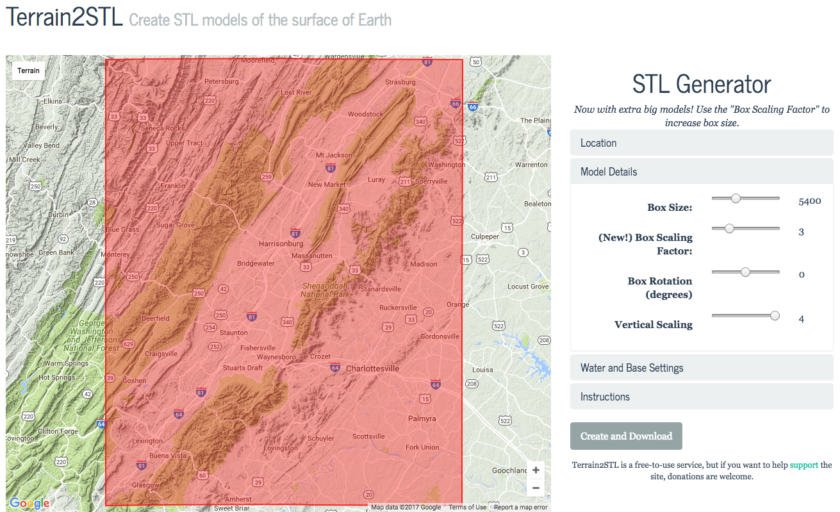
A guide to Terrain2STL for turning real-world elevation into 3D-printable relief maps, like a porcelain Shenandoah Valley.
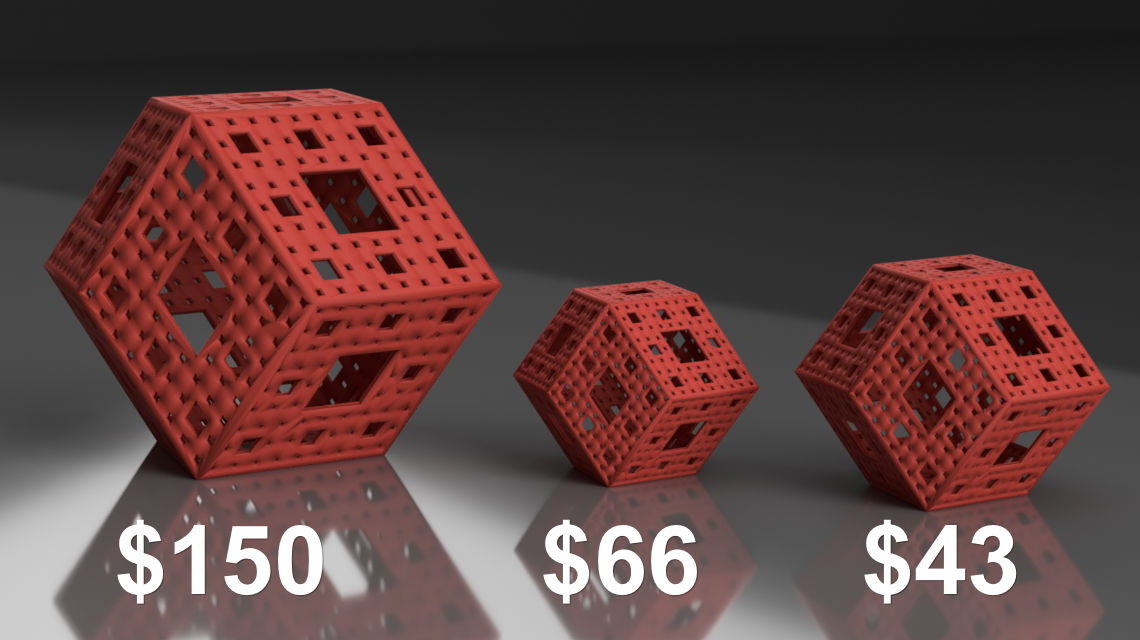
An explainer on why scaling a model up can sometimes lower its Shapeways print cost, thanks to machine-space packing.
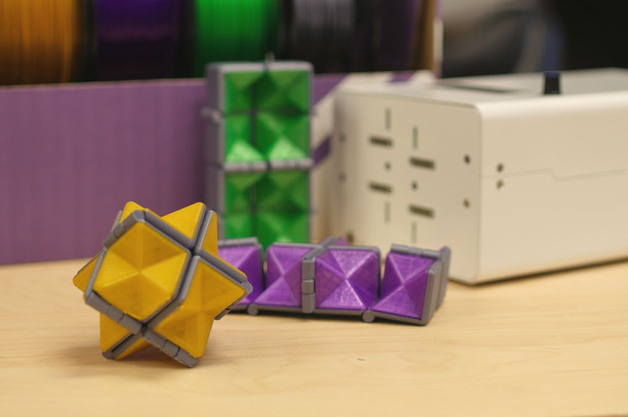
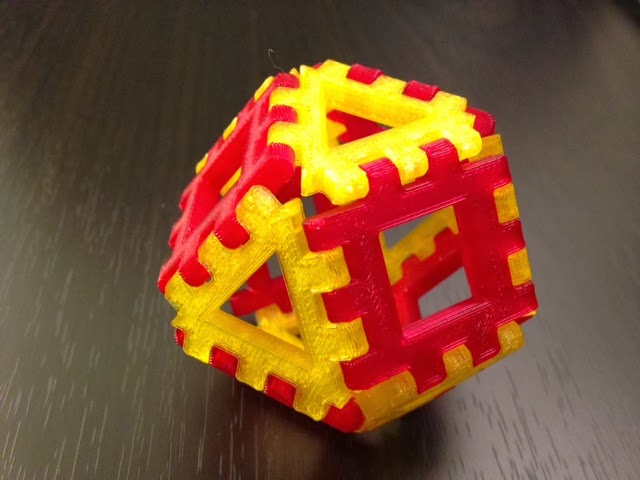
A five-year history of one nearly-impossible fidget cube design, from clip-together to print-in-place, and then even multicolor and SLS.
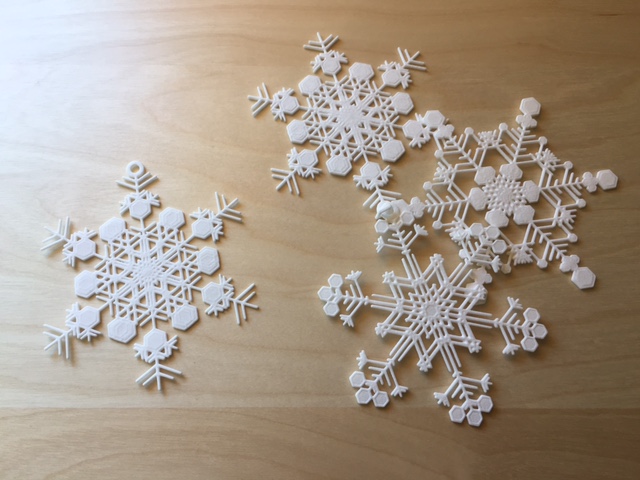
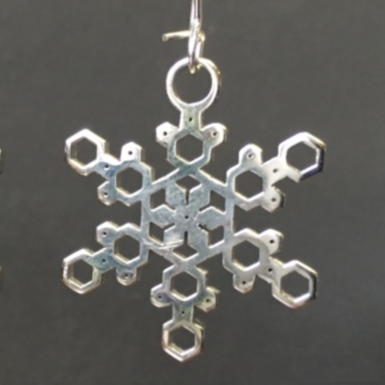
A walkthrough of redesigning desktop-printer snowflakes into Shapeways-ready models for industrial SLA and SLS printing.
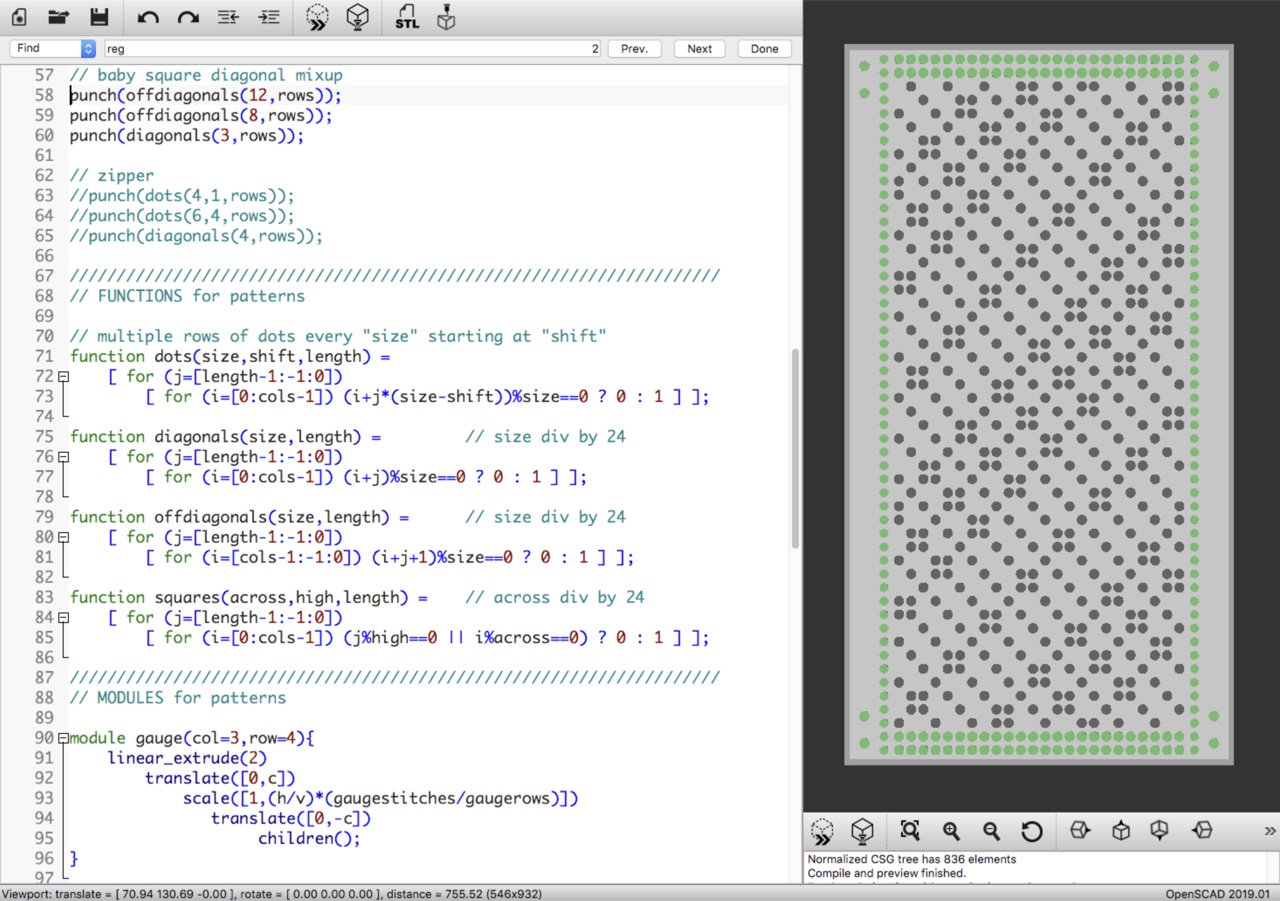
Using OpenSCAD code to combine diagonals, squares, and dots into complex patterns for knitting-machine punch cards.
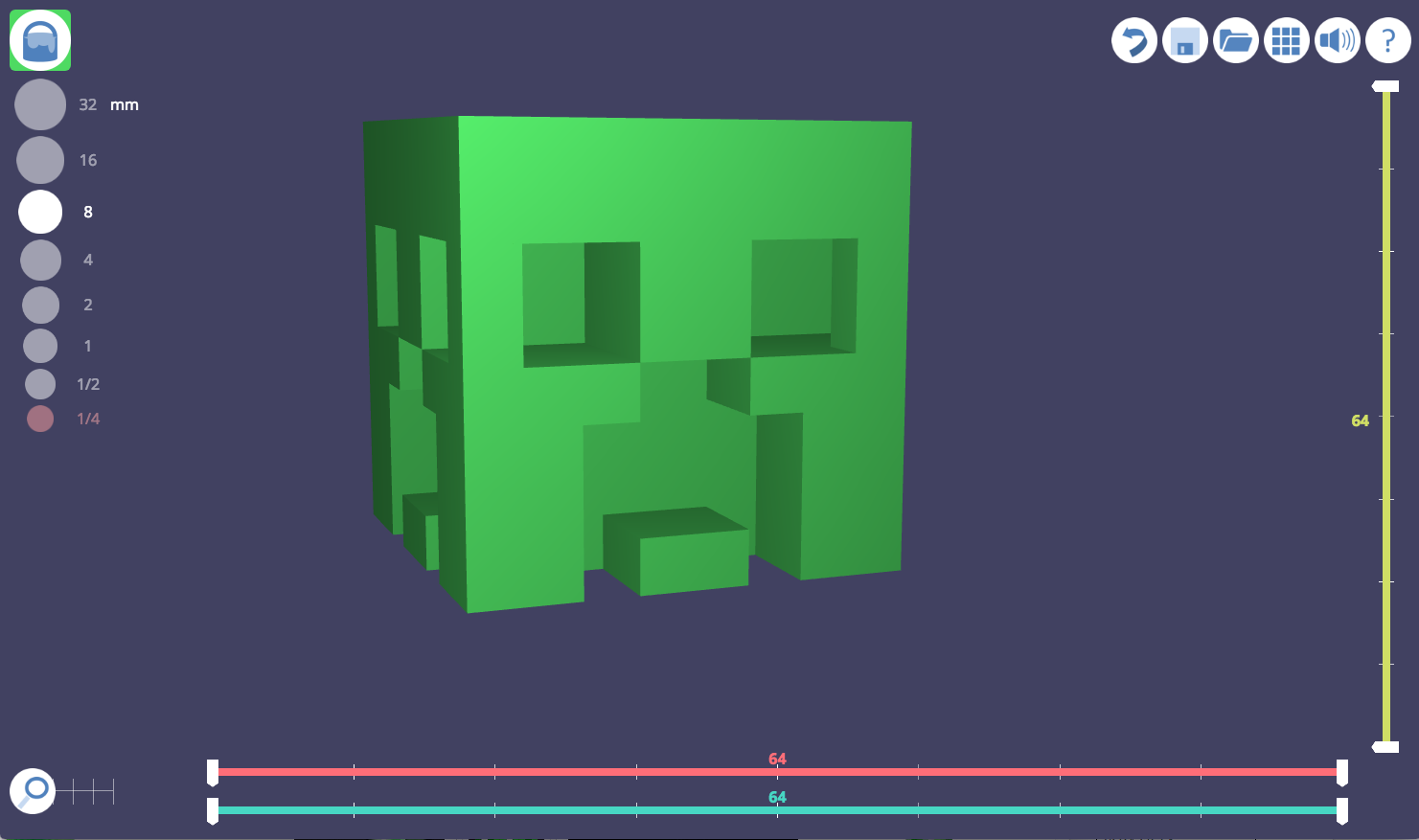
An introduction to 3D Slash, a playful in-browser modeler where you build designs by smashing and stacking blocks.
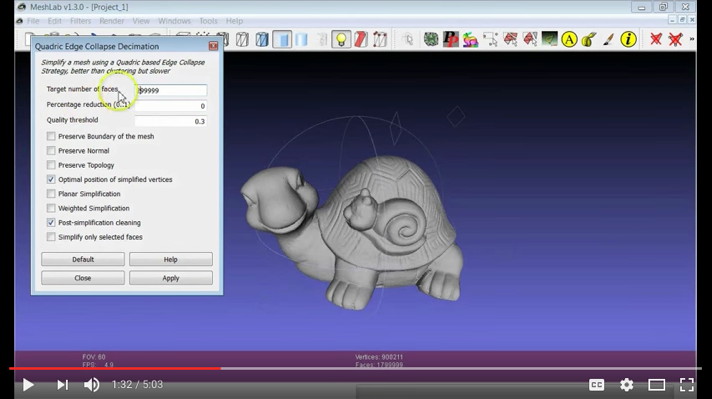
A how-to for three quick MeshLab fixes: reducing triangle count, fixing orientation, and clearing bad geometry.
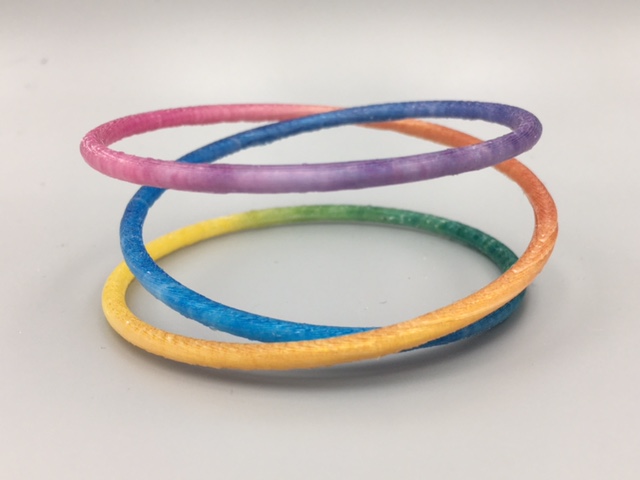
A walkthrough of designing and printing in full color using Meshmixer hand-painting and the XYZ da Vinci printer.
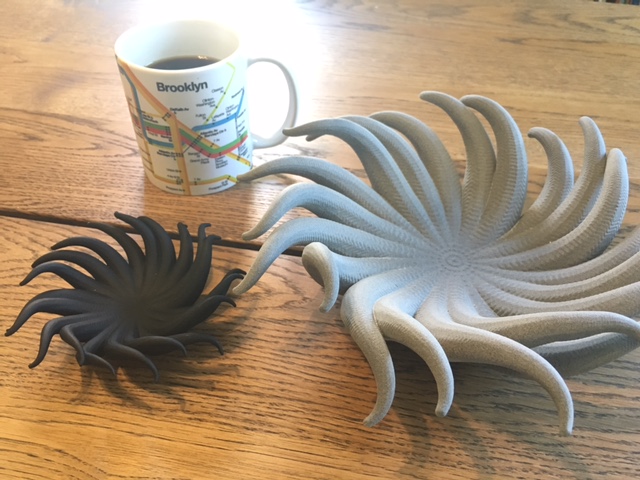
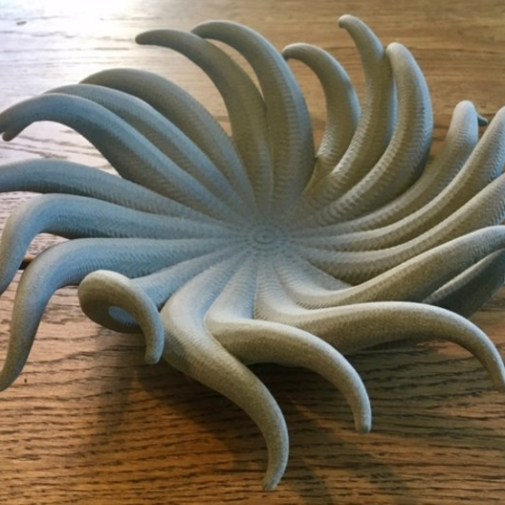
A walkthrough for cleaning up overlapping Structure Synth geometry into a solid, printable model, using a tentacle bowl.
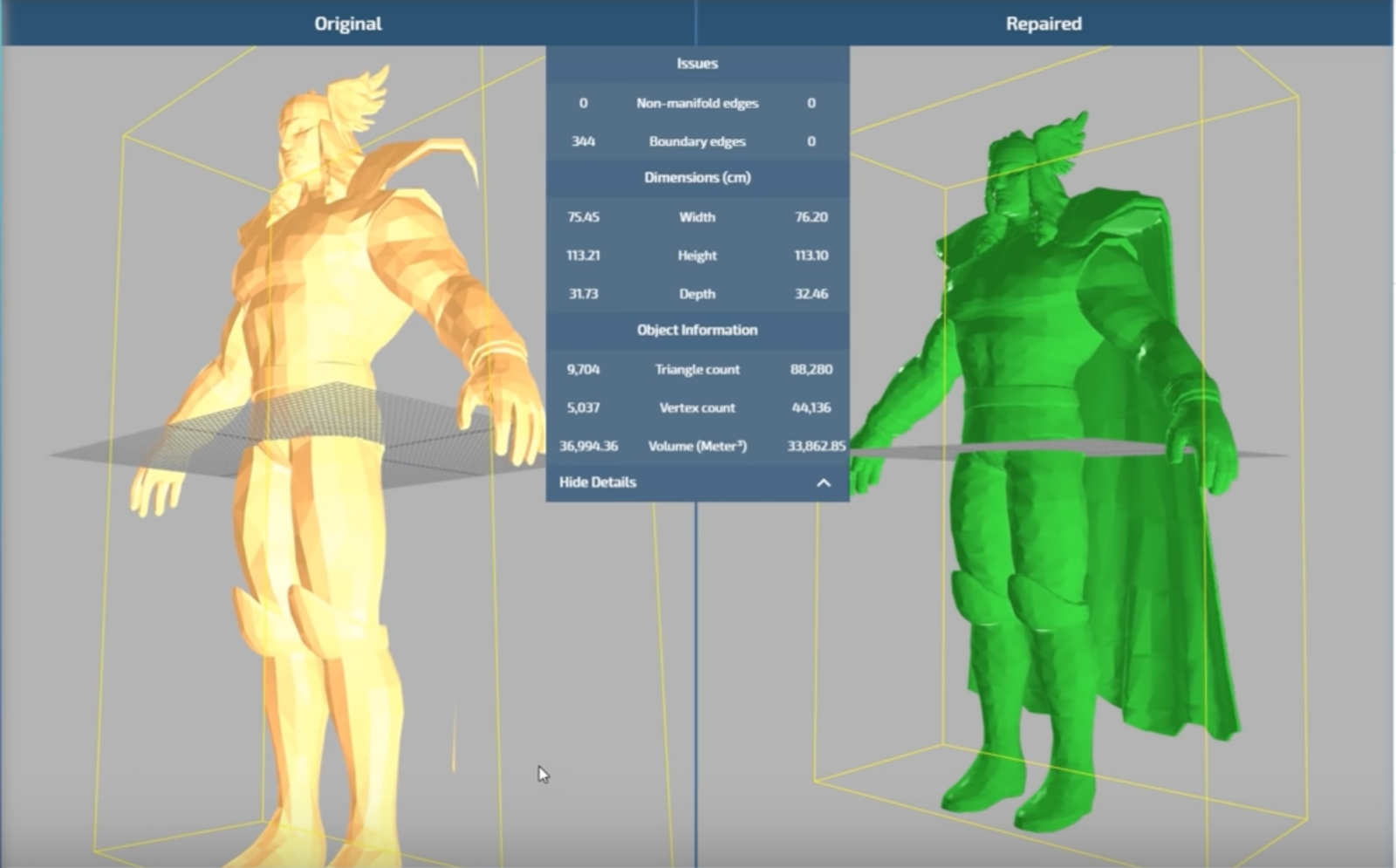
An overview of MakePrintable, a cloud service that repairs hopelessly broken 3D model geometry into printable meshes.
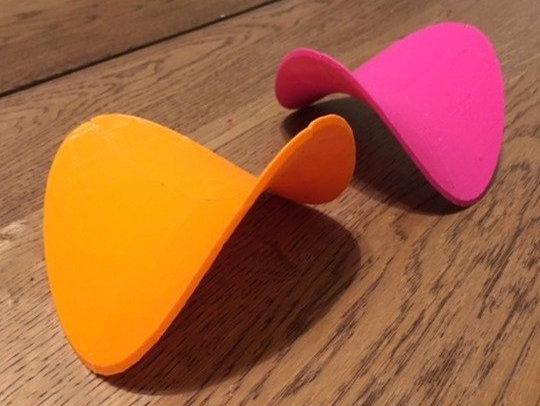
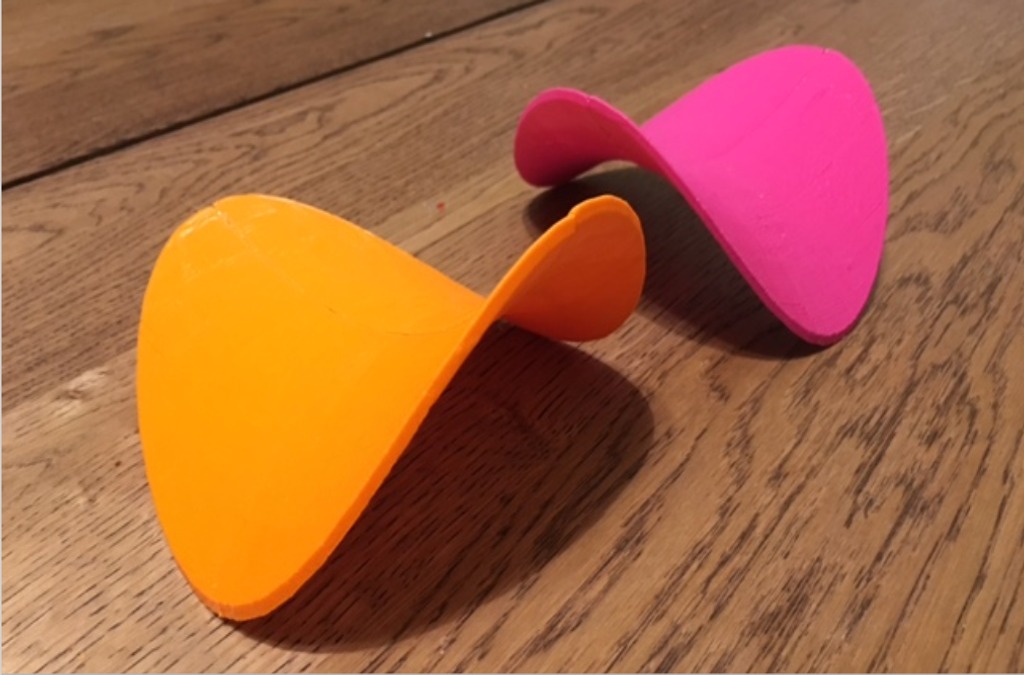
A saddle surface for calculus students to hold, exported from Mathematica and shaped to a circular domain in Tinkercad.
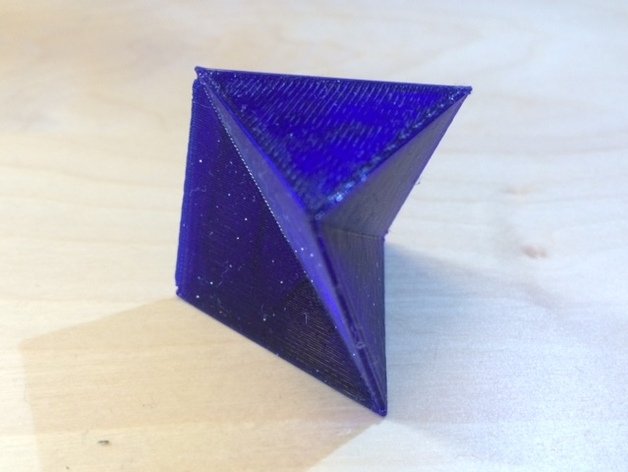
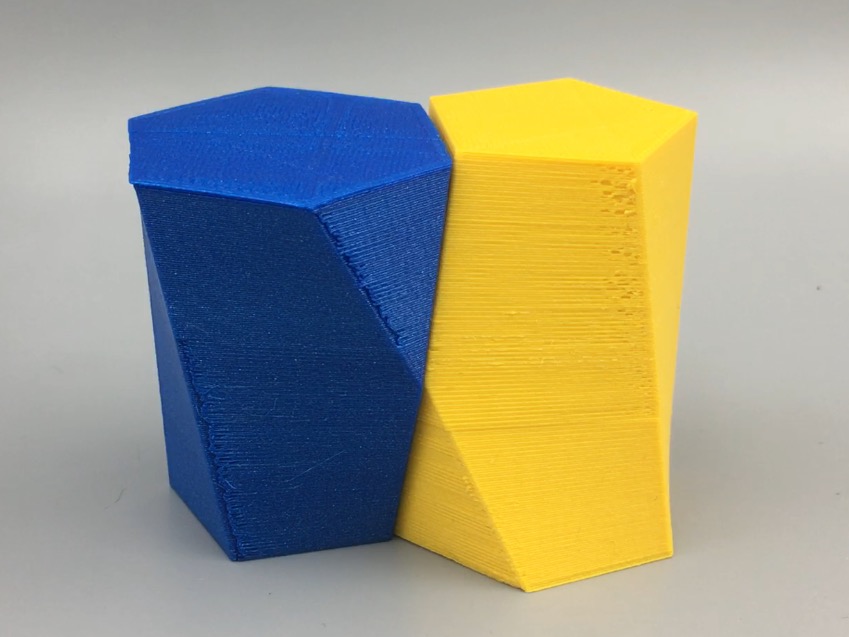
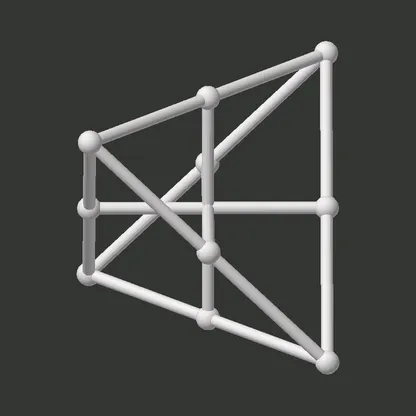
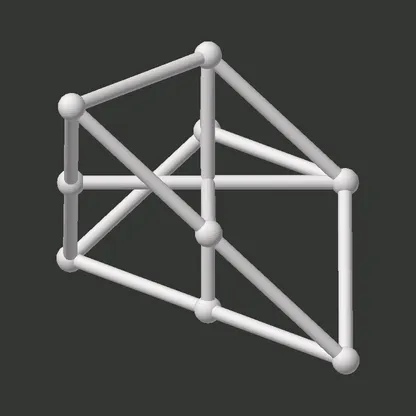
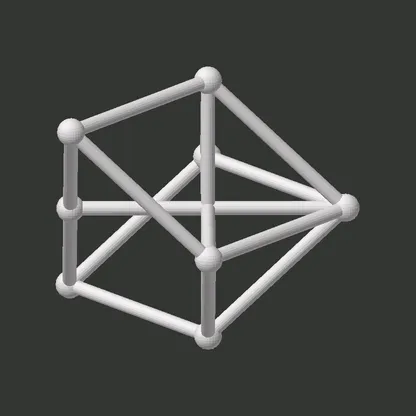
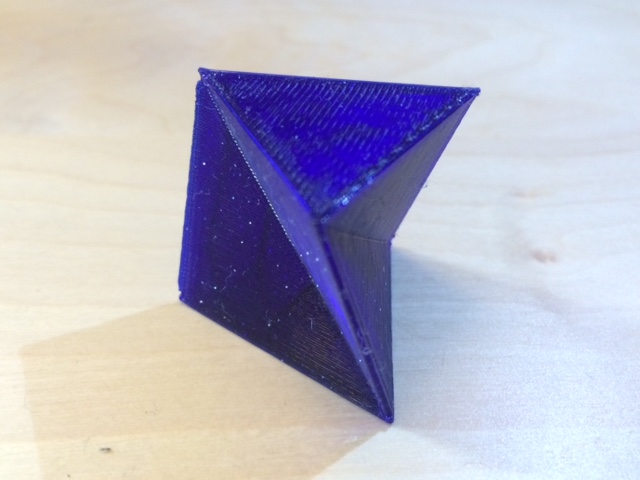
The simplest non-tetrahedralizable polyhedron is a twisted triangular prism that you can build in just two lines of OpenSCAD code.

The kickoff of the weekly Tutorial Tuesday column, curating the best 3D design tutorials for getting started.
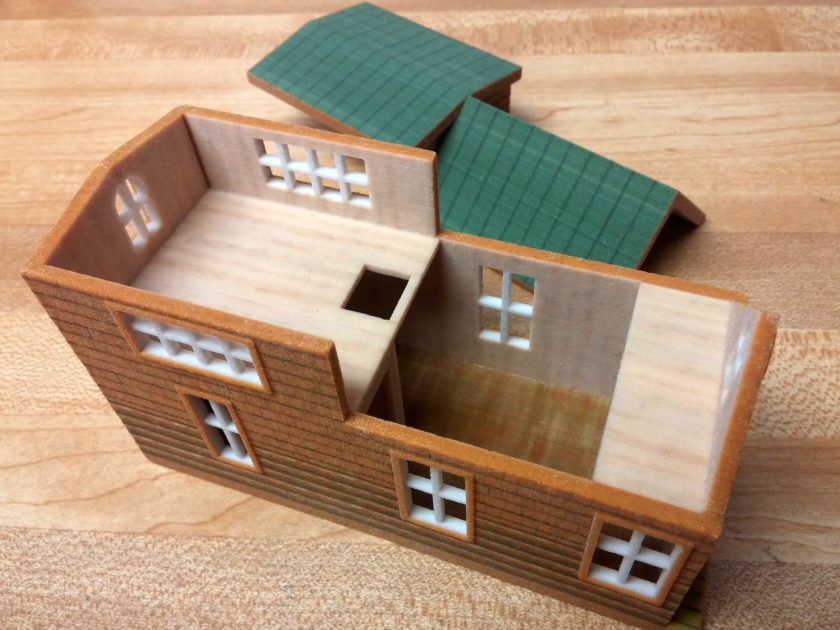
A roundup of the best beginner and intermediate SketchUp resources for designing models of buildings.
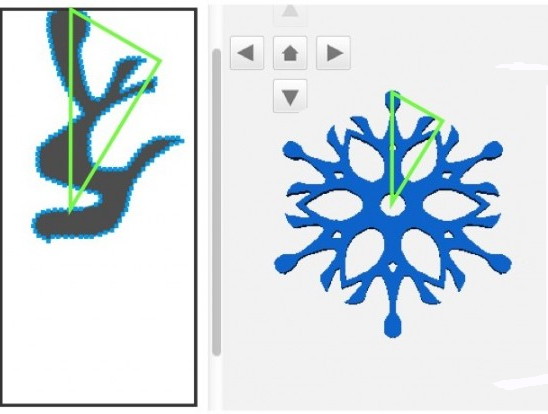
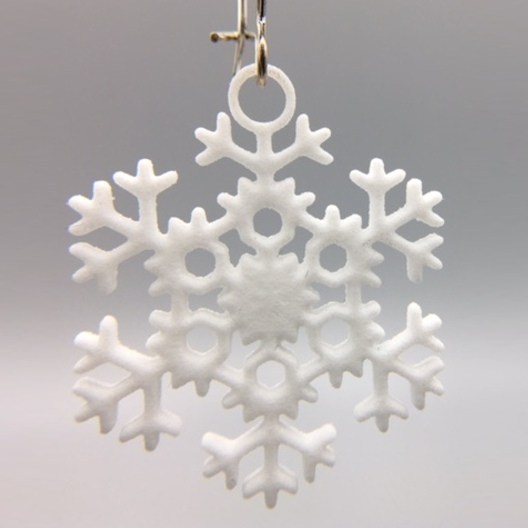
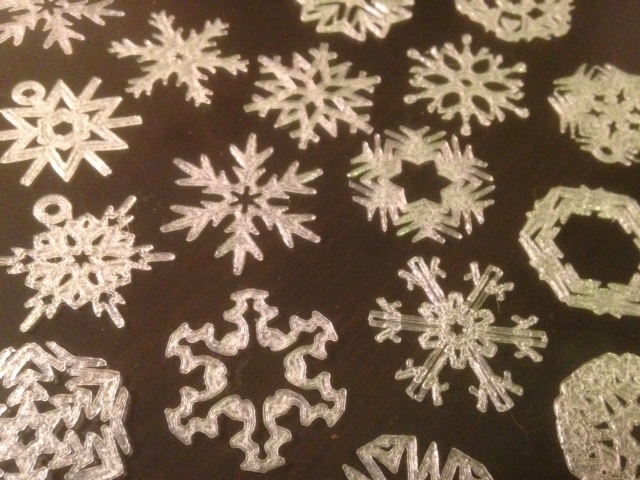
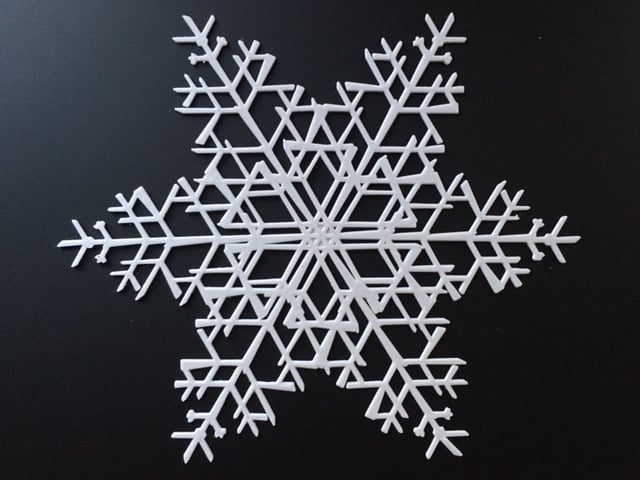
A Customizer that turns a one-twelfth doodle into a 6-fold symmetric snowflake, mimicking how you cut folded paper.
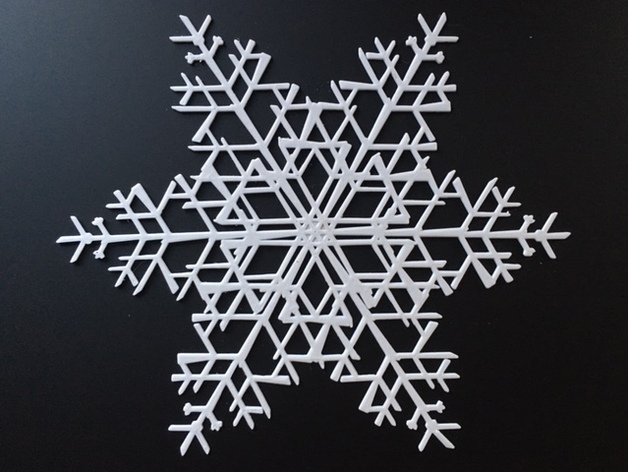
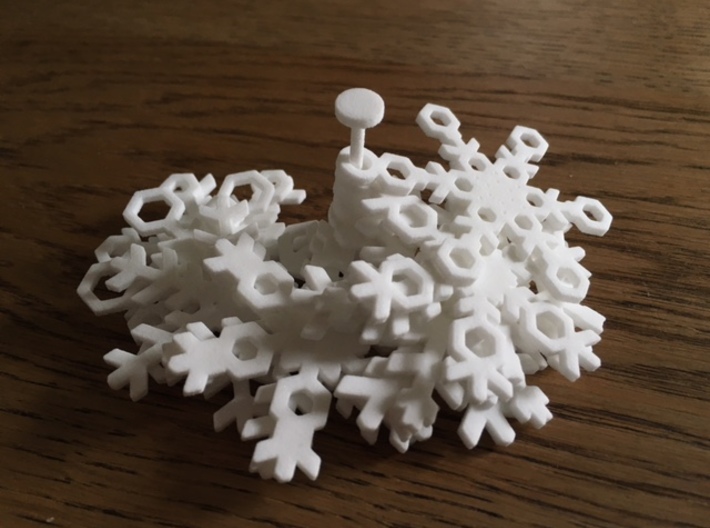
A parametric snowflake generator in OpenSCAD that grows over a billion unique 3D-printable flakes from a single random seed.
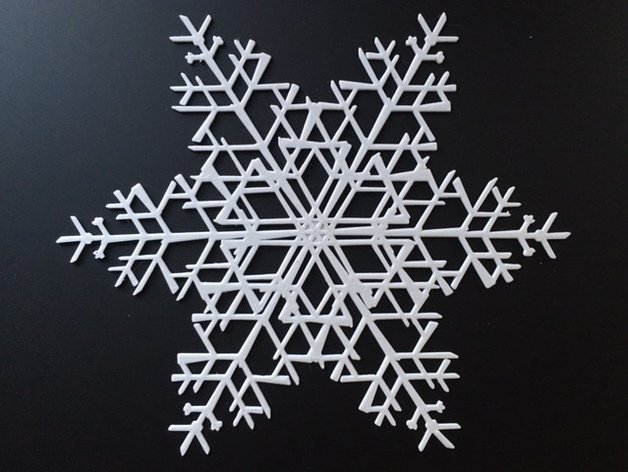
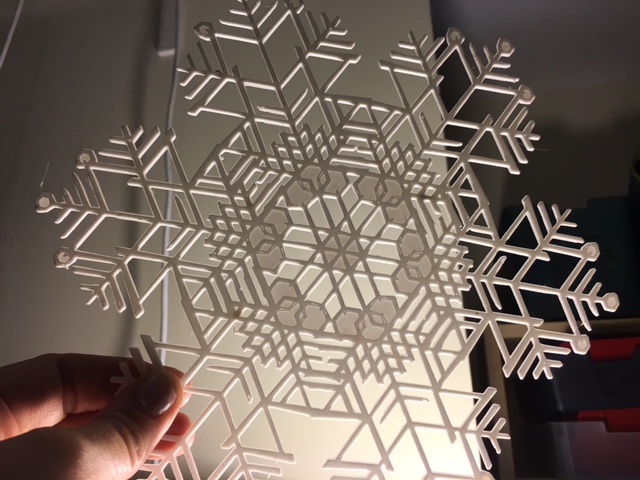
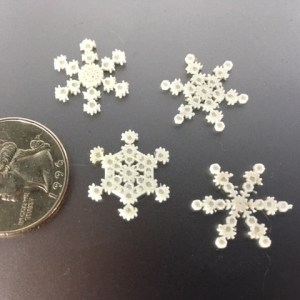
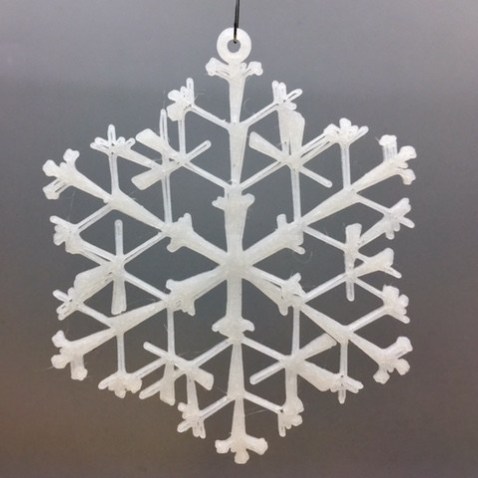
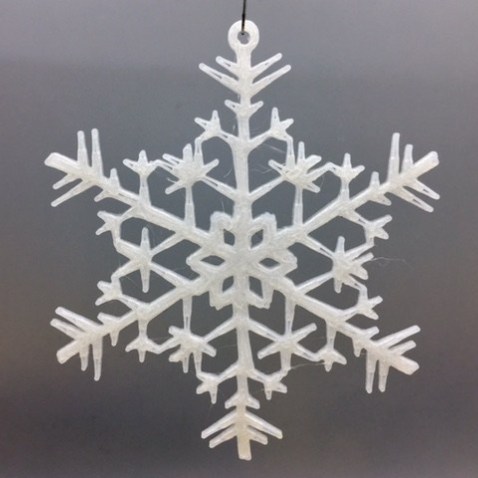
A customizable design that generates over a billion unique 3D-printable snowflakes from random seeds and style parameters.
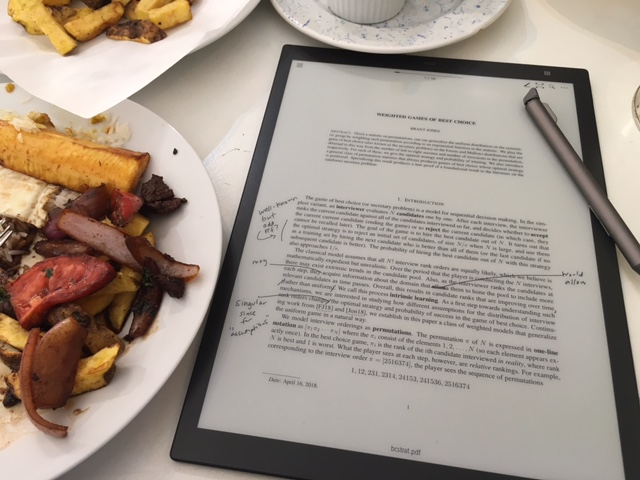
A field review of the new SONY Digital Paper for reading technical math papers and books.
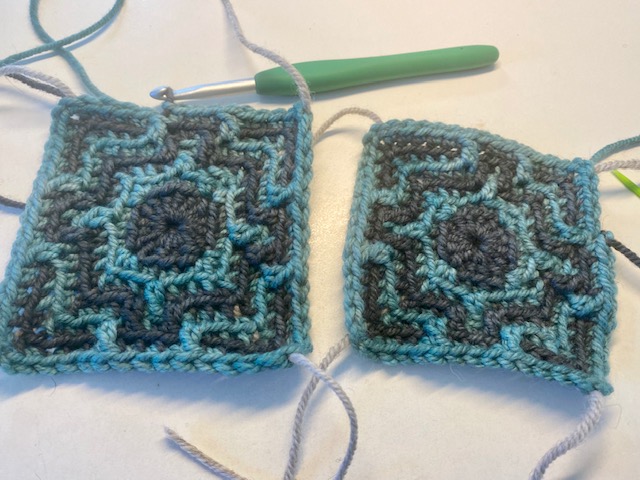
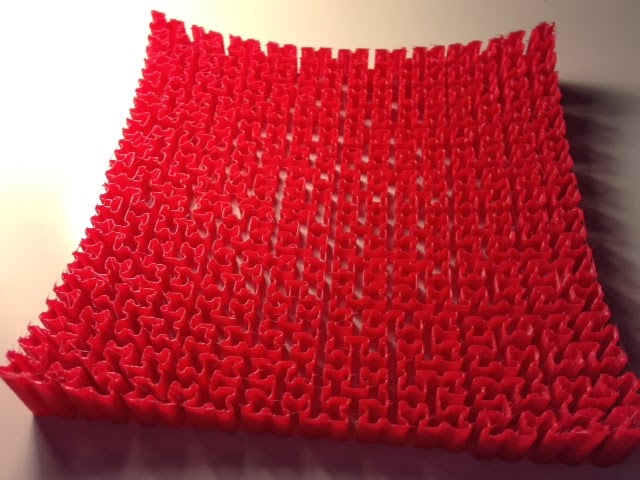
A space-filling riff on Tinna's Terrazzo Afghan that builds the pattern out from the center.
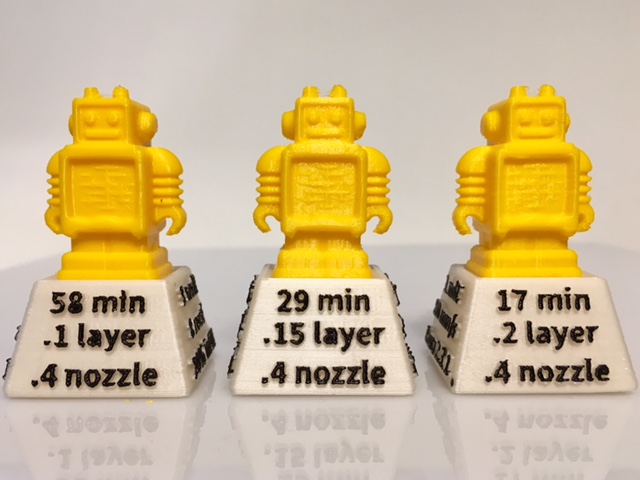
An experiment in speeding up the Ultimaker test robot by pushing the limits on Cura's slicer settings for speed.
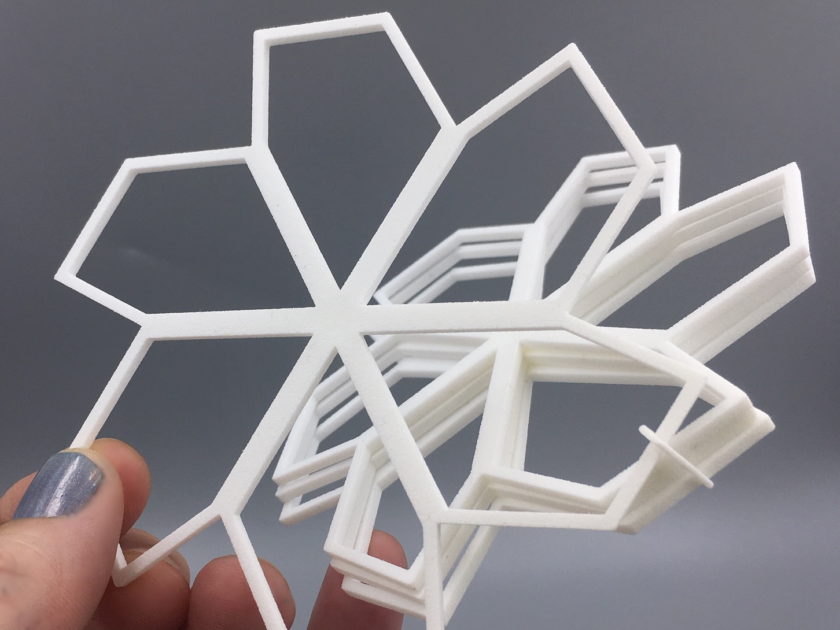
How to stack and loop 3D models so they print in bulk for far less, optimizing per-part pricing for affordable batch prints.
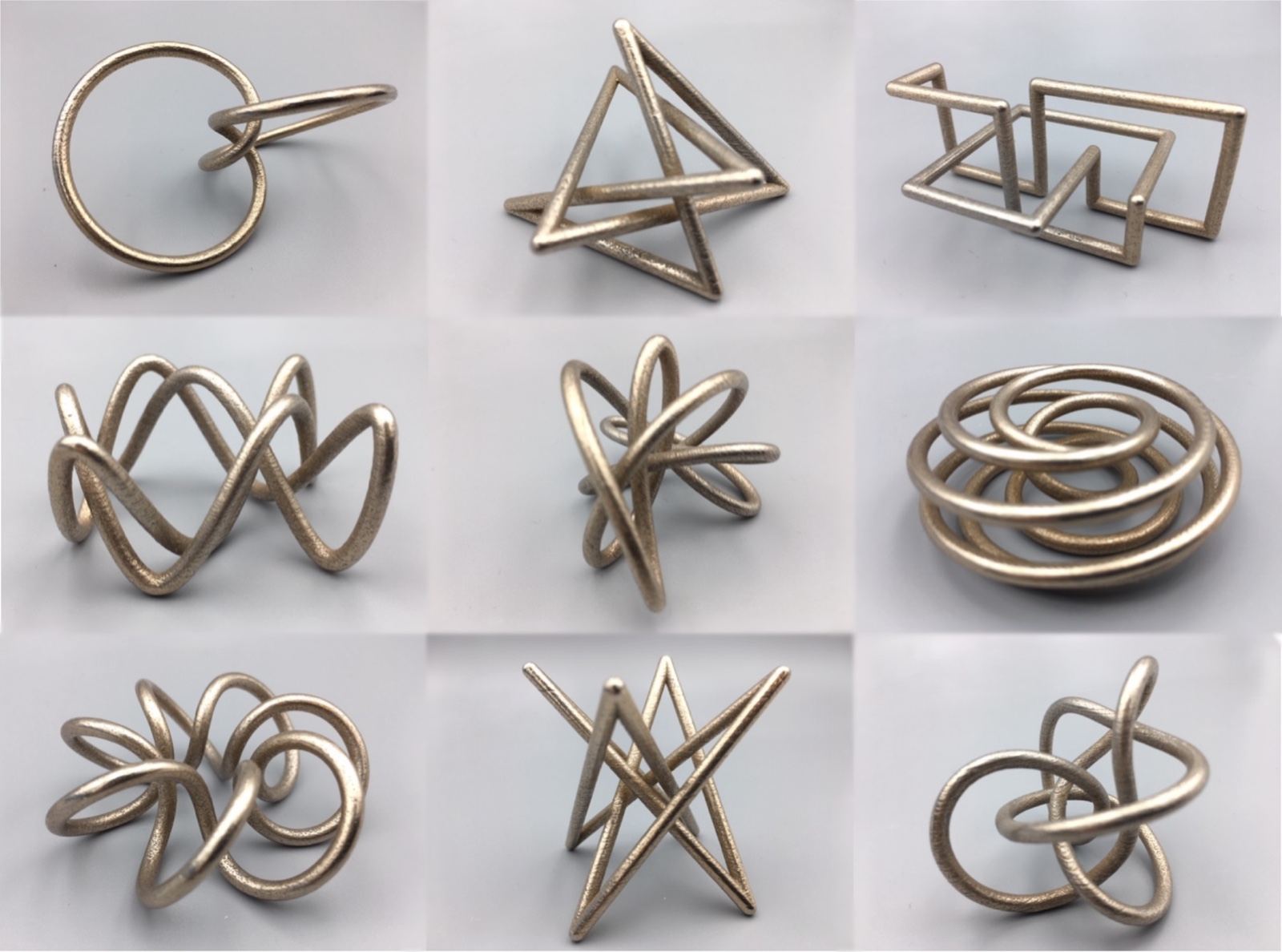
Nine mathematical knot conformations 3D printed in stainless steel for an ICERM Illustrating Mathematics art exhibit.
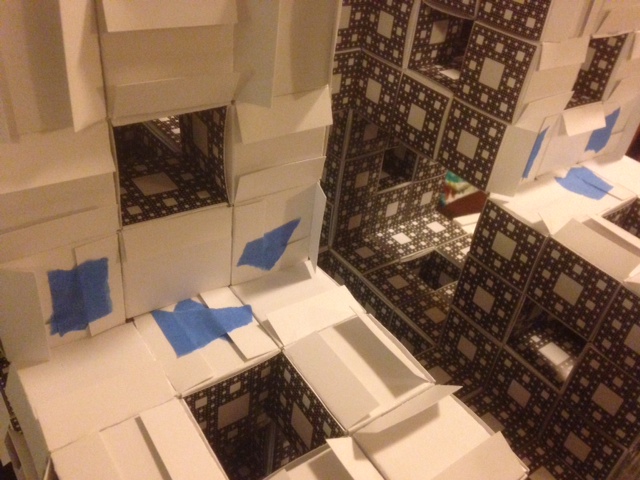
A confession about tape: where and how to use a few judicious strips to keep a business-card Menger build from collapsing.
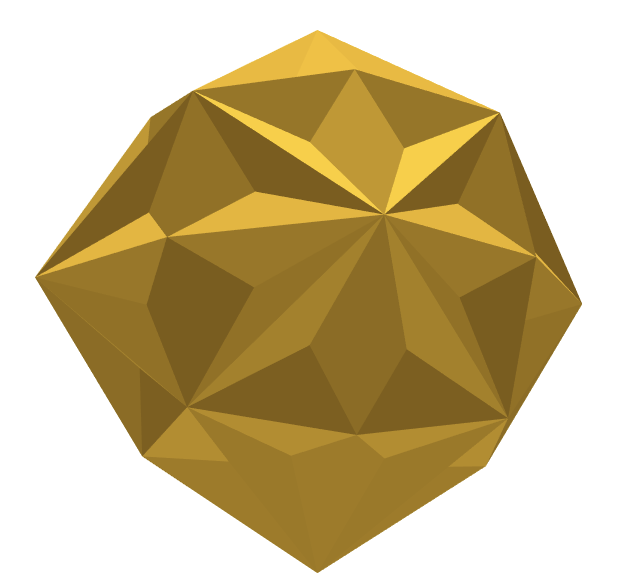
A beginner's journey wrangling three.js and WebGL to render a spinning 3D polyhedron in the browser.
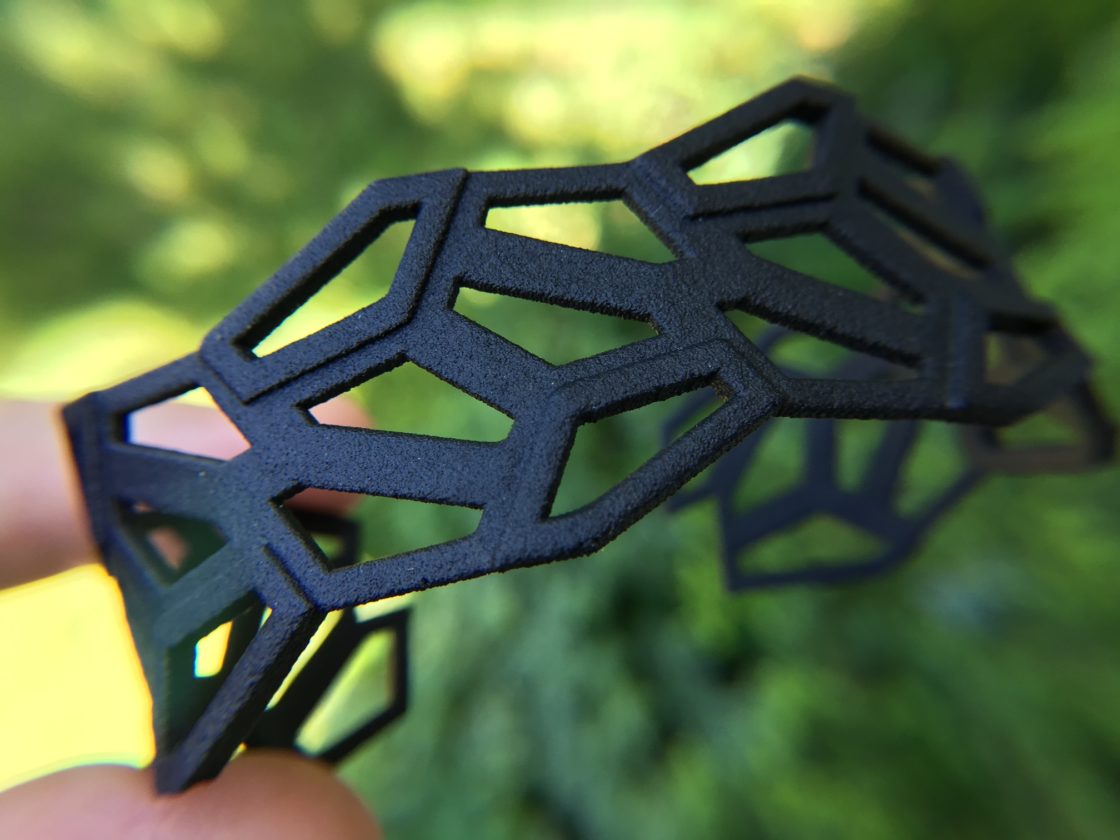
A gear guide to cheaply improving phone photos of your 3D prints with a light tent and a clip-on macro lens.
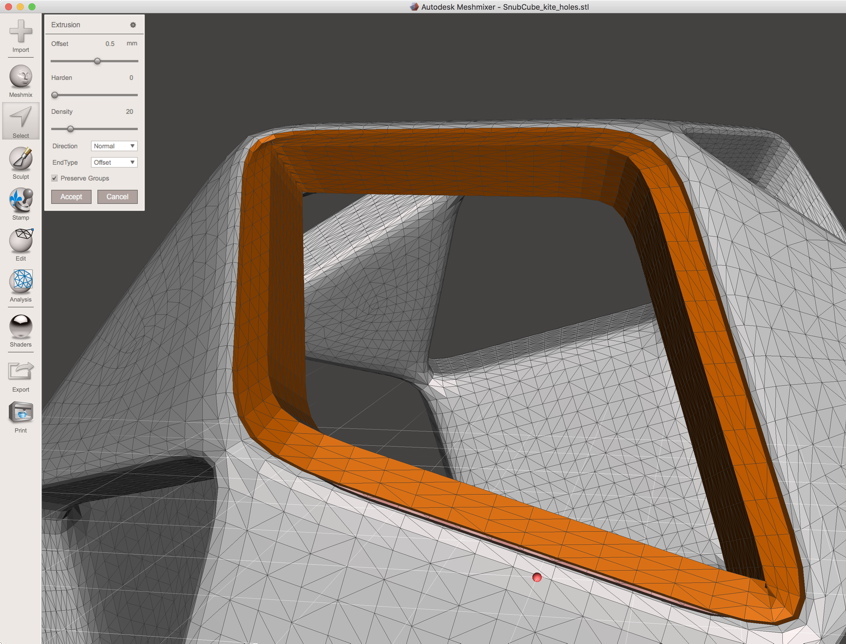
A tutorial for thickening the weak spots of a 3D model in Meshmixer so it survives printing in stainless steel.
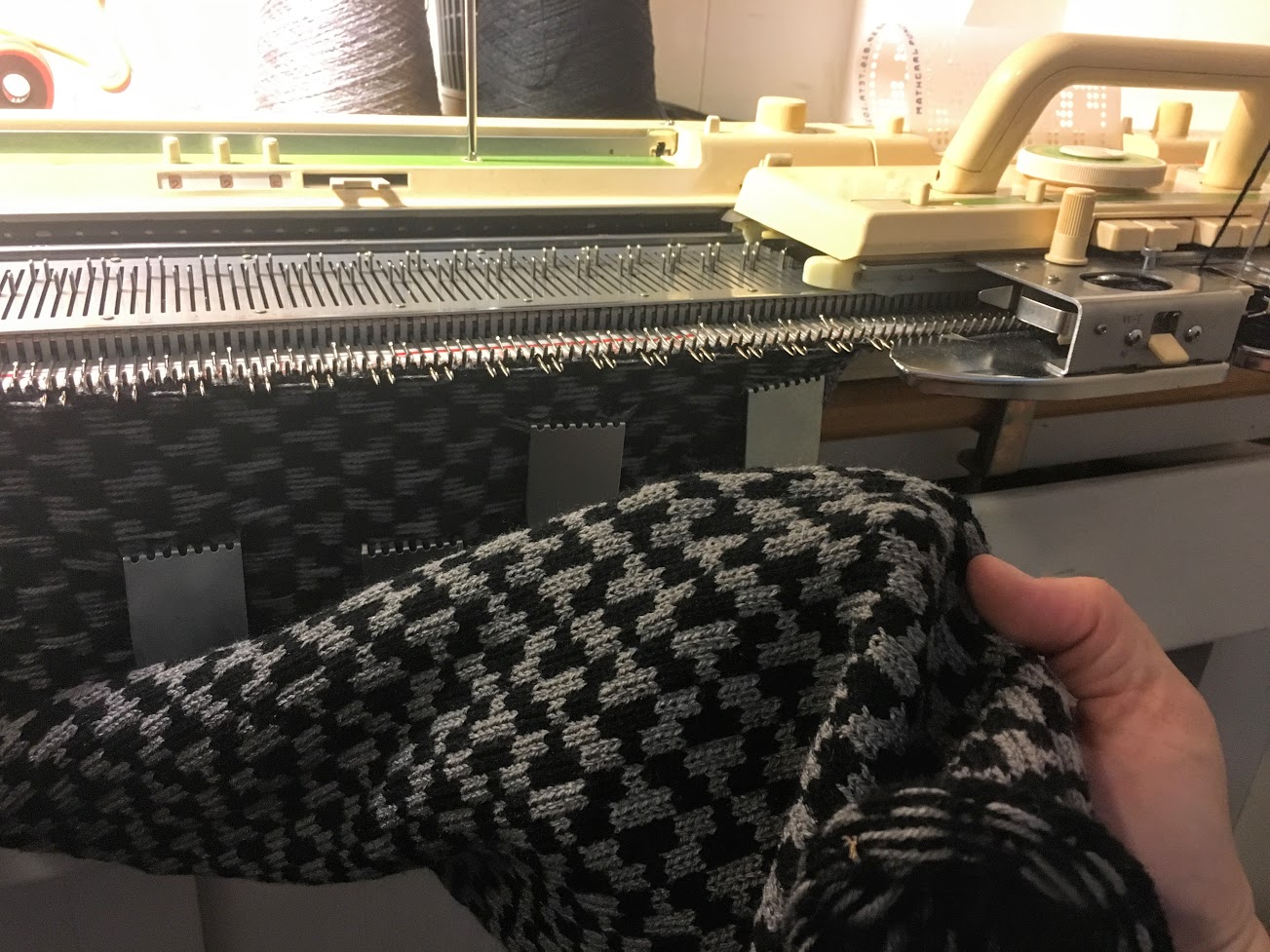
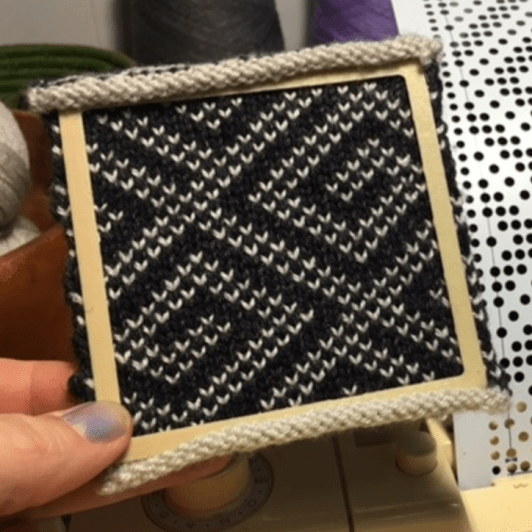
A two-color houndstooth tessellation of Tetris tetrominoes, taken from punch card to finished machine-knit scarf.
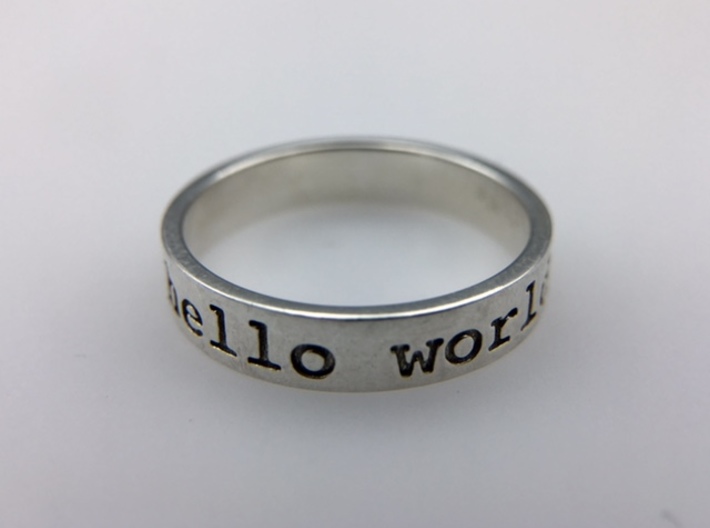
A tutorial for wrapping text around a ring using a clever application of specialized sheet metal design tools in Fusion 360.
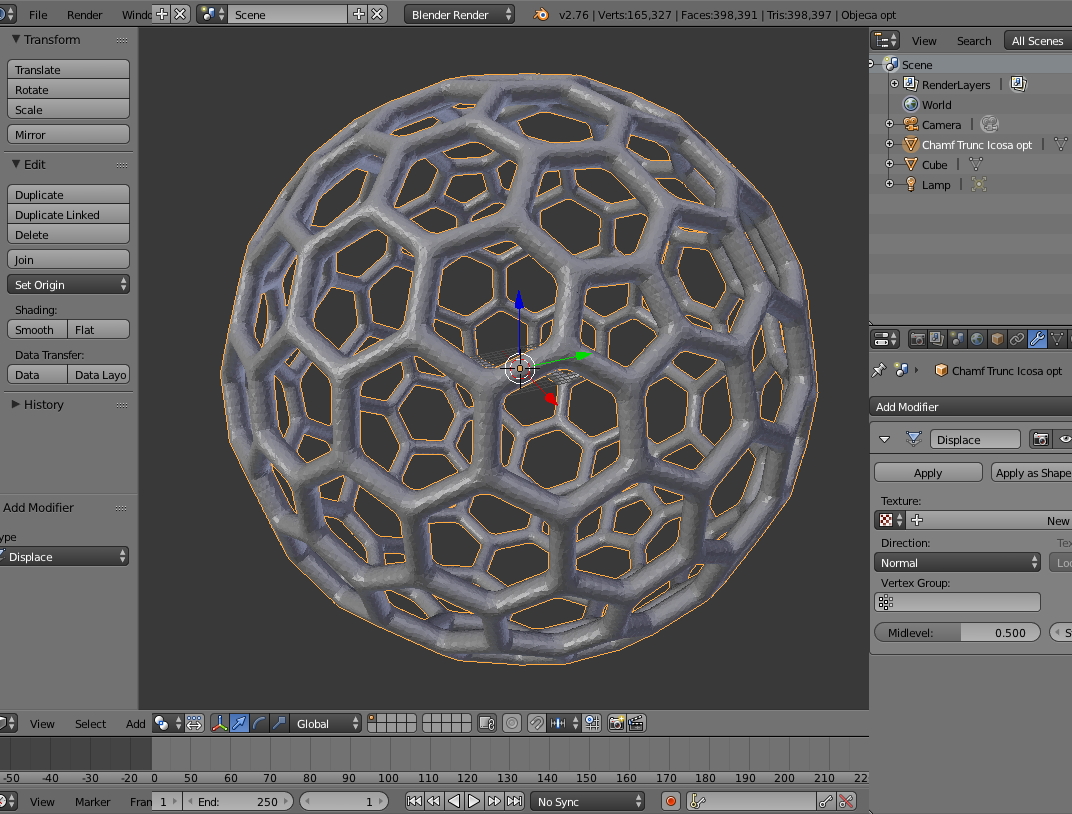
A guide for thickening or thinning a 3D model in Blender to make it printable, without rebuilding it from scratch.
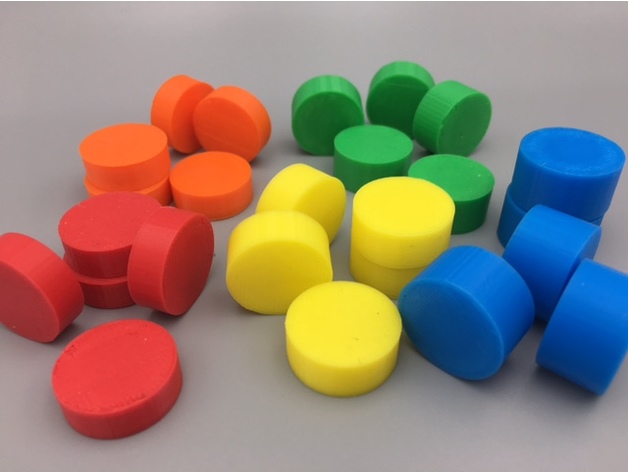
3D-printed "fat coins" that can land on their edge — experiment with the ratios to find the fairest three-sided cylinder coin.
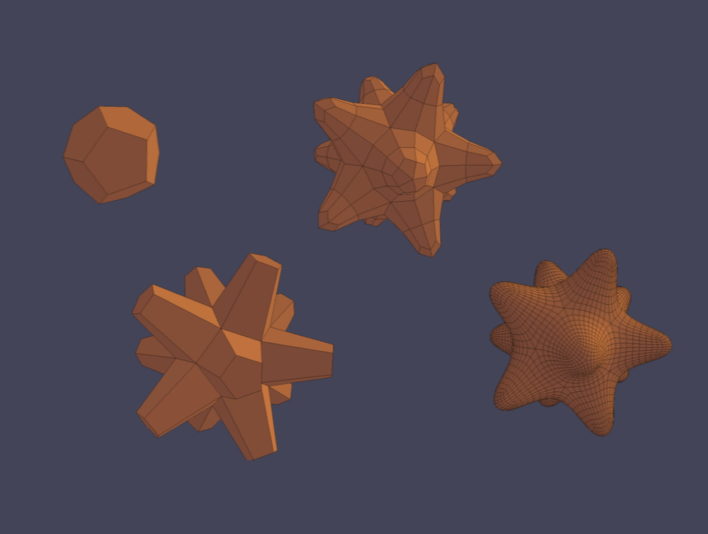
A guide to TopMod for sculpting 3D-printable art by remeshing, wireframing, and stellating object meshes.
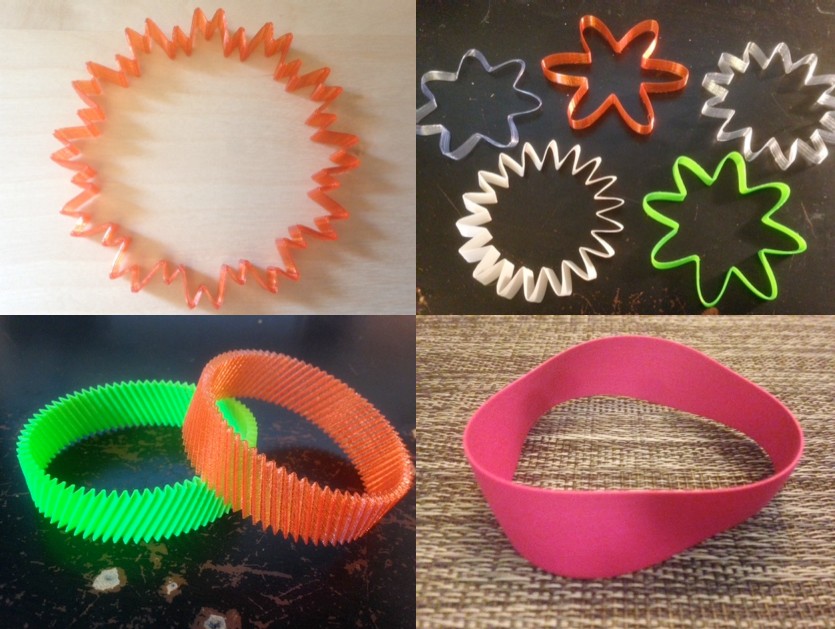
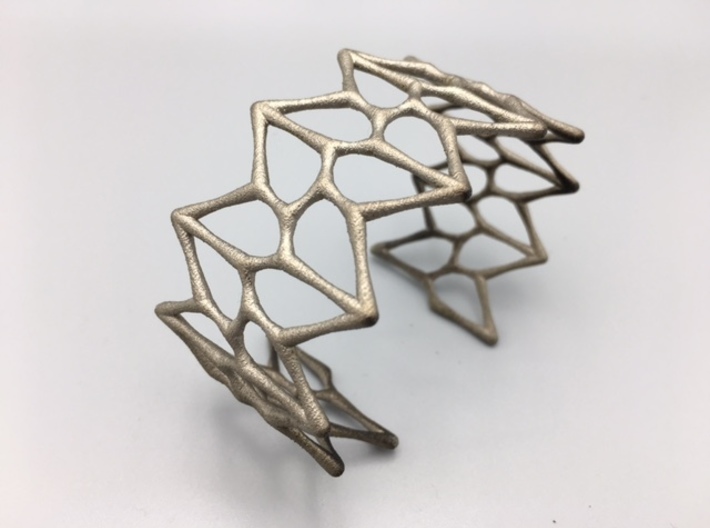
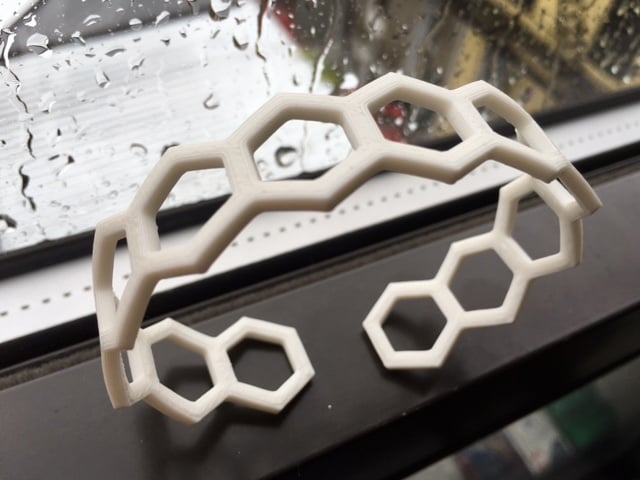
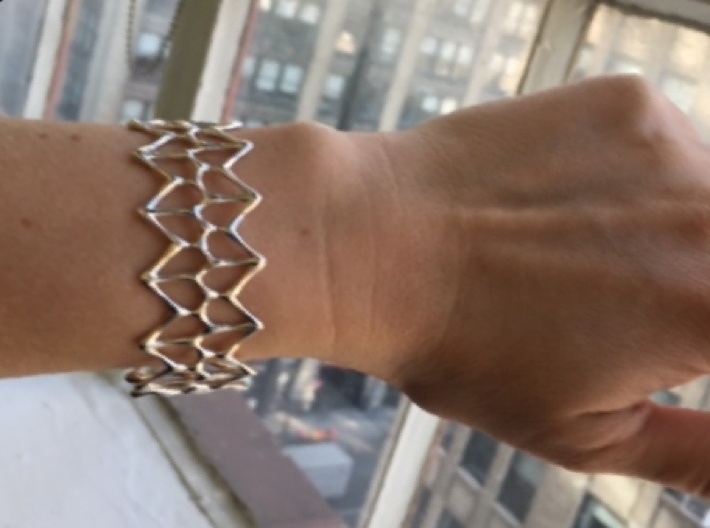
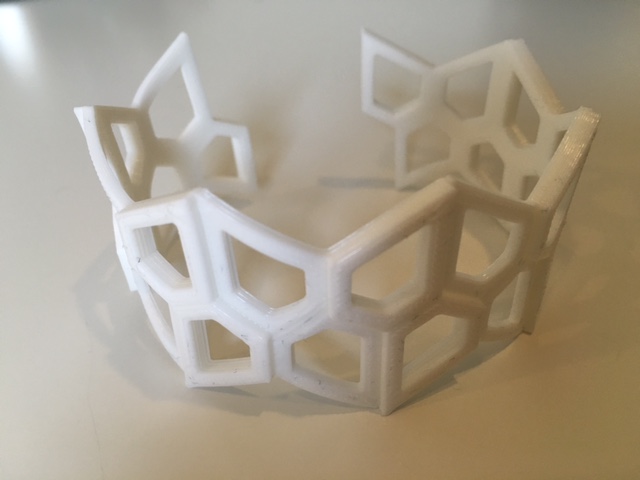
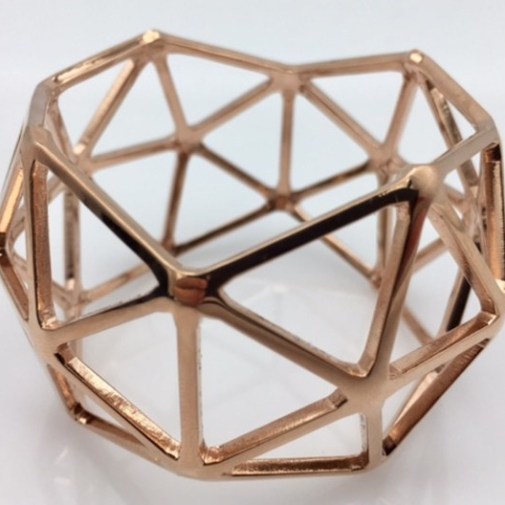
OpenSCAD code for producing a series of parametric trig bracelets with wildly varied shapes, from ovals to flares.
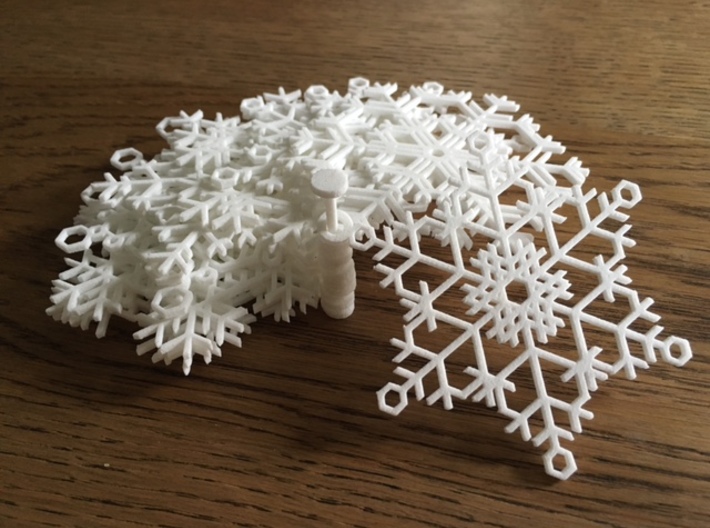
Best practices for scaling up a 3D design from FDM printing to a wide variety of Shapeways products.
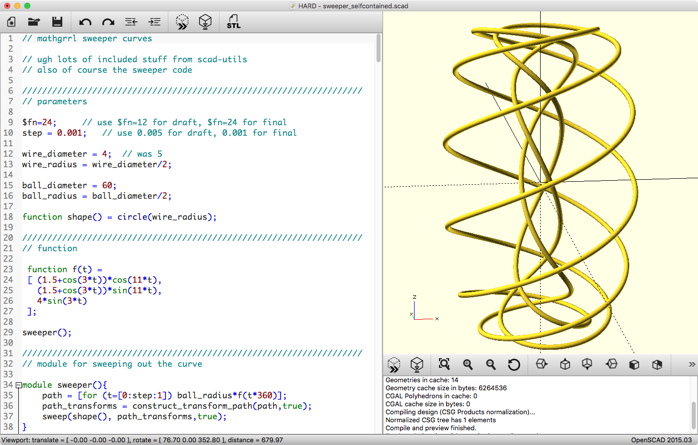
An introduction to OpenSCAD, a programming language for building 3D-printable models entirely with code.
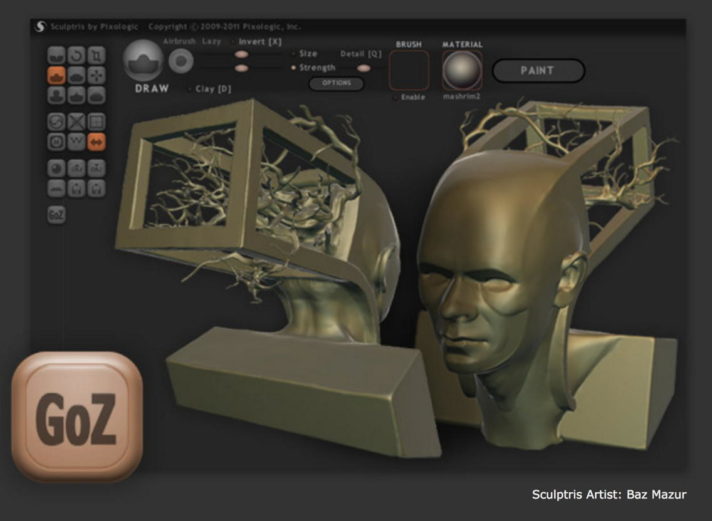
An intro to Sculptris, a free digital-clay sculpting tool for making organic 3D-printable characters and busts.
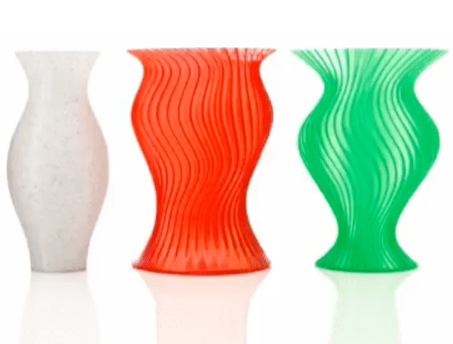
A tutorial for designing custom vases that introduces two key Fusion 360 tools.
A case for using many 3D design programs together in sequence, walking through five models that span over a dozen tools.
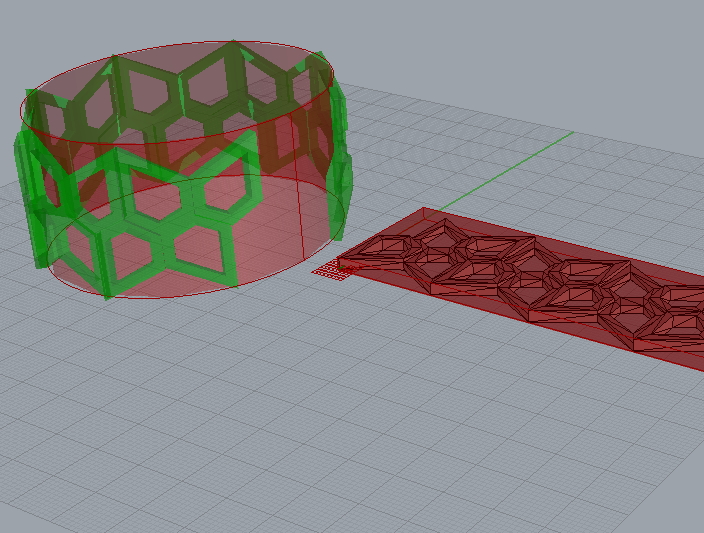
A Grasshopper recipe for wrapping a flat band around a cylinder, with code for making a custom bracelet.
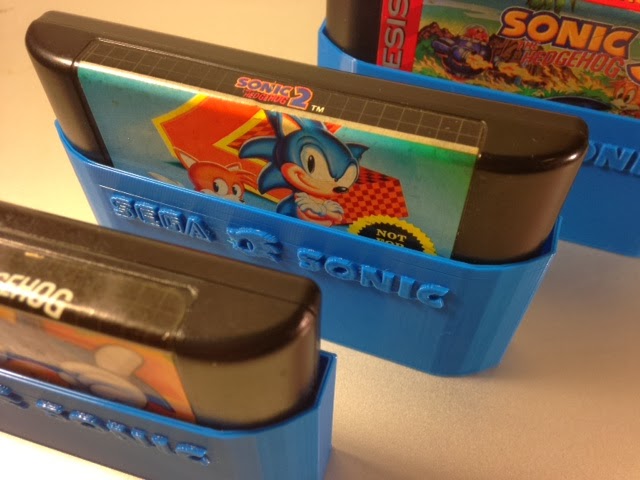
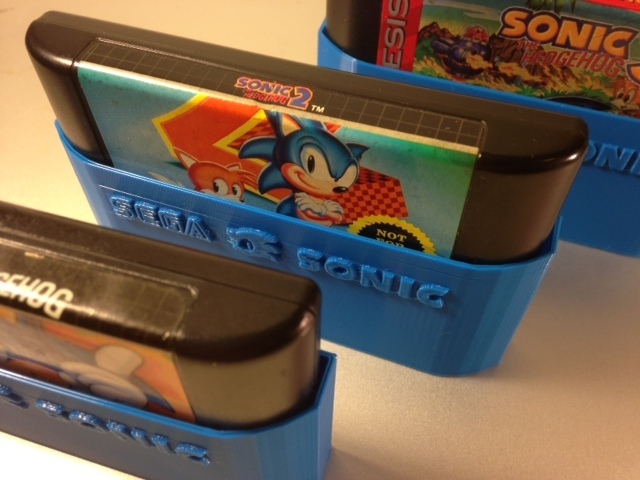
We love Sonic 2 on the SEGA Genesis. Our ancient cartridges don't have protective sleeves, so we printed some custom ones!
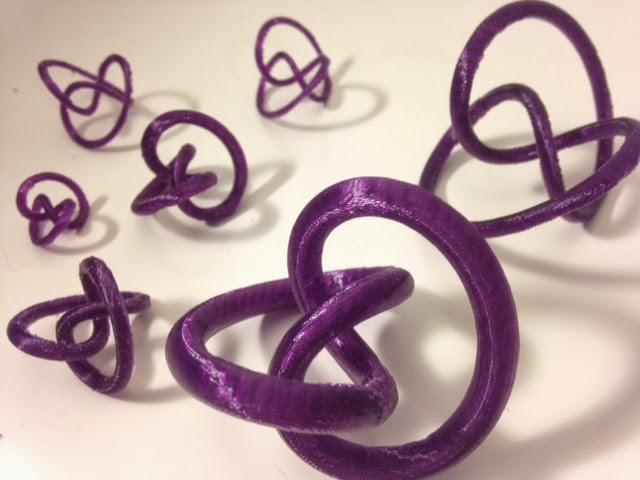
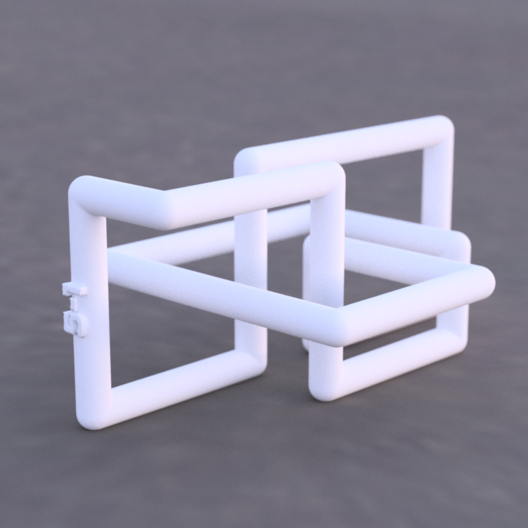
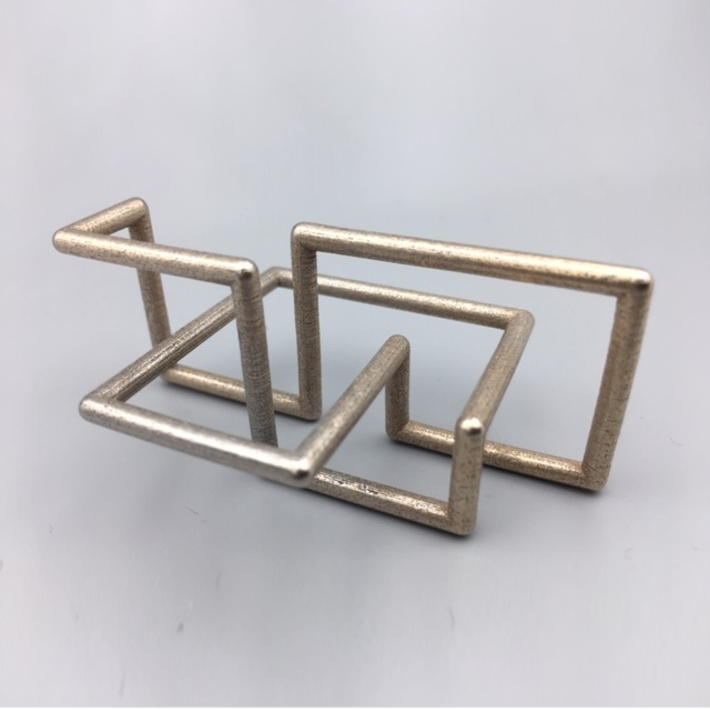
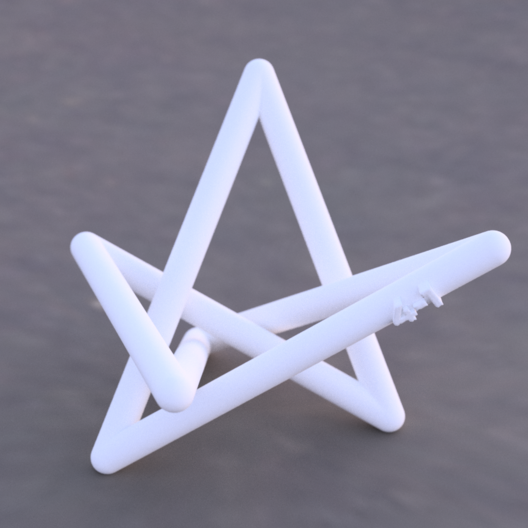
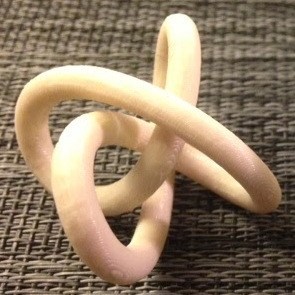
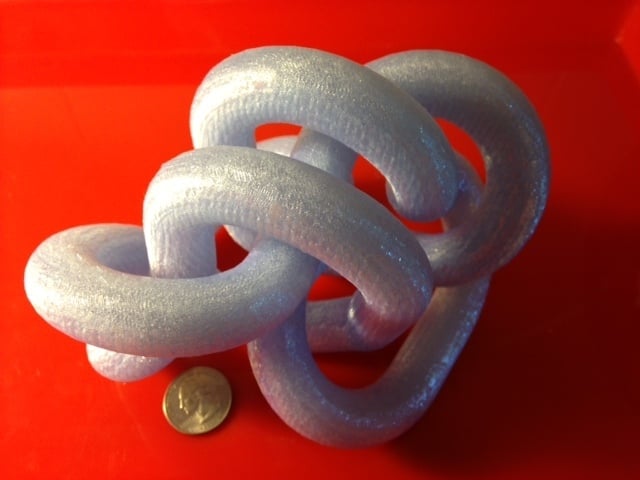
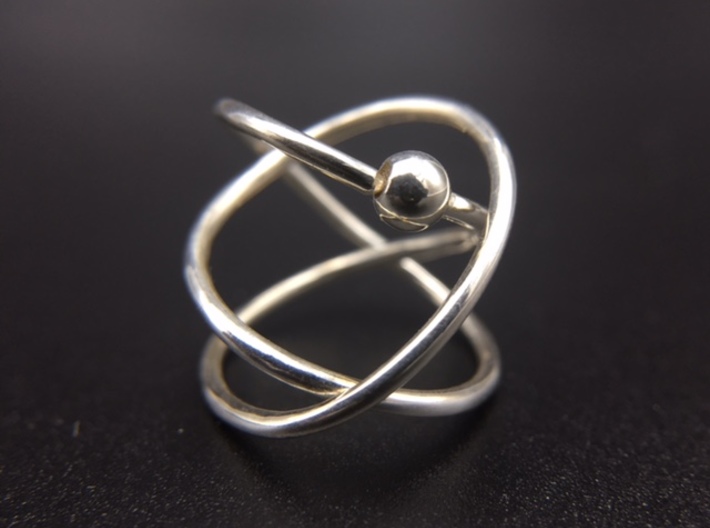
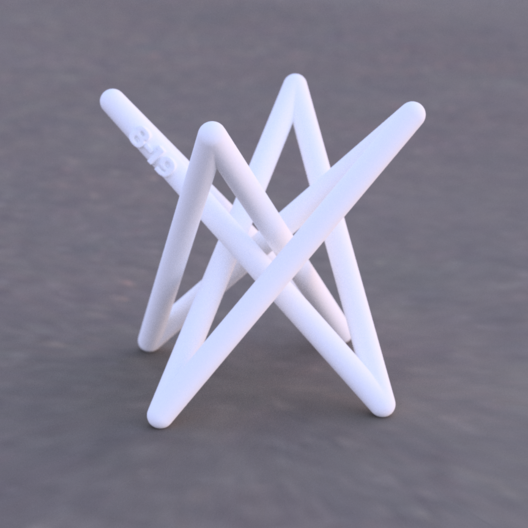
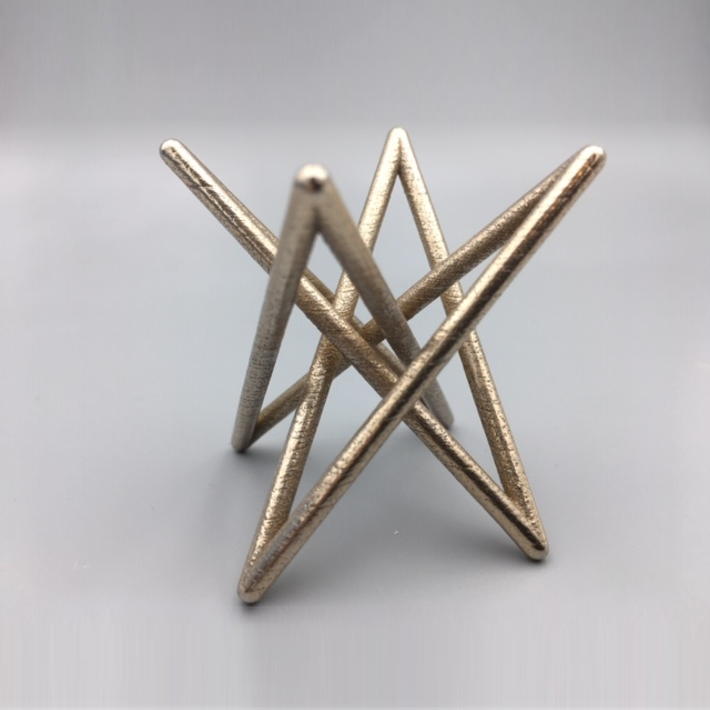
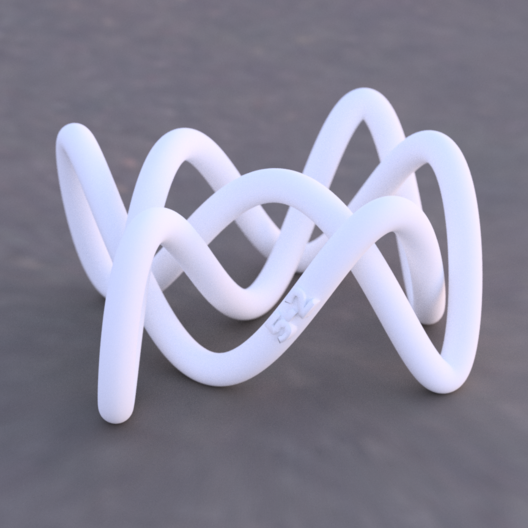
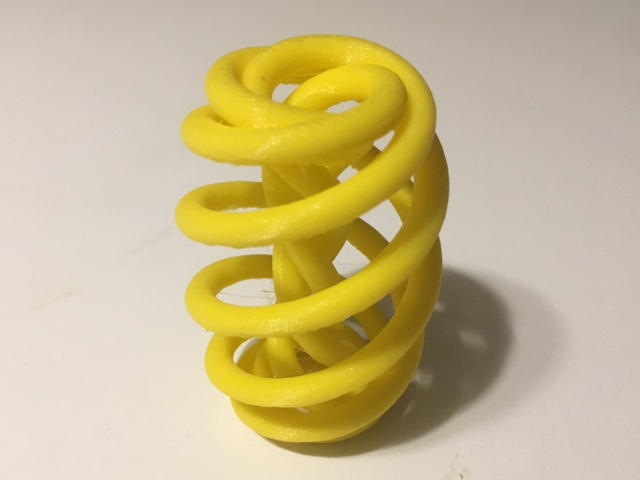
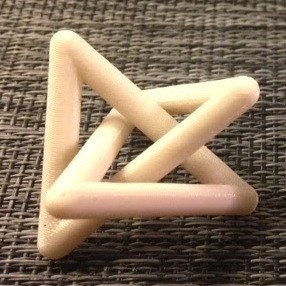
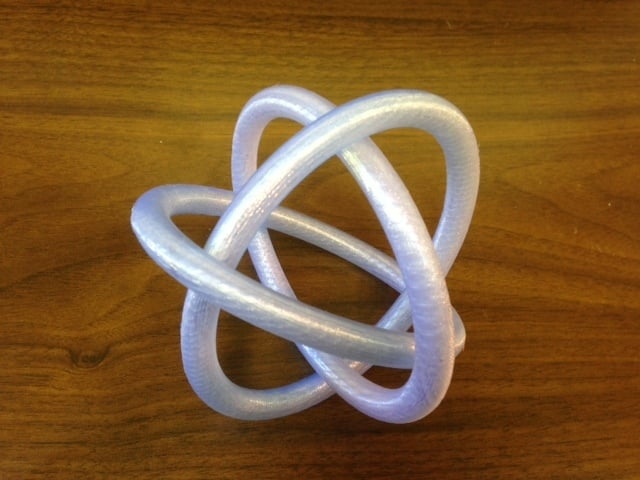
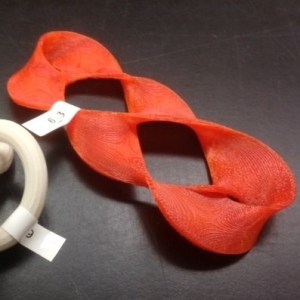
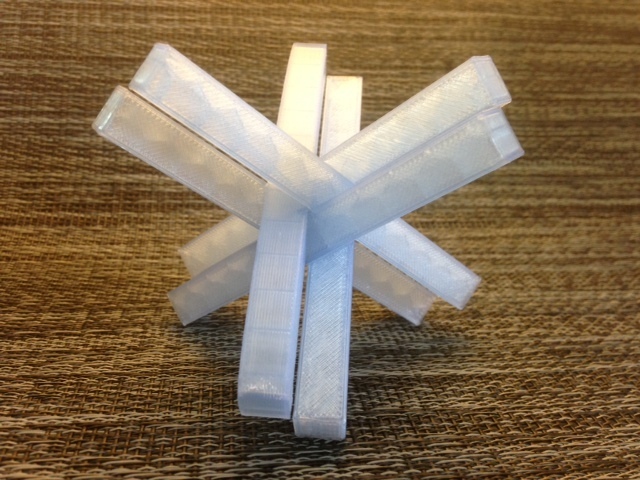
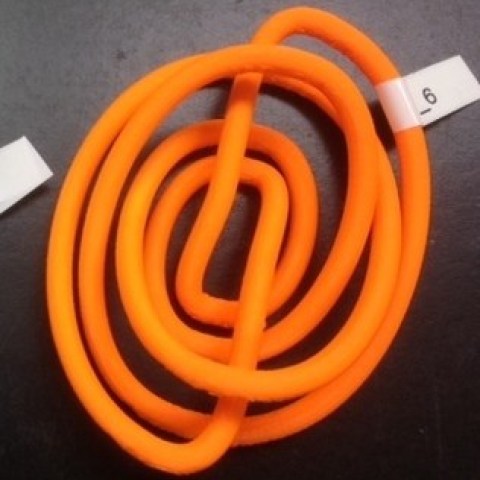
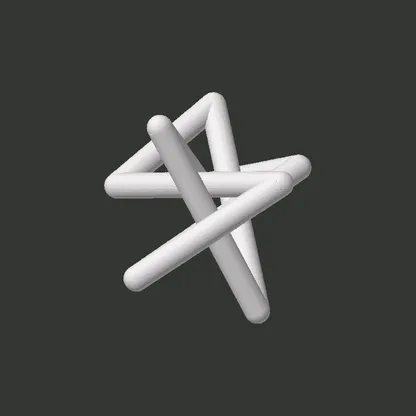
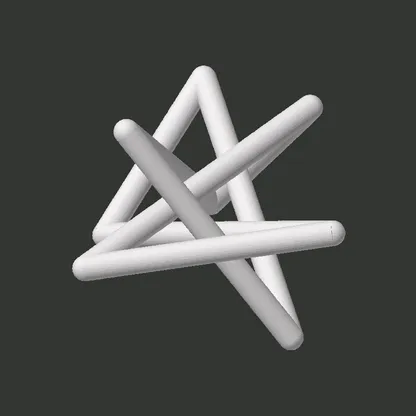
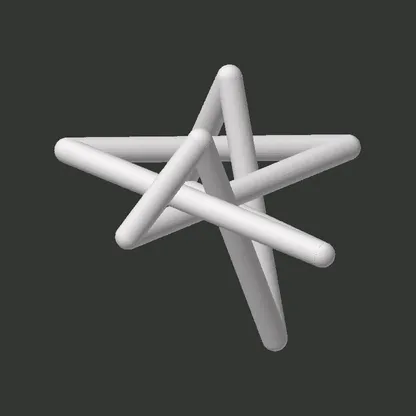
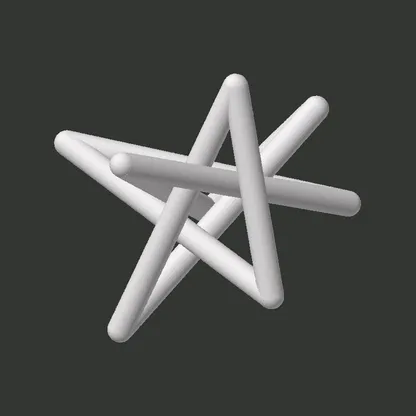
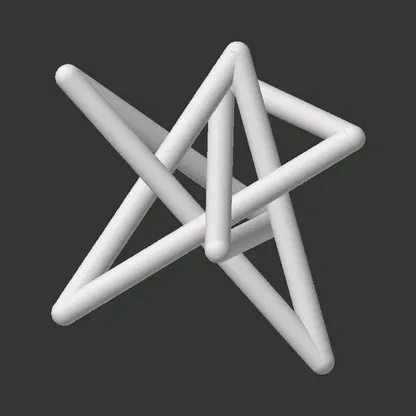
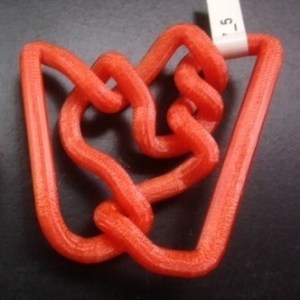
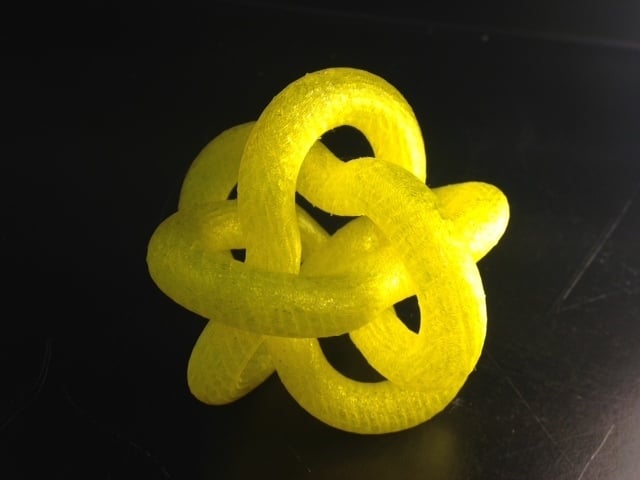
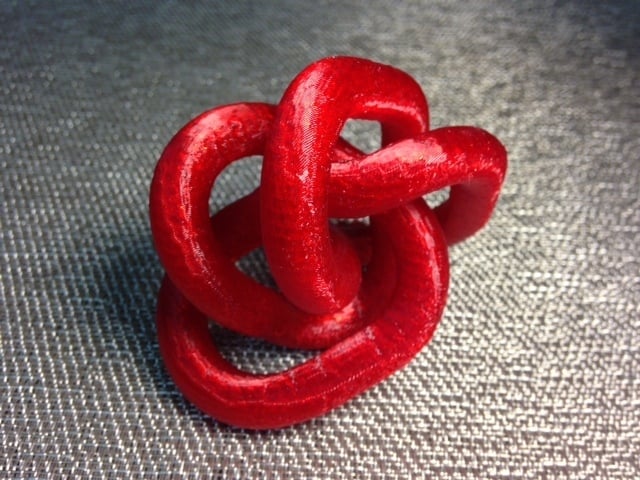
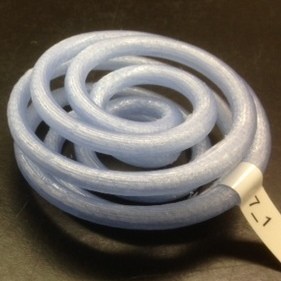
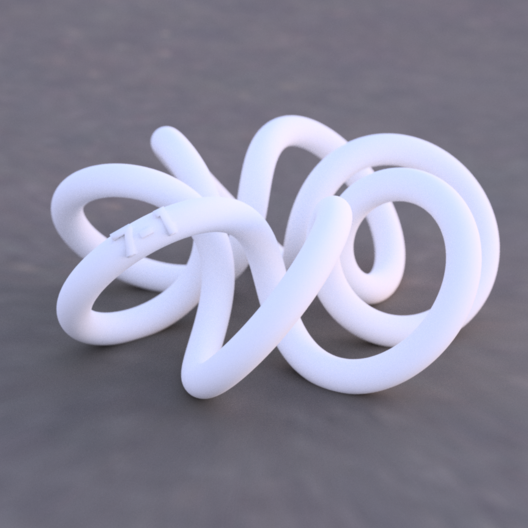
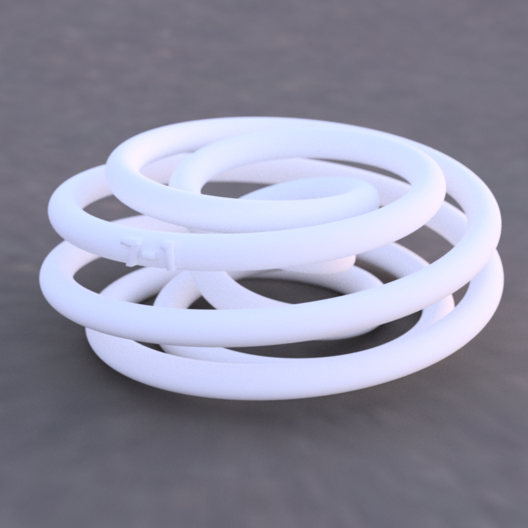
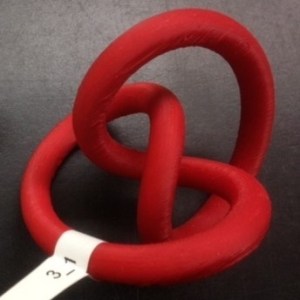
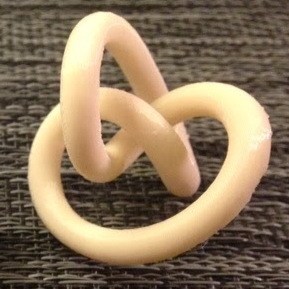
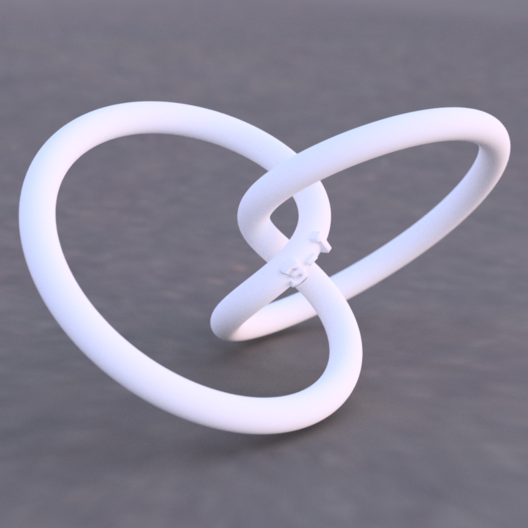
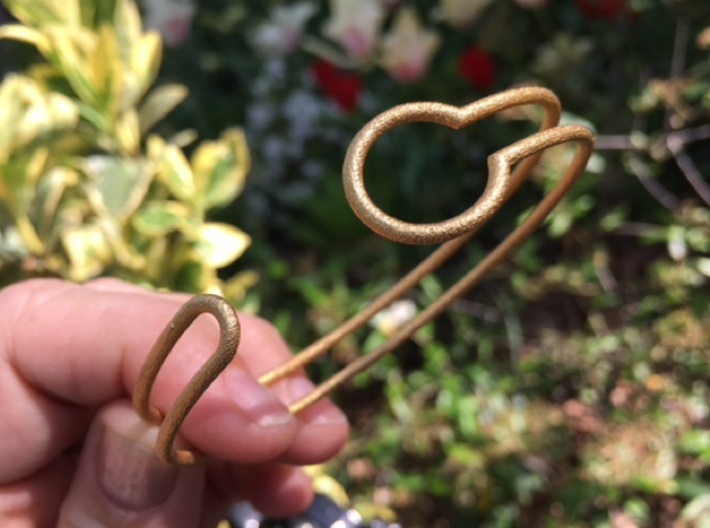
A knot with a special property: no matter how the knot sits on the table, it never touches the table in more than two places.
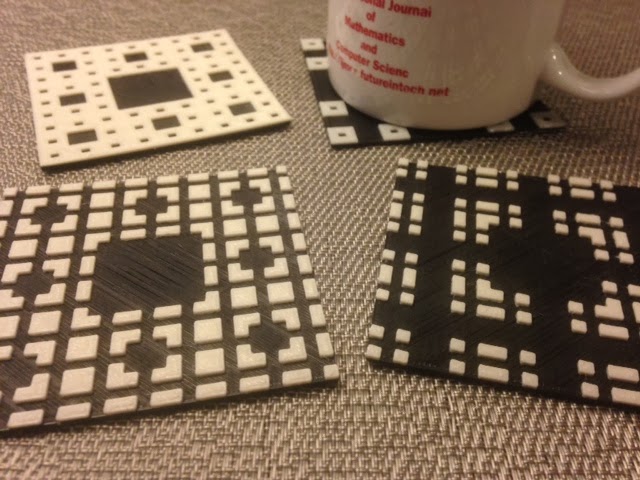
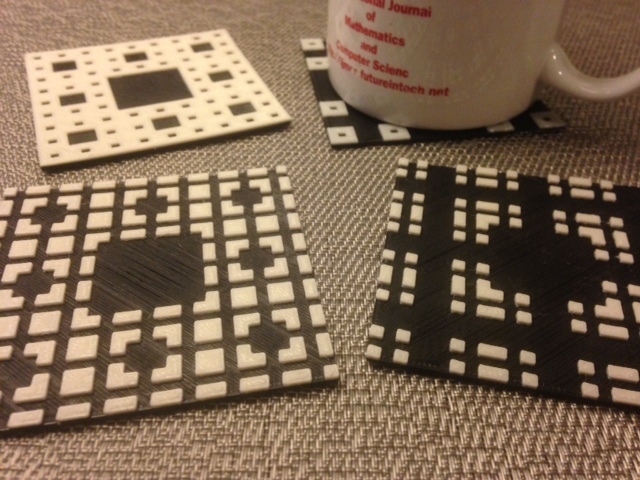
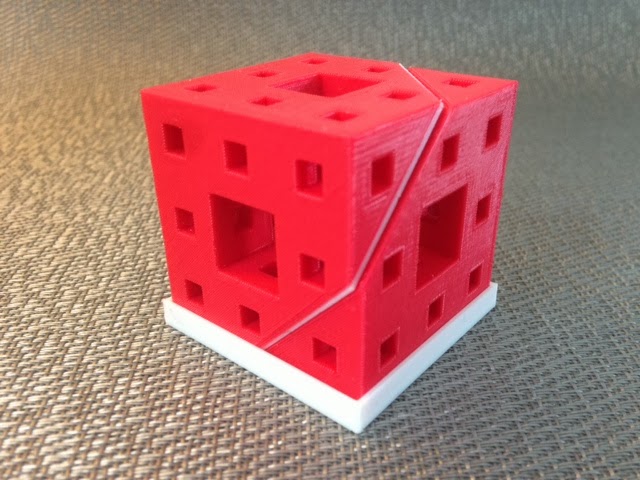
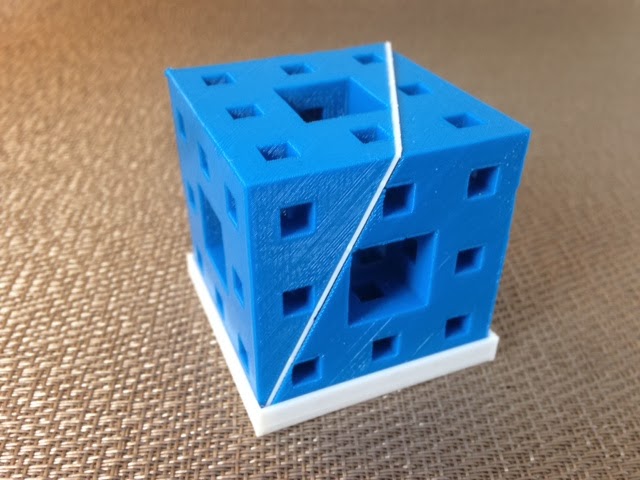
Following up on Day 23's Menger-sponge-slice coaster, today we print four different slices of a Level 3 Menger Sponge.
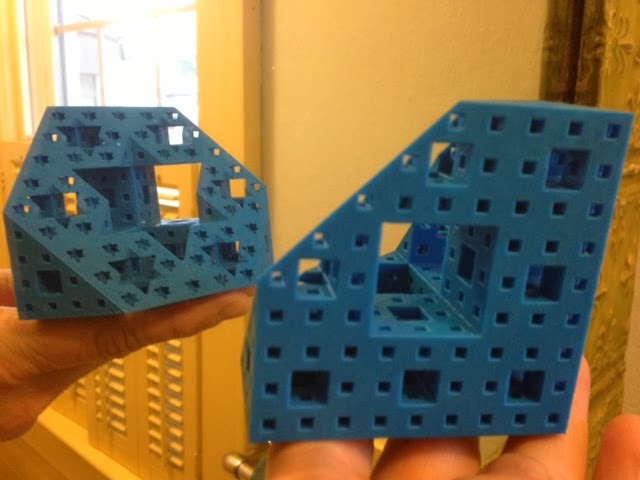
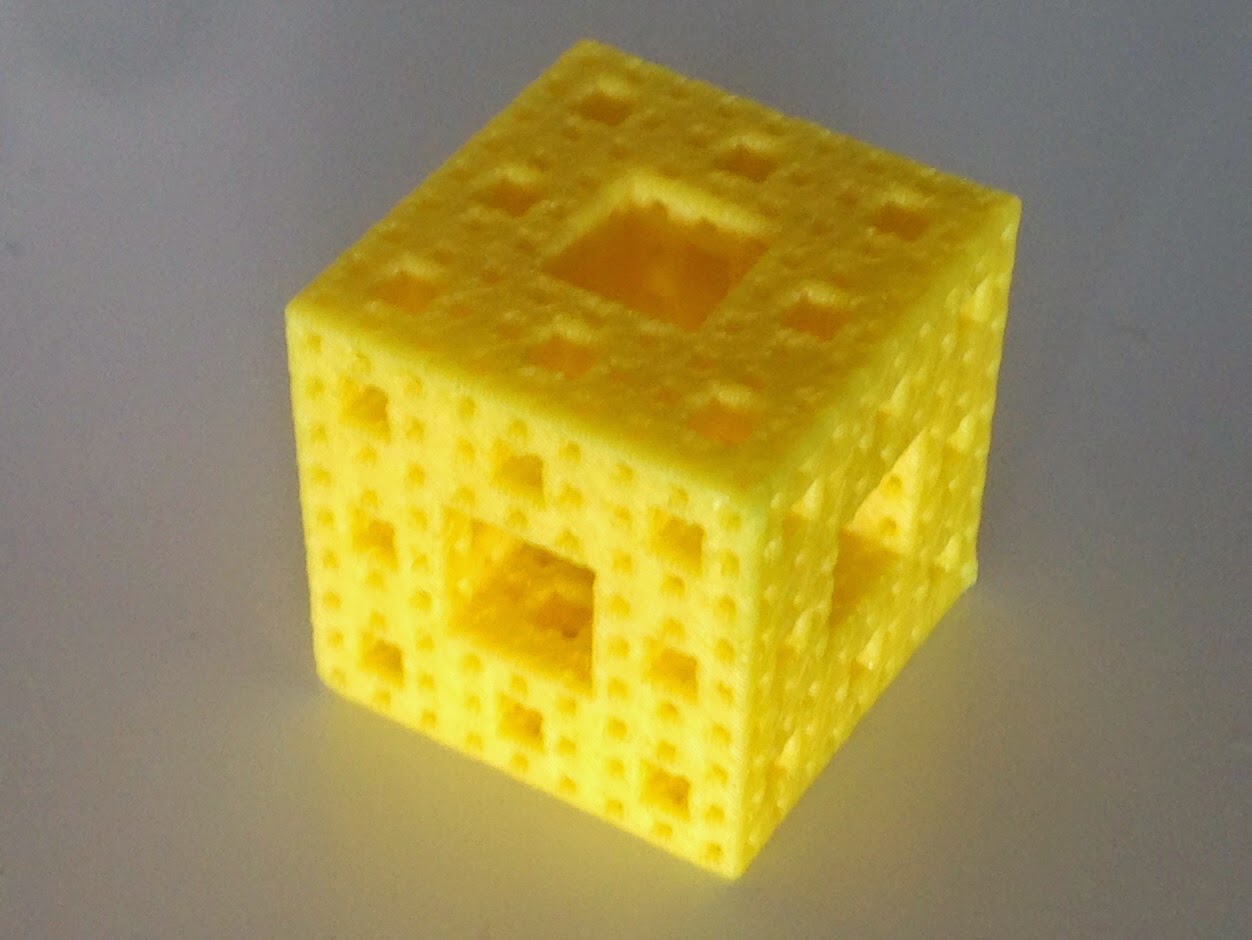
A level 3 Menger cube, sliced to reveal the stars. Model by owens on Thingiverse.
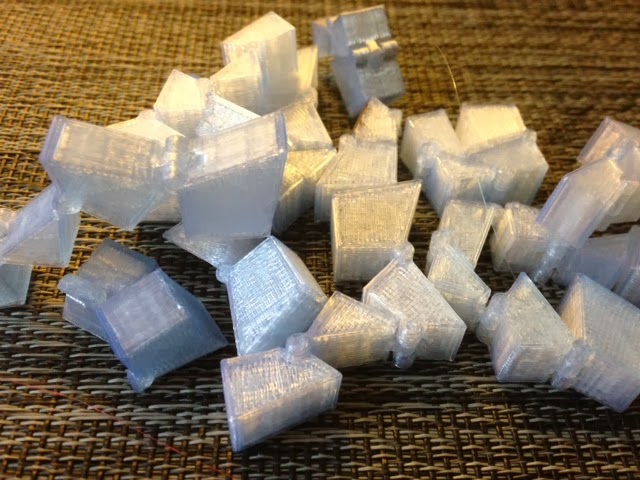
Every design I make ends with a pretty picture but starts with a stack of failed prints, and each one of those failed prints tells me how to redesign my model to be a little bit better.
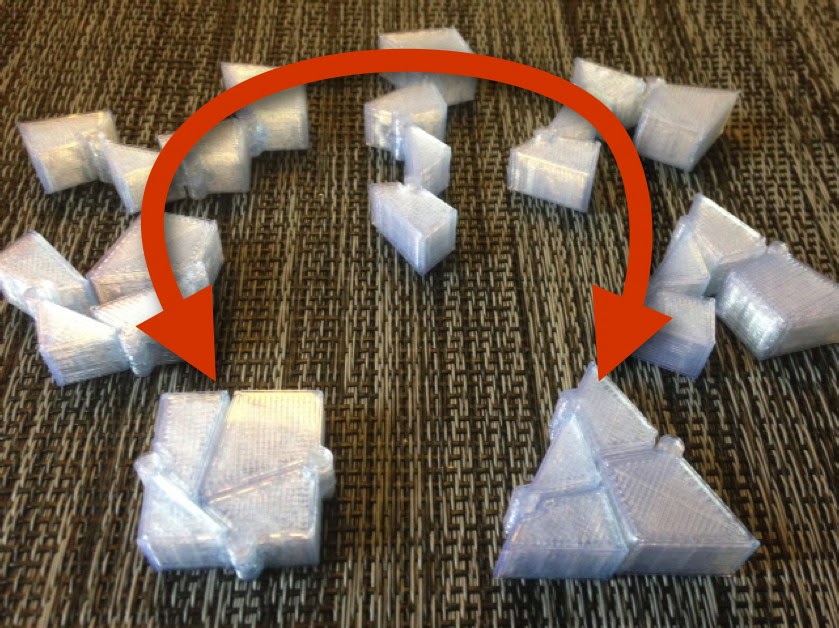
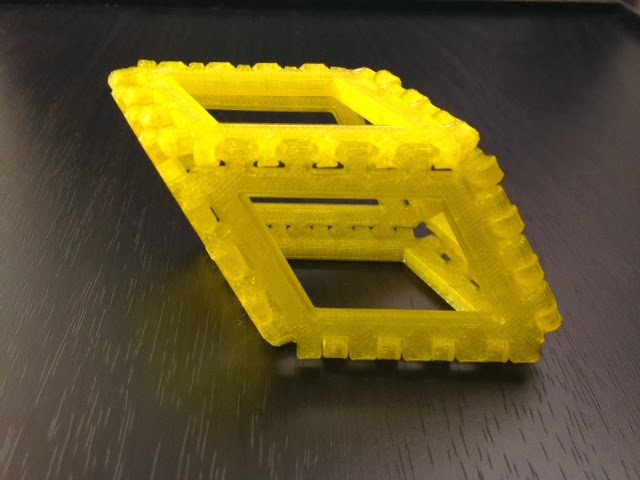
The famous hinged dissection called the Haberdasher's Puzzle from Henry Dudeney, who found a way to cut an equilateral triangle into four pieces that reassemble into a square.
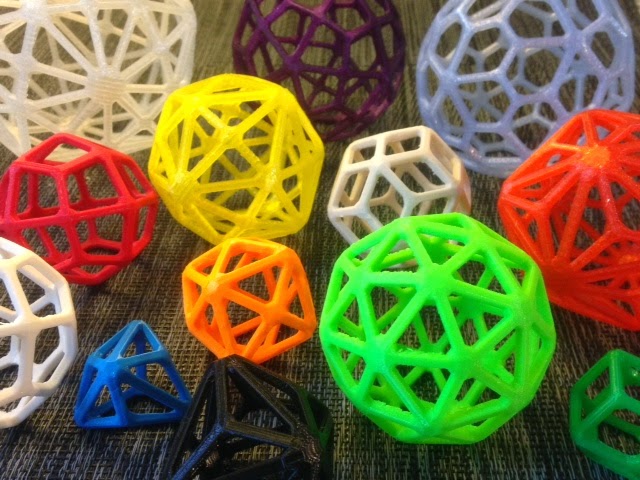
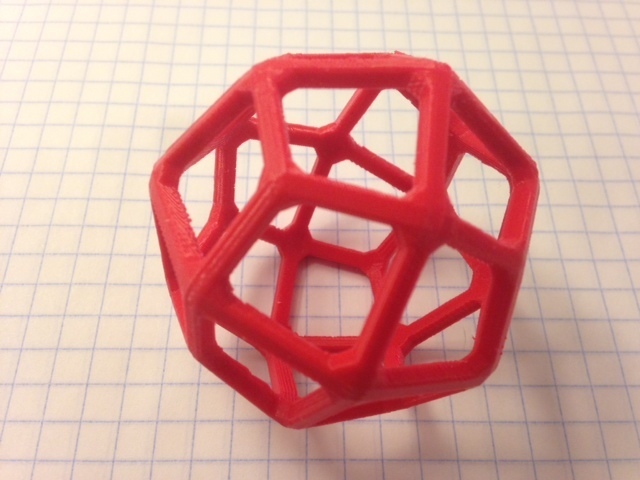
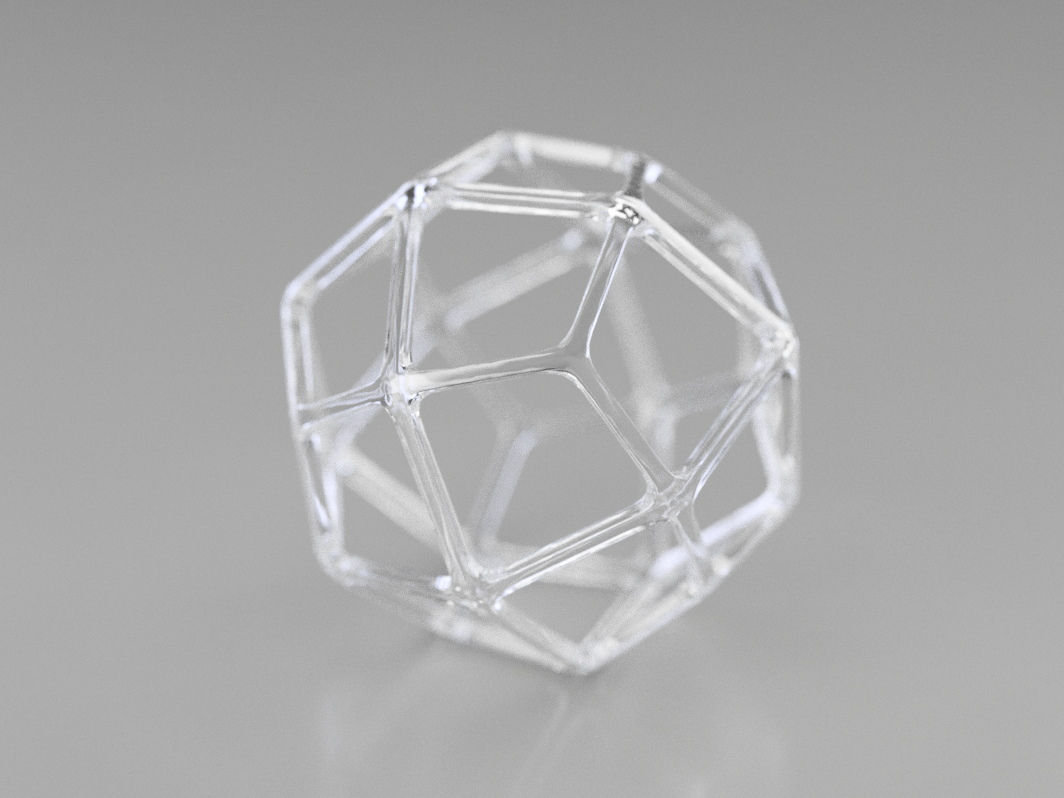
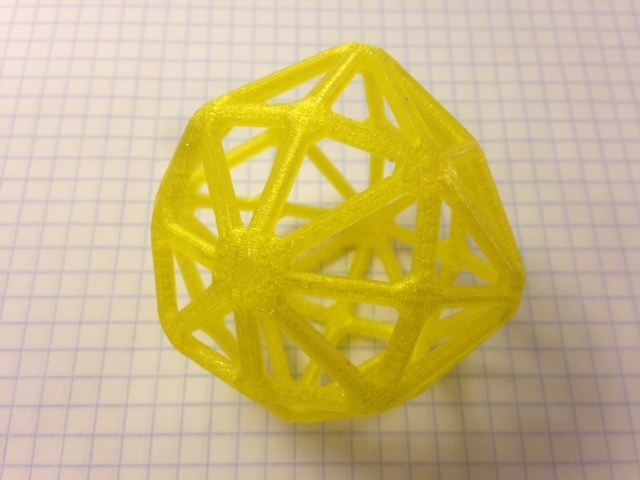
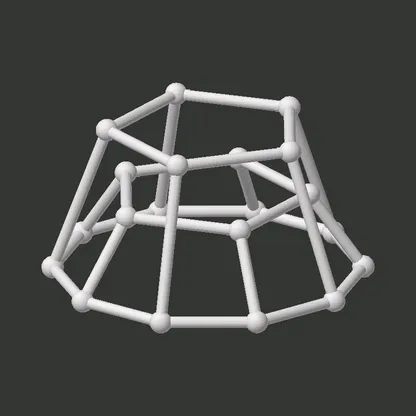
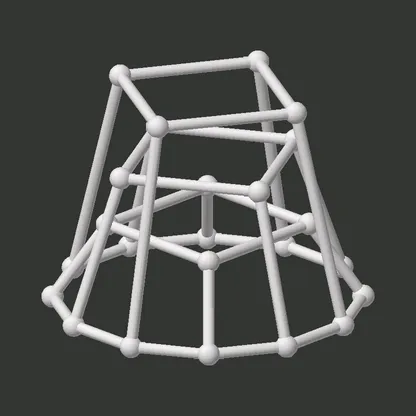
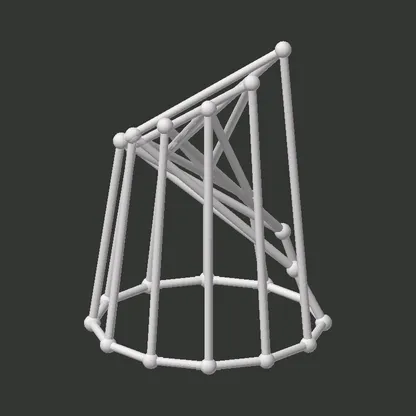
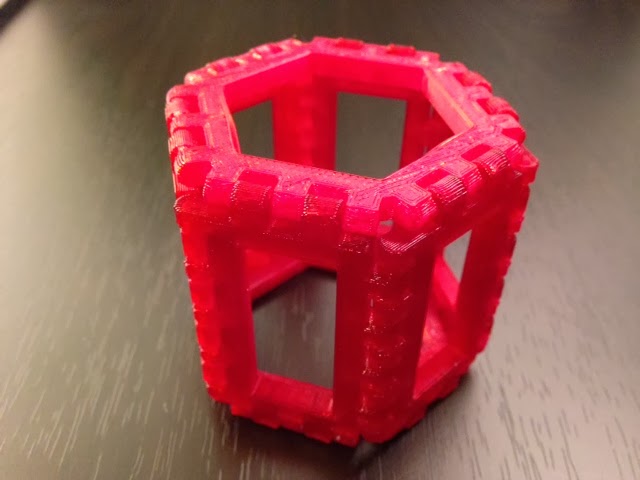
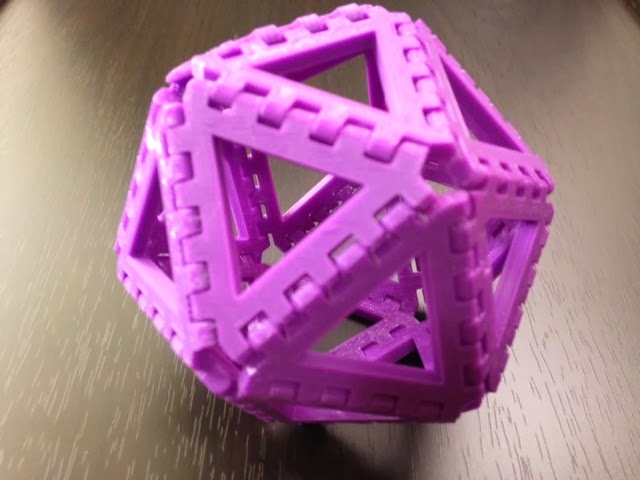
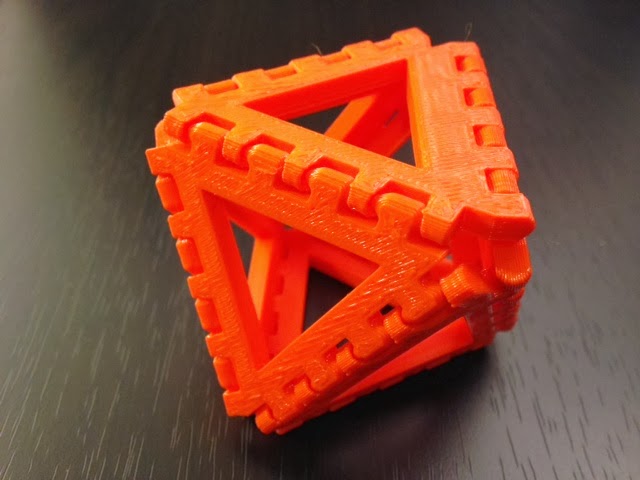
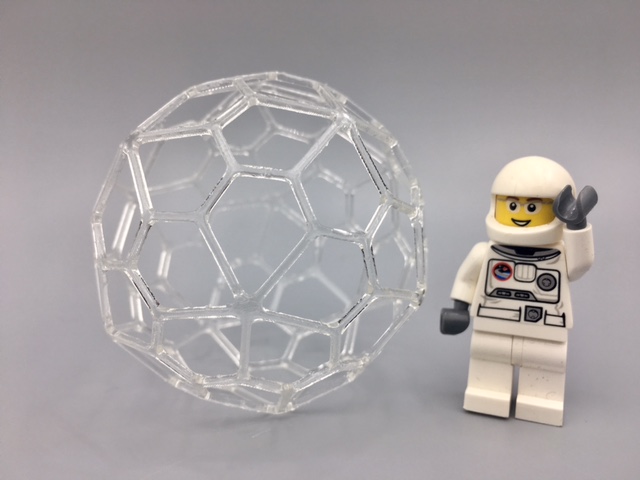
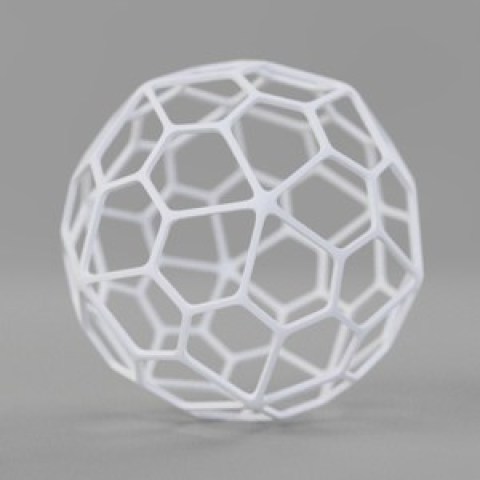
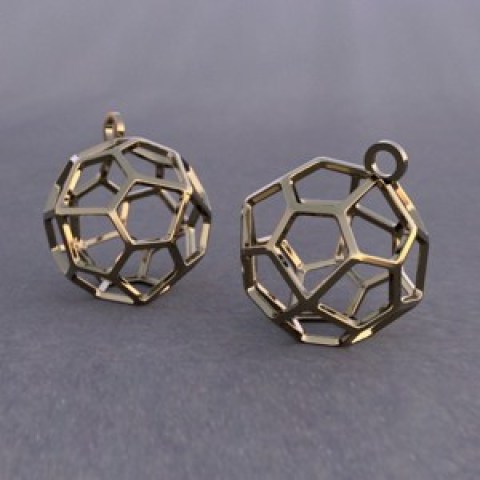
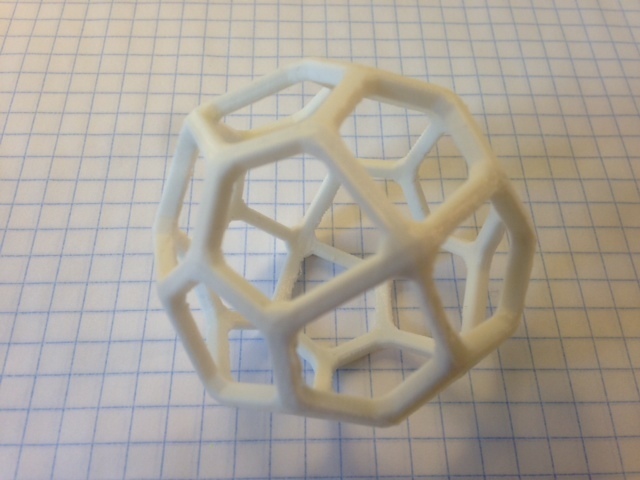
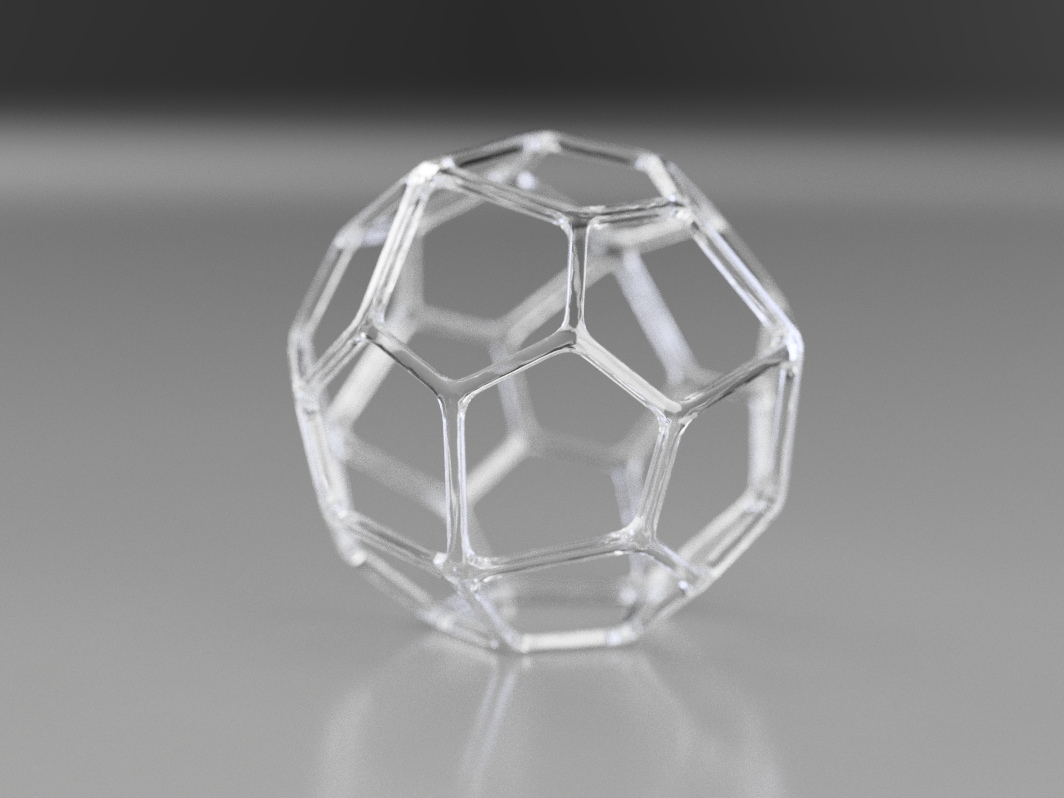
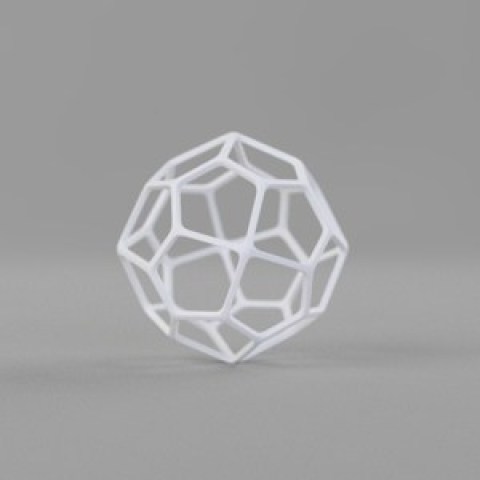
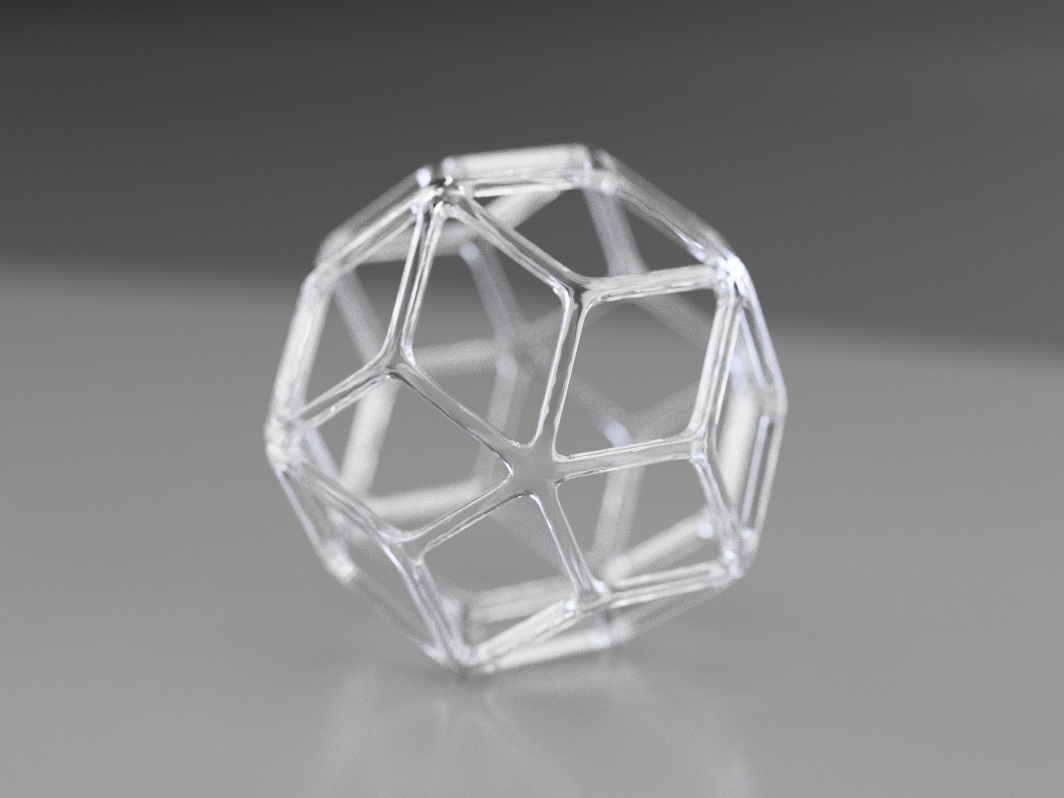
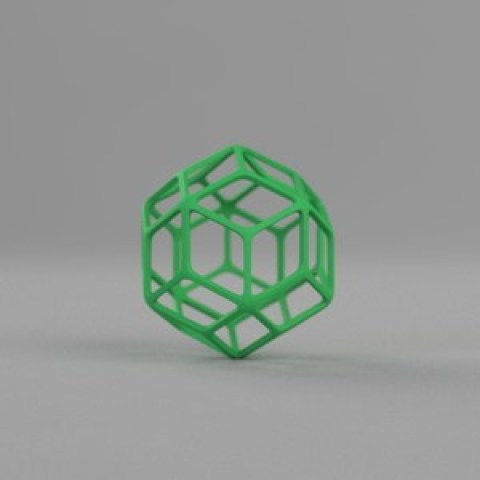
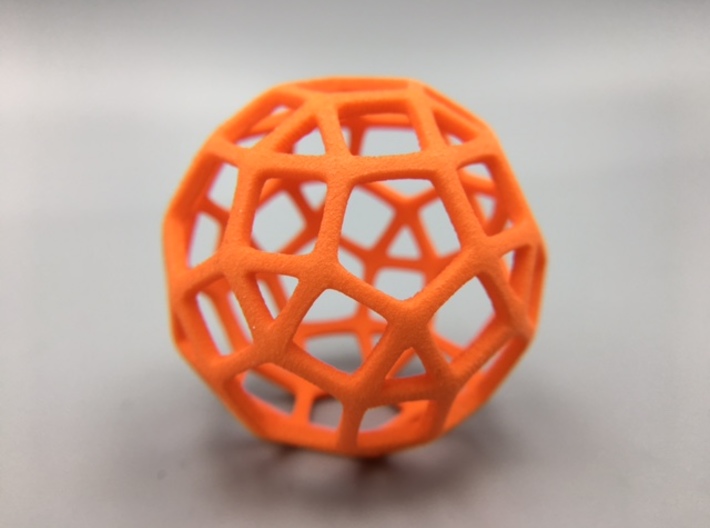
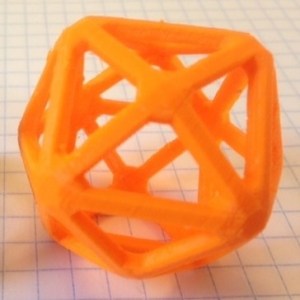
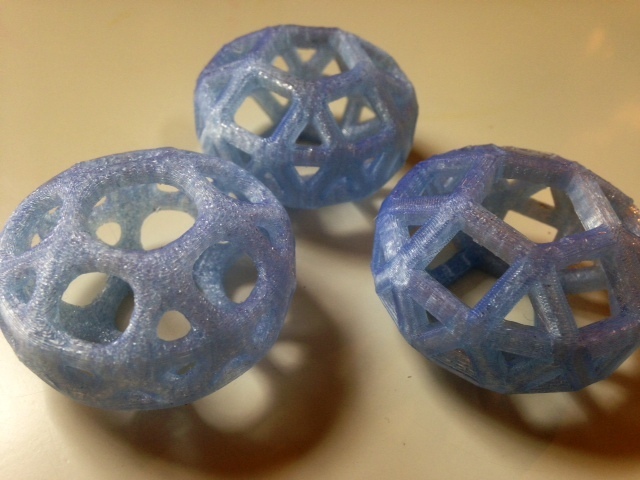
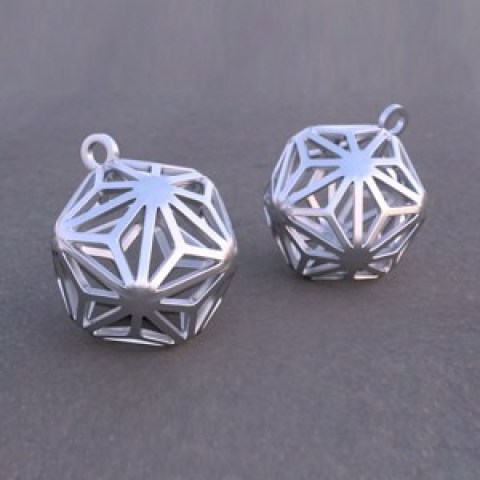
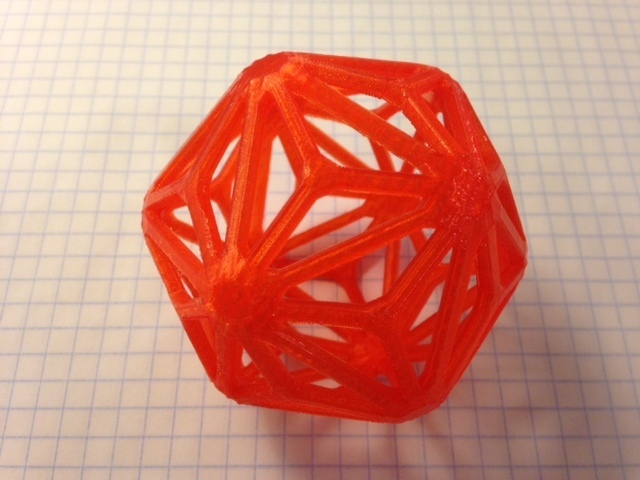
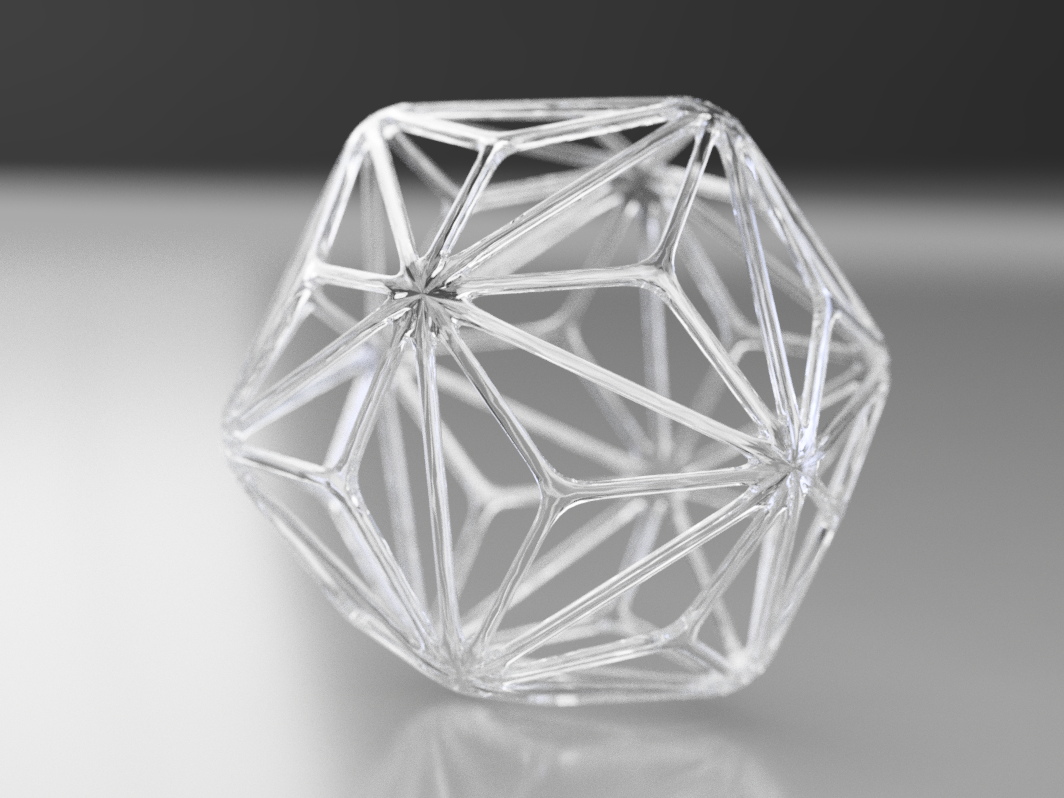
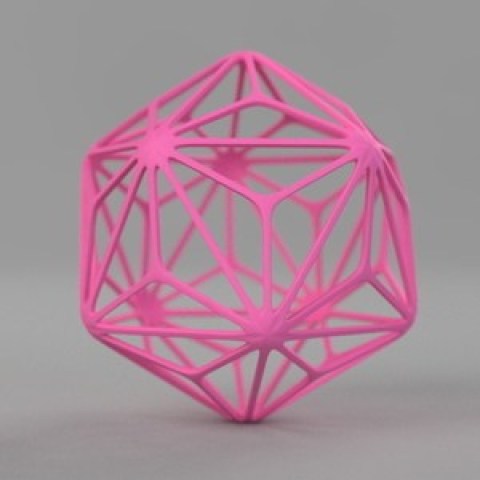
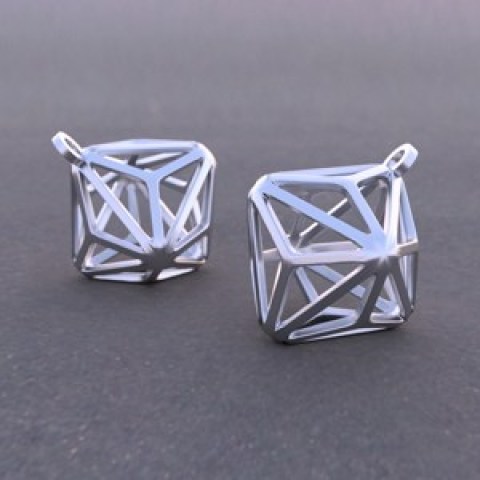
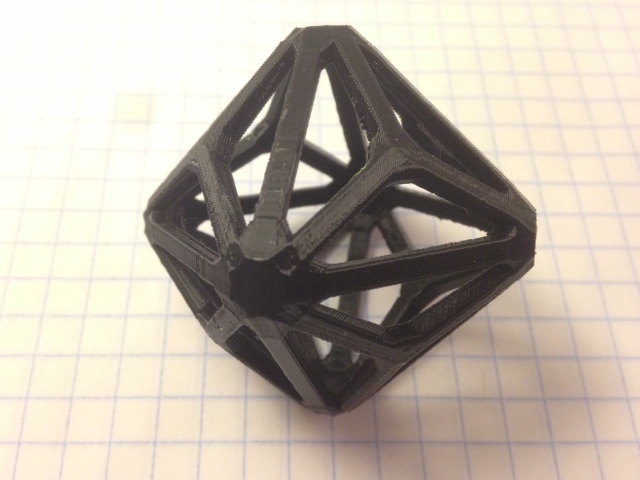
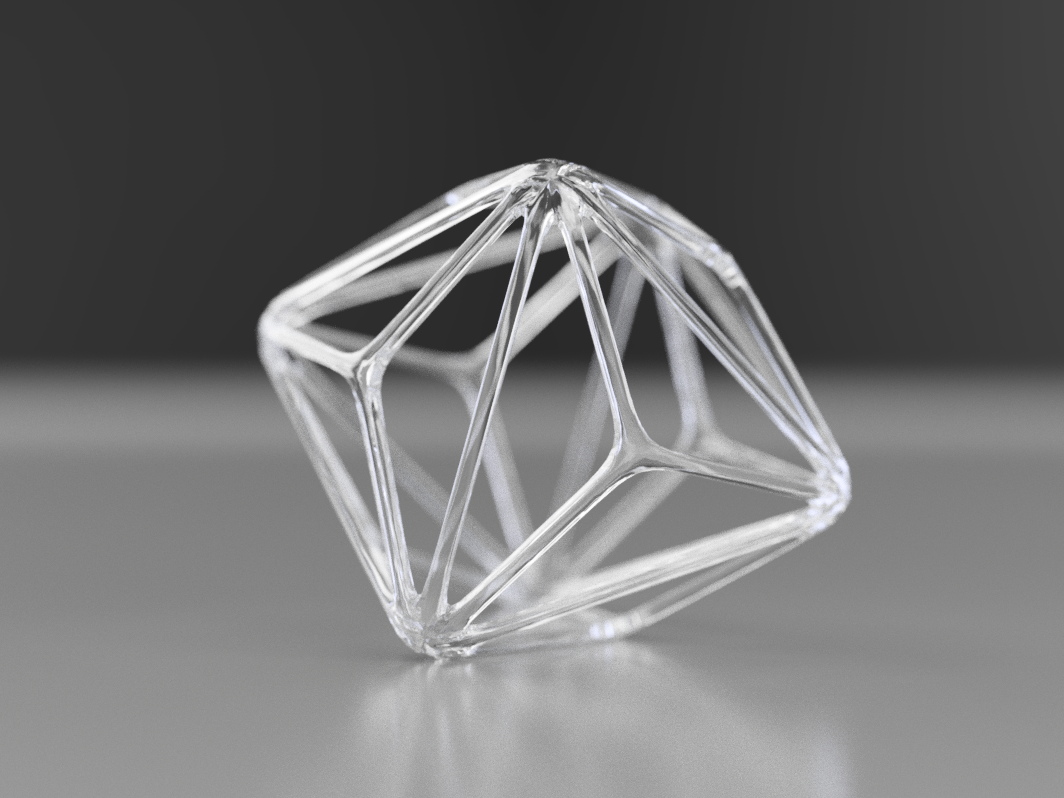
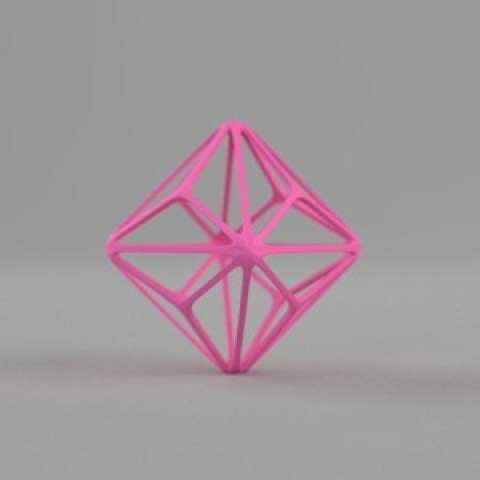
Our Catalan Wireframe Polyhedra series is finally complete! Here is the whole happy family of thirteen.
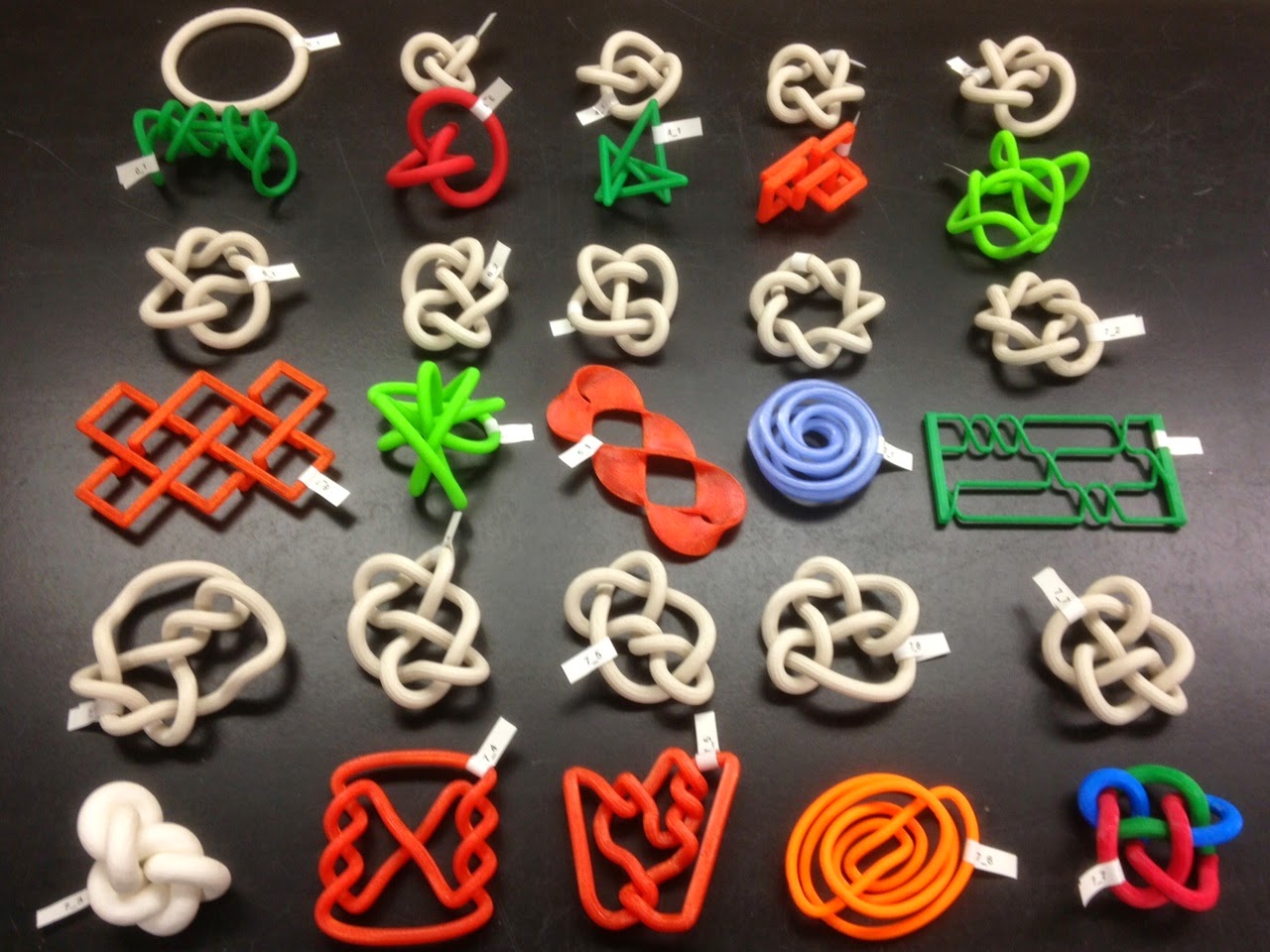
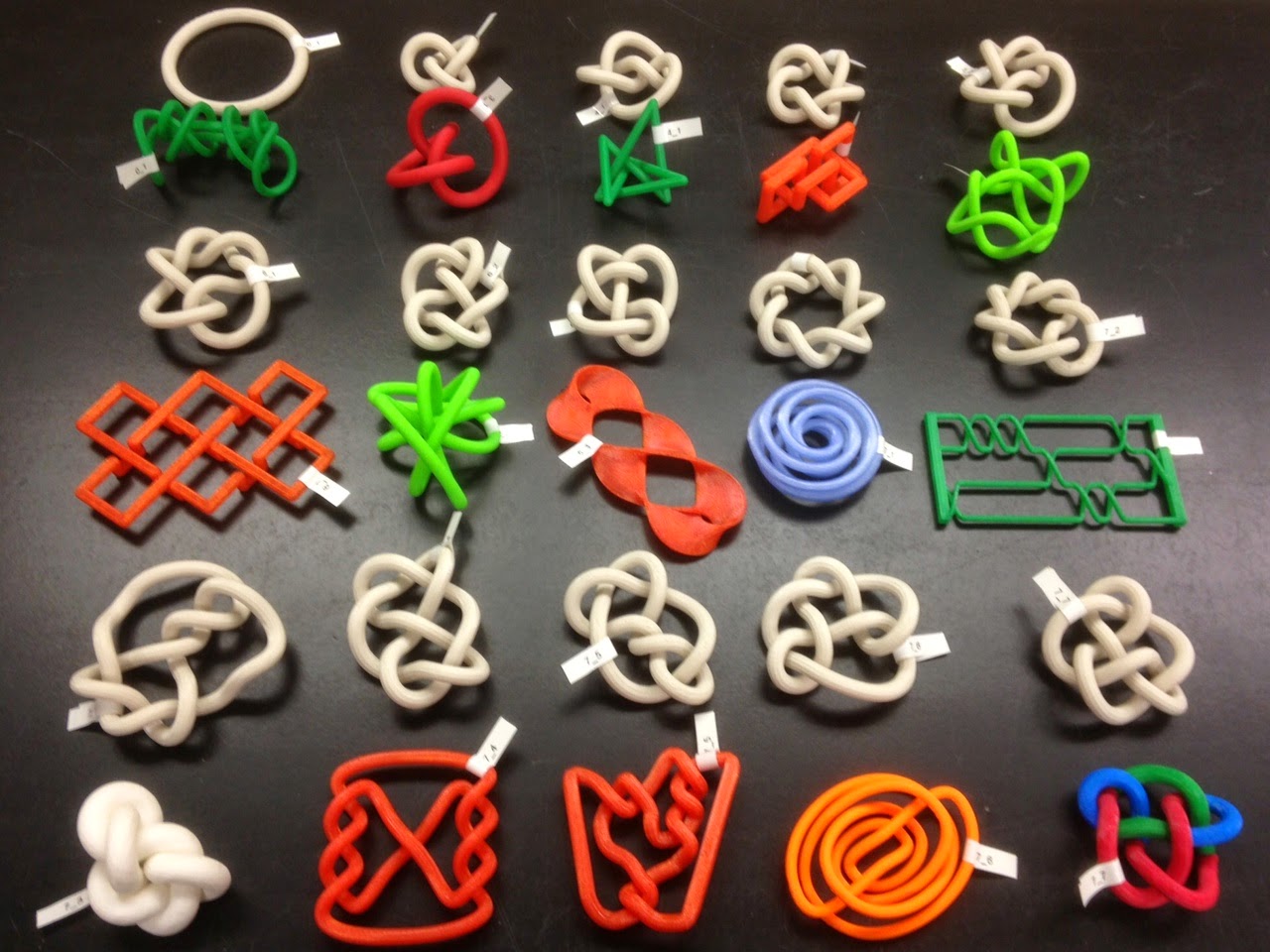
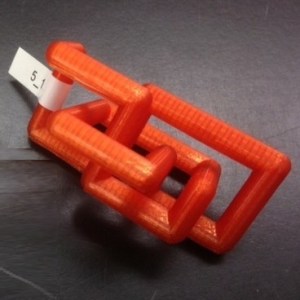
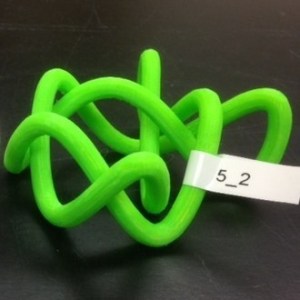
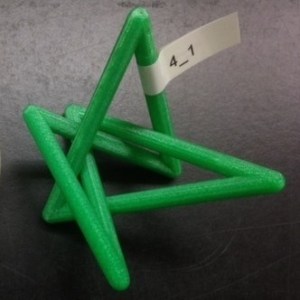
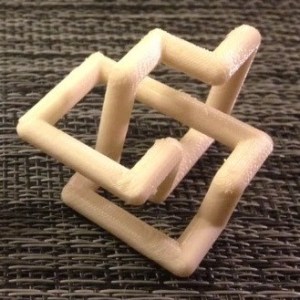
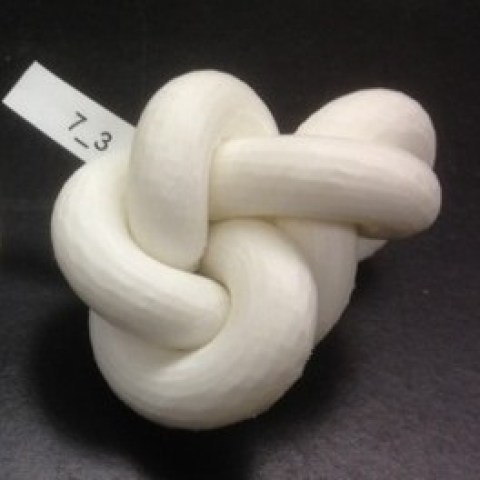
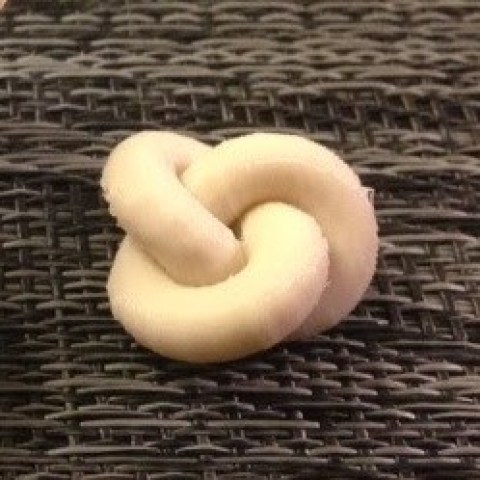
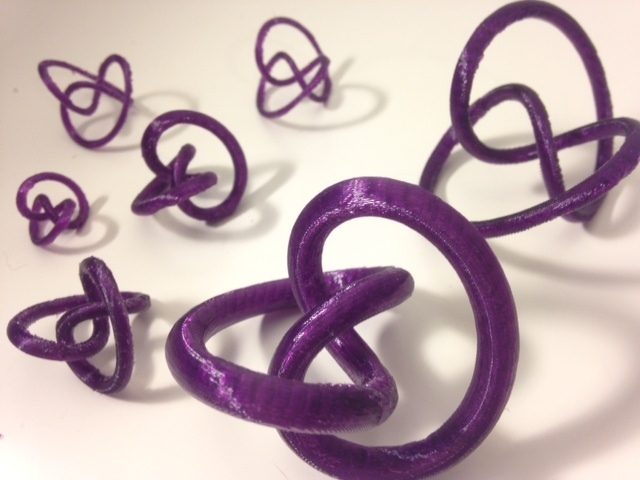
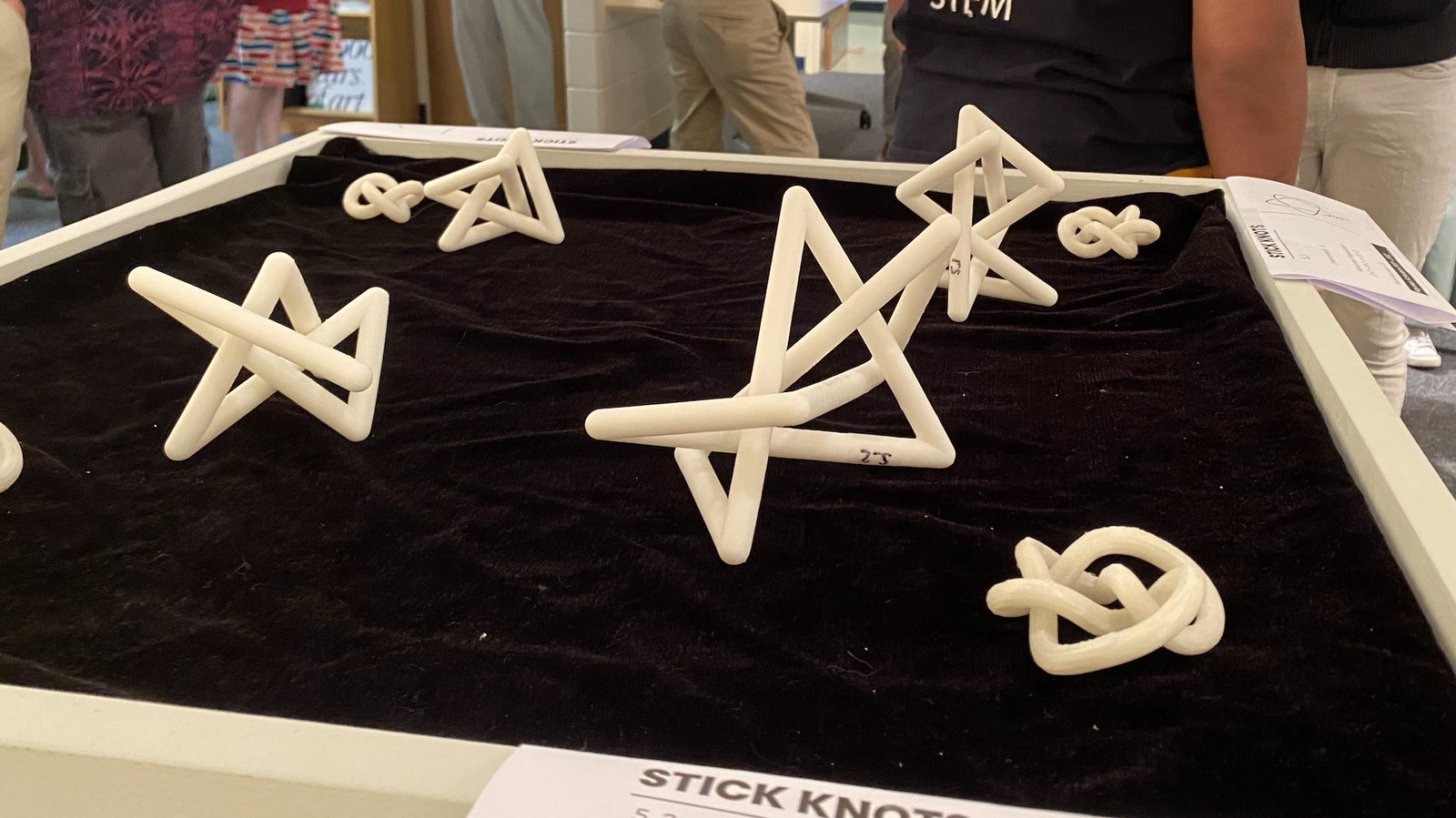
3D printed conformations of the fifteen knots through seven crossings, including stick, Lissajous, lattice, torus, petal, and pretzel conformations.
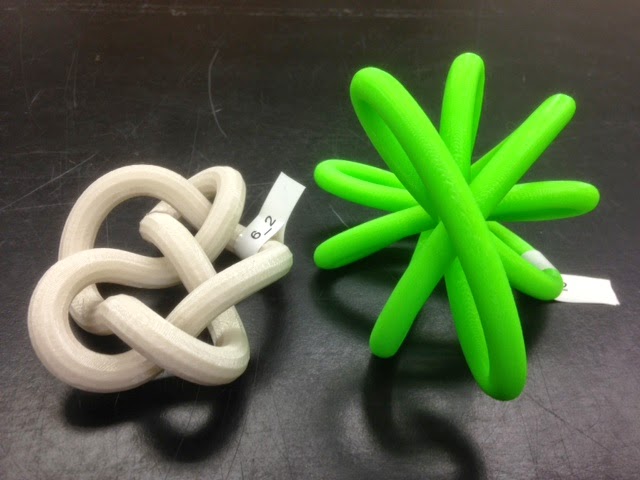
A petal knot conformation of 6_2, which means that there is an angle from which all of the crossings line up on top of one another to form a single daisy-like crossing.
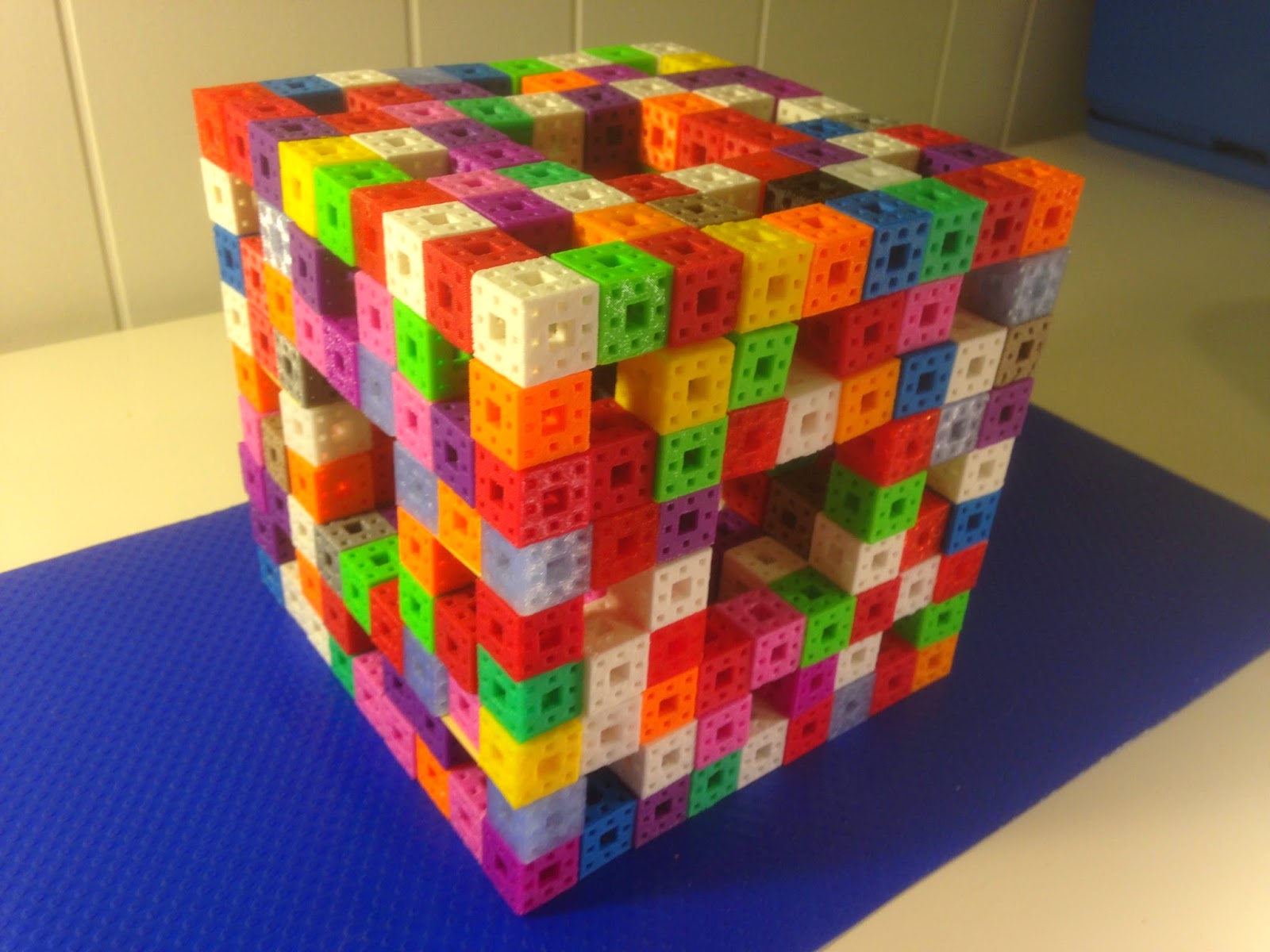
In celebration, today's print is a HUGE LEVEL 4 MENGER SPONGE, built out of 400 tiny Level 2 Menger sponges.
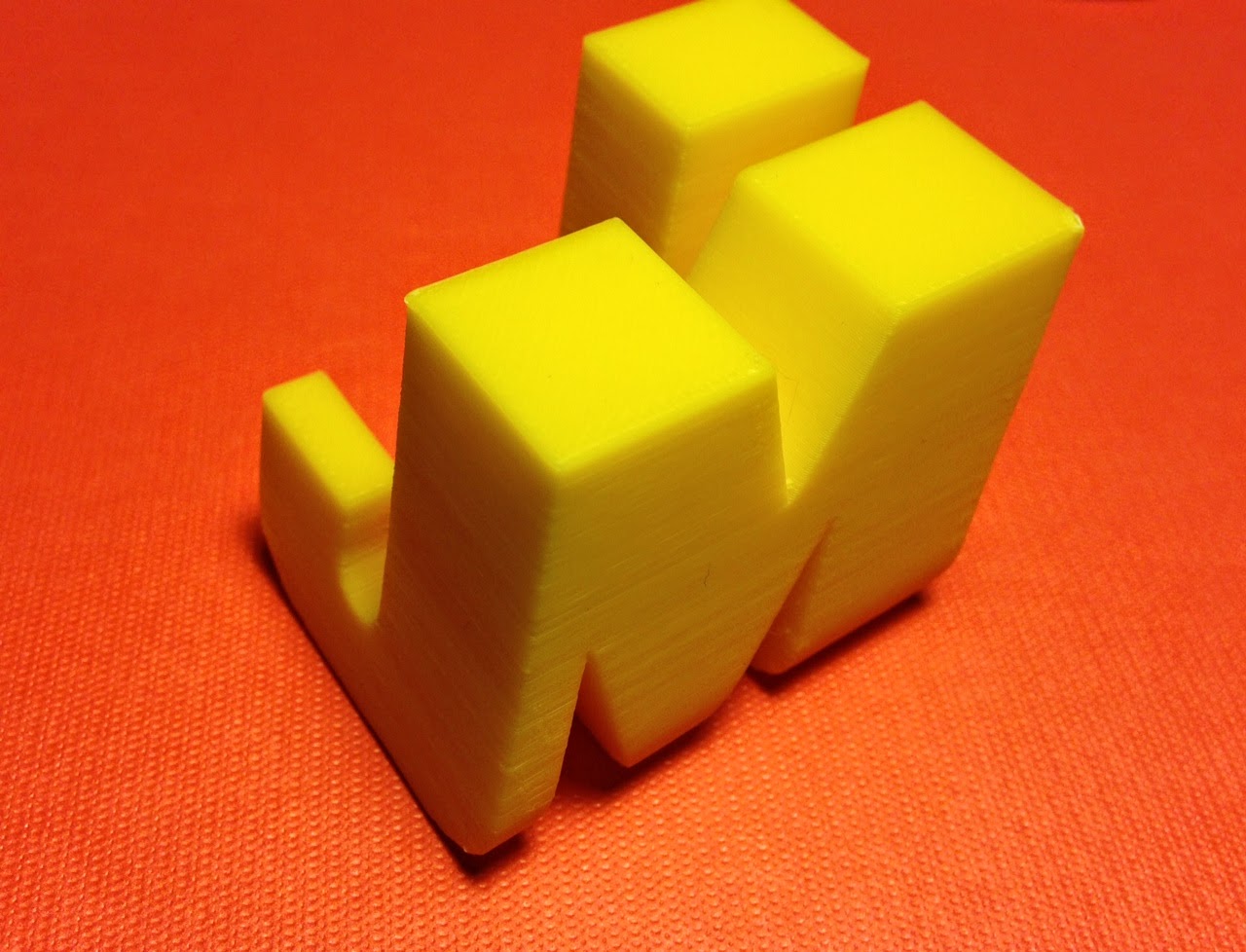
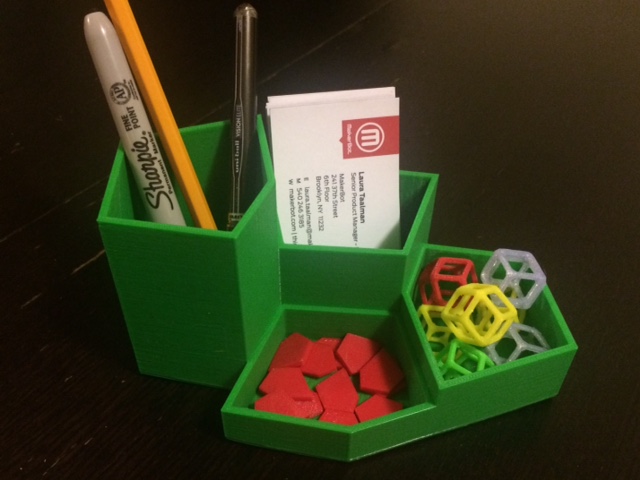
The design for the infamous "JMU cube" business card holder that we've printed so many times in the JMU 3-SPACE classroom and the JMU MakerLab in Math/Stat.
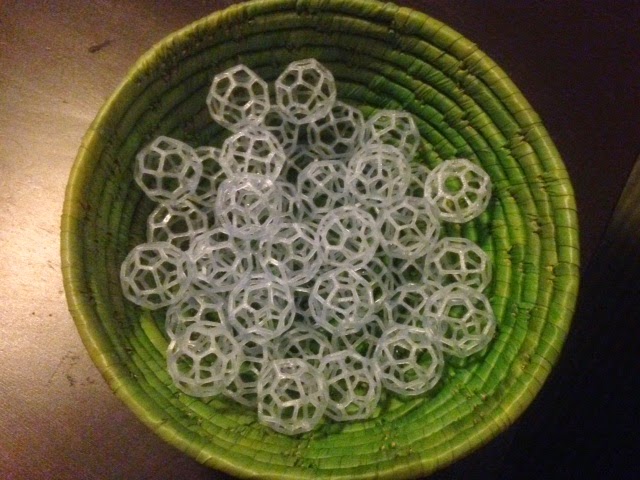
At the final convocation for the 2014 NYU GSTEM program, 41 young women who are rising high school seniors presented their summer work. We made them each a Pentagonal Icositetrahedron.
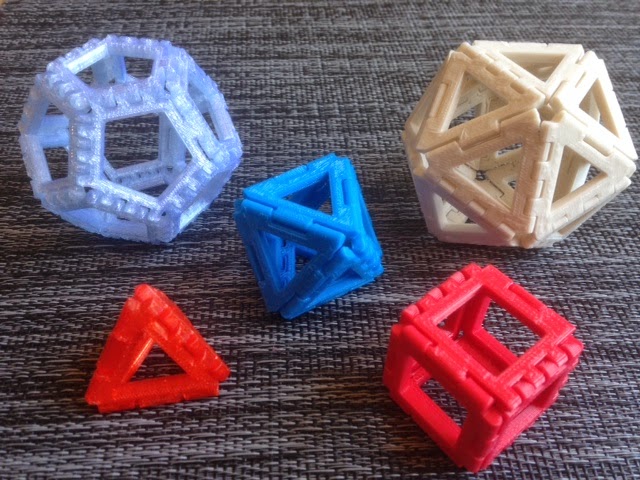
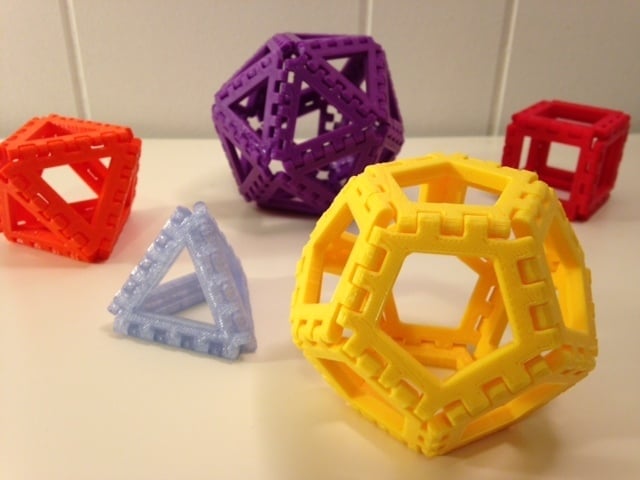
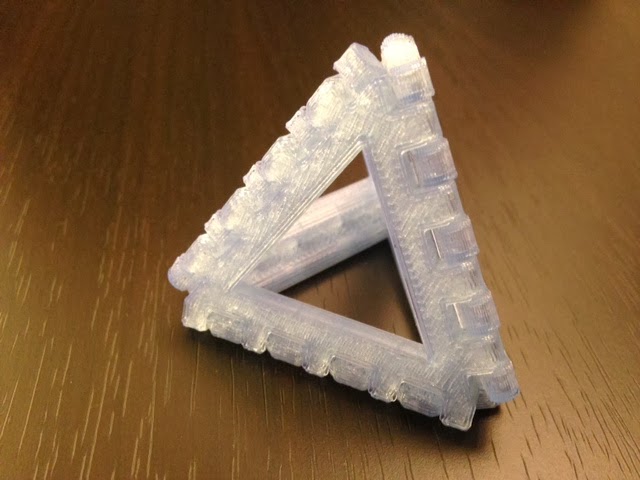
As our final big project this year, we've put together one model for making hinged nets of all five Platonic solids.
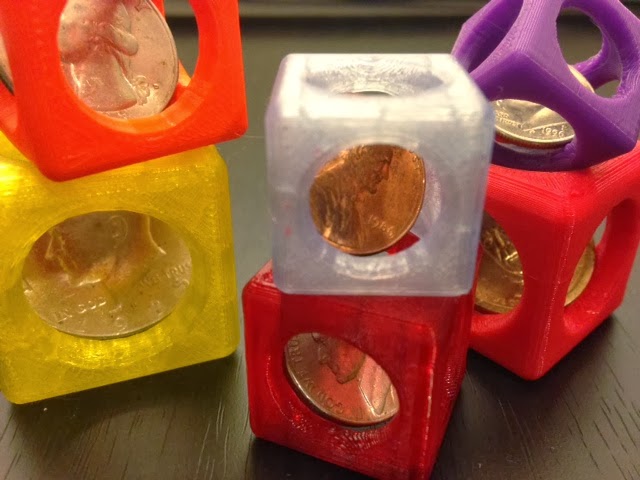
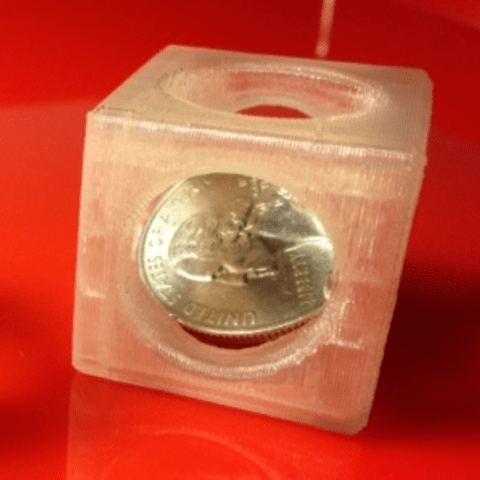
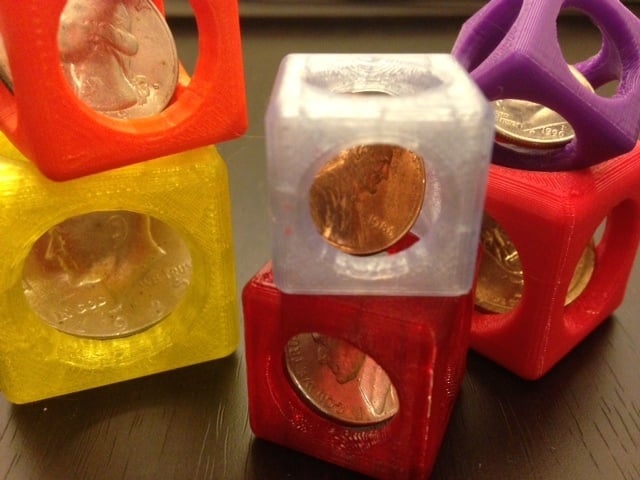
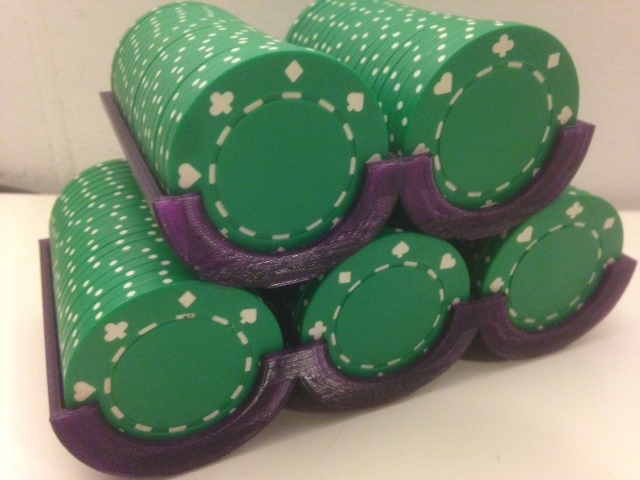
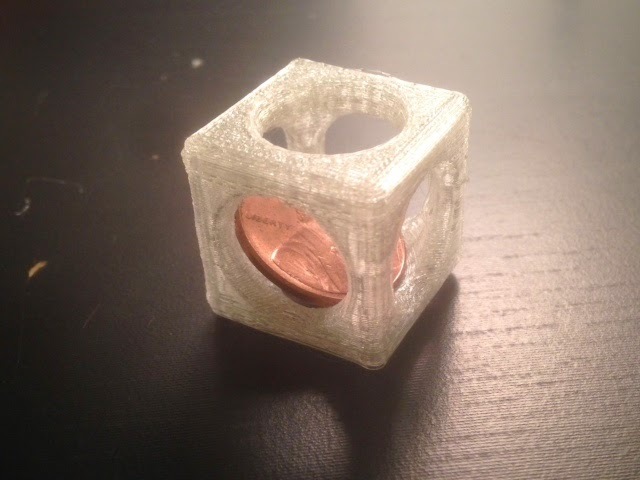
Our first customizable design: traps for coins of any size, from any country! Did you lose a bet? Pay them back with a coin they can never use.
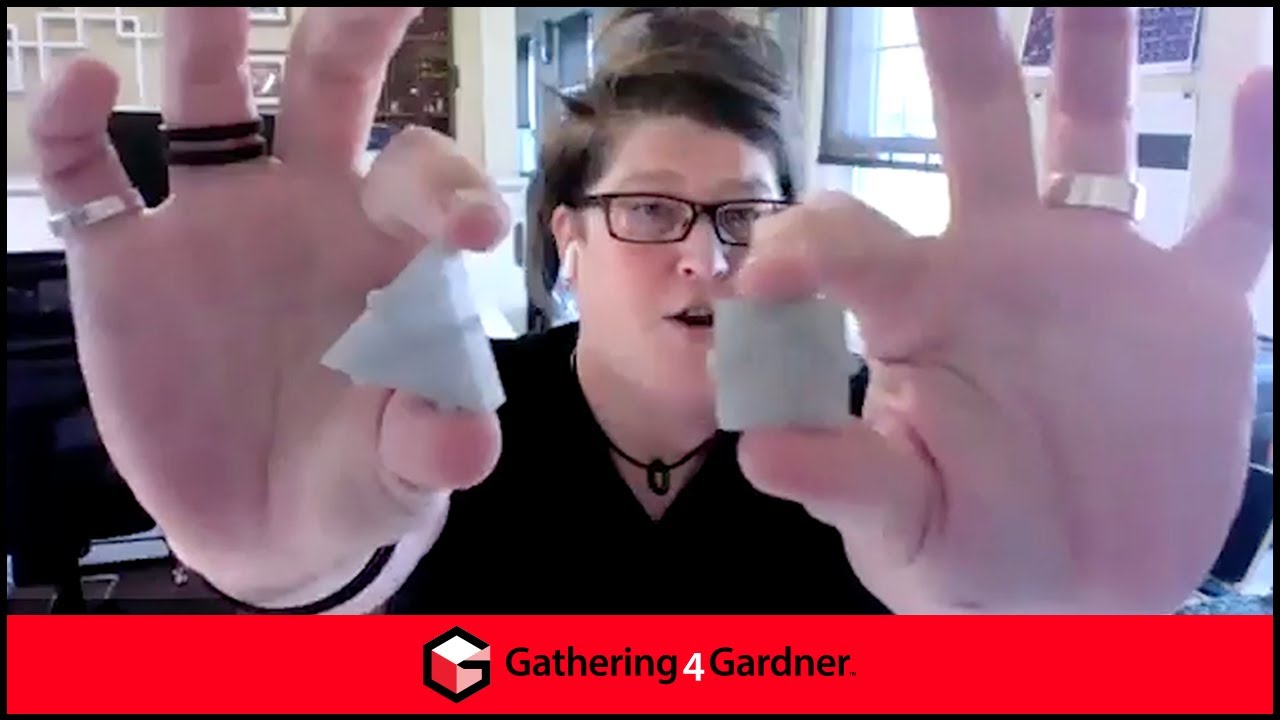
G4G Celebration of Mind
3D printing foldable and hinged models for polygonal and polyhedral dissections, and a new idea for “volume nets.”
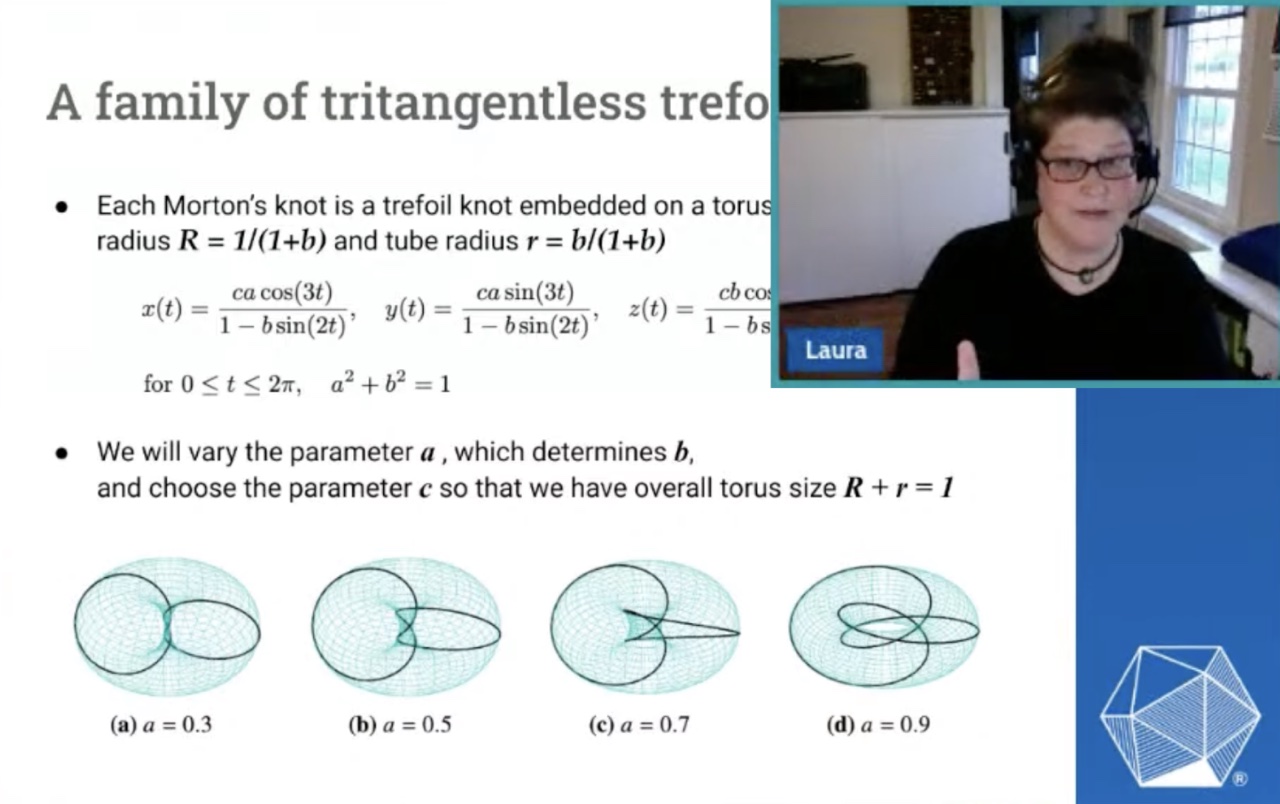
MAA Distinguished Lecture
A 3D-printed tour of rolling tritangentless trefoils, ideal graph configurations in three dimensions, and 3D mesh models of chaotic orbits.
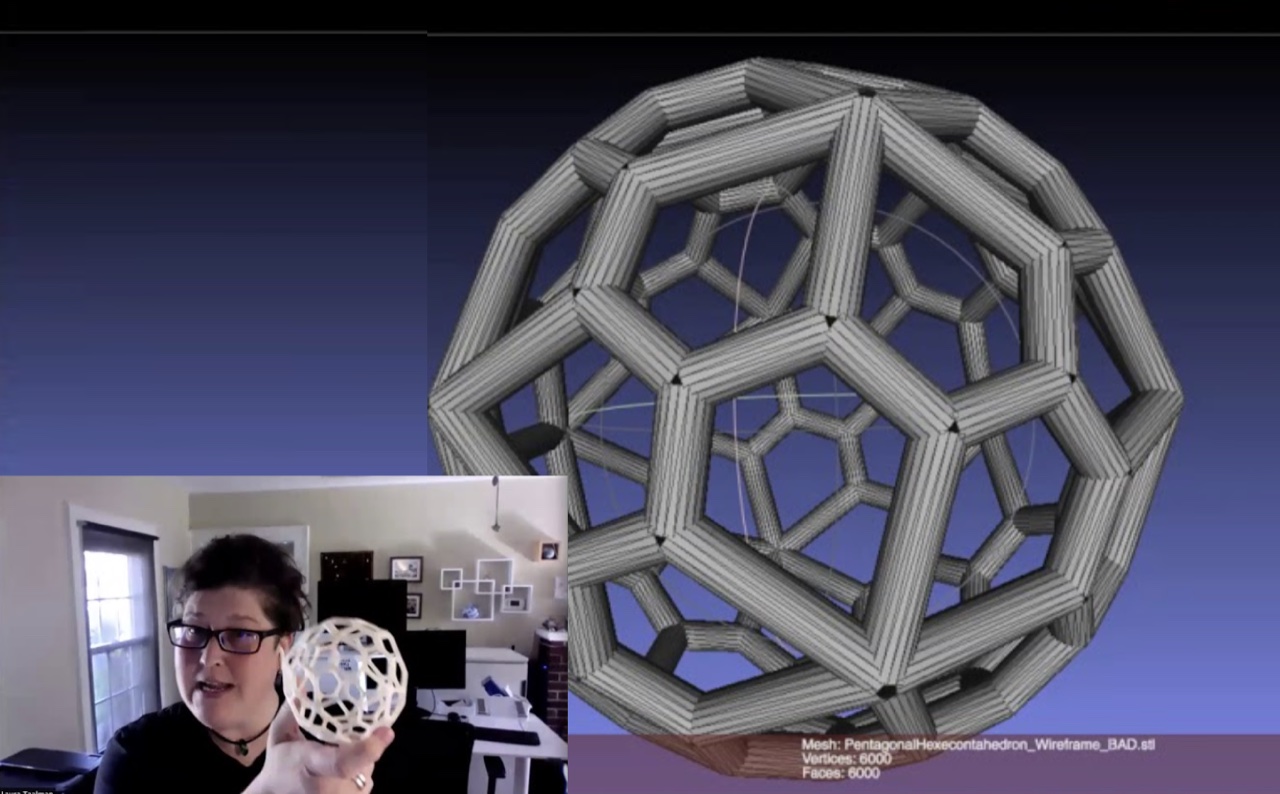
Geometry Labs United Seminar
A tour of accessible and (mostly) free design programs for geometric and algorithmic designs: OpenSCAD, Mathematica, Topmod, and Grasshopper.
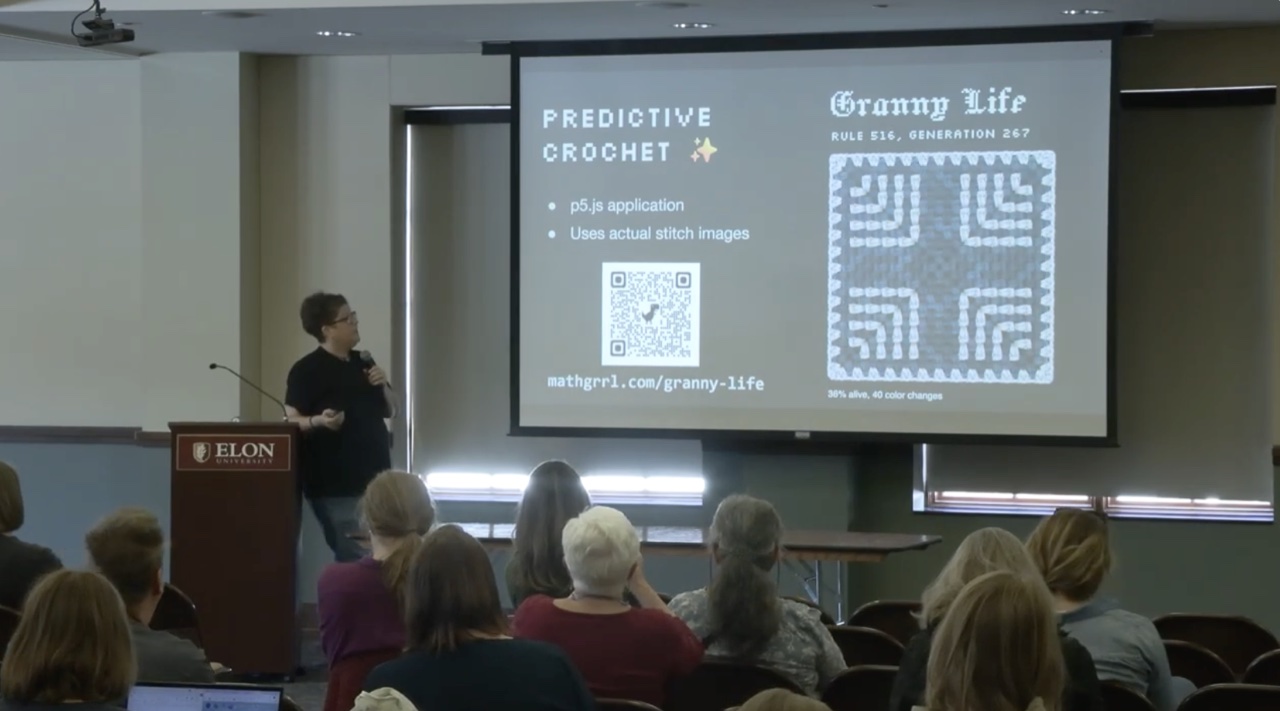
Elon Voices of Discovery
How rule-based pattern generators, from Conway’s “Game of Life” to totalistic cellular automata, can inspire new directions in the fiber arts.
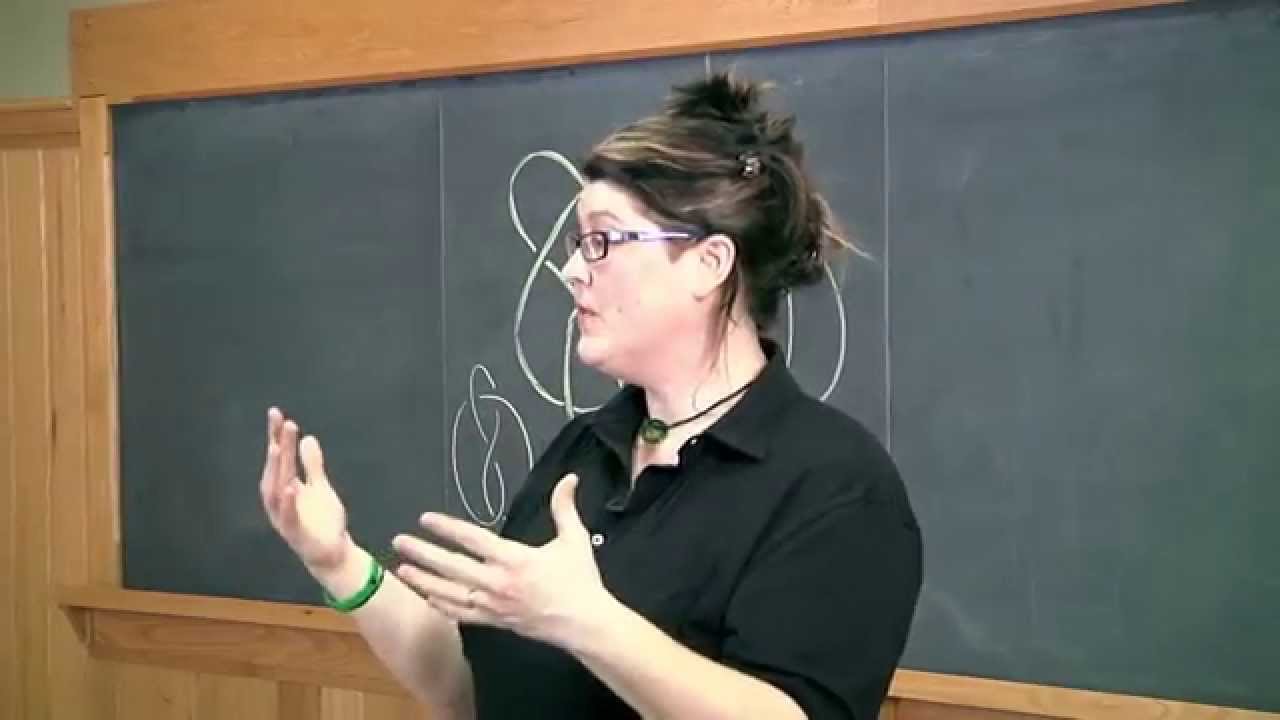
MAA Carriage House
Knot theory, 3D printing, and the mathematical discovery process, including failure.
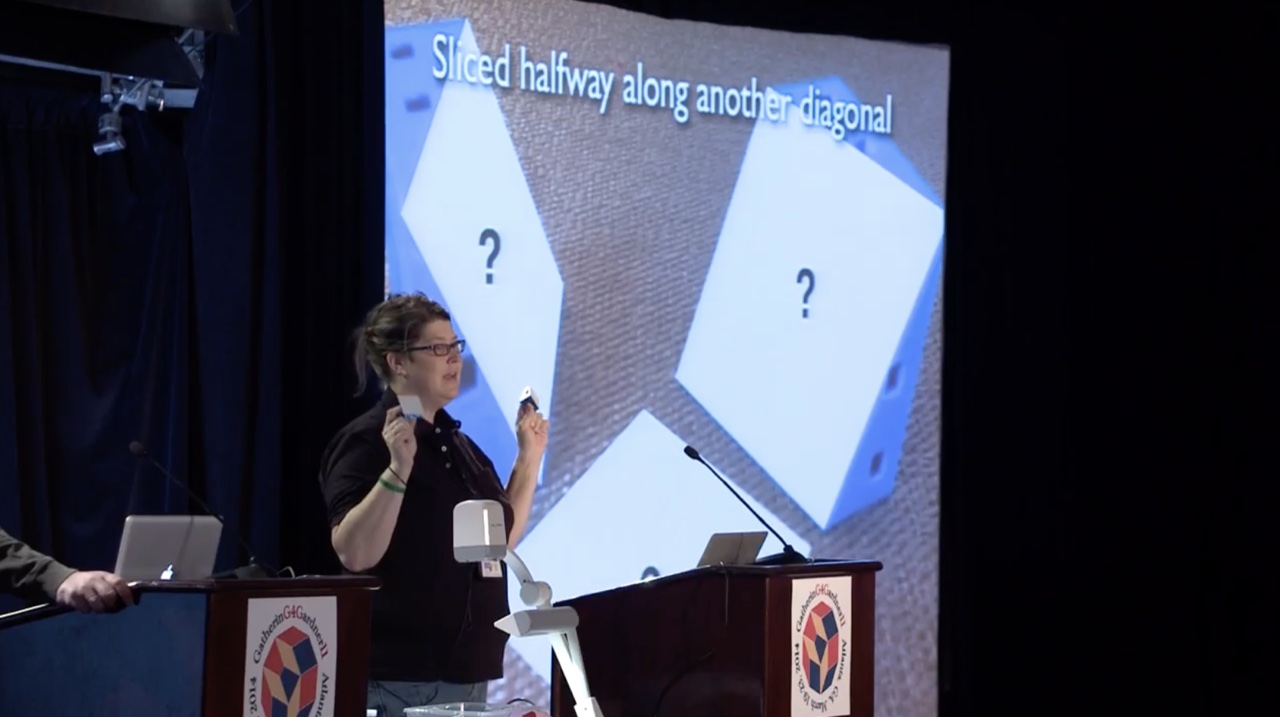
Gathering 4 Gardner 11
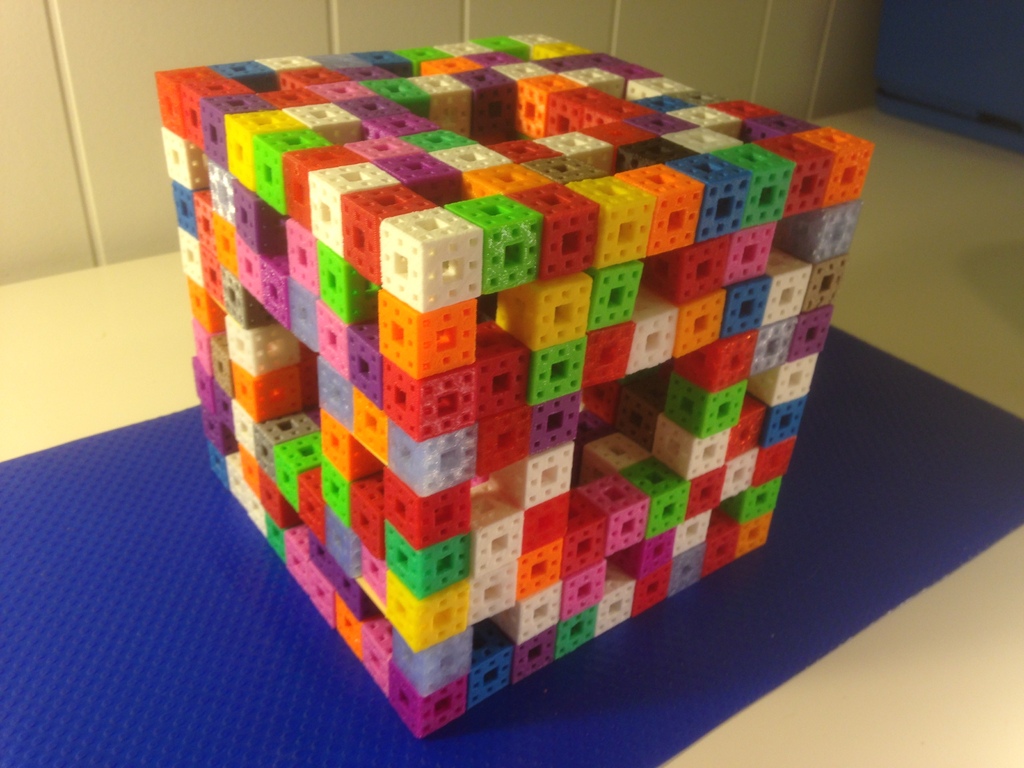
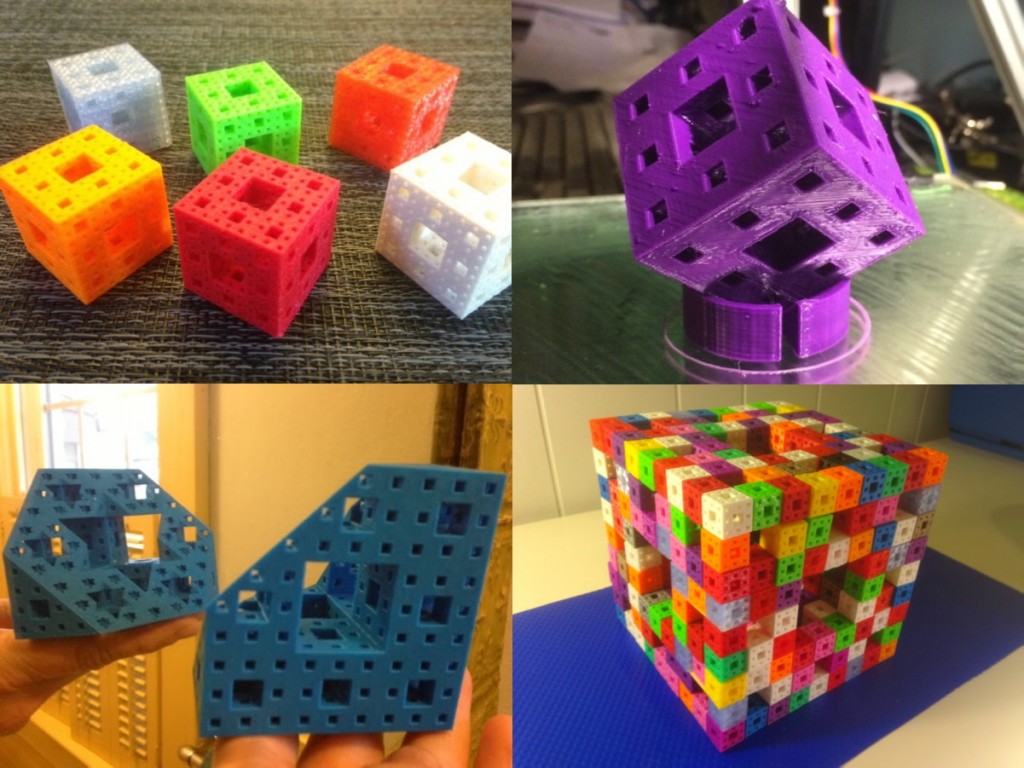
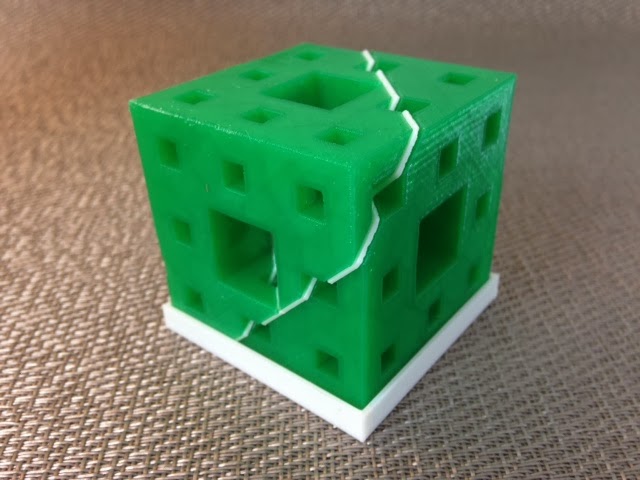
Why a Menger sponge is so hard to 3D print, how to print one anyway, and what it looks like inside when you slice it.

Gathering 4 Gardner 13
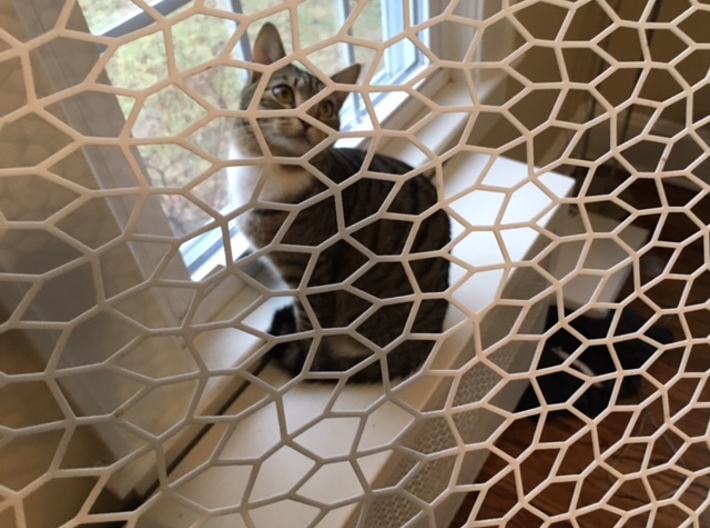
OpenSCAD models of any of the 15 families of pentagons that tile the plane, and a tour of tiling pentagons in art, puzzles, housewares, and jewelry.
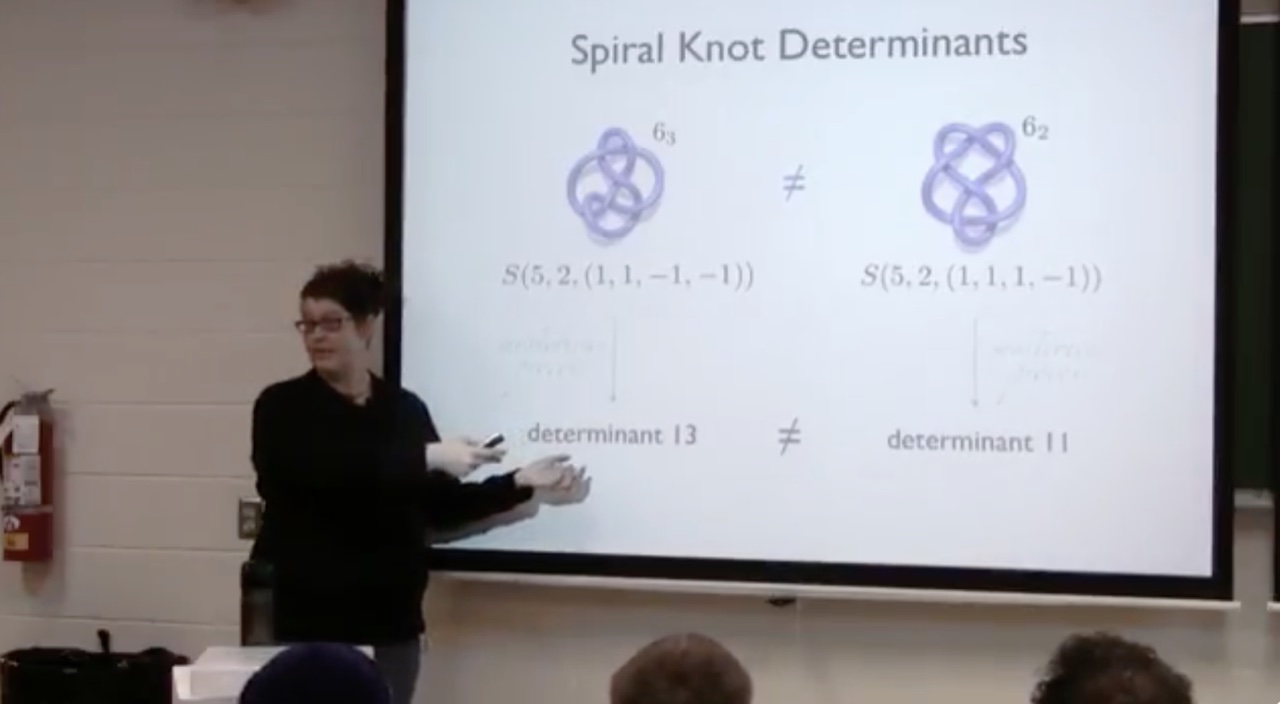
JMU Visual Studies
Spiral knots and their invariants, and what is known and not known about cellular automata, primes, Tetris, Sudoku, and knots.
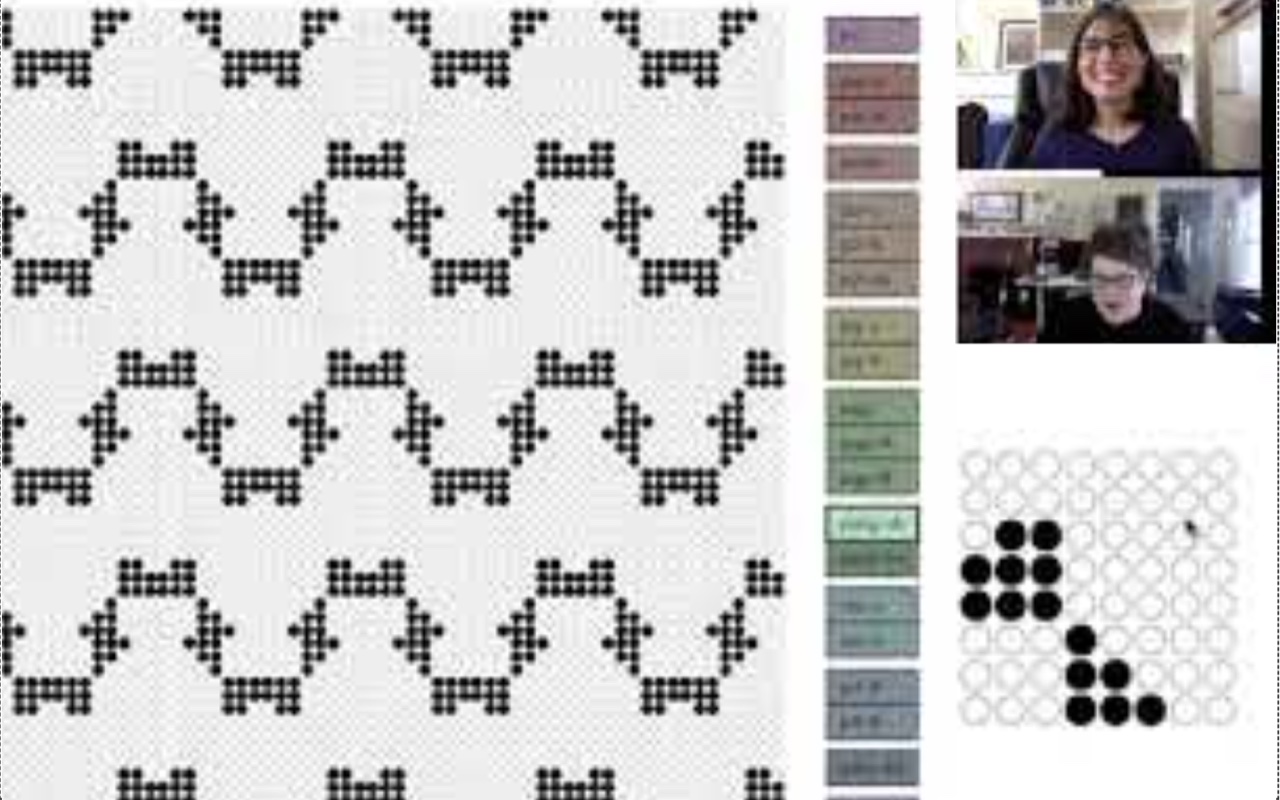
Bridges Aalto
Software that turns the plane lattice symmetries of square tiles into hand knitting patterns and punch cards for knitting machines.
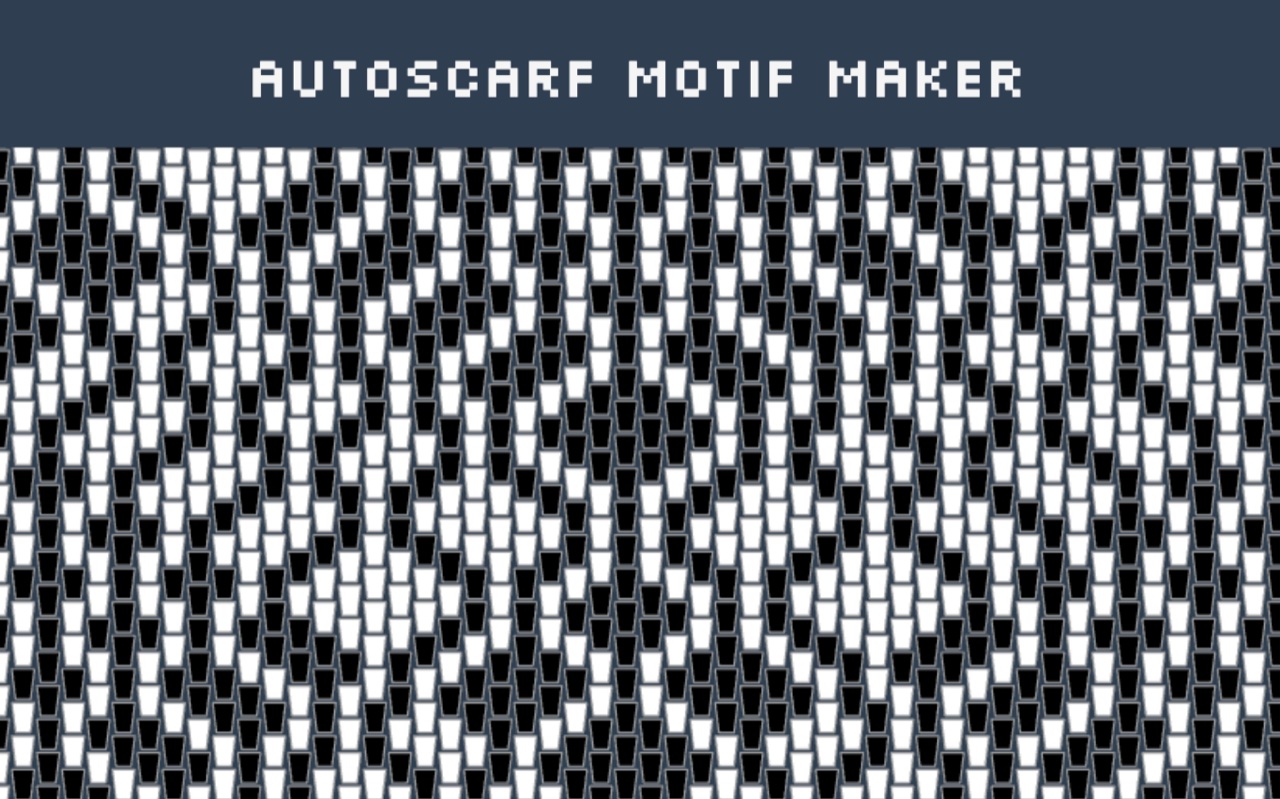
autoscarf.org/motif-maker
An interactive app for creating custom cellular automata motifs for scarves that design themselves row by row as you knit or crochet. Part of the autoscarf.org community project.
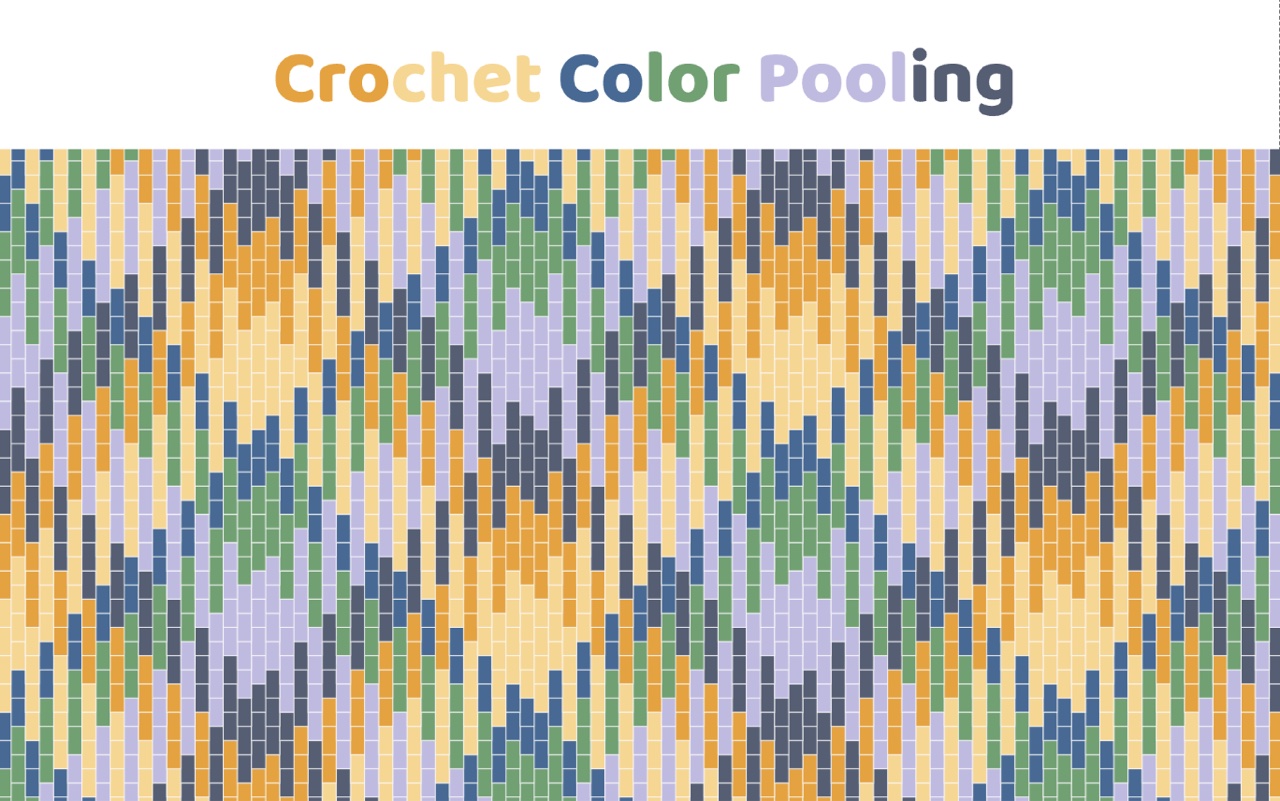
mathgrrl.com/crochet-color-pooling
Predict your pooling! This app uses color sequences and row length to visualize the argyle-style designs that naturally arise from color pooling when crocheting or knitting with variegated yarn.
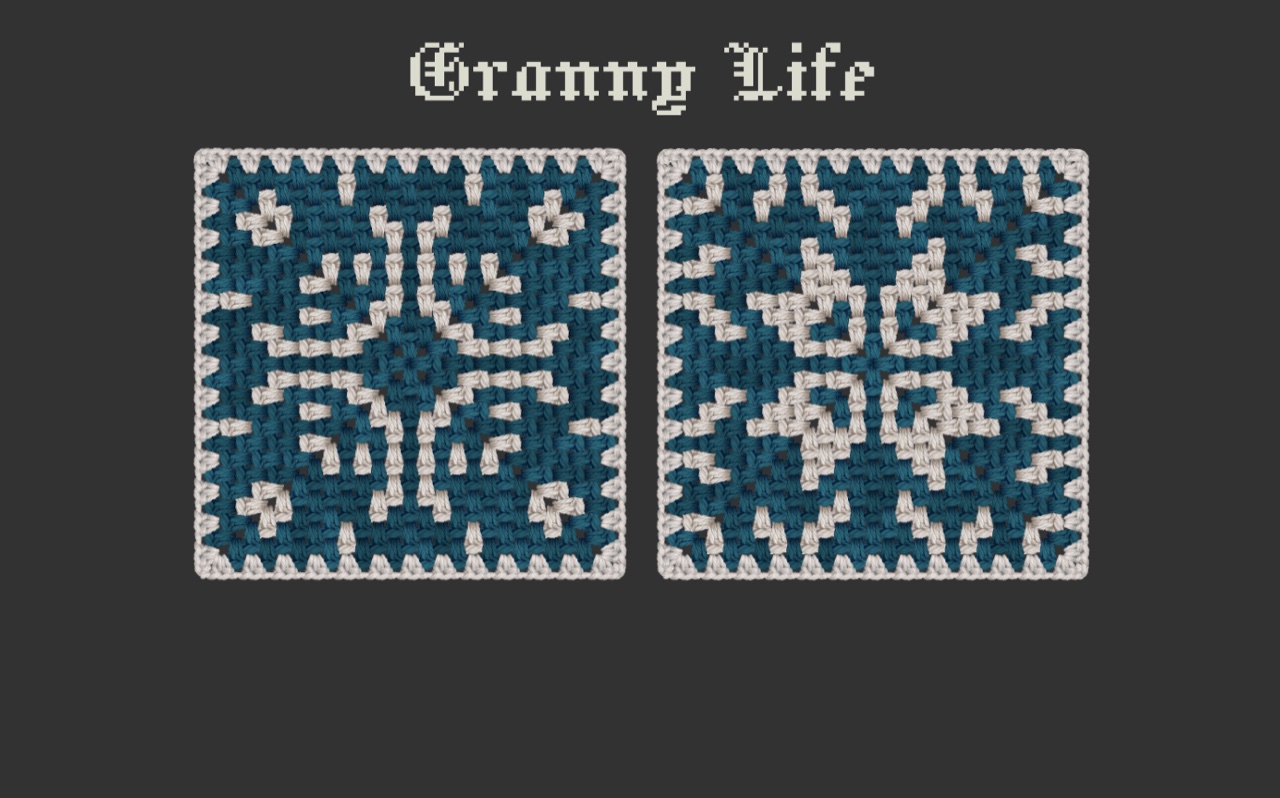
mathgrrl.com/granny-life
Use this app to create custom granny square motifs based on algorithms. This design tool was used by hundreds of crafters in the Granny Life project, which was exhibited in Paris.
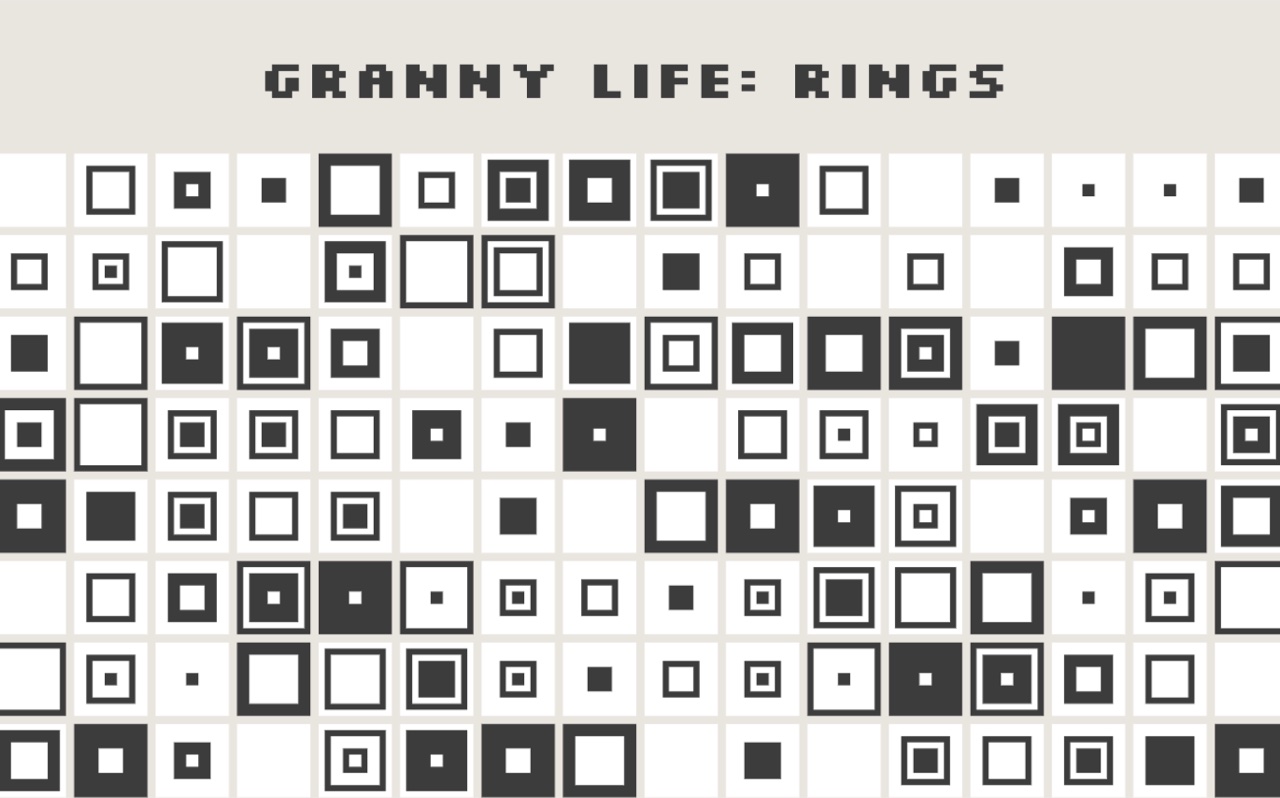
mathgrrl.com/granny-life-rings
Create and arrange crocheted granny squares that use rings of color to encode simultaneous visualizations of multiple stages of Conway's Game of Life.
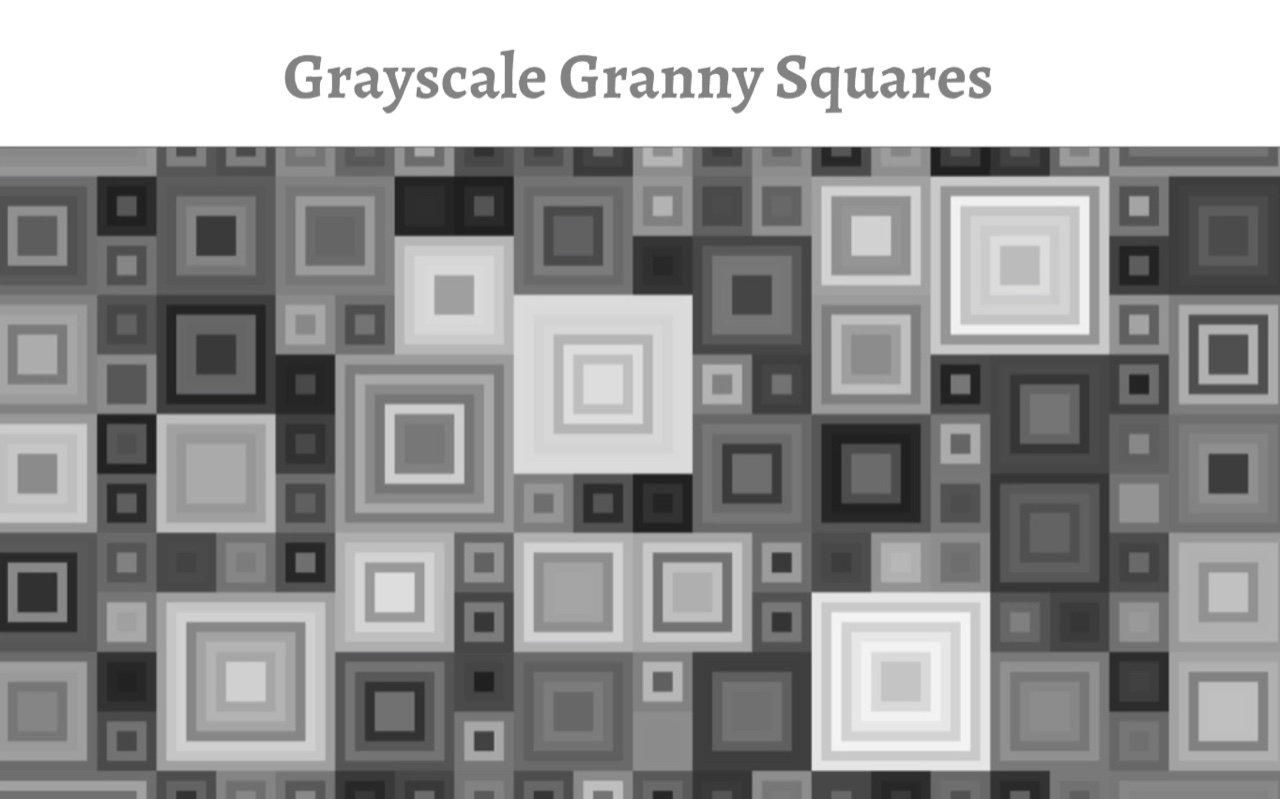
mathgrrl.com/grayscale-granny
Explore grayscale square-packing layouts to discover optimal color value configurations of crocheted granny square blankets.
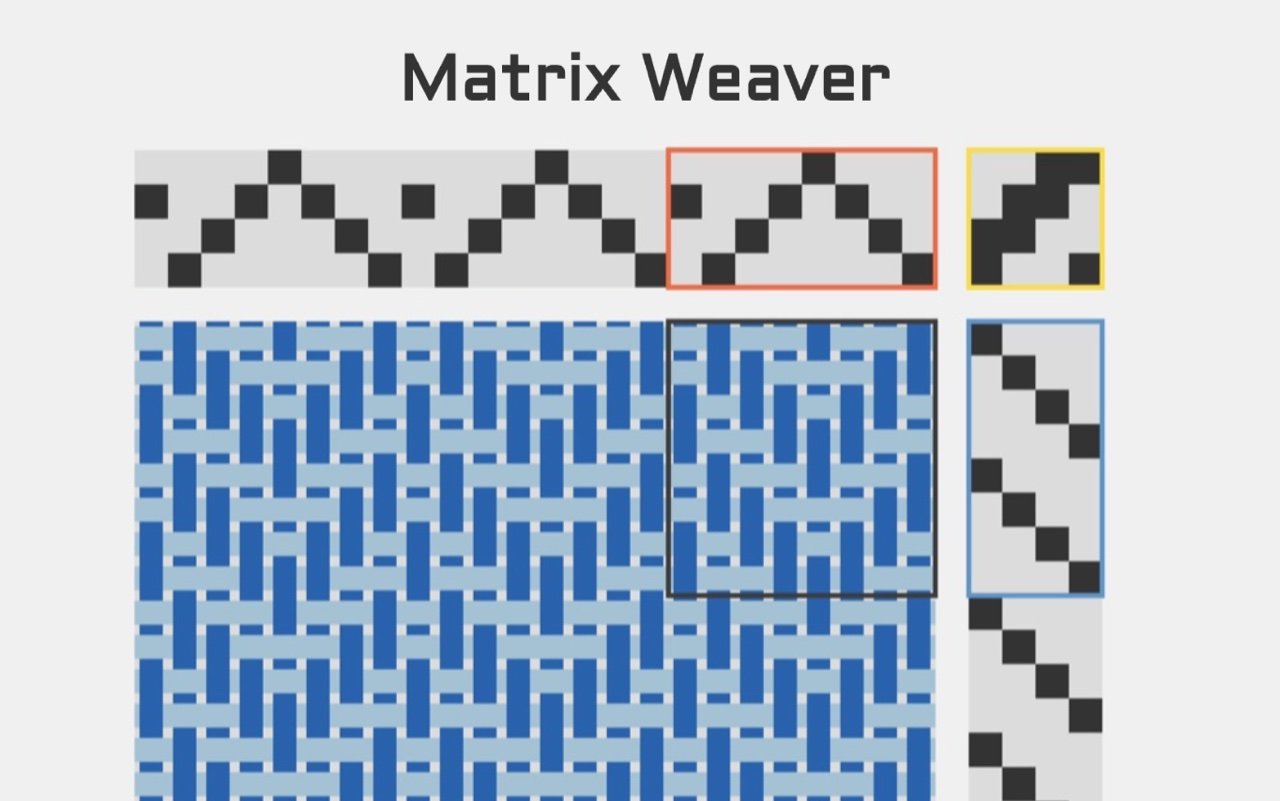
mathgrrl.com/matrix-weaver
Visualize weaving loom patterns while explicitly relating levers, harnesses, tie-ups, and the drawdown to matrix multiplication. (Work in progress.)
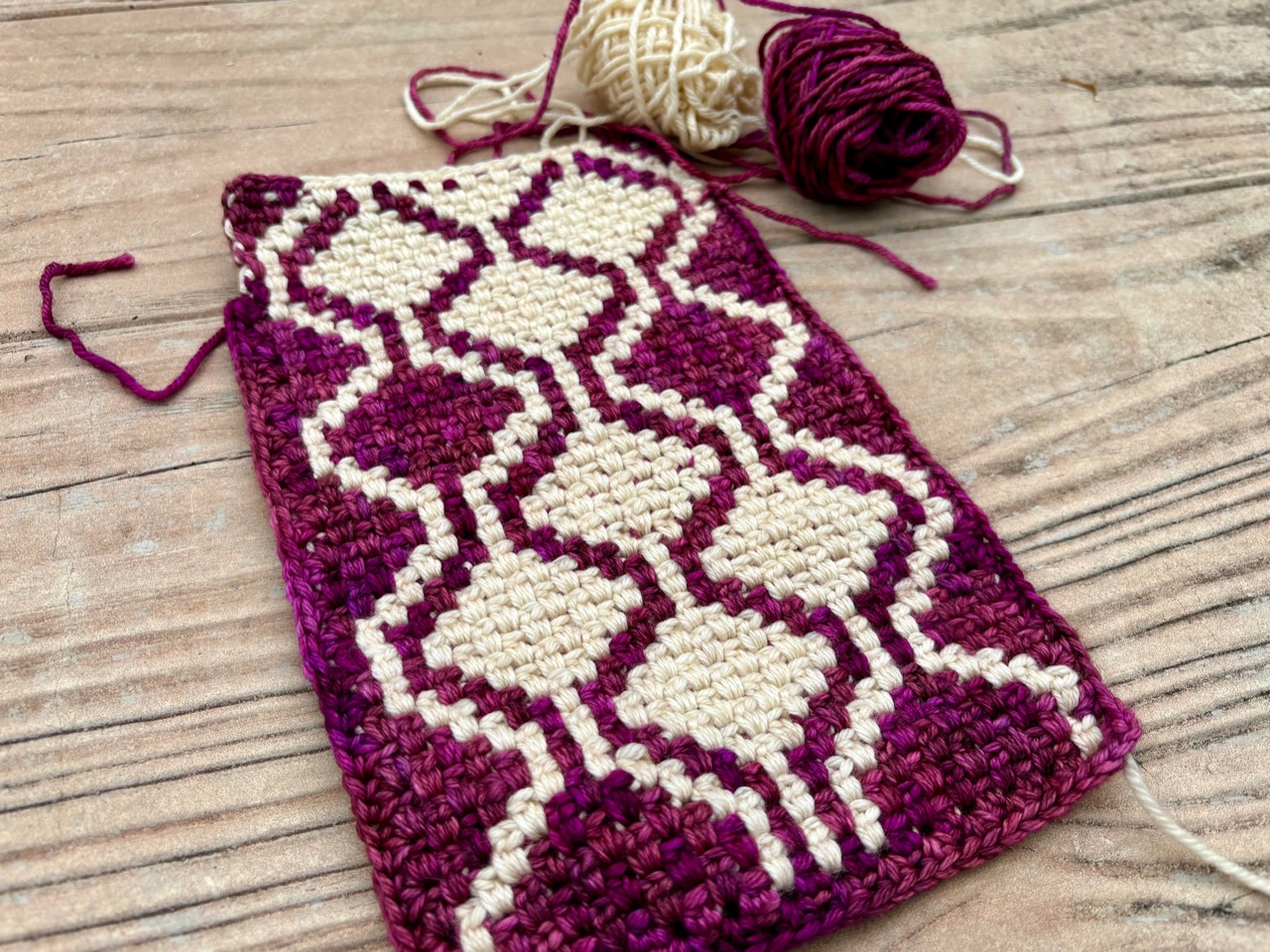
Cellular automata scarves that design themselves: a community project where people around the world knit and crochet scarves using simple algorithms.
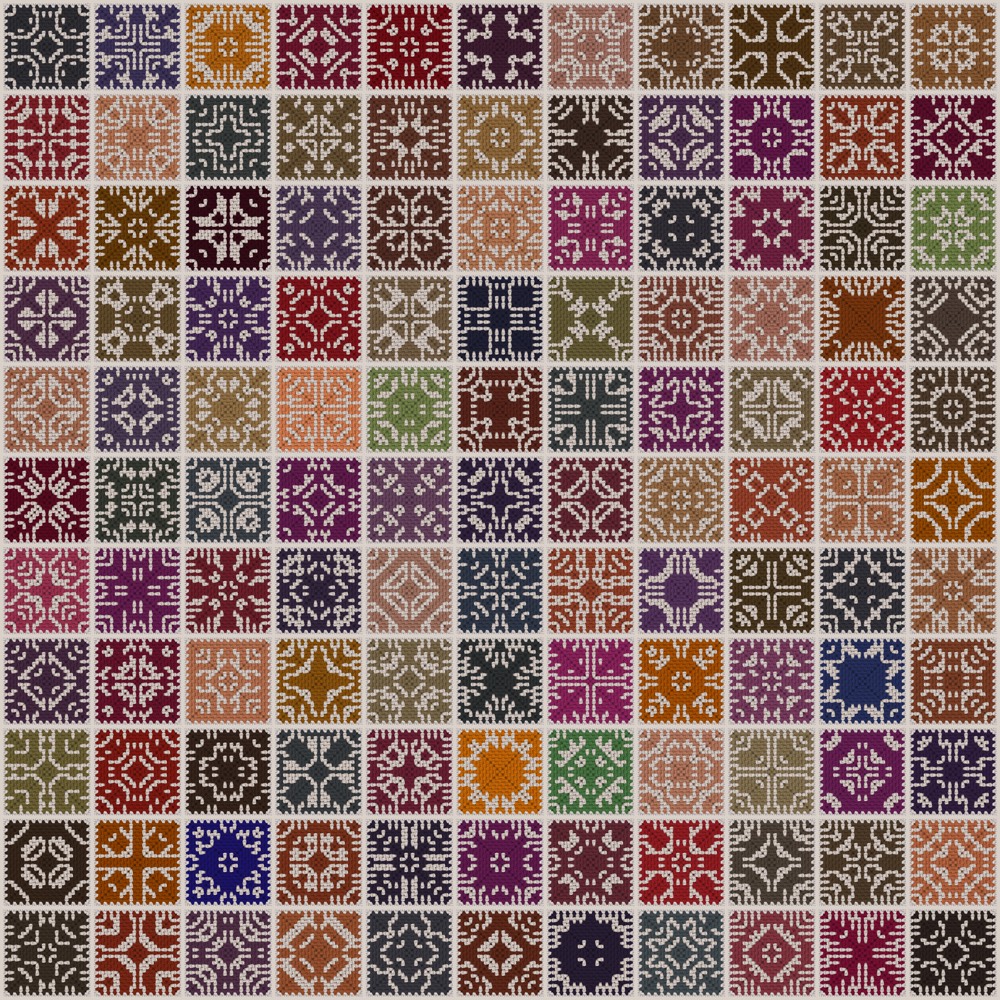
Crochet granny square motifs determined by algorithms: 242 squares from crafters around the world, joined into one artwork for an exhibit in Paris.
A blog about design, math, and failure.
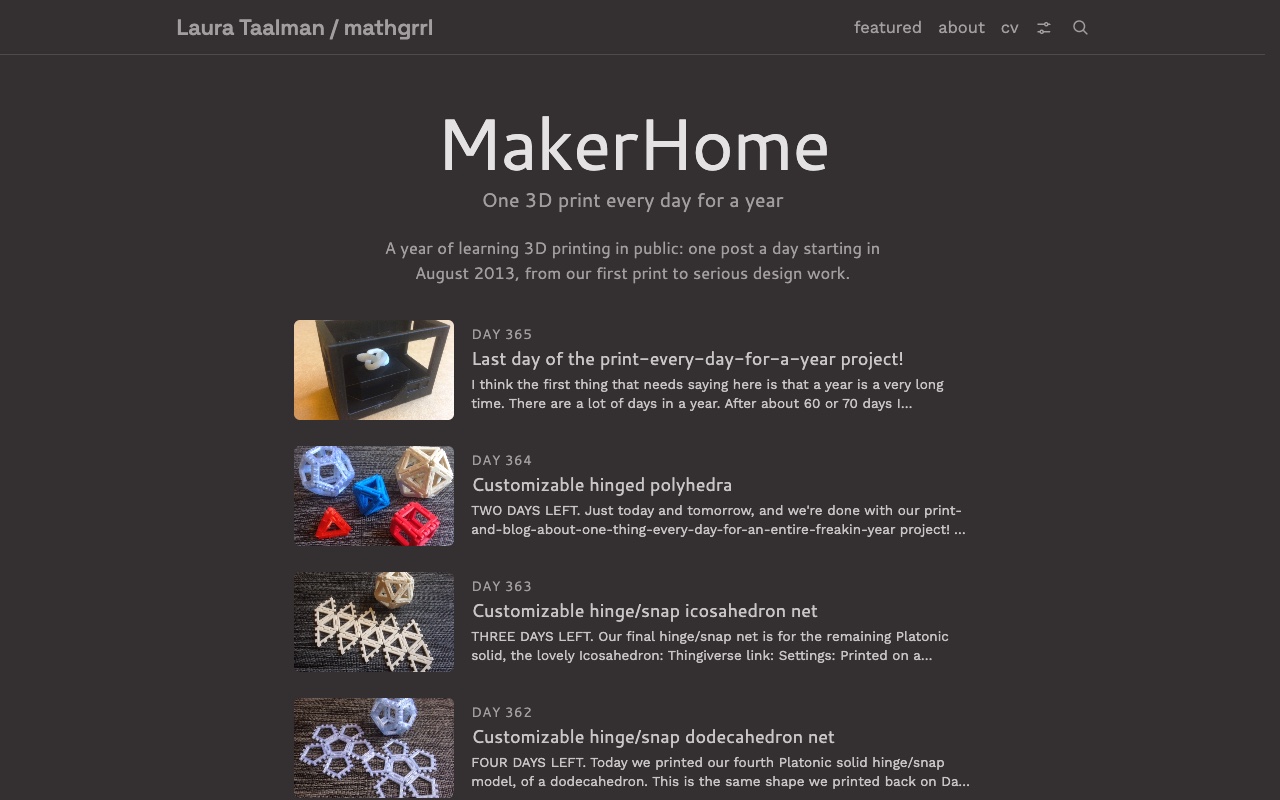
One 3D print every day for a year. A year of learning 3D printing in public: one post a day starting in August 2013, from our first print to serious design work.
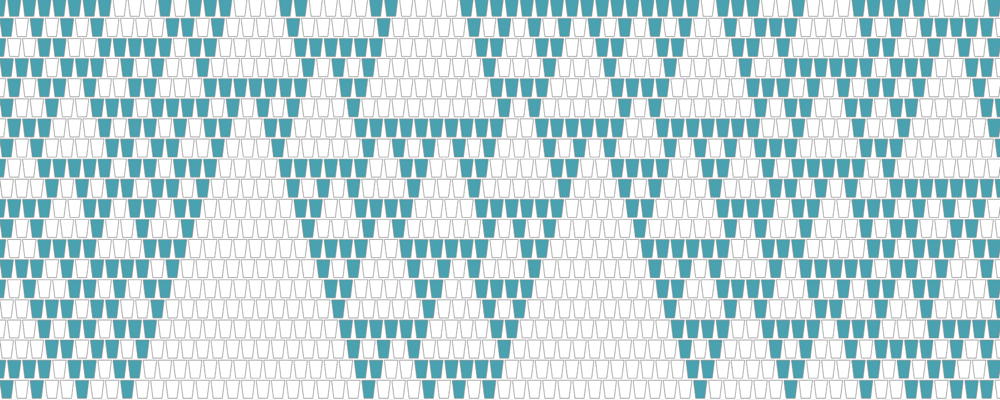
AutoScarf is a project for crafters and math-curious people to make their own algorithmic scarves using elementary cellular automata.
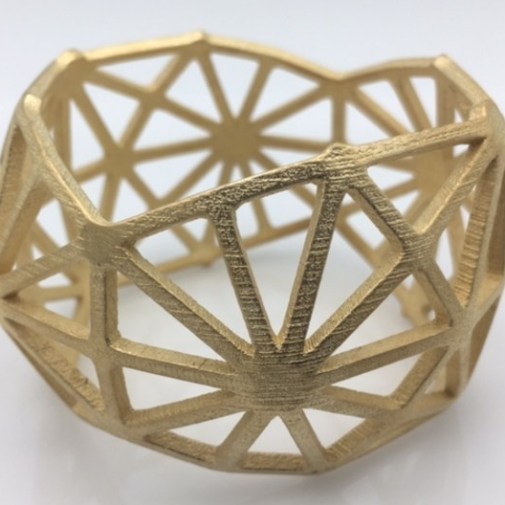
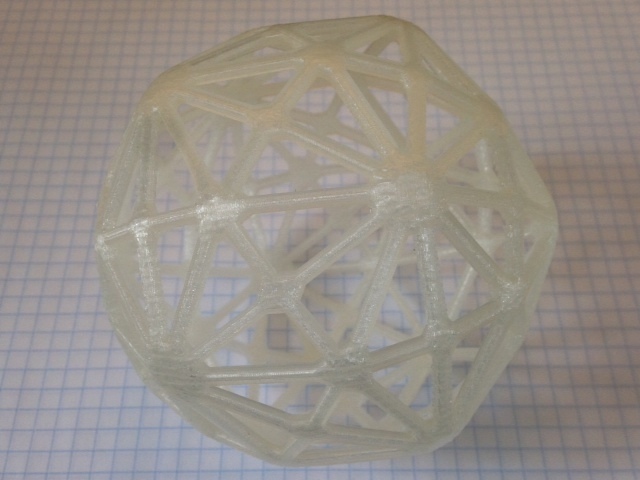
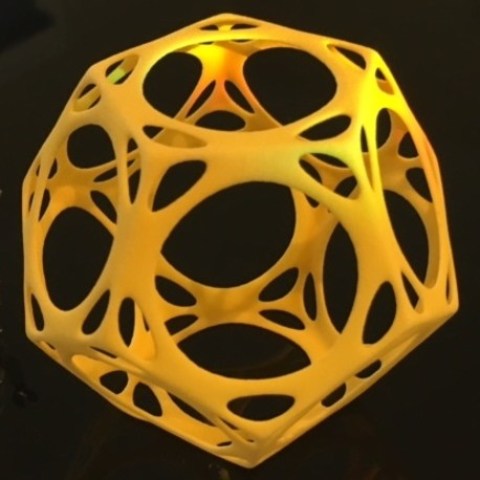
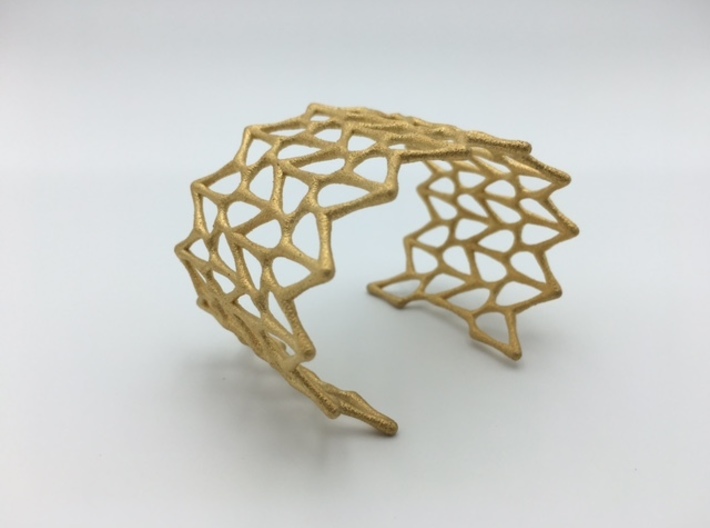
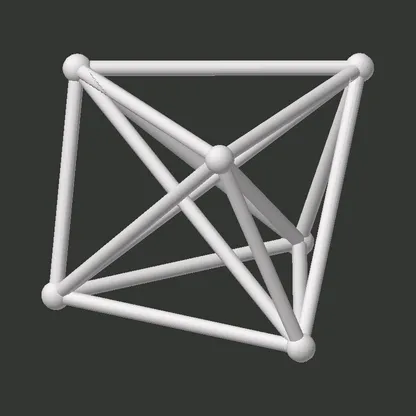
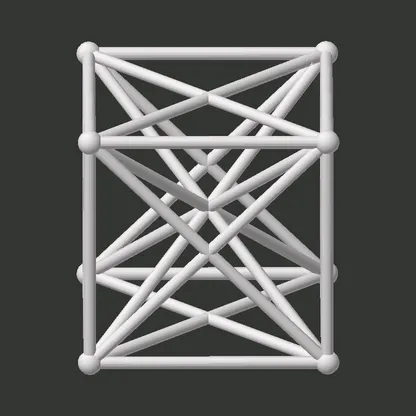
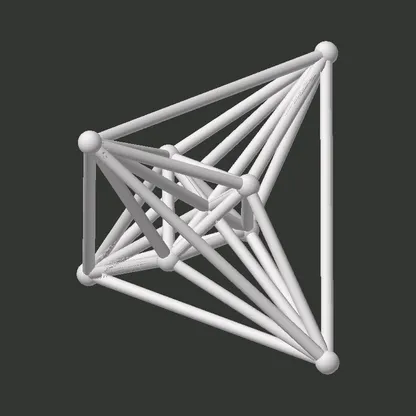
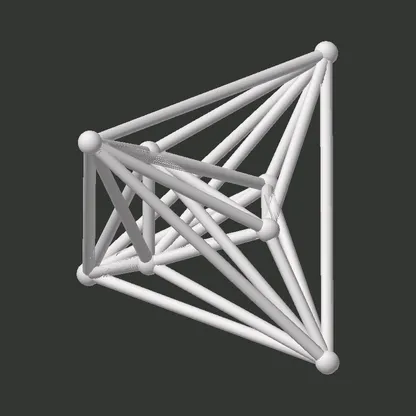





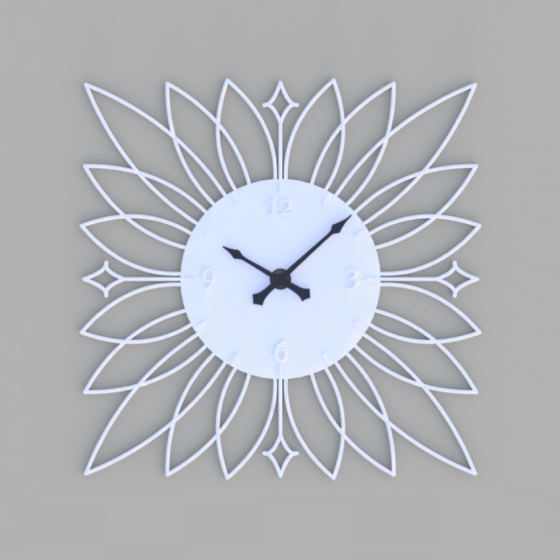
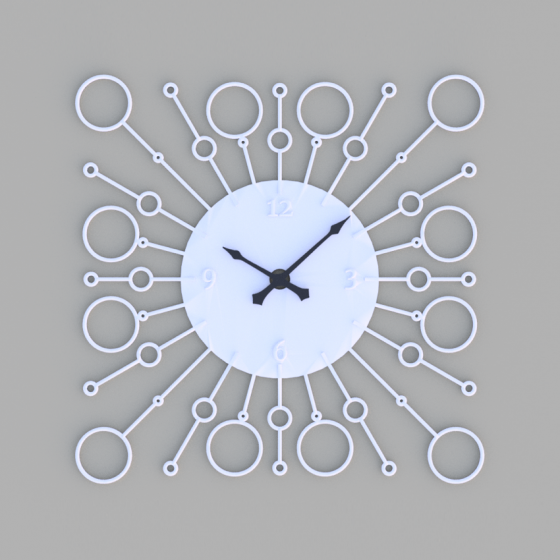
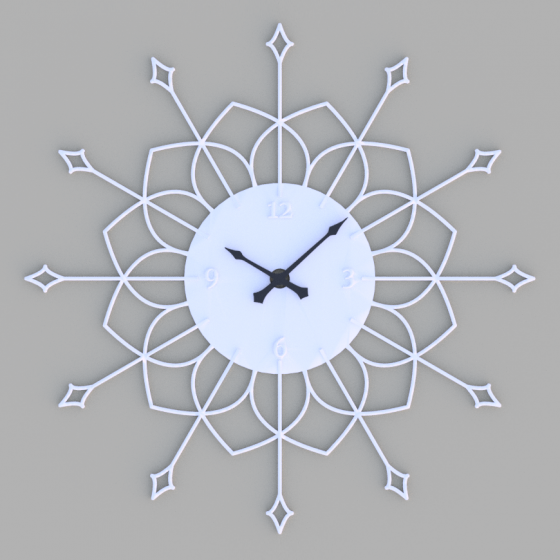
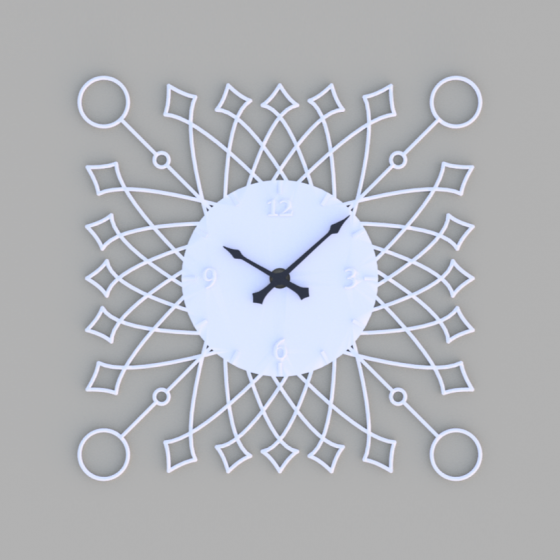
nothing on this thread
These designs are free for personal and educational use. Please credit mathgrrl, don't sell the files or prints made from them, and if you remix a design, share your remix the same way.
Creative Commons Attribution-NonCommercial-ShareAlike 4.0 International license: CC BY-NC-SA 4.0.
© 2000–2026 Laura Taalman / mathgrrl
This website brings together all of my content from Hacktastic, MakerHome, Geekhaus, Yarncraft, Google Sites, Thingiverse, Shapeways, Sketchfab, mathgrrl designs, and my academic site. All of the content is filterable and searchable.
Accessibility
This site aims to meet WCAG 2.2 Level AA, and AAA where it can. Settings in the top bar icons allow you to turn on reduced motion, high contrast, and light/dark mode. If something doesn't work for you, please tell me: laurataalman@gmail.com.
Licenses
ModelsCC BY-NC-SA 4.0 for 3D models I made, unless credited otherwise; you're welcome to print and remix them with credit, but please don't sell them, and share remixes the same way.
ImagesCC BY 4.0 for images I made, unless credited otherwise; you're welcome to use them on Wikipedia and Wikimedia Commons.
Behind the scenes
Built with @WEBSITE, a long-term collaborative Claude agent.
ToolsAstro · KaTeX · VS Code · Claude Code
HostingVercel · Cloudflare R2 · GitHub
TypeSpace Grotesk · Work Sans · Space Mono